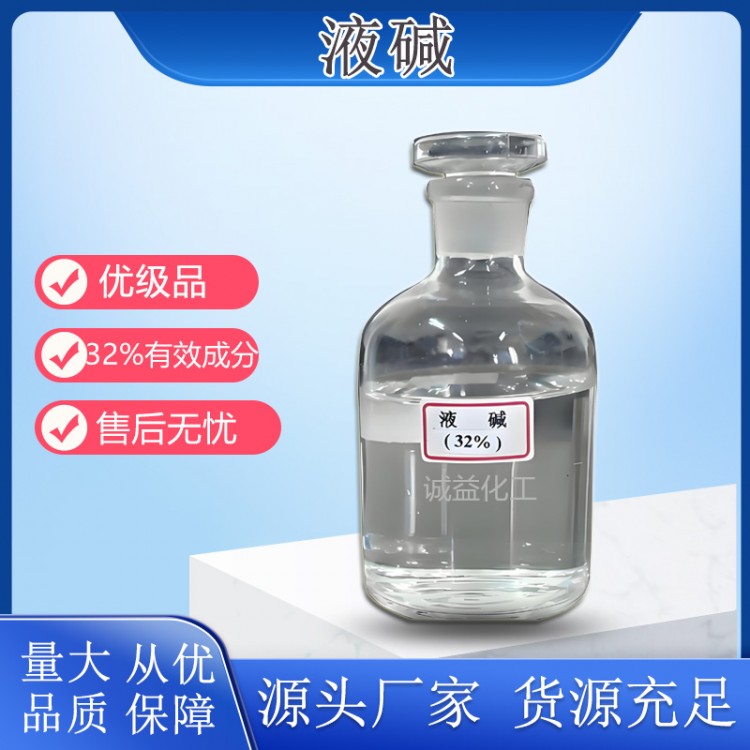
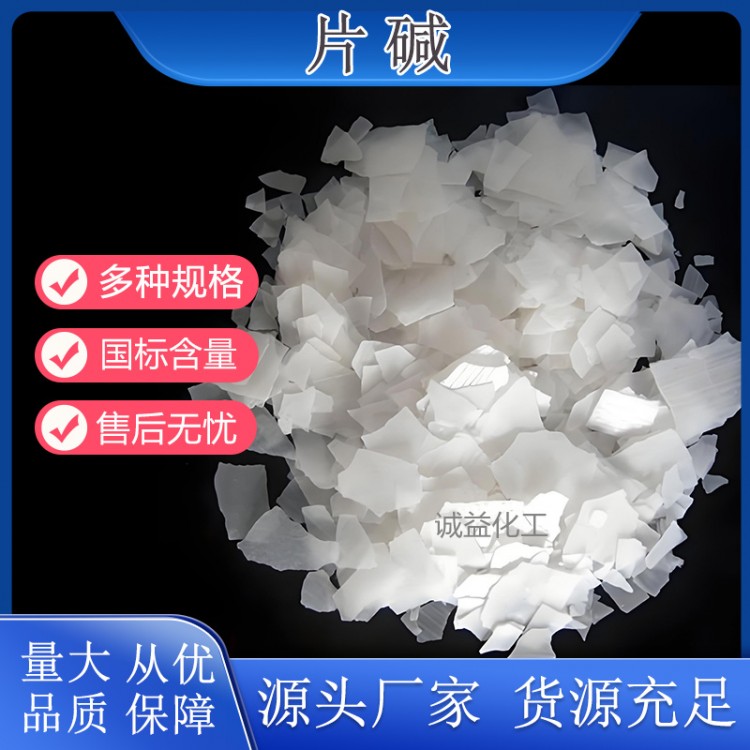
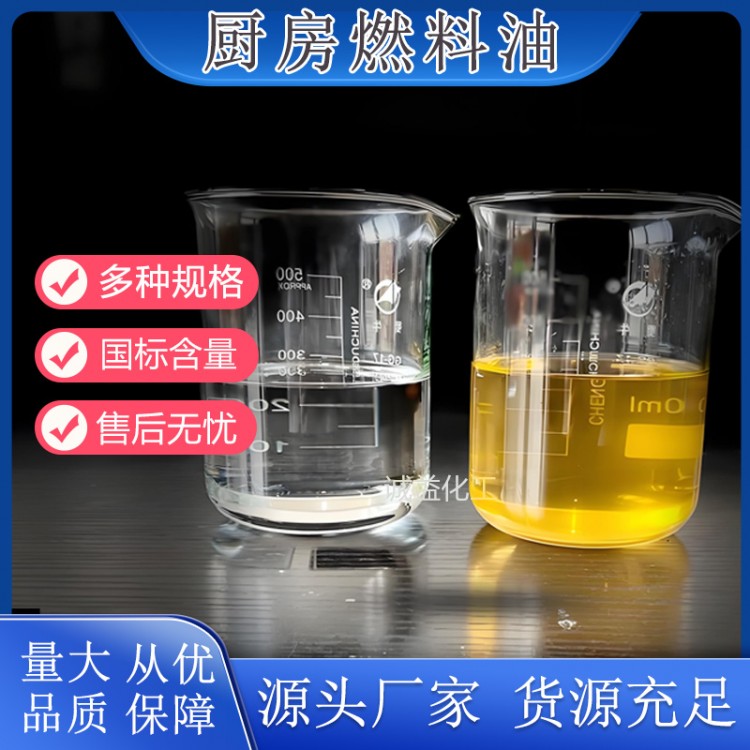
Lye, 1,4-Butanedione, Propylene Oxide


Product Recommendation
Contact Routes and Hazards
Inhale: Can cause poisoning, induce respiratory irritation, and in severe cases, lead to organ damage.
Skin ContactCauses burns, allergic reactions; prolonged exposure may damage organs.
IngestedStimulate the gastrointestinal tract, causing nausea, vomiting, and even convulsions.
Eye ContactSevere burns and corneal damage.
First-aid measures
Skin ContactRemove contaminated clothing immediately, rinse thoroughly with plenty of water for at least 15 minutes, and seek medical attention.
Eye ContactRinse with running water or生理盐水for at least 10 minutes after removing the contact lenses, continue rinsing, and seek medical attention.
InhaleMove promptly to a fresh-air area, maintain an open airway, perform artificial respiration if necessary, and seek medical attention.
IngestDo not induce vomiting. Rinse mouth with water and drink warm water immediately. Seek medical attention.
Operation Requirements
Operate in a well-ventilated area and wear protective gear (respirator masks, chemical protective suits, safety goggles, and corrosion-resistant gloves).
No eating, drinking, or smoking in the work area; avoid inhaling fumes or dust.
Use explosion-proof equipment and keep away from flames, heat sources, and oxidizers (such as acids, strong oxidizers).
Leak Management
Minor leak: Absorb with sand and dry lime, then clean up; for large leaks, construct a dike, use explosion-proof tools to collect and transfer to designated containers.
Polluted areas must be thoroughly cleaned to prevent residues from entering the sewers or water bodies.
Storage Conditions
Store in a cool, dry, and well-ventilated warehouse with temperatures not exceeding 30°C and relative humidity below 80%.
Store away from oxidizers and acidic materials; avoid mixed storage.
Shipping Requirements
Utilize anti-static transportation equipment, equip with leak emergency equipment, and avoid high temperatures or excessive vibration.
Transport vehicles must be grounded, and baffles are installed inside the tank to reduce static charge accumulation.
Fire Suppression Efforts
Utilize carbon dioxide, dry chemical, and sand to extinguish fires; do not directly use water to冲击 liquids.
Firefighters must wear self-contained breathing apparatus to prevent inhalation of toxic gases.
Environmental Risk
Leakage poses a threat to aquatic life; measures must be taken to prevent water pollution and contain the spill.
Long-Term Management EngagementRegular occupational health check-ups are conducted to monitor liver and kidney function as well as skin condition.
Waste DisposalHandle as hazardous waste and entrust to professional agencies for disposal; prohibit unauthorized discharge.
The above safety measures integrate health protection, operational standards, and key emergency response points, and must be strictly adhered to in order to reduce risks.


b2b.china9.net © Zhongshang 114 Hebei Network Technology Co., Ltd.Address: Room 6009, Oriental New World Center, No.118 East Zhongshan Road, Qiaoxi District, Shijiazhuang City, Hebei ProvincePlatform Service Hotline: 4006299930