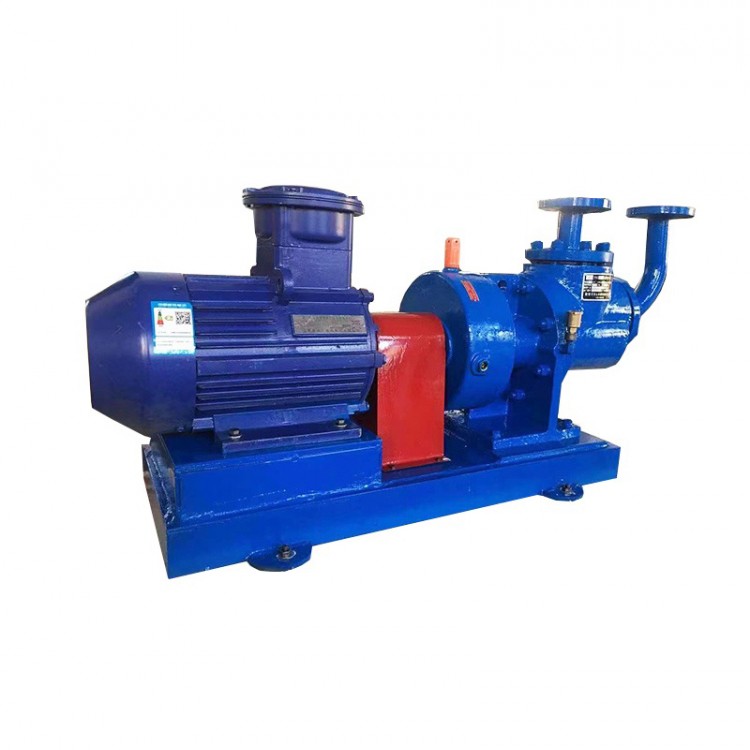
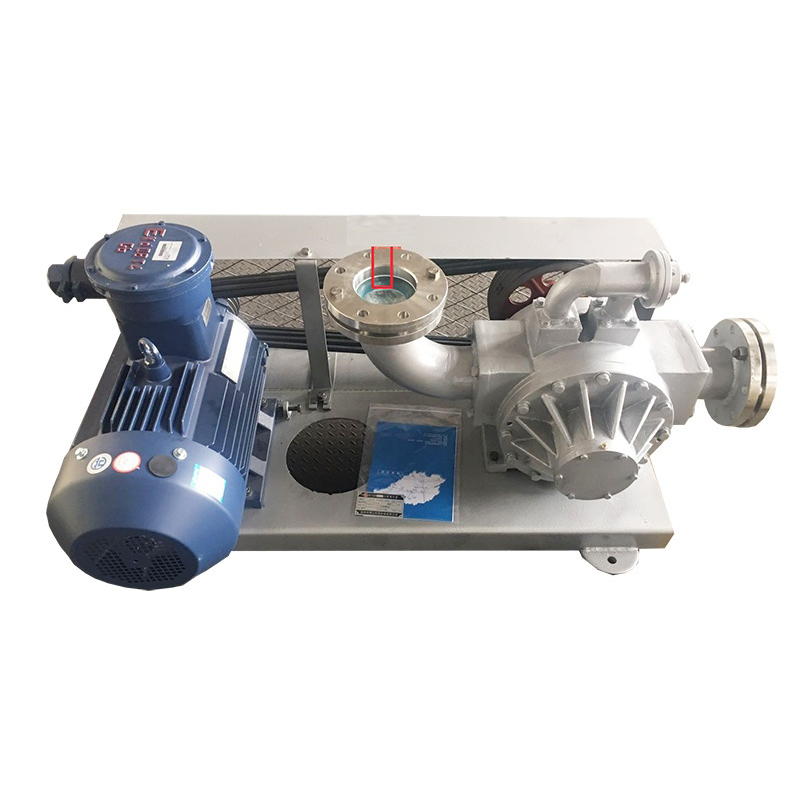
Gas Pumps, Leak-Free Pumps, Acid-Resistant Pumps, Chemica...

Kohai Machinery: Several Misconceptions in Mechanical Seal Maintenance
The greater the spring compression, the better the sealing effect. However, this is not the case. Excessive spring compression can lead to rapid wear of the friction pair and immediate burnout; over-compression causes the spring to lose its ability to adjust the sealing surface of the moving ring, resulting in sealing failure.
Tighter is not always better for dynamic seal rings. In fact, over-tightening can be harmful. Firstly, it accelerates wear between the seal ring and the sleeve, leading to premature leakage. Secondly, it increases the resistance for the dynamic seal ring's axial adjustment and movement, making it impossible to adjust in time during frequent operational changes. Thirdly, excessive fatigue of the spring can cause damage. Lastly, it deforms the dynamic seal ring, affecting its sealing performance.
The tighter the static ring seal, the better. Static ring seals are primarily in a stationary state, and a slightly tighter fit generally results in better sealing. However, being too tight can be harmful. Firstly, it can cause the static ring seal to deform excessively, affecting its sealing performance; secondly, if the static ring material is graphite, it tends to be brittle and can easily fracture under excessive force; thirdly, it can be difficult to install and remove, leading to easy damage to the static ring.
The tighter the impeller locknut, the better. In mechanical seal leakage, leakage between the shaft sleeve and the shaft (inter shaft leakage) is relatively common. It is generally believed that inter shaft leakage is due to the locknut not being tightened properly. However, there are many factors that can cause inter shaft leakage, such as the failure of the inter shaft gasket, misalignment, impurities within the inter shaft, significant positional errors at the shaft and sleeve interface, contact surface damage, gaps between components on the shaft, and excessively long shaft head threads. Over-tightening the locknut will only lead to the premature failure of the inter shaft gasket. Conversely, moderately tightening the locknut ensures that the inter shaft gasket remains compressed and elastic, causing the locknut to automatically tighten at the right time during operation, maintaining a good sealing state between the shafts.
New is better than old. Generally, the performance of new mechanical seals is superior to that of old ones. However, if the quality or material choice of the new mechanical seal is not appropriate, significant size discrepancies can affect the sealing effect. In viscoelastic and permeable media, it is better not to replace the static ring unless there is excessive wear. This is because the static ring remains stationary in the static ring seat for a long time, causing polymers and impurities to coalesce, which provides a better sealing function.
2. In addition to strictly following the installation and operation manual for pump usage, two points should also be noted: KeHai Machinery.
Firstly, avoid relying solely on "experience." For instance, when a pump leaks at the bottom valve, some operators take the easy way out by filling the inlet pipe with dry soil before each startup, then flushing it through to the bottom valve to prevent leaks. While this method appears simple, it is not advisable. Because as the pump starts working, the sand and soil inside the bottom valve will enter the pump with the water, wearing down the impeller, pump casing, and shaft, severely affecting its lifespan. The correct approach should be to inspect and repair the bottom valve, and replace it if it cannot be repaired. Secondly, promptly address any faults to avoid operating the unit "sick." For example, if the pump shaft packing shows severe wear, it should be replenished promptly to prevent air leakage. Air leakage in the pump shaft packing not only leads to excessive energy consumption but also causes cavitation, accelerating the damage to the impeller and directly impacting the pump's lifespan. Moreover, if the pump exhibits severe vibration, it should be immediately shut down for inspection, as a bent or deformed pump could potentially lead to accidents.
3. After a period of use, proper maintenance for the pump unit and piping should be conducted.
Drain all remaining water from pumps and piping.
(2) If it is easy to disassemble, remove the pump and pipeline, and clean them thoroughly.
(3) Inspect ball bearings for wear on the inner and outer shells, play, ball wear, or spots on the surface. Replace any that show signs of wear. Clean usable bearings with gasoline, then apply grease and store.
(4) Inspect for cracks or small holes in the impeller and ensure the fixing nuts are tight. Any damage should be repaired or replaced. Check the gap at the impeller's friction ring; if it exceeds the specified value, repair or replace as necessary.
(5) If the pump and pipes are not disassembled, cover the outlet with a lid to prevent debris from entering.
(6) When not in use, the transmission belt should be removed, washed with warm water, dried, and stored in a location not exposed to direct sunlight. Avoid storing it in areas with oil stains, corrosive substances, or smoke. Under no circumstances should the belt come into contact with machine oil, diesel, gasoline, or other oil-based substances. Do not apply rosin or other sticky substances to the belt. Before use, remove the white powder from the belt's contact surface.
(7) Clean all screws and bolts with a wire brush and apply lubricating oil or soak in diesel for storage.
In summary, in addition to using the pump strictly according to the instructions, proper maintenance and repair should also be conducted to extend the pump's lifespan.
How often should the lubricating grease in the pump bearings be replaced?
Lubrication is a crucial factor for bearings, significantly affecting their performance. The suitability of the lubricant or lubrication method greatly influences the bearing's lifespan. High-quality grease can allow bearings to operate for up to 15,000 hours or two years under normal operating conditions. For pumps with motor power exceeding 18.5KW or in adverse conditions such as high environmental temperatures, high humidity, dust, and corrosive industrial environments, it is advisable to inspect the bearings in advance and schedule grease replacement every 5,000 hours. The amount of grease filling varies depending on the casing structure and volume, generally filling to 1/3 to 1/2 of the volume is recommended. Overfilling can cause grease to deteriorate, age, and soften due to heat generated by stirring. Kehai Machinery


b2b.china9.net © Zhongshang 114 Hebei Network Technology Co., Ltd.Address: Room 6009, Oriental New World Center, No.118 East Zhongshan Road, Qiaoxi District, Shijiazhuang City, Hebei ProvincePlatform Service Hotline: 4006299930