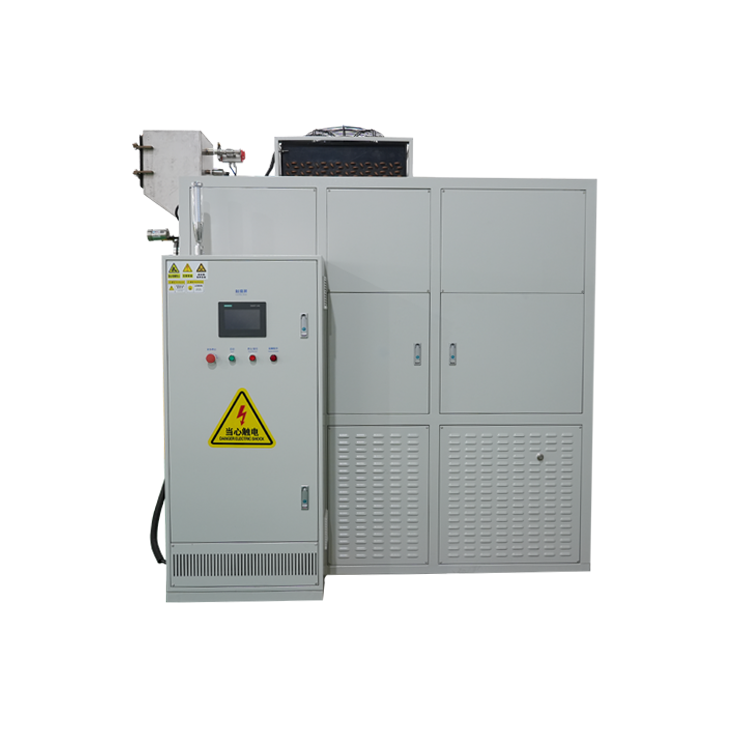
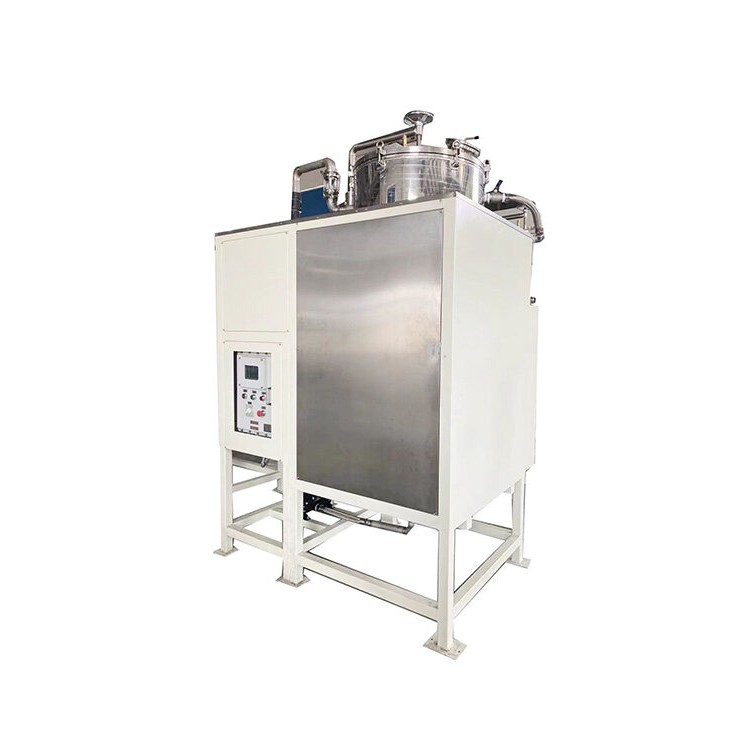
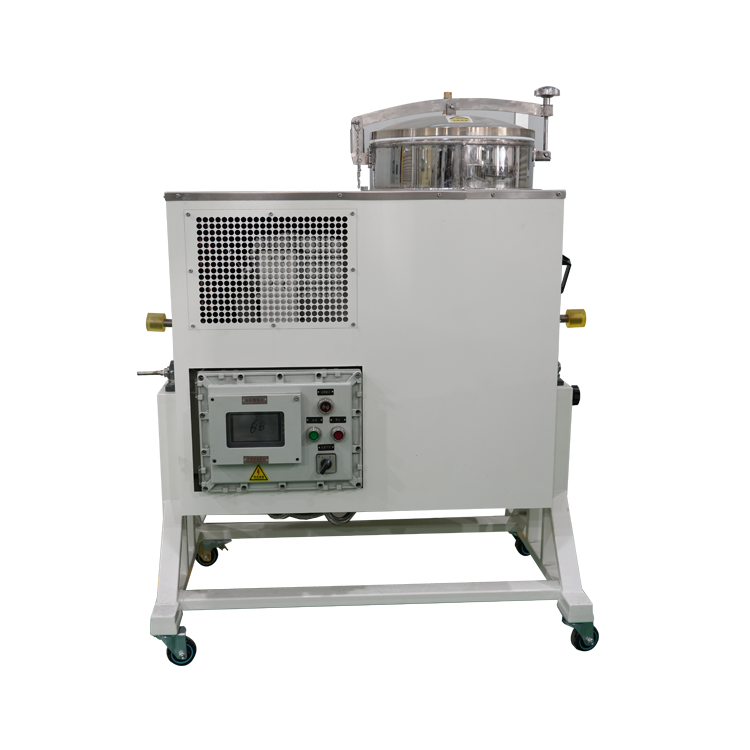
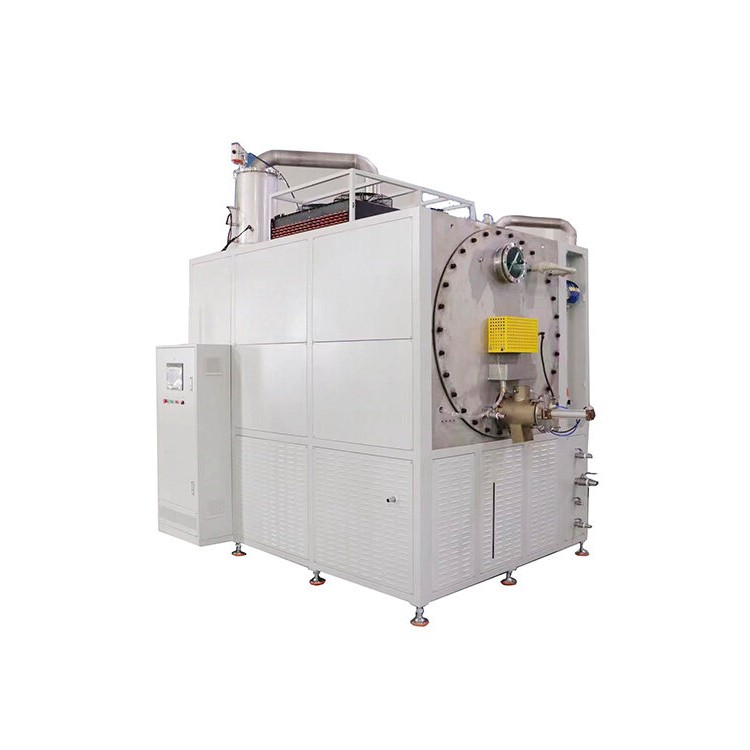
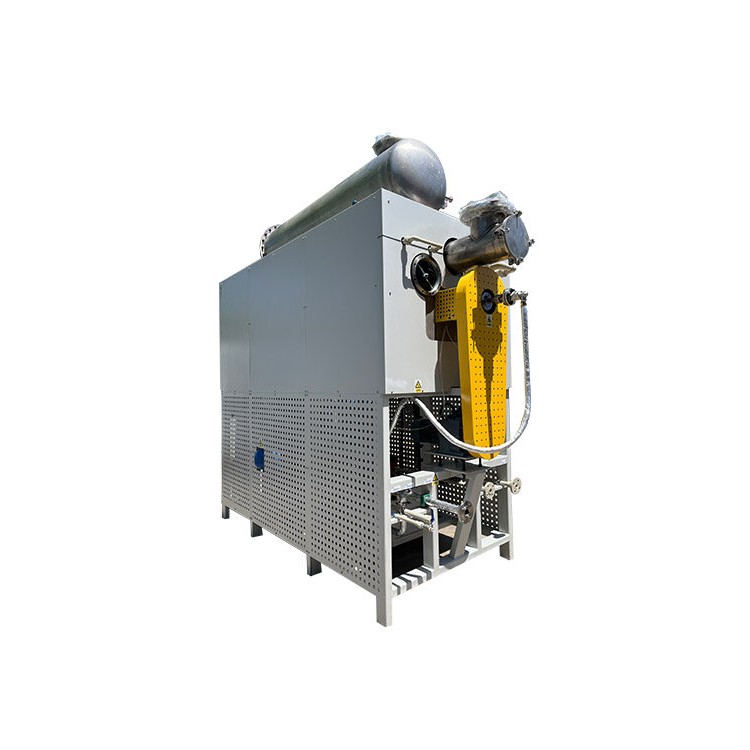
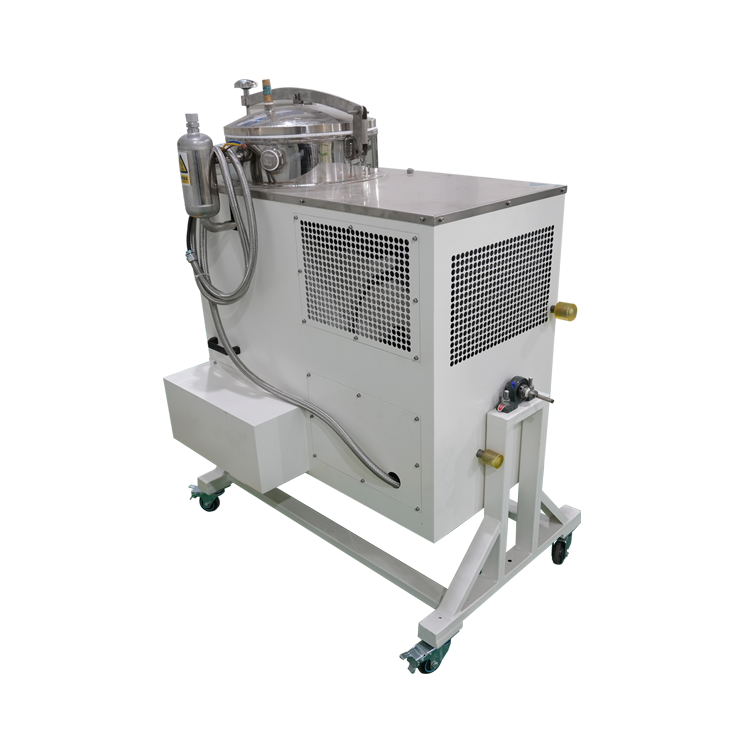
Specializes in manufacturing "BOSSD BoShiDa" brand low-te...

Waste cutting fluid, a type of industrial wastewater containing oils, metal particles, and other impurities, is produced during metal processing. Effective treatment of this wastewater is crucial for environmental protection and resource conservation. Here are several effective treatment methods:
Physical Methods: Solid particles and floating oils in wastewater are removed through processes like precipitation, filtration, or centrifugation. For instance, oil separators can effectively separate oils floating on the surface; while sand filters can remove finer suspended particles.
Chemical Treatment: Utilizing chemical reactions to process harmful substances in wastewater. Common methods include neutralization, oxidation-reduction, and coagulation sedimentation. Coagulation sedimentation involves adding coagulants to aggregate fine particles in the water into larger ones, which then settle.
Biological Method: Suitable for wastewater containing high organic content in cutting fluids. Converts organic matter into harmless substances through the metabolic action of microorganisms. Common biological treatment methods include activated sludge process and biofilm process.
Low-Temperature Evaporator: This is an advanced treatment method, particularly suitable for scenarios requiring zero wastewater discharge. It achieves concentration and purification of waste liquids by reducing the boiling point under vacuum conditions, causing water to evaporate. This method not only effectively reduces the volume of wastewater but also recovers valuable components from it.
The Comprehensive Treatment System: In practical engineering applications, a combination of various methods is typically employed for comprehensive treatment to achieve optimal results. For instance, physical methods are first used to remove most suspended solids and oil contaminants, followed by chemical methods to further purify the water quality, and finally, biological methods to completely degrade organic matter.
In summary, the selection of an appropriate coolant wastewater treatment method should be determined based on specific circumstances, taking into account factors such as the composition and concentration of the wastewater, as well as local environmental protection requirements.


b2b.china9.net © Zhongshang 114 Hebei Network Technology Co., Ltd.Address: Room 6009, Oriental New World Center, No.118 East Zhongshan Road, Qiaoxi District, Shijiazhuang City, Hebei ProvincePlatform Service Hotline: 4006299930