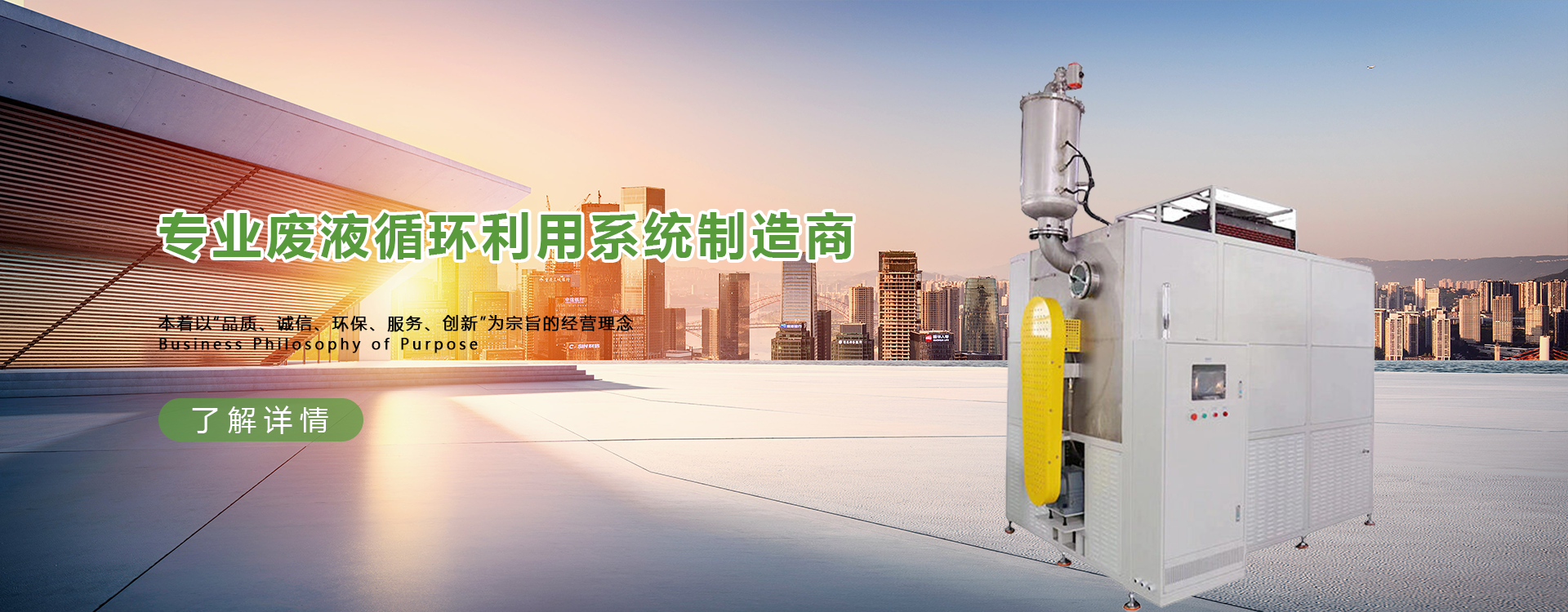
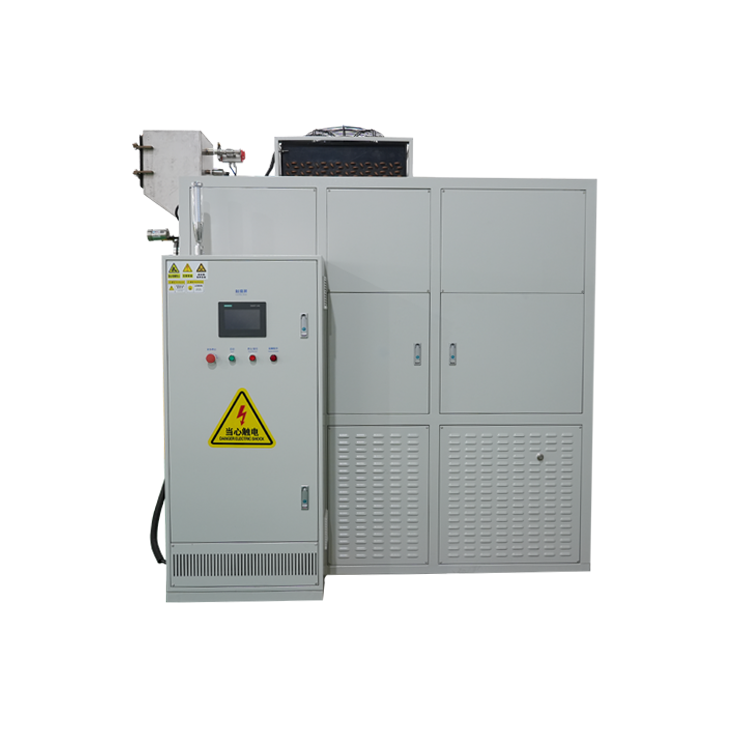
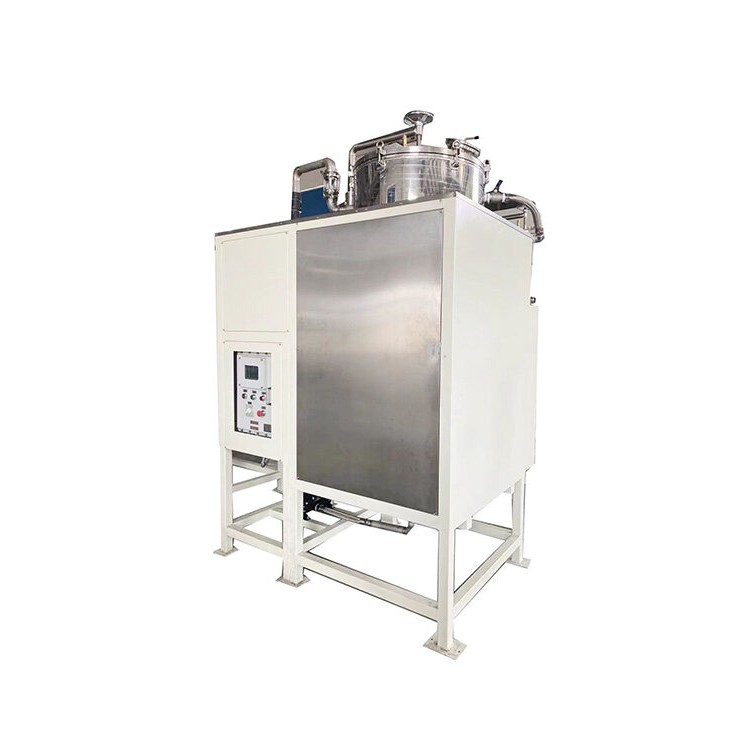
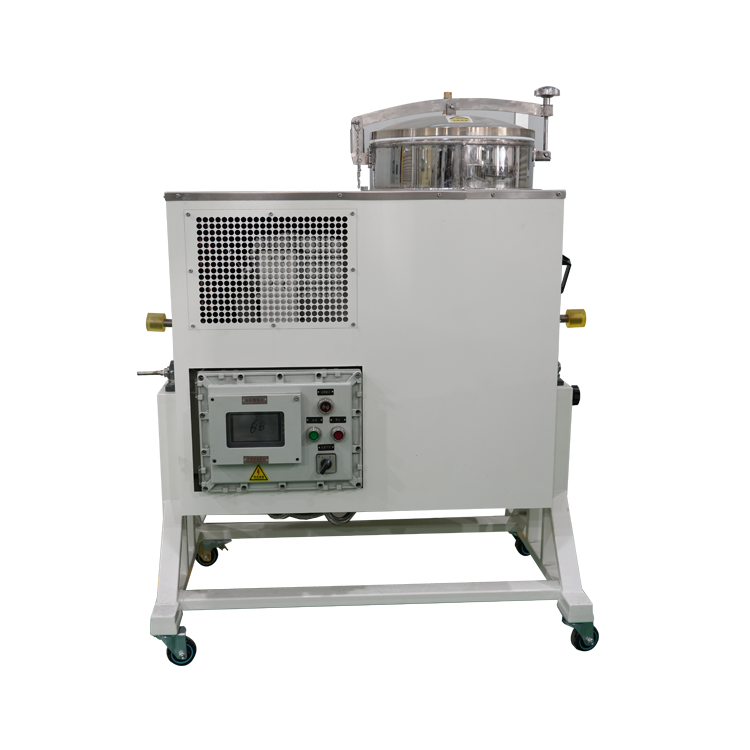
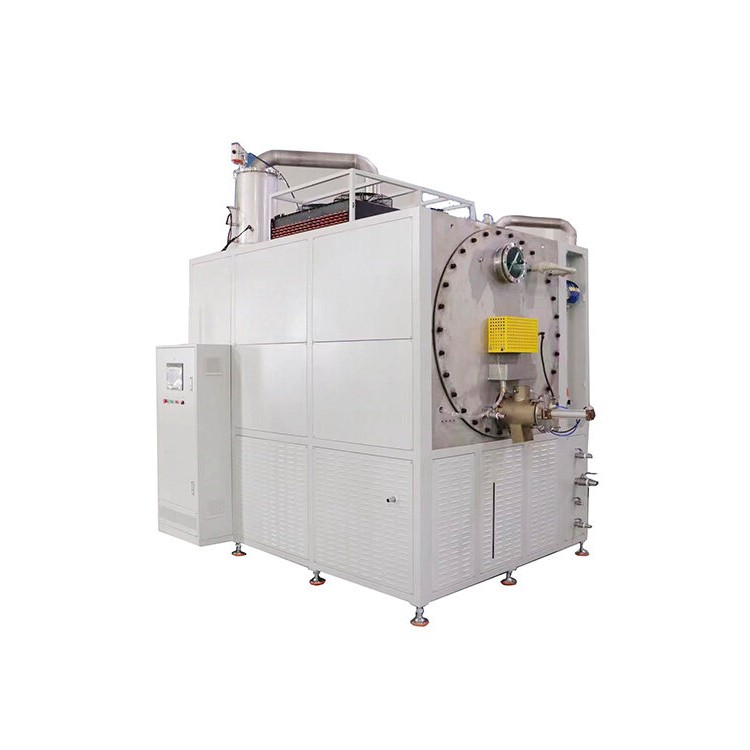
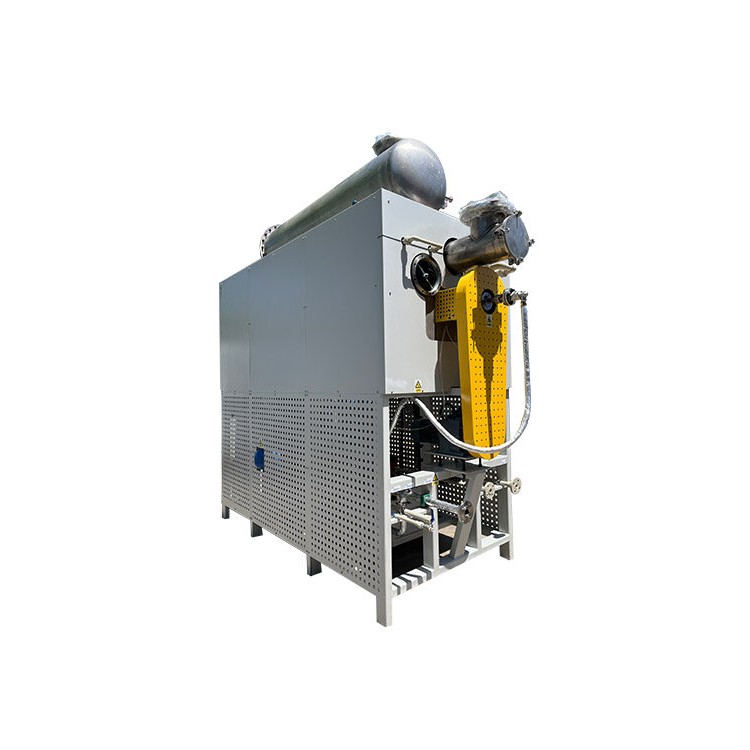
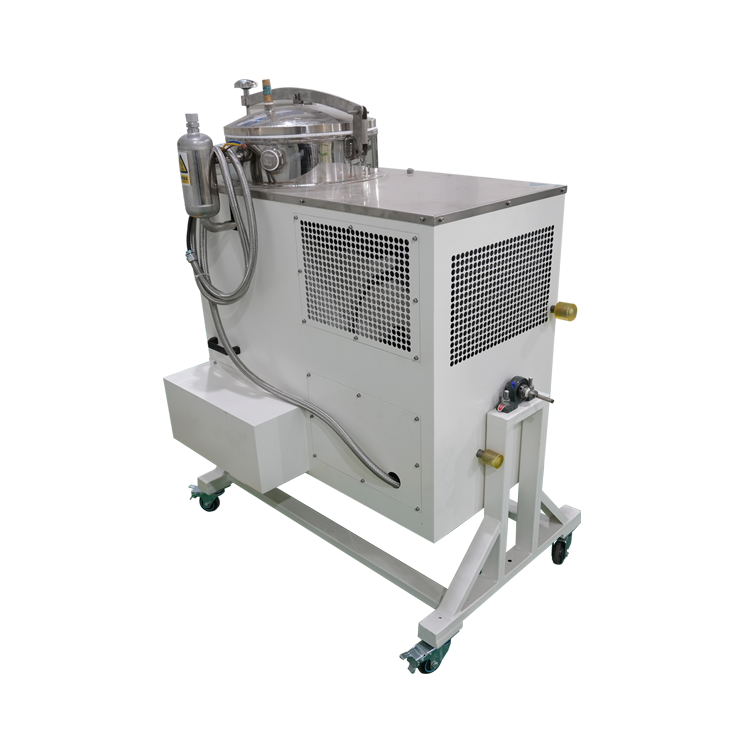
Specializes in manufacturing "BOSSD BoShiDa" brand low-te...

When selecting a low-temperature evaporator, consider the following key parameters:
Understanding the specific chemical composition of the solution to be treated is crucial, as it directly impacts the material selection for the evaporator and its corrosion resistance. Different chemical compositions have varying corrosive effects on equipment, thus appropriate materials must be chosen to ensure the longevity and stability of the evaporator.
Daily Processing Volume: The evaporation unit's processing volume is determined based on actual demand to ensure it meets production or processing requirements. The determination of processing volume takes into account factors such as solution concentration, evaporation rate, and equipment operational efficiency.
Initial and supply solution temperatures: These temperature parameters affect the heating method and energy consumption of the evaporator. When evaporating at low temperatures, special attention must be paid to the thermal stability of the solution to avoid material deterioration or decomposition.
Material Thermal Stability: Due to the low-temperature evaporator's evaporation process under low-temperature conditions, it is suitable for handling heat-sensitive materials. It is essential to ensure that the selected evaporator can complete the evaporation process without damaging the material's properties.
The elevation of solution's boiling point: The increase in solution's boiling point can affect the design and operating conditions of evaporators. When selecting an evaporator, this factor must be thoroughly considered to ensure the equipment operates smoothly and achieves the desired evaporation effect.
Bubble Formation, Surface Tension, and Liquid Viscosity: These physical properties can impact evaporation efficiency and equipment design. For instance, high-viscosity liquids may require a more efficient mixing system to maintain their fluidity and enhance evaporation rates.
Available Heat Sources: The choice of heat sources, such as steam or electricity, can affect the heating method and energy consumption of the evaporator. When selecting an evaporator, it is necessary to determine the appropriate heat source based on site conditions and energy costs.
Cooling Water Conditions: Available cooling water temperature, flow rate, quality, and temperature fluctuations all impact the design and operation of condensers. When selecting an evaporator, these factors must be thoroughly considered to ensure the condenser operates effectively.
pH Value and Corrosiveness: The pH value of the solution is related to the material selection for equipment and linings, particularly for corrosion prevention measures and repair methods. It is necessary to ensure that the material chosen for the evaporator can withstand the corrosive effects of the solution, to guarantee the long-term stable operation of the equipment.
Technical and site conditions: This includes the area and height of the site, investment limitations, operational mode (intermittent or continuous), and investment costs. These factors must be thoroughly considered during selection to ensure the chosen evaporator meets the actual production requirements and aligns with budgetary constraints.
In summary, when selecting a low-temperature evaporator, it is crucial to consider the aforementioned key parameters and determine the appropriate type and specifications based on specific process requirements and the nature of the liquid. Additionally, attention must be given to the maintenance and operational costs, safety and stability, as well as environmental requirements to ensure the chosen evaporator meets production needs and complies with relevant regulations and standards.


b2b.china9.net © Zhongshang 114 Hebei Network Technology Co., Ltd.Address: Room 6009, Oriental New World Center, No.118 East Zhongshan Road, Qiaoxi District, Shijiazhuang City, Hebei ProvincePlatform Service Hotline: 4006299930