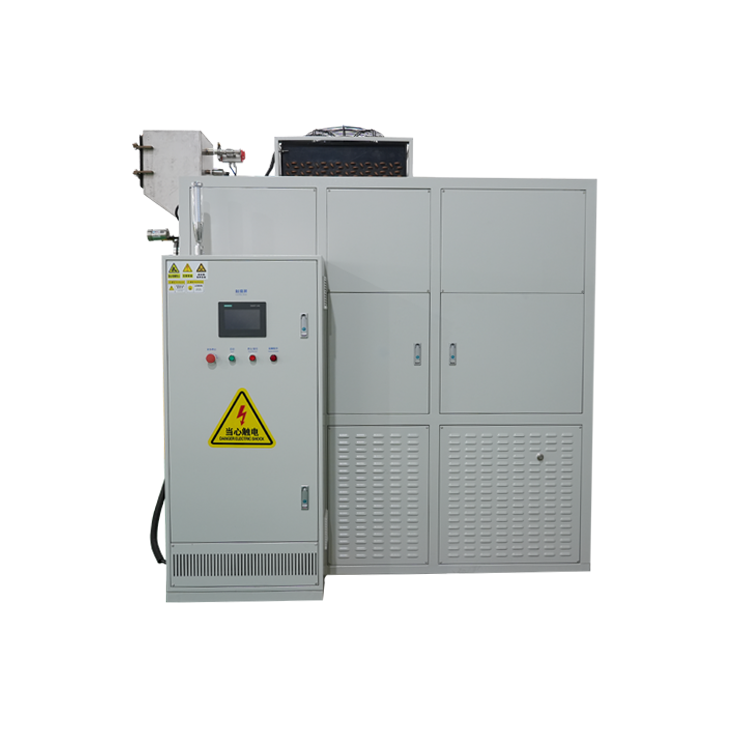
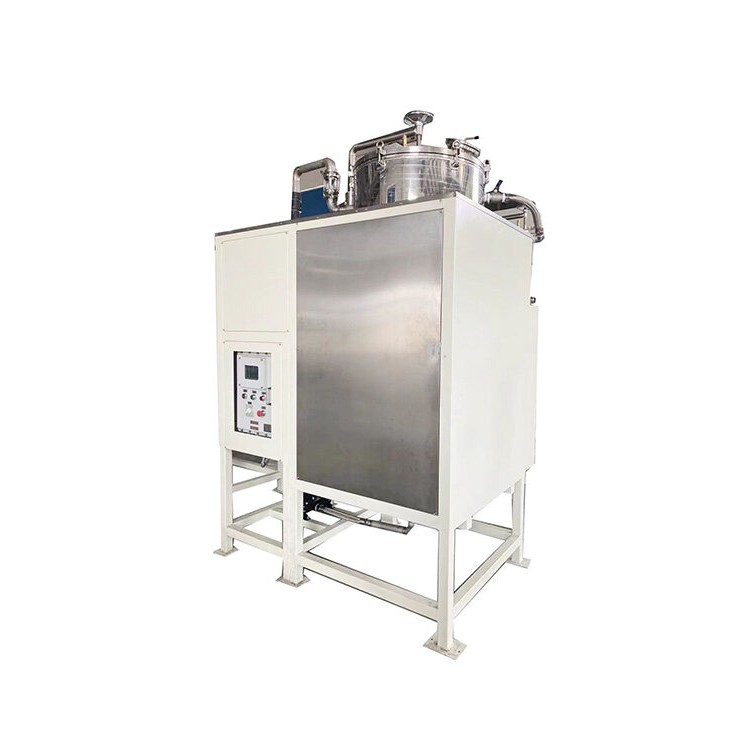
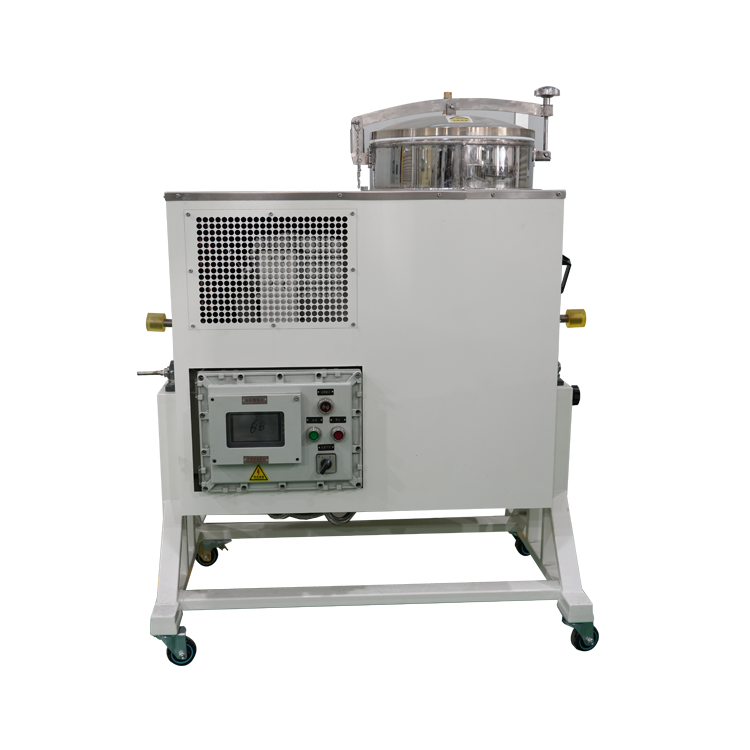
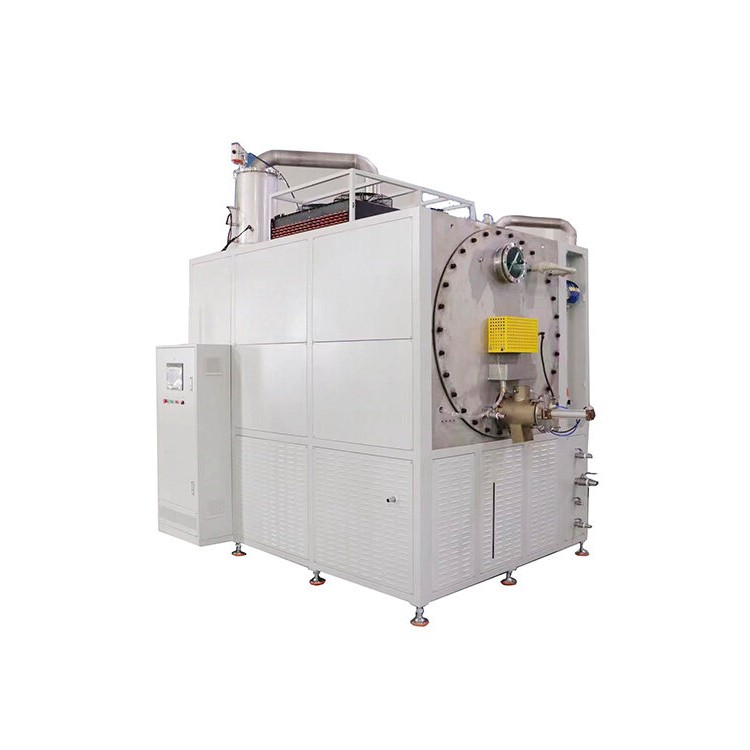
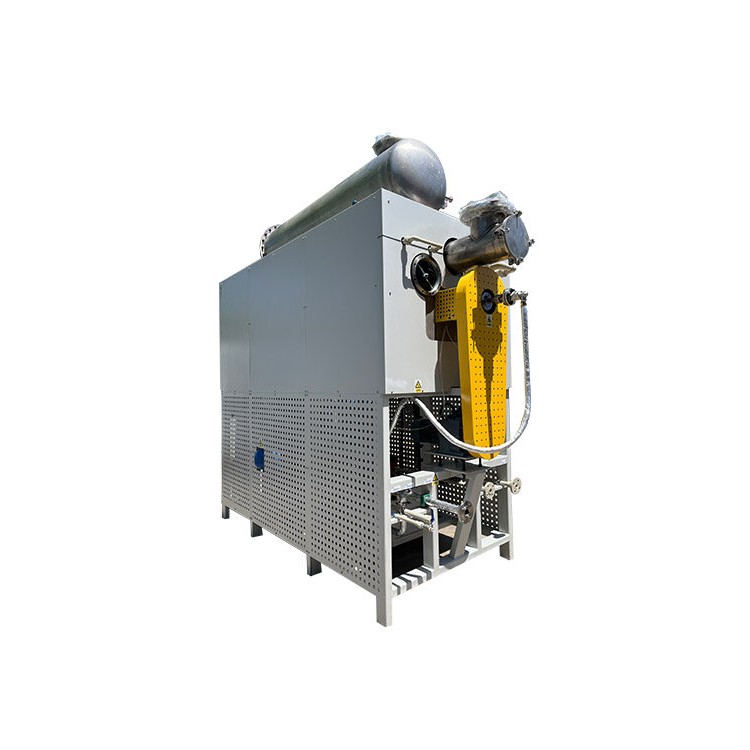
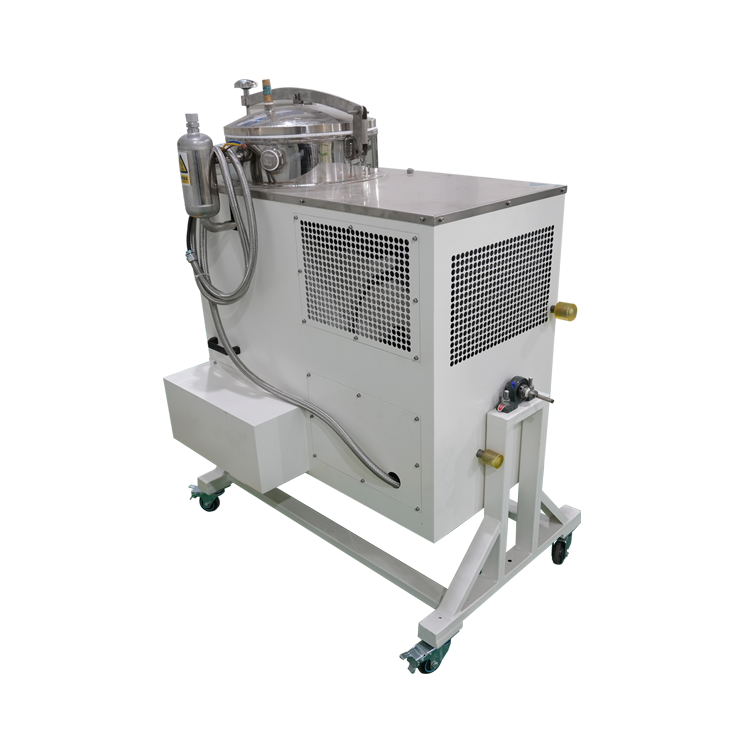
Specializes in manufacturing "BOSSD BoShiDa" brand low-te...

Low-temperature evaporation crystallization equipment is commonly used in industrial and research sectors, particularly in fields such as chemistry, food processing, and other areas requiring control over the crystallization process of substances. The design of these devices is intended to promote the crystallization of solutes by lowering the temperature of the solution, rather than merely evaporating the solvent. Here are some key factors to consider when designing and operating low-temperature evaporation crystallization equipment:
Design Considerations:
Material Selection: Equipment should be made of materials that can withstand low temperatures and corrosion, such as stainless steel or special plastics.
Cooling System: An efficient refrigeration system is essential to ensure quick and stable achievement of the required low temperatures.
Heat Exchanger Design: Heat exchangers should be designed for high heat transfer efficiency while ensuring uniform temperature distribution.
Agitator System: The agitator system helps improve crystal quality, prevent local supersaturation, and reduce crystal aggregation.
Automatic control systems are crucial for maintaining constant operating conditions and monitoring the entire crystallization process.
Capacity and Scale: Design equipment dimensions and capacity based on production requirements.
Insulation and Sealing: Proper insulation and sealing are essential to prevent heat loss and maintain the system's low-temperature state.
Operational Considerations:
Temperature Control: Strictly controlling the crystallization temperature to achieve ideal crystal size and shape.
Solvent Selection: Choosing the right solvent is crucial for the crystallization process, as it depends on the solubility characteristics of the target substance.
Over-saturation Management: Controlling over-saturation to avoid the formation of unwanted fine crystals or impurities.
Agitation Speed: Adjust the agitation speed to optimize the crystal growth environment and prevent crystal breakage or excessive aggregation.
Cleanliness and Sanitation: Maintain equipment cleanliness, particularly in food and pharmaceutical handling, to prevent cross-contamination.
Monitoring and Adjustment: Regular inspection and adjustment of process parameters, including temperature, mixing speed, and solution concentration, etc.
Safety Operations: Adhere to all relevant safety regulations and practice guidelines to ensure the safety of operators.
Overall, designing and operating low-temperature evaporation crystallization equipment is a complex process that requires a deep understanding of physical and chemical principles, engineering design principles, and process control. Through careful design and operation, an efficient crystallization process can be achieved, resulting in high-quality products.


b2b.china9.net © Zhongshang 114 Hebei Network Technology Co., Ltd.Address: Room 6009, Oriental New World Center, No.118 East Zhongshan Road, Qiaoxi District, Shijiazhuang City, Hebei ProvincePlatform Service Hotline: 4006299930