





详情描述
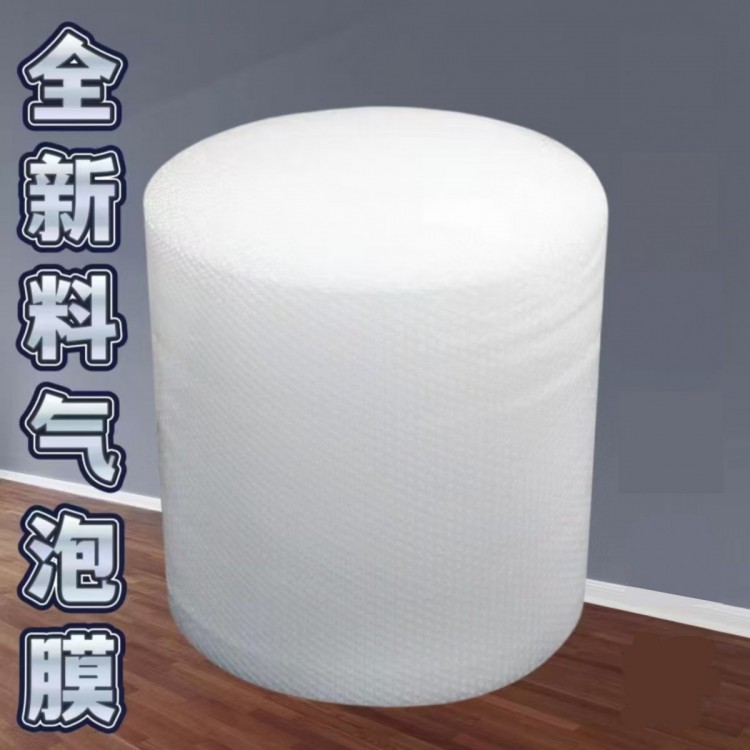
Bubble bag thickness generally correlates positively with cost, meaning the thicker the bag, the higher the cost. The main reasons are as follows:
Material usage increased:Increased bubble bag thickness requires more raw materials, such as high-pressure polyethylene. Taking a common 10mm bubble diameter bag as an example, increasing from 35 grams/square meter to 100 grams/square meter significantly boosts raw material usage, directly leading to higher material costs.
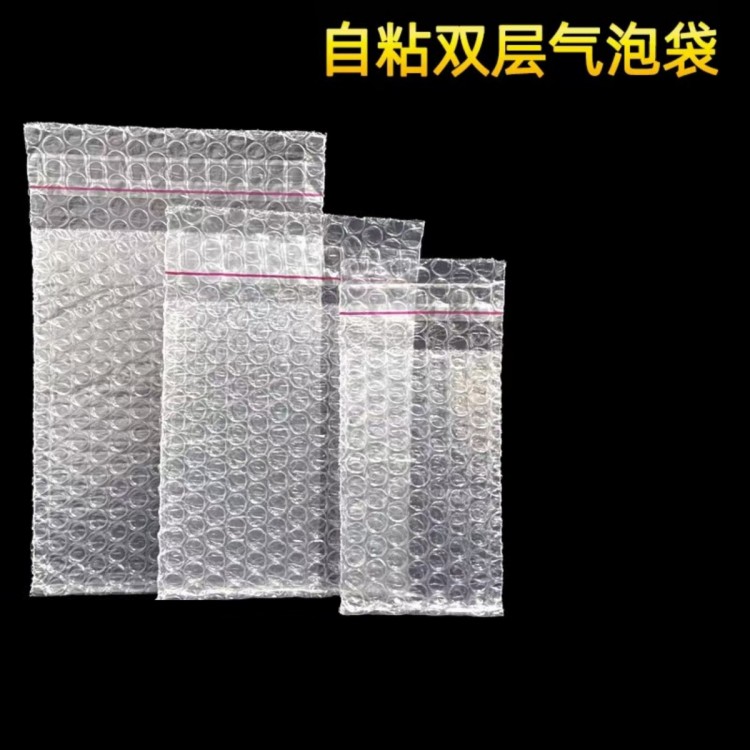
Production process complexity increased:Producing thicker bubble bags requires higher standards of production equipment and technology. To meet the specified thickness, the production process necessitates more precise temperature and pressure control, as well as a higher level of technical expertise. This may increase equipment wear and production time, thereby raising production costs.
Increased transportation and storage costs:Thicker bubble bags are heavier and may also take up more volume, requiring additional space and weight quotas during transportation, which can increase shipping costs. Additionally, they necessitate more storage space when stored, thereby boosting warehousing costs.
However, in actual production, the cost of bubble bags is influenced by various factors such as material, bag specifications, production quantity, and market supply and demand. For instance, bubble bags made from new material are more expensive than those made from recycled material; custom-made bags with special specifications or functions (such as anti-static or moisture-proof) will also incur higher costs.


