




详情描述
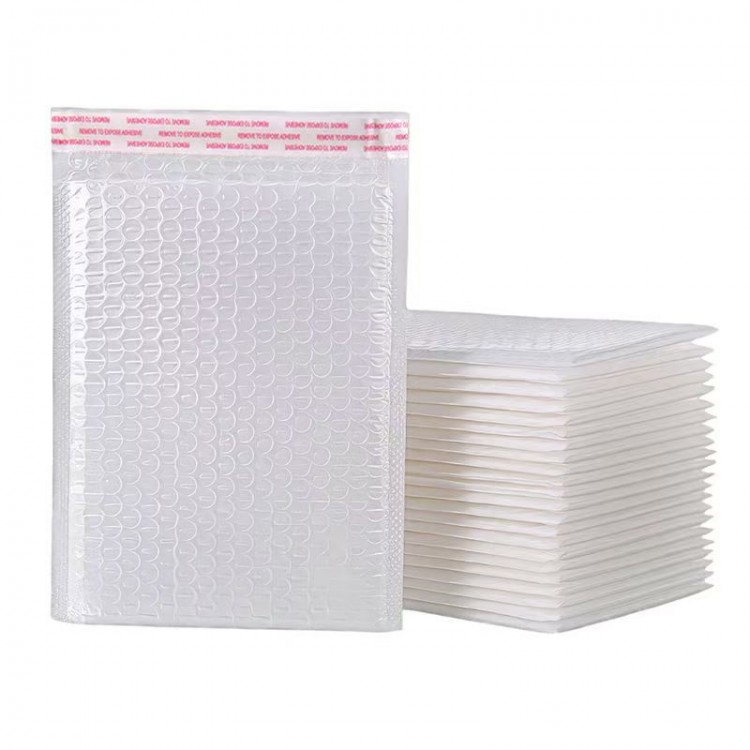
Select the bubble bag thickness that suits your specific needs, taking into account multiple factors, as follows:
Consider the characteristics of the packaged item
Weight:Lighter items such as trinkets and stationery typically require a 3-4 mil thin bubble bag. For heavier items like small electronics and books, a 5-7 mil bubble bag or thicker is recommended for adequate support and cushioning. For large, fragile items like glassware and porcelain, it's suggested to use bubble bags of 7-9 mil or thicker.
Fragility Level:For fragile items such as crafts and precision instruments, opt for thicker bubble wrap to provide enhanced cushioning and protection, reducing the risk of damage from collisions and vibrations during transit. For extremely fragile items like eggs or glass cups, use bubble wrap over 10 mils thick and consider adding extra layers to the package. For non-fragile items like plastic toys or clothing, the requirement for bubble wrap thickness is relatively lower, allowing for the use of thinner bubble wrap.
Combine transportation and storage conditions
Transport Distance:Items transported over long distances are subject to more jostling and collision risks, requiring thicker bubble wrap for enhanced protection. For example, if shipping to a different city or even internationally, it's recommended to choose bubble wrap with a thickness of 5-10 mils, with the specific thickness depending on the item's value and fragility. For short-distance transportation, such as local courier services, bubble wrap with a thickness of 3-7 mils is usually sufficient.
Mode of Transportation:Different transportation methods offer varying levels of protection for items. If shipped via express delivery or logistics, items may undergo multiple loading and unloading, and face greater external impacts, so a thicker bubble wrap, typically 5-10 mils, is recommended. If transported by personal vehicle or with dedicated delivery, the item is subjected to less vibration and collision, allowing for a thinner bubble wrap, around 3-7 mils, to suffice.
Storage Environment:If items need to be stored for an extended period and there's a risk of compression or friction, opting for thicker bubble bags will provide better protection. For instance, when stacking goods in a warehouse, to prevent items on the bottom from being crushed, bubble bags of 5 to 10 mil thickness should be used. If the storage environment is relatively safe, the requirement for bubble bag thickness can be appropriately reduced.
Consider cost factors:Generally, the thicker the bubble bag, the higher the cost. When ensuring the protection of goods, it's crucial to consider cost factors. If bubble bags are used in large quantities, the cost increase can be quite noticeable. For items of low value and not easily damaged, there's no need to always opt for thick bubble bags. Choose moderately thick, more affordable options to control packaging costs. For example, for the packaging of everyday items, bubble bags of 5 to 7 mils can provide adequate protection with lower costs. However, for high-value, fragile items, cost should not be the primary concern, and thick bubble bags that offer reliable protection should be prioritized.
Refer to the specifications and materials of the bubble bags.
Bubble Bag Specifications:Large bubble bags typically require thicker material to ensure their strength and shock-absorbing properties. For instance, bubble bags used for packaging large home appliances must be both large in size and around 7-10 microns thick to effectively protect the appliances from damage during transit. Smaller bubble bags, such as those used for packaging smartphones and headphones, usually only need a thickness of 3-5 microns.
Material:Bubble bags made of different materials exhibit varying performance at the same thickness. For instance, PE material bubble bags are flexible and lightweight, but have lower strength; PVC material bubble bags are harder and stronger, but less flexible than PE. If PE material bubble bags are used for heavier or fragile items, a thicker thickness may be required to achieve the same level of protection. For PVC material bubble bags, a thinner thickness might suffice when protecting items that require higher hardness.


