




详情描述
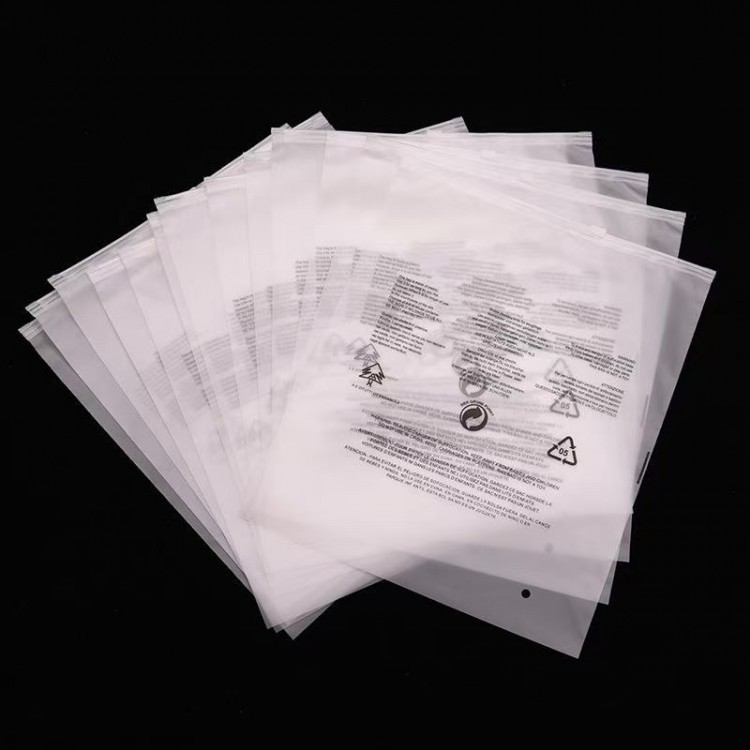
Different types of plastic bags have varying relationships between thickness and load-bearing capacity. Here is an analysis of some common materials:
Polyethylene (PE) bags:Polyethylene (PE) bags offer good flexibility and a certain degree of elasticity. Generally, within a certain range, as thickness increases, so does the load-bearing capacity. This is because increased thickness means more material, stronger intermolecular forces, and better resistance to external pulling and compression. For instance, a common 0.02mm thick PE supermarket bag typically has a load-bearing capacity of around 2-3 kg; a bag with a thickness of 0.03mm may have a load-bearing capacity of up to 3-5 kg.
Polyvinyl Chloride (PVC) BagsPVC bags have a higher hardness, offering good wear and corrosion resistance. Their thickness is positively correlated with their load-bearing capacity, but due to the inherent properties of PVC material, the load-bearing capacity of PVC bags may be slightly higher than that of PE bags at the same thickness. For instance, a 0.03mm thick PVC bag can bear up to 4-6 kg. However, PVC bags may release harmful substances in high-temperature environments, and are generally not used for high-temperature food packaging or long-term contact with oily foods.
Polypropylene (PP) bags:PP bags offer high strength and rigidity; their thickness is directly related to their load-bearing capacity. Thicker PP bags can bear heavier weights and are commonly used for packaging heavier items such as hardware tools, books, etc. For instance, a PP bag with a thickness of 0.05mm may have a load-bearing capacity of about 8-10 kg. Additionally, PP bags exhibit excellent water and chemical resistance, making them suitable for use in various environments.
Polyvinylidene Chloride (PVDC) bagsPVDC bags excel in barrier and preservative properties, while also boasting high strength and toughness. As the thickness increases, their load-bearing capacity also significantly improves. Due to the higher cost of PVDC material, it is generally used for packaging of foods and pharmaceuticals that require high preservation and sealing. For instance, a PVDC bag with a thickness of 0.04mm might have a load-bearing capacity of about 5 to 8 kilograms, effectively protecting the contents from external influences. The thickness and load-bearing capacity of bags made from different materials generally show a positive correlation, but due to differences in molecular structure and physical properties, bags of the same thickness made from different materials may have varying load-bearing capacities. When selecting bags, it's necessary to consider the actual weight, characteristics, and usage environment of the packaged items, as well as the material and thickness of the bags, to ensure the safety and reliability of the packaging.


