




详情描述
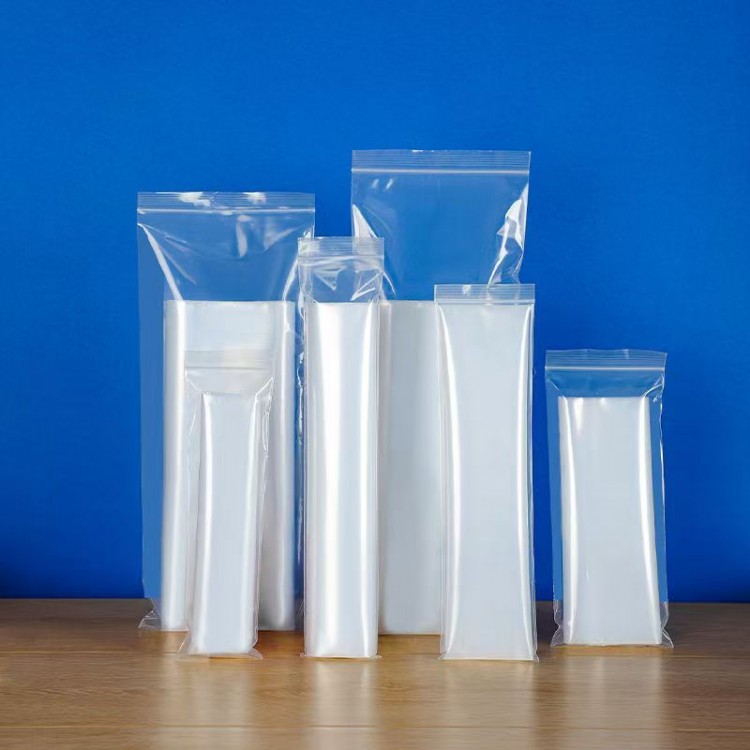
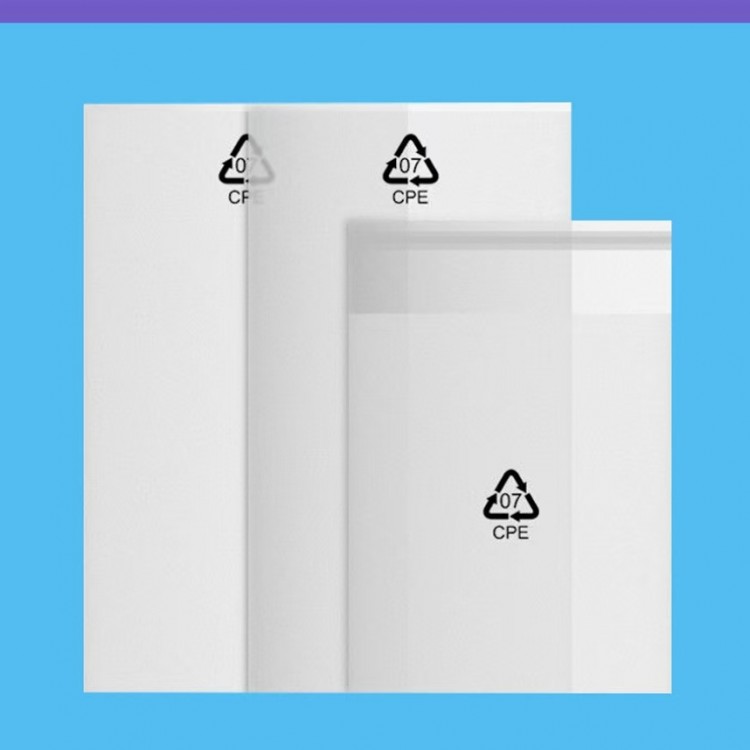
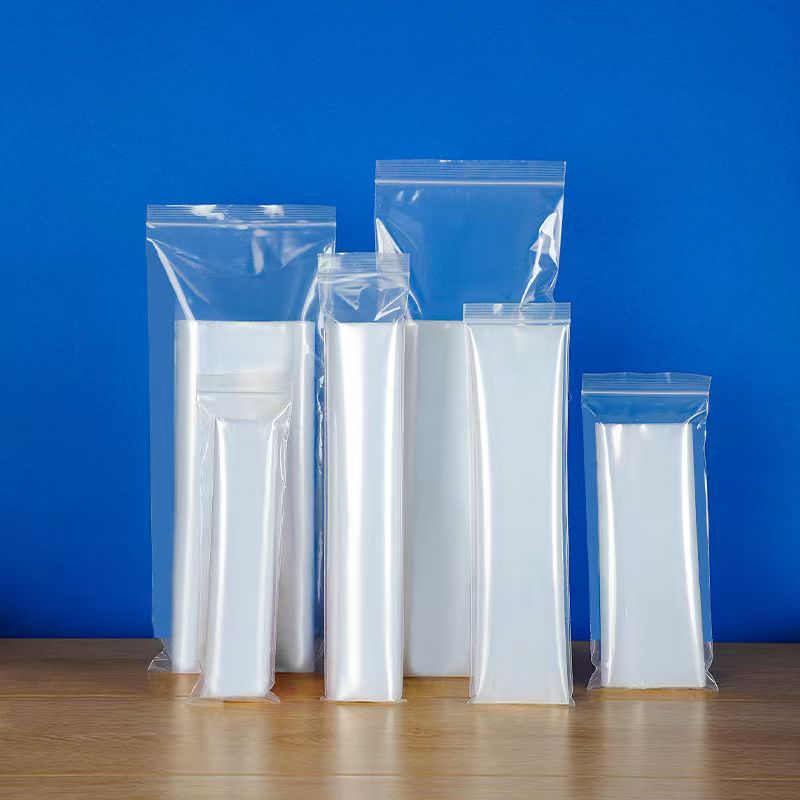
Selecting the appropriate adhesive bags with the right stickiness and thickness requires considering the following aspects:
As per usage requirements
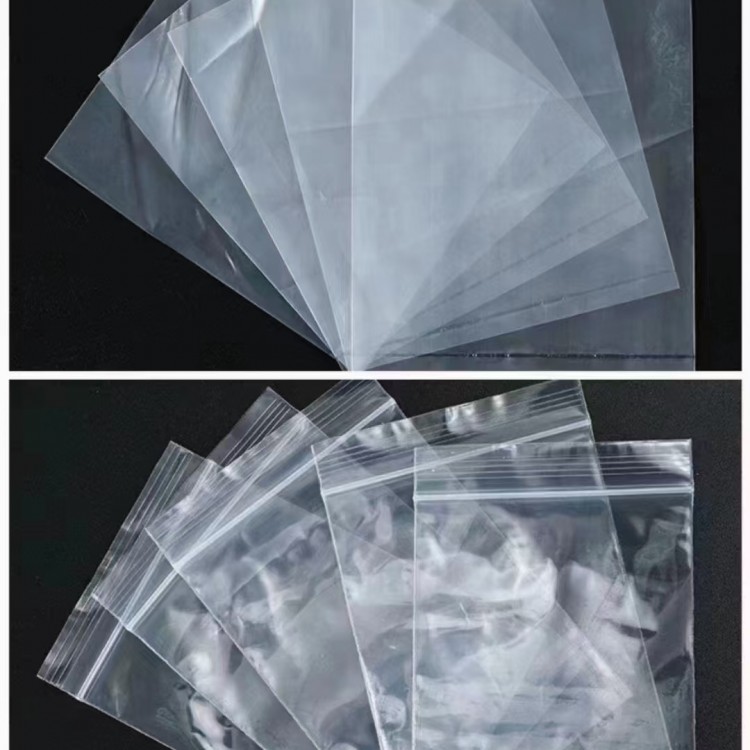
- Packaging Items: For items that are lightweight and do not require high-sealability, such as stationery and small daily necessities, opt for thin (about 10 mils) and moderately adhesive plastic bags. For heavier items like hardware tools and books, choose thicker bags (16-20 mils) to prevent tearing, and ensure good adhesion for tight closures during handling. For items with high hygiene and sealability requirements, like food and medicine, select bags with strong adhesion and appropriate thickness to ensure a good seal, such as self-sealing bags made of polyethylene (PE) with specifications ranging from 12 to 20 mils. - Usage Environment: In humid conditions, plastic bags tend to absorb moisture, which may affect their adhesion, so choose bags with strong adhesion and moisture resistance, such as PE bags treated with a special coating or made from inherently moisture-resistant materials. In high-temperature environments, like packaging hot food or in high-temperature workshops, select bags made of polyvinylidene chloride (PVDC) that maintain good adhesion and sealability at high temperatures.
Consider the material of the bags
- Polyethylene (PE): Offers excellent flexibility, low-temperature resistance, and chemical stability; odorless and tasteless, meeting food packaging hygiene standards. PE bags generally have moderate adhesiveness, suitable for packaging a variety of items. The thickness range is wide, from around 10 microns for lightweight items to 20 microns or more for heavy items or those requiring high-seal packaging. - Polyvinyl Chloride (PVC): High corrosion and transparency resistance, with relatively good adhesiveness; however, it may release harmful substances at high temperatures, so it's generally not used for high-temperature food packaging or long-term contact with oily foods. PVC bags typically range in thickness from 10 to 20 microns, and can be selected based on specific requirements. - Polyvinylidene Chloride (PVDC): Excellent barrier and preservation properties, effectively preventing oxygen, moisture vapor, and odors from entering; good heat resistance, suitable for packaging that requires high preservation and sealing, such as food and pharmaceuticals. PVDC bags usually have a thickness of around 15 to 25 microns, with strong adhesiveness, providing a good seal on packaging items.
View Product Information and Test
- Product Label: Genuine product labels will indicate the material, thickness, and adhesiveness of the bags. Thickness is generally measured in "mils," with 1 mil = 0.01 millimeters. Adhesiveness may be described using terms like "high adhesion" or "medium adhesion." Also, check for relevant quality certification symbols, such as certifications for food-grade packaging, to ensure product quality meets requirements. - Actual Testing: If possible, conduct some simple tests. For instance, after packaging items in the bags, observe the sealing effect to see if it effectively prevents items from falling out or getting damp. For adhesiveness testing, gently peel open the bag's seal to feel its adhesion level. If it's easy to peel and the seal can reattach tightly, the adhesion is moderate; if it's difficult to peel or the seal doesn't fit well after peeling, consider whether the adhesion is too strong or too weak. Additionally, you can stretch the bag to a certain extent to see if it's prone to bursting, which helps determine if the thickness and material meet the strength requirements.


