




详情描述
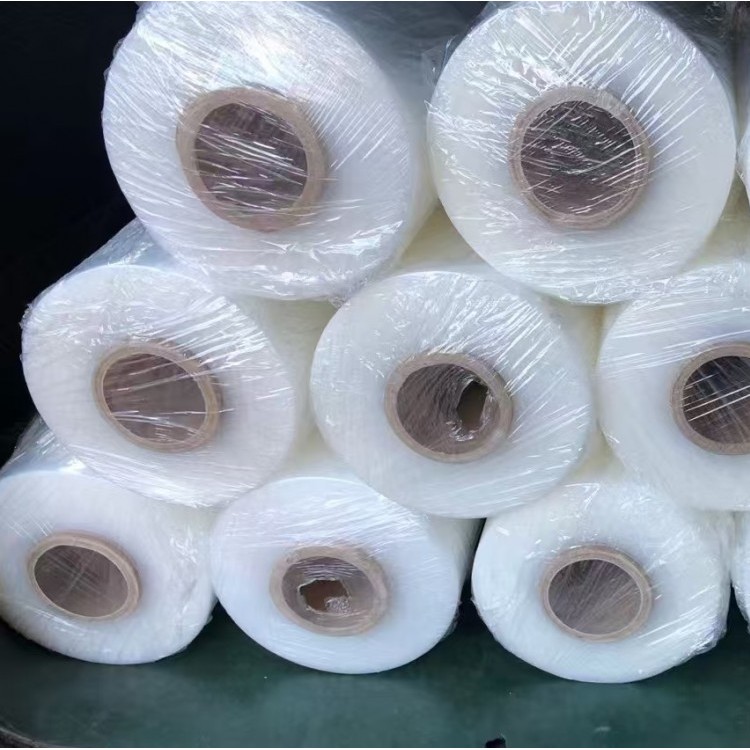
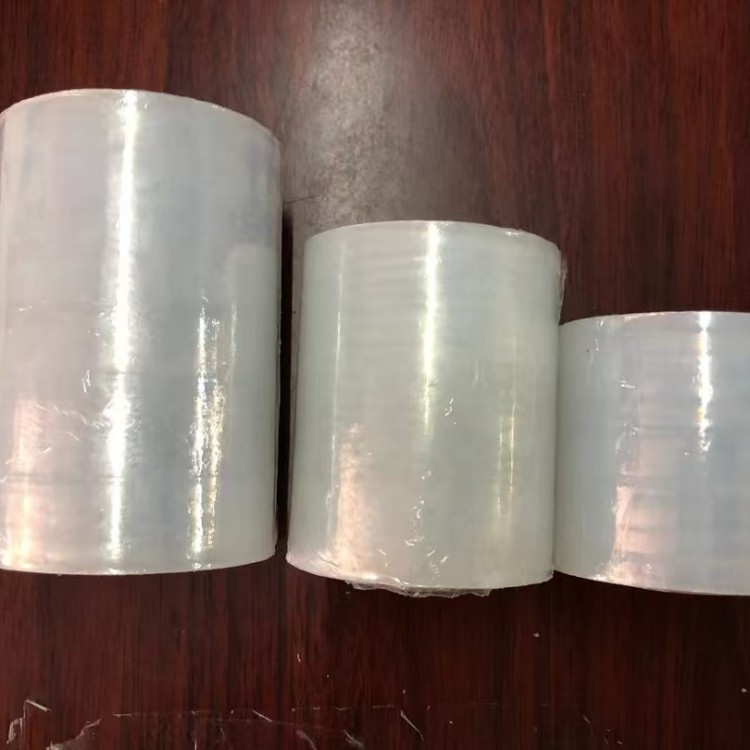
The adhesiveness of the shrink wrap is one of its core properties, directly affecting the packaging effectiveness, ease of use, and product safety. Below is a specific analysis of the impact of adhesiveness on the performance of shrink wrap usage:
I. The Impact of Adhesiveness on Packaging Effectiveness
Tightness and stability
Medium tackinessAdheres closely to the surface of the goods, with each layer of film bonded together to form a sturdy overall packaging, preventing loosening and collapse during transportation.
Insufficient adhesionThe interlayer slides easily, leading to loose packaging and inability to secure sharp or irregularly shaped goods, increasing the risk of product damage.
Excessive stickinessExcessive adhesion of the coating may tear the goods or packaging materials, especially fragile items (such as glass, ceramics) which are prone to difficulty in disassembly due to excessive stickiness.
Protection Performance
Waterproof and dustproofExcellent adhesion ensures seamless wrapping of the film, blocking moisture and dust intrusion, thus protecting the quality of the goods.
Anti-theft and anti-tamperingHigh-tack film increases the difficulty of illegal unpacking, suitable for high-value goods.
II. The Impact of Adhesiveness on Usage Scenarios
Logistics Transportation
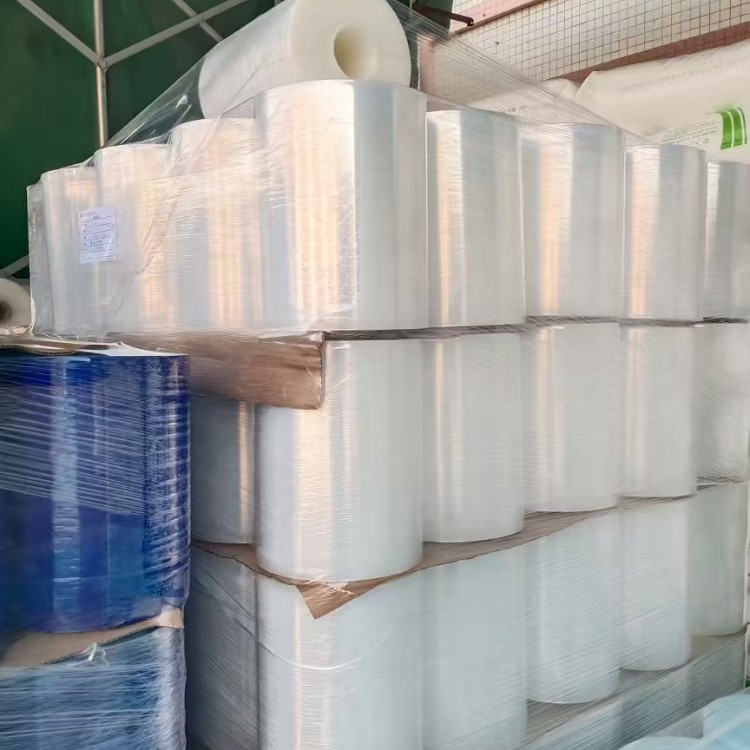
Pallet PackagingThe adhesiveness needs to be balanced between firmness and ease of disassembly. For transporting food or fragile items, the adhesiveness should be moderate to prevent compression damage; for industrial parts, a slightly stronger adhesiveness is advisable to ensure stable stacking.
Box ReinforcementThe adhesive must be less sticky than the tape to prevent damage to the cardboard box during peeling, while also providing waterproof protection.
Warehouse Management
Long-term storageThe adhesive must be durable to prevent film aging and detachment. Chemical products require storage with anti-corrosion adhesive films to prevent chemical gas permeation.
III. The Impact of Adhesiveness on Unfastening Convenience
Manual disassembly efficiency
Moderate stickinessOne-handed tear-open, suitable for high-frequency unpacking logistics scenarios.
Excessive stickinessNeed knife assistance, which increases labor costs and the risk of goods being scratched.
Automated Disassembly
Adhesive must be even.Ensure the robotic arm or cutting equipment can stabilize the separation of the film layers to avoid film jamming and prevent production line interruptions.
Section 4: Adhesive Residue Issues
Residual Risk
Low-quality filmExcessive addition of thickening agents (such as PIB) can lead to easy delamination and bonding of film rolls, leaving residual gooey substances upon separation, which may contaminate the surface of the goods.
High-temperature environmentAccelerate adhesive migration, store film in a cool, dark place (recommended 15-25°C) to prevent adhesive failure or residue.
Solution
Select High-Quality FilmAdd 1-3% of PIB masterbatch to balance viscosity and residual risk.
Pre-treatmentCheck the adhesive of the film roll before use, avoid storage beyond the expiration period (typically a 3-day bleed-out period for PIB).
V. Procurement Recommendations
Select as required
Food/E-commerceChoose low viscosity pre-stretched film (15-20μm) for easy tearing and material savings.
Industrial/Materials ConstructionSelect high viscosity thick film (30μm or above) to enhance puncture resistance.
ElectronicsSelect hypoallergenic, residue-free films that meet FDA or ROHS standards.
Test and Verify
Laboratory TestingTest the peel adhesion (ASTM D1876 standard) and lap shear adhesion (ASTM D3330 standard) to ensure balanced performance.
On-Site TrialConduct small-batch testing to evaluate packaging effectiveness, observe the post-shipment damage rate and residue after disassembly.


