
Foreword
Boilers are crucial production equipment in power plants. The water-cooled wall tubes inside the boiler are subject to erosion from flue gas, coal ash, and flames over long periods of service, leading to wear and corrosion. This can cause localized thinning of the tube walls. Under the pressure and high-temperature steam inside the tubes, this can result in severe accidents such as tube bursts and leaks. Unlike general pipeline leaks, boiler leaks cannot be repaired during operation and often require shutdown for emergency repairs, resulting in significant economic losses. Therefore, power plants place great importance on effectively reducing and preventing boiler tube bursts. It is of great significance to be able to inspect the water-cooled walls using a crawling robot during short-term shutdowns without the need to fully assemble the furnace frame.
Type of corrosion in power plant boiler water wall
Internal wall underfoul corrosion
When the heating surface of the water-cooled wall tube is affected by oxide formation due to underfilm corrosion, the steam flow will slow down or stagnate, leading to a reaction and the formation of a magnetic iron oxide film (Fe3O4) on the metal surface, known as "steam corrosion." If the resultant steam corrosion gas is not quickly carried away by the airflow, it will react with the surface of the steel pipe, causing decarburization and making the steel brittle, hence also referred to as "hydrogen corrosion."
Internal wall corrosion is essentially a chemical reaction process, with higher local temperatures leading to more intense reactions. The byproduct, hydroxide residue, slows down the local steam flow, further promoting the aforementioned reactions. Underfilm corrosion generally occurs on the inner wall of the boiler's water-cooled wall tubes on the fire side, with a destructive pattern resembling shells. Once underfilm corrosion occurs, it progresses deeper, leading to wall perforation and cracking. Additionally, the steel surface in the corroded area is covered with a loose iron oxide layer, causing poor thermal conductivity of the wall, resulting in localized overheating. This can lead to material creep and, in extreme cases, the wall may bulge outward and crack.
During inspections at multiple power plant boilers, the following main characteristics of defects in the inner walls of the water-cooled wall tubes were observed:
Defects are mostly corrosion pits, with fewer cracks.
All corrosion pits occur on the fire side, with the middle section being the most prevalent.
The size and depth of the corrosion pits vary, developing over time of service.
Irregular distribution on the furnace wall. If a pipe bursts in one area, and the nearby pipes are all intact upon inspection, another pipe will burst elsewhere after some time of operation.
2. External wall high-temperature corrosion
The primary cause of external corrosion on water-cooled walls is the smoke composition near the water-cooled walls and the tube wall temperature. Specifically, due to the flame temperature near the burner, which can reach about 1400°C, there is a higher amount of corrosive gases emitted from the mineral components of coal, creating conditions for corrosion on the heating surface. Additionally, the heat flux density and temperature gradient near the water-cooled wall tubes in the burner area are significant, with tube wall temperatures often reaching 400-450°C, which also plays a considerable role in the high-temperature corrosion of the tube walls.
Boiler water wall tubes undergo oxidation reactions under the action of oxygen and sulfur, leading to high-temperature corrosion. When flue gas and ash layer contain corrosive elements, the tubes will corrode, potentially even causing tube bursts.
High-temperature corrosion on the water wall of coal-fired boilers typically belongs to硫化物型high-temperature corrosion, mainly caused by H2S gas in the flue gas. When the oxygen content in the flue gas in the combustion zone is low and there are reducing gases (such as CO, H2, etc.), sulfur and chlorine in the coal will generate H2S and HCI gases, which, when combined with steam, form corrosive acidic gases. These gases react with the oxide layer on the wall metal, thereby damaging the protective film on the metal surface.
Additionally, low nitrogen oxygen combustion under current environmental protection requirements is a significant cause of high-temperature corrosion.
Section II: The Dangers of Water Wall Corrosion
The water-cooled walls of the power plant operate under extremely harsh conditions, experiencing wear, cracking, high-temperature corrosion, scaling, and other issues. Failure to identify these problems promptly may lead to accidents.
According to relevant statistics, 60% of non-stop accidents in thermal power units are caused by the explosion of the "four pipes" in the boiler, and 75% of these explosions are due to corrosion and wear of the water-cooled walls.
Nearly 80% of large-scale power station boilers in our country are affected by high-temperature wall corrosion. This type of corrosion can cause the wall thickness of the water-cooled panels to continuously thin and the material strength to decrease, potentially leading to pipe bursts and leaks in the water-cooled panels, threatening the safe and normal operation of the entire boiler. Any unplanned shutdown incidents would result in significant economic losses for the power plant.
Therefore, the prevention and control of high-temperature corrosion in boilers is essential for their safe and stable operation. Regular inspections of the water-cooled walls can promptly detect issues, preventing accidents from occurring.
Section 3: Traditional Detection of Water-Cooled Wall Corrosion
Current domestic inspection methods for boiler water walls mainly involve manual scaffolding or lifting platforms. External wall inspections are primarily conducted visually and by touch, with ultrasonic thickness gauges used to measure the wall thickness and locate corrosion areas. Internal wall inspections use ultrasonic thickness gauges or pipe-cutting endoscopes to check for internal corrosion.
The dust inside the boiler furnace is significant, and it's necessary to wait for the furnace to cool down to room temperature before setting up scaffolding. The manual inspection of the water-cooled wall is challenging, labor-intensive, slow-paced, and costly. Moreover, human factors and incomplete data can lead to missed inspections. Additionally, boiler water-cooled wall maintenance is a high-altitude operation in a confined space, posing a high risk. A fall from height could result in severe consequences for both individuals and the company.
Section 4. Water-Cooled Wall Crawling Robot Inspection
4.1 Introduction to Water-Cooled Wall Crawler Robot Inspection
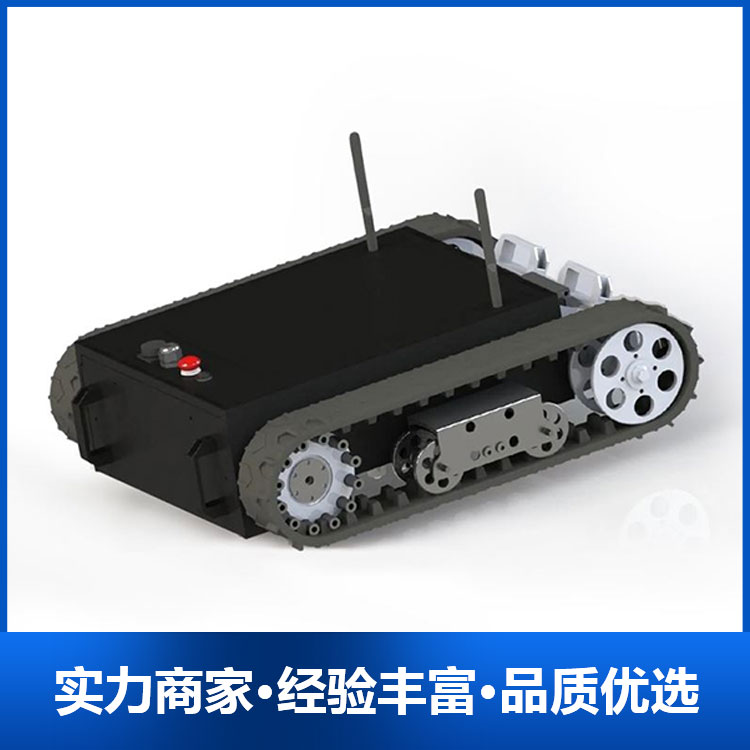
Our company has conducted research on the issue of manual inspection for water-cooled walls. Through on-site investigations at power plants and multiple practical trials of the design, our R&D team has successfully developed a water-cooled wall climbing robot. The climbing robot can replace manual inspections of water-cooled walls, utilizing permanent magnet technology to adhere to the walls and move along them. It accomplishes tasks such as cleaning the floating ash from the water-cooled wall pipes, descaling, inspecting the exterior of the pipes, automatically measuring the wall thickness, and locating defects, all through real-time high-definition video. This has achieved intelligent, multi-directional detection of wear and explosion prevention for power plant water-cooled walls, which is of great significance in promoting safe operation of power plants and saving time and costs.
4.2 Composition and Principle of Water-Cooled Wall Crawling Robot
Robots feature a magnetic adhesive structure, enabling reliable climbing within the furnace chamber with a vertical tensile force exceeding 200kg. They can also be modularly assembled for various tasks, including driving walking mechanisms, detection systems, cleaning devices, and display controllers.
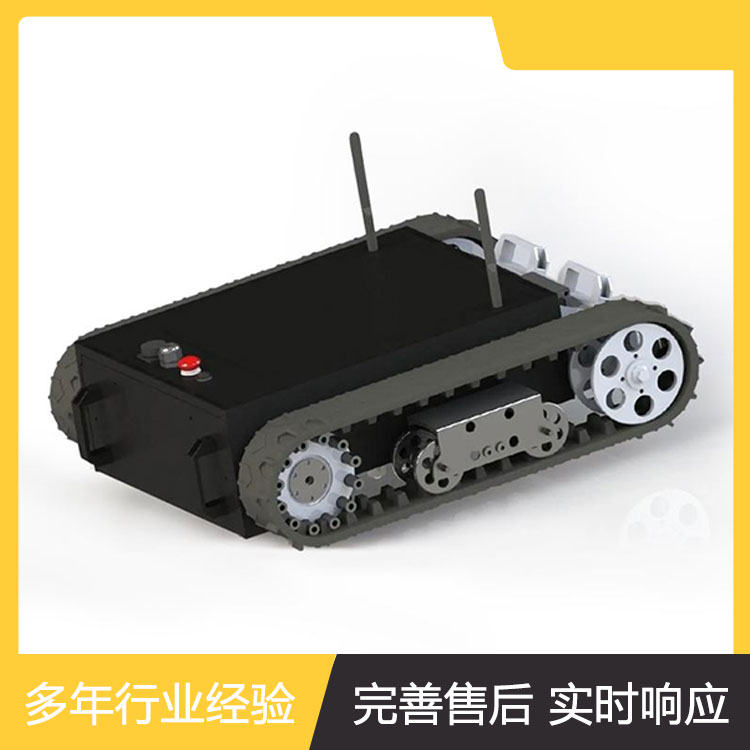
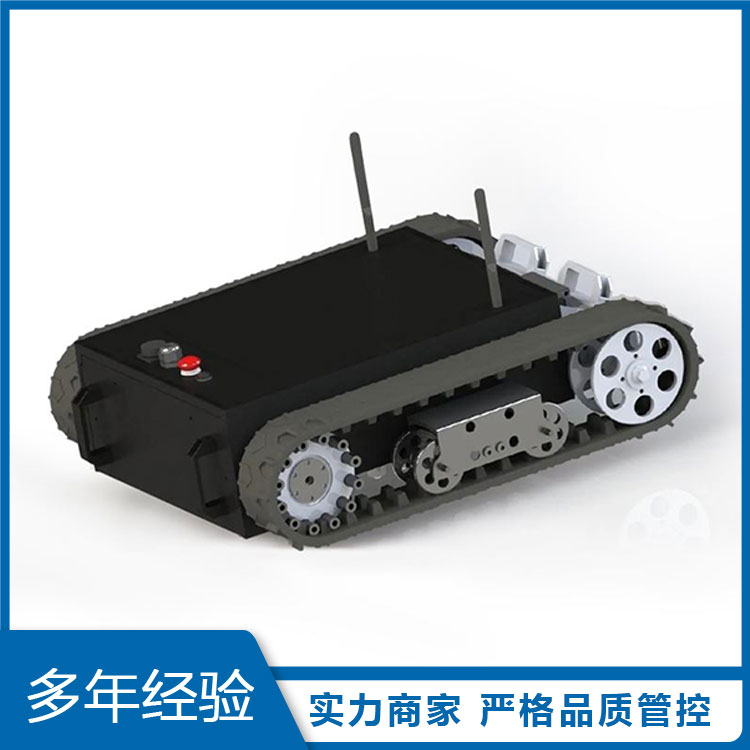
The drive walking mechanism includes the body, reduction motor, frame, and magnetic wheel, with the reduction motor mounted inside the body.
Testing institutions include front and rear high-definition cameras, an electromagnetic ultrasonic thickness gauge, and positioning devices, all installed on the vehicle body.
The cleaning unit consists of a sweeping brush and two high-pressure water jets, distributed on both sides of the vehicle body.
The display controller features an Android system control terminal with a 7-inch high-definition touch screen, controlling the crawler robot's movement, detection, cleaning, and thickness display for the water-cooled wall.
4.3 Features and Technical Parameters of Water-Cooled Wall Crawler Robot
High-definition video
The camera features a 2-megapixel CMOS image sensor, a 150° wide field of view, LED lighting, real-time 1080P high-definition video recording and storage. It can detect and record the on-site environment, the movement of robots, and the high-temperature wear on the pipeline walls.
(2) High-pressure cleaning
Equipped with 2 high-pressure water cleaning systems, these can achieve a flushing force of up to 5 MPa when cleaning the water-cooled wall, efficiently removing slag and coking from the surface. The water consumption for cleaning does not exceed 10 L/min.
(3) High Precision Thickness Measurement
Utilizing an electromagnetic ultrasonic thickness gauge, wall thickness of water-cooled walls is measured with 0.1mm precision without the need for coupling agent, eliminating the inconvenience of the traditional ultrasonic thickness measurement method that requires the application of coupling agent.