


- AllProduct Category
-
Computer Cables
Electrical Cable
Silicone Rubber Cable
Variable Frequency Cable
Fire-Resistant Cable
High-Temperature Cable




详情描述
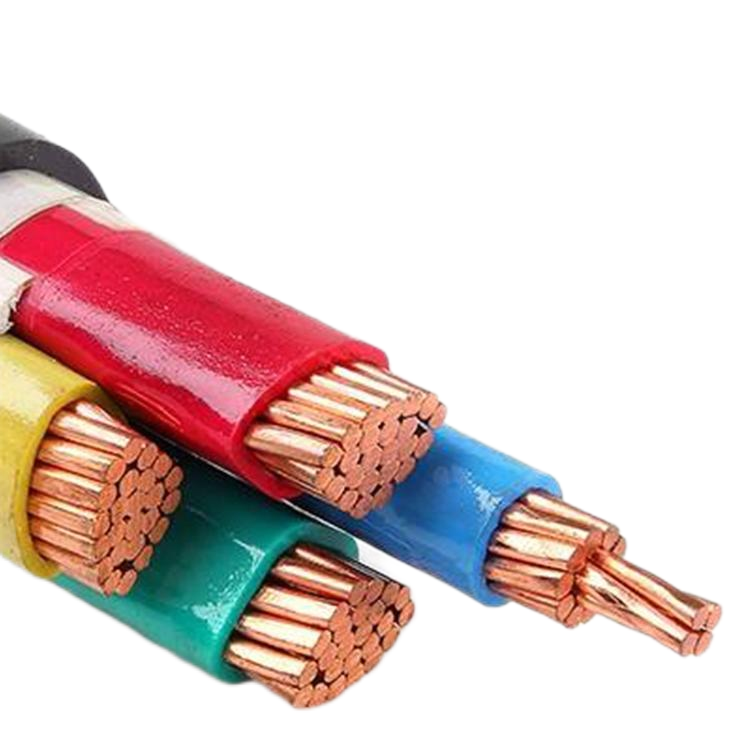
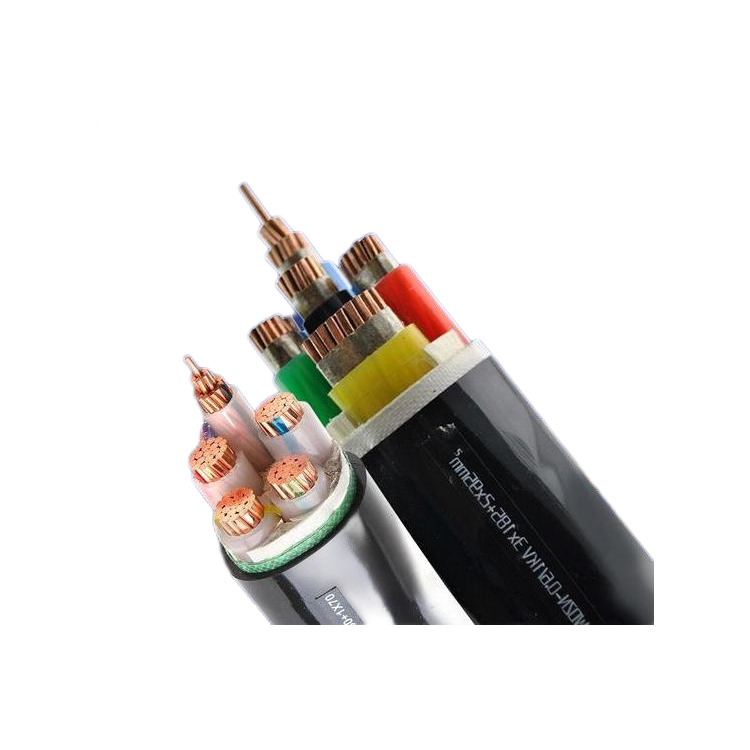
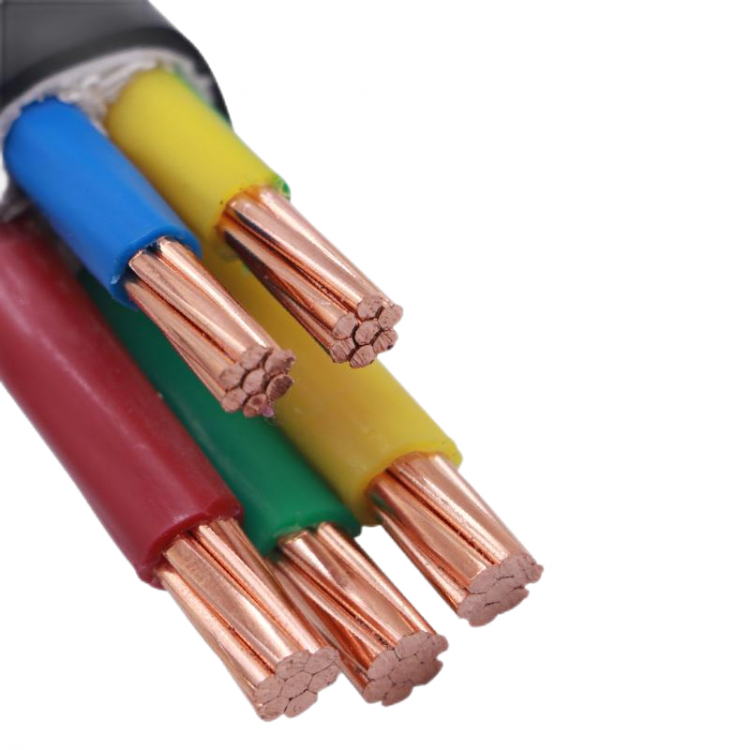
1, NH-Flame Retardant Cable Specifications and Models - Flame Retardant Cable Retardant Temperature -- Features and Applications of Flame Retardant Cable Products: This product boasts excellent flame retardancy, capable of withstanding direct flame combustion without short-circuiting or causing a short-circuit fault within a certain period. Therefore, it is beneficial in reducing losses during a fire, and low-smoke, halogen-free cables are considered environmentally friendly. Flame retardant cables are not a specific type of cable but a cable characteristic. Any cable type that incorporates flame-retardant materials, manufacturing processes, and possesses flame-retardant properties is considered flame retardant. Flame retardant cables can maintain normal operation under flame combustion for a certain period, preserving the integrity of the circuit, especially under conditions of water spray and mechanical impact. The flame retardant cable produces minimal acid gas and smoke during combustion, and it has strong flame-retardant properties. Flame retardant wires can continue to operate (transmitting current and signals) during a fire, and their ability to self-ignite is not part of the assessment criteria. Flame retardant wires can maintain normal operation for 180 minutes in a flame at 750 ~ 800°C. Flame retardant wires are divided into two grades according to national experimental standards (GB12666-99): NHA and NHB. NHA is known as high flame-retardant cables (flame-retardant test temperature of 1000°C), usually denoted as GNH, while NHB is directly represented as NH (flame-retardant test temperature of 750-800°C). The principle of flame retardant cables is different from that of flame-retardant cables. The flame retardant principle of halogen-containing cables is based on the flame-retardant effect of halogens, while the flame-retardant principle of halogen-free cables is based on the cooling effect of water vapor. Flame retardant cables rely on the flame and heat resistance properties of mica material in the flame-retardant layer to ensure normal operation of the cable during a fire. The structure and materials of flame retardant cables are also different from those of flame-retardant cables. The basic structure of flame-retardant cables is: the insulation layer uses flame-retardant materials, the sheath and outer jacket use flame-retardant materials, and the wrapping tape and filling use flame-retardant materials.
Fire-resistant cables can continue to operate (transmitting current and signals) during a fire, and their ability to self-ignite is not a factor under evaluation. Flame-retardant cables quickly cease operation during a fire, with their function lying in their flame resistance and self-extinguishing properties. Fire-resistant wires maintain normal operation for 180 minutes in flames of 750 to 800°C. Fireproof wires are actually another type of fire-resistant wire. They are composed of a copper-core conductor, a seamless copper tube sheath, and magnesium oxide as the insulating material, all of which are inorganic. Due to their inorganic composition, the entire fireproof wire neither burns nor self-ignites and can withstand fire exposure.
Two, NH-Fire-Resistant Cable Specifications - Fire-resistant cable temperature resistance and usage characteristics:
1. Rated Voltage: U0/U 0.6/1KV
2. Long-term Operating Temperature: Flame-retardant Insulation and Sheath at 70℃ and 105℃
Fluoroplastic Insulation and Sheath at 200℃ and 260℃
Cross-linked poly insulation, 90℃
Low-smoke, halogen-free flame-retardant polyolefin at 70°C
Low-smoke, halogen-free flame-retardant cross-linked polyolefin at 90°C and 120°C
3. Low Environmental Temperature: Flame-retardant Sheath: Fixed installation -40°C, Non-fixed installation -15°C
Fluoroplastic insulation and sheath: Fixed installation -60℃; Non-fixed installation -20℃