

- AllProduct Category
-
Computer Cables
Electrical Cable
Silicone Rubber Cable
Variable Frequency Cable
Fire-Resistant Cable
High-Temperature Cable




详情描述
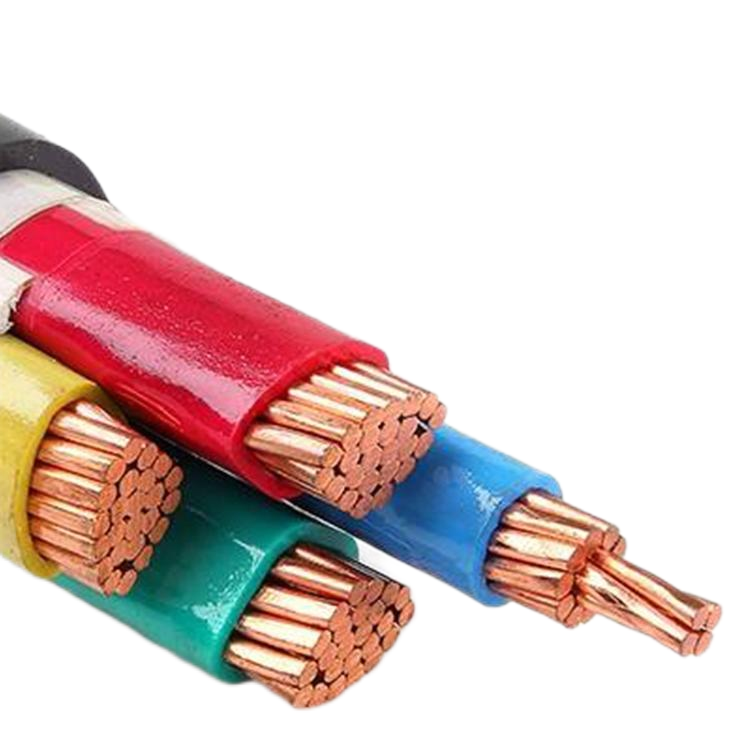
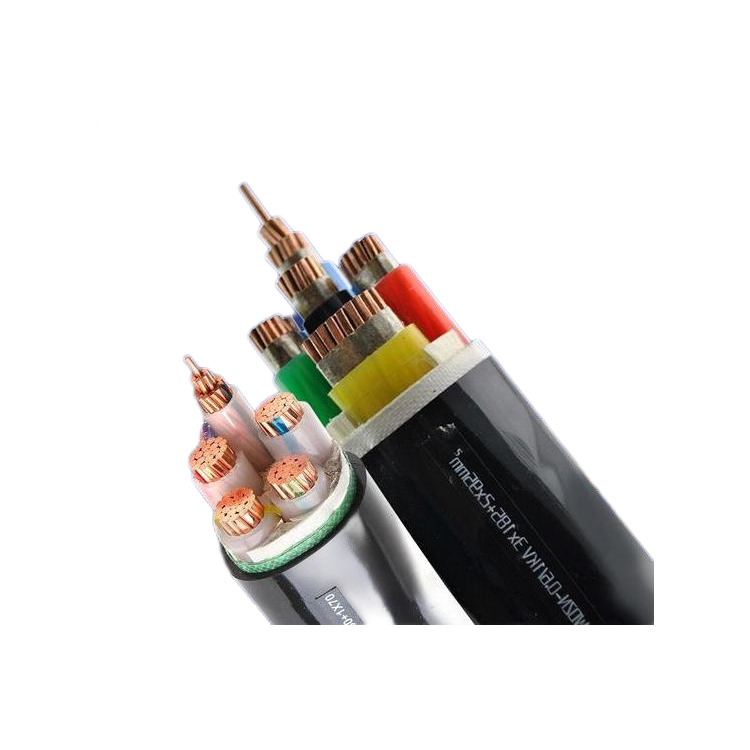
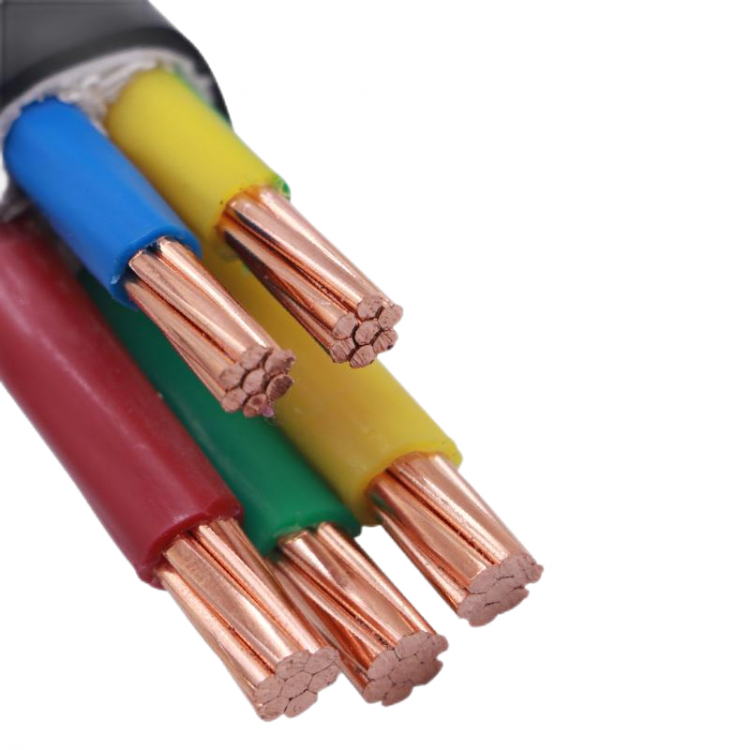
1. NH-Fire Resistant Cable Specifications - Fire Resistant Cable耐火 Cable Fire Retardant Temperature -- Features and Applications of Fire Resistant Cable Product: This product boasts high fire resistance, remaining短路-free and短路-free for a certain period under direct flame combustion, thus, during a fire, it helps to minimize losses. Low smoke and halogen-free cables are considered environmentally friendly cables. Fire-resistant cables are not a specific type of cable but a cable characteristic. Any cable type with fire-resistant materials, manufacturing processes, and attributes is a fire-resistant cable. Fire-resistant cables can maintain normal operation for a certain time under flame combustion, ensuring the integrity of the circuit, especially under conditions of water spray and mechanical impact vibration. The fire-resistant cable produces minimal acidic smoke during combustion and has strong fire and flame retardant properties. Fire-resistant wires can continue to operate during a fire (transmitting current and signals), with the flame-retardant property not being part of the evaluation criteria. Fire-resistant wires can maintain normal operation for 180 minutes in a flame of 750 ~ 800°C. Fire-resistant wires are divided into two grades according to the national experimental standards (GB12666-99): NHA and NHB. NHA is referred to as high fire-resistant cables (fire resistance test temperature of 1000°C), usually represented as GNH, while NHB is directly represented as NH (fire resistance test temperature of 750-800°C). The principle of fire-resistant cables is different from that of flame-retardant cables. The flame-retardant principle of halogen-containing cables relies on the flame-retardant effect of halogens, while the flame-retardant principle of halogen-free cables is based on the temperature reduction achieved by water release to extinguish fires. Fire-resistant cables rely on the fire and heat resistance of mica materials in the fire-resistant layer to ensure normal operation during fires. The structure and materials of fire-resistant cables are also different from those of flame-retardant cables. The basic structure of flame-retardant cables is: the insulation layer uses flame-retardant materials, the sheath and outer layer use flame-retardant materials, and the wrapping and filling use flame-retardant materials.
Fire-resistant cables can continue to operate (transmitting current and signals) during a fire, and their own combustion is not part of the evaluation criteria. Flame-retardant cables quickly cease operation during a fire, with their function lying in their non-flammability and self-extinguishing capability. Fire-resistant wires maintain normal operation for 180 minutes in flames of 750-800°C. Fire-resistant wires are actually a different type of fire-resistant cable. They are composed of a copper-core conductor, a seamless copper tube sheath, and insulation made from inorganic mineral magnesium oxide. Due to the entire structure being made of inorganic materials, the entire fire-resistant wire neither burns nor propagates flame. Moreover, it can withstand fire exposure.
Two, NH Flame Retardant Cable Specifications - Flame Retardant Cable Temperature Resistance and Usage Features:
交流额定电压: U0/U 0.6/1 kV
2. Long-term operating temperature: Flame-retardant insulation and sheath 70℃ and 105℃
Fluoroplastic Insulation and Sheath for 200℃ and 260℃
Cross-linked poly-insulating material, 90℃
Low-smoke, halogen-free flame-retardant polyolefin at 70°C
Low-smoke, halogen-free flame-retardant cross-linked polyolefin at 90℃ and 120℃
3. Low environmental temperature: Flame-retardant jacket: Fixed installation -40°C, non-fixed installation -15°C
Fluoroplastic insulation and sheath: Fixed installation -60℃; Non-fixed installation -20℃