





- AllProduct Category
-
Computer Cables
Electrical Cable
Silicone Rubber Cable
Variable Frequency Cable
Fire-Resistant Cable
High-Temperature Cable



18949734308



详情描述
Anhui Tianming Cable Co., Ltd. --- High Temperature Compensating Wire SC-HS-FFP1, Compensating Wire SC-HS-FP1, FRP1
High-temperature compensation wire (SC-HS-FFP1) boasts excellent high-temperature resistance, typically withstanding temperatures above 800 degrees Celsius. This is mainly due to its unique structure, which includes insulation, metal conductor, and protective layers. High-temperature compensation wire is widely used in high-temperature equipment across industries like oil, chemicals, and metallurgy, for power and signal transmission.
Section 2: Working Principle of High-Temperature Compensation Wires
Under high-temperature conditions, metal conductors will deform due to thermal expansion, resulting in the overall elongation of the wire. The high-temperature compensation wire (SC-HS-FFP1) can compensate for the thermal expansion deformation of the wire to some extent, thanks to its unique structure and materials, thereby maintaining stable operation of the wire.
Section 3: Compensation Wire Materials and Structure
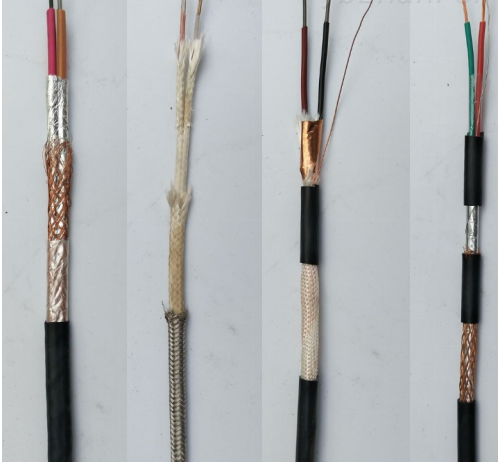
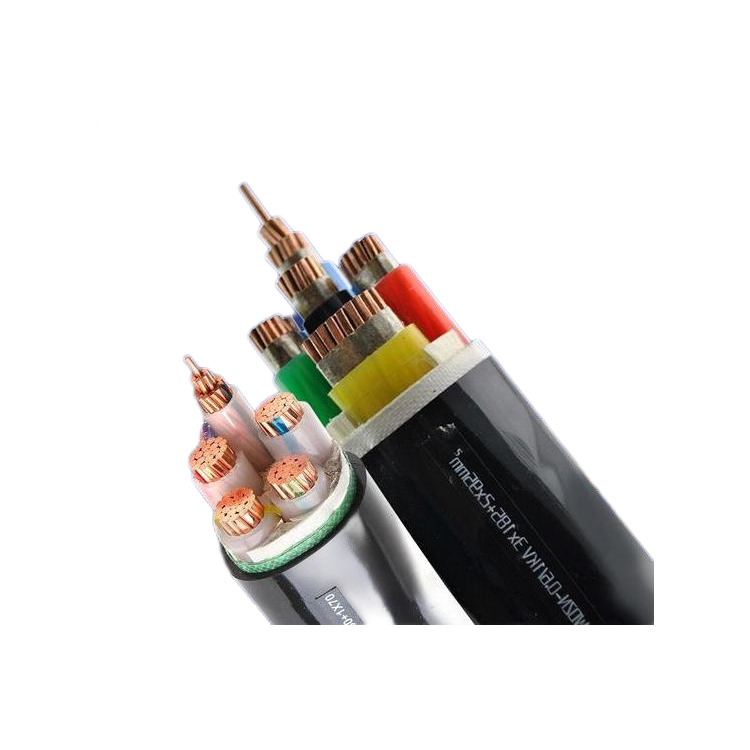
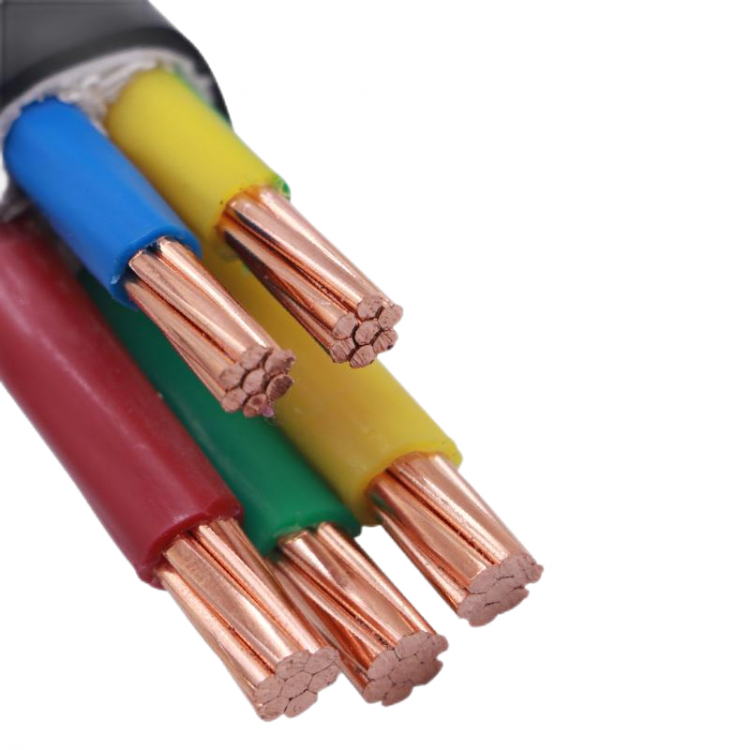
The insulation layer of the compensating wire (SC-HS-FP1FRP1) is typically made of high-temperature refractory materials, offering excellent resistance to high temperatures and insulation properties. The metal conductor is chosen from materials that are less affected by thermal expansion, such as copper alloys. For the protective layer, flame-retardant materials are used to enhance the safety performance of the compensating wire.
4. Advantages and Application Scenarios of High-Temperature Compensation Wires
The high-temperature compensating wire (SC-HS-FFP1) offers significant advantages over other wire types. Firstly, its high-temperature resistance meets the needs of high-temperature environments, preventing wire failure and damage due to heat. Secondly, with excellent compensation, it effectively maintains wire stability, avoiding equipment gap deformation or connection breakage caused by thermal expansion. Additionally, the high-temperature compensating wire features flame retardancy and good safety, ensuring stable signal transmission in high-temperature conditions.
Apply the high-temperature compensation wire (SC-HS-FFP1) and the compensation wire (SC-HS-FP1FRP1) in high-temperature equipment across industries such as oil, chemical, and metallurgy, as they play a crucial role in ensuring the safe operation of equipment. Whether in the heating furnace of an oil refining plant or the high-temperature reactor of a chemical factory, these high-temperature compensation wires can stably transmit electricity and signals, guaranteeing the proper functioning of the equipment.
In summary, the high-temperature compensation wire (SC-HS-FFP1) and the compensation wire (SC-HS-FP1FRP1) play a crucial compensating role in high-temperature environments. By introducing their features, applications, working principles, materials, structure, and advantages, as well as their application scenarios, we have gained a deeper understanding of these wires. In future high-temperature environments, high-temperature compensation wires will continuously expand their application fields, providing more reliable protection for equipment operation in various industries.
High-temperature compensating wires (SC-HS-FFP1) and compensating wires (SC-HS-FP1FRP1) are two common types of wires that play a crucial compensating role in high-temperature environments. The following will elaborate on this topic in four aspects.
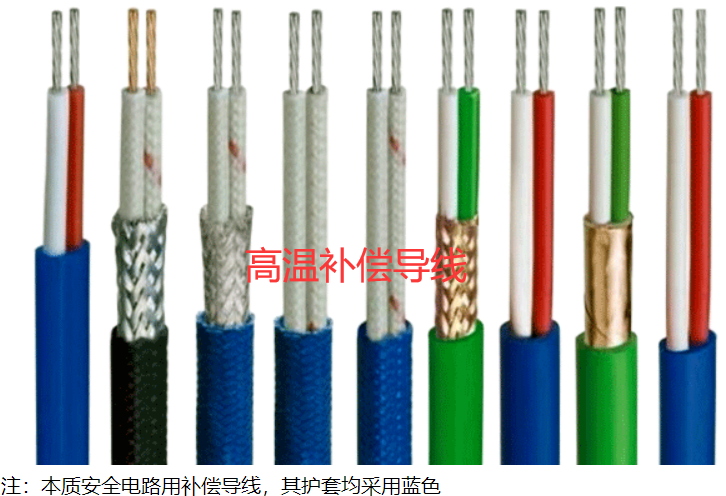
High-temperature compensation wire (SC-HS-FFP1) boasts excellent high-temperature resistance, typically withstanding temperatures above 800 degrees Celsius. This is mainly due to its unique structure, which includes insulation, metal conductor, and protective layers. High-temperature compensation wire is widely used in high-temperature equipment across industries like oil, chemicals, and metallurgy, for power and signal transmission.
Section 2: Working Principle of High-Temperature Compensation Wires
Under high-temperature conditions, metal conductors will deform due to thermal expansion, resulting in the overall elongation of the wire. The high-temperature compensation wire (SC-HS-FFP1) can compensate for the thermal expansion deformation of the wire to some extent, thanks to its unique structure and materials, thereby maintaining stable operation of the wire.
Section 3: Compensation Wire Materials and Structure
The insulation layer of the compensating wire (SC-HS-FP1FRP1) is typically made of high-temperature refractory materials, offering excellent resistance to high temperatures and insulation properties. The metal conductor is chosen from materials that are less affected by thermal expansion, such as copper alloys. For the protective layer, flame-retardant materials are used to enhance the safety performance of the compensating wire.
4. Advantages and Application Scenarios of High-Temperature Compensation Wires
The high-temperature compensating wire (SC-HS-FFP1) offers significant advantages over other wire types. Firstly, its high-temperature resistance meets the needs of high-temperature environments, preventing wire failure and damage due to heat. Secondly, with excellent compensation, it effectively maintains wire stability, avoiding equipment gap deformation or connection breakage caused by thermal expansion. Additionally, the high-temperature compensating wire features flame retardancy and good safety, ensuring stable signal transmission in high-temperature conditions.
Apply the high-temperature compensation wire (SC-HS-FFP1) and the compensation wire (SC-HS-FP1FRP1) in high-temperature equipment across industries such as oil, chemical, and metallurgy, as they play a crucial role in ensuring the safe operation of equipment. Whether in the heating furnace of an oil refining plant or the high-temperature reactor of a chemical factory, these high-temperature compensation wires can stably transmit electricity and signals, guaranteeing the proper functioning of the equipment.
In summary, the high-temperature compensation wire (SC-HS-FFP1) and the compensation wire (SC-HS-FP1FRP1) play a crucial compensating role in high-temperature environments. By introducing their features, applications, working principles, materials, structure, and advantages, as well as their application scenarios, we have gained a deeper understanding of these wires. In future high-temperature environments, high-temperature compensation wires will continuously expand their application fields, providing more reliable protection for equipment operation in various industries.


