





- AllProduct Category
-
Computer Cables
Electrical Cable
Silicone Rubber Cable
Variable Frequency Cable
Fire-Resistant Cable
High-Temperature Cable




详情描述
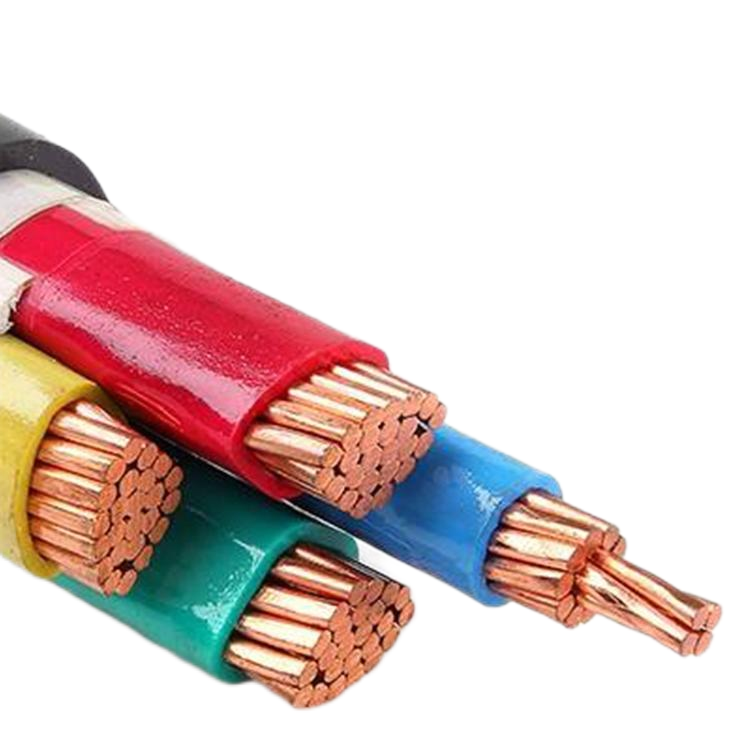
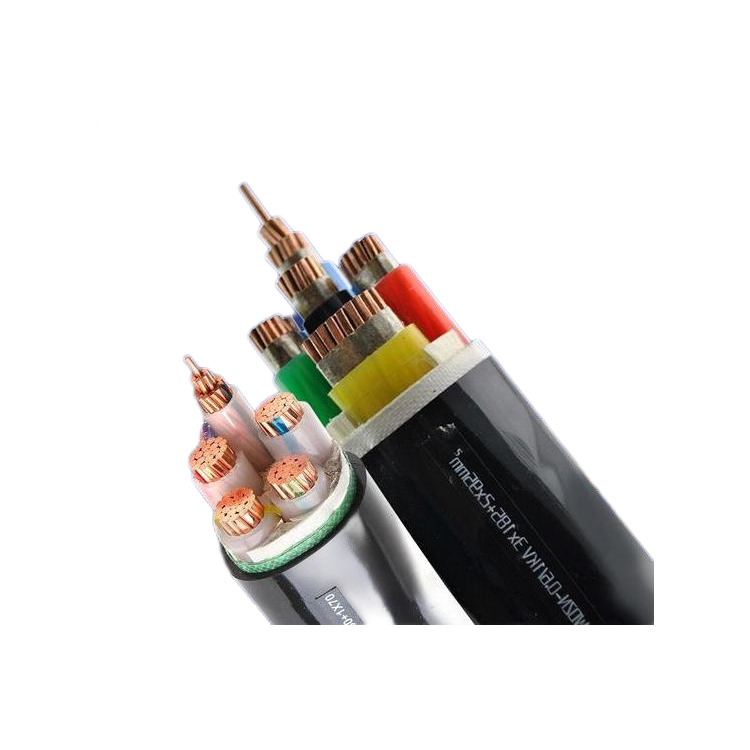
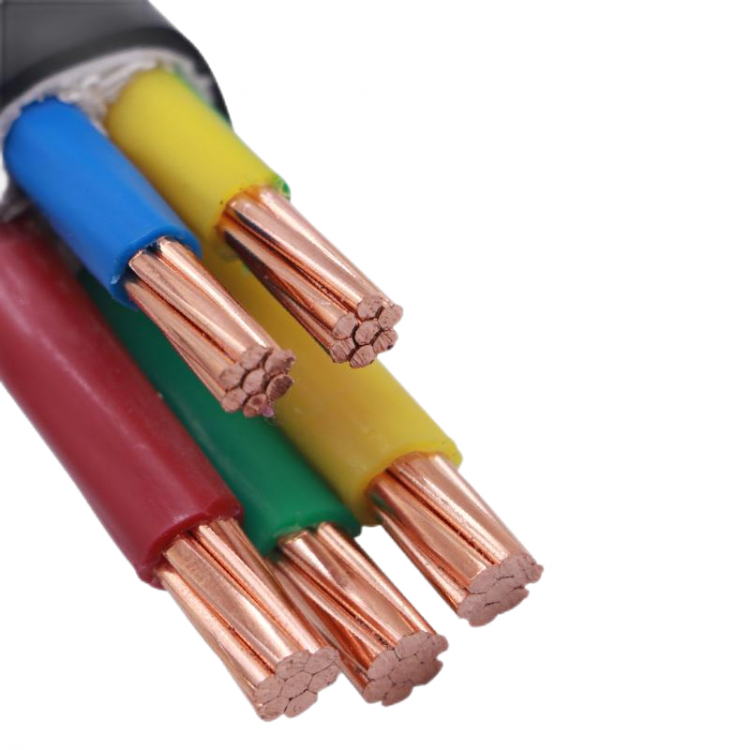
Anhui Tianming Cable Co., Ltd.'s High-Temperature Cable ZA-JGPVFP Flame Retardant High-Temperature Silicone Rubber Cable - Flame Retardant Silicone Rubber Cable Features: The processing method for the ceramicized flame-retardant silicone rubber and the general high-temperature silicone rubber blend is the same, offering excellent extrusion and molding properties. It can be directly extruded and vulcanized into wire and cable using silicone rubber wire and cable equipment, without the need for additional equipment, let alone the massive equipment investment required for magnesium oxide mineral flame-retardant insulation cables. Nor is it necessary to go through multiple winding processes like mica tape flame-retardant cables, which are labor-intensive and time-consuming, thus significantly reducing costs. Wire and cable produced with ceramicized flame-retardant silicone rubber can significantly cut costs, can be installed and laid out as conveniently as standard wire and cable, and does not require the complex installation procedures of magnesium oxide mineral flame-retardant insulation cables. This provides the prerequisite and foundation for the widespread popularity and application of flame-retardant wire and cable. Models: ZRA-JFPGPR22, ZRA-JGGPR22, ZRA-JFGPR22, ZRA-JGPGR22, ZRA-JFPGR22, ZRA-JGPGRP22, ZRA-JFGRP22, ZRA-JGPVFP, ZRA-JGPVFR, ZRA-JGPVFPR
Performance and softness, suitable for use in special applications with mobile temperature resistance requirements in industries such as metallurgy, electricity, petrochemicals, etc. Note: 1. For flame-retardant silicone rubber cables, add "ZR" before the model number. 1. Models and names of 220kV rated voltage poly-insulated power cables: YJLW02 - Cross-linked poly-insulated corrugated aluminum sheath or welded corrugated aluminum sheath polyvinyl chloride sheathed power cable YJLW03 - Cross-linked poly-insulated corrugated aluminum sheath or welded corrugated aluminum sheath polyethylene sheathed power cable YJLW02-Z - Cross-linked poly-insulated corrugated aluminum sheath or welded corrugated aluminum sheath polyvinyl chloride sheathed longitudinal water-blocking power cable YJLW03-Z - Cross-linked poly-insulated corrugated aluminum sheath or welded corrugated aluminum sheath polyethylene sheathed longitudinal water-blocking power cable YJQ02 - Cross-linked poly-insulated lead sheath polyvinyl chloride sheathed power cable YJQ03 - Cross-linked poly-insulated lead sheath polyethylene sheathed power cable YJQ02-Z - Cross-linked poly-insulated lead sheath polyvinyl chloride sheathed longitudinal water-blocking power cable YJQ03 - Cross-linked poly-insulated lead sheath polyethylene sheathed longitudinal water-blocking power cable 2. Rated voltage U0, U, Um values allowed for 66kV to 220kV cross-linked poly-insulated power cables Cable Name U0 (kV) U (kV) Um (kV) 66kV Cable 50.6 66 56/72.5 110 kV Cable 64 110 73/126 220 kV Cable 127 220 145/252 ZA-JGPVFP Flame-retardant silicone rubber cable features.
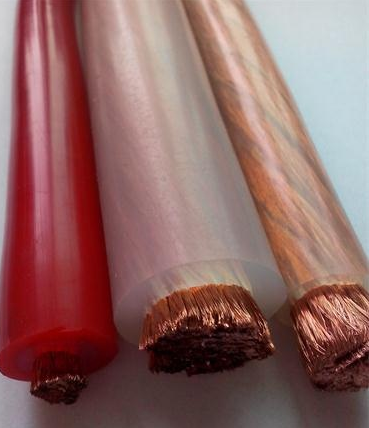
Silicone rubber is a high molecular material primarily formed by replacing carbon elements with silicon elements. It is a linear, high-molecular-weight polymer of silicone, with a molecular weight generally above 150,000. The properties of the silicon-oxygen bonds that make up the main chain of silicone rubber determine its unique advantages over natural rubber and other elastomers. It boasts the widest working temperature range (-100℃ to 350℃), excellent resistance to both high and low temperatures. Additionally, it exhibits superior thermal stability, electrical insulation, weather resistance, ozone resistance, breathability, high transparency, tensile strength, excellent heat dissipation, and excellent adhesion, fluidity, and demolding properties. Some specialized silicone rubbers also have excellent oil resistance, solvent resistance, radiation resistance, and the ability to function under extreme temperatures. Within its operating temperature range, silicone rubber can maintain certain levels of softness, resilience, and surface hardness, with no significant changes in mechanical properties, and it can also resist long-term thermal aging.


