

- AllProduct Category
-
Computer Cables
Electrical Cable
Silicone Rubber Cable
Variable Frequency Cable
Fire-Resistant Cable
High-Temperature Cable




详情描述
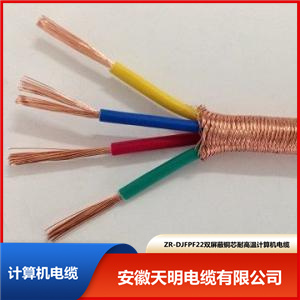
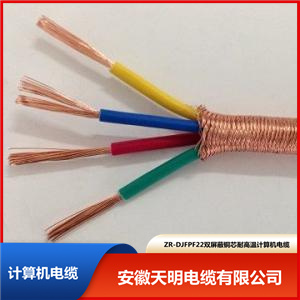
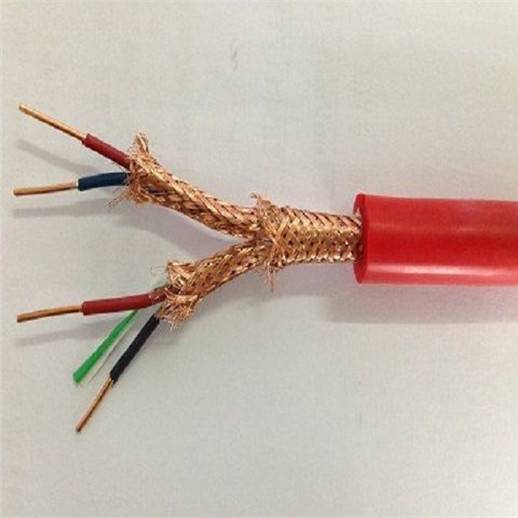
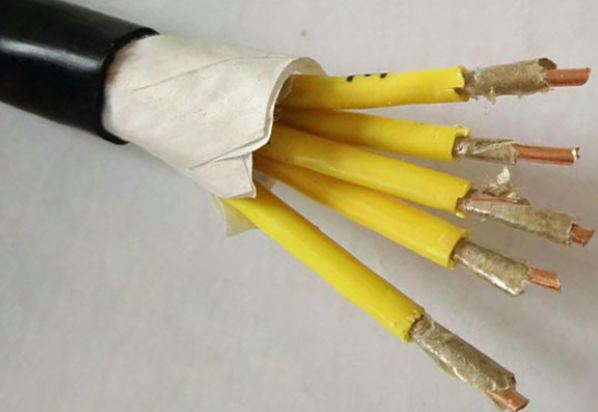
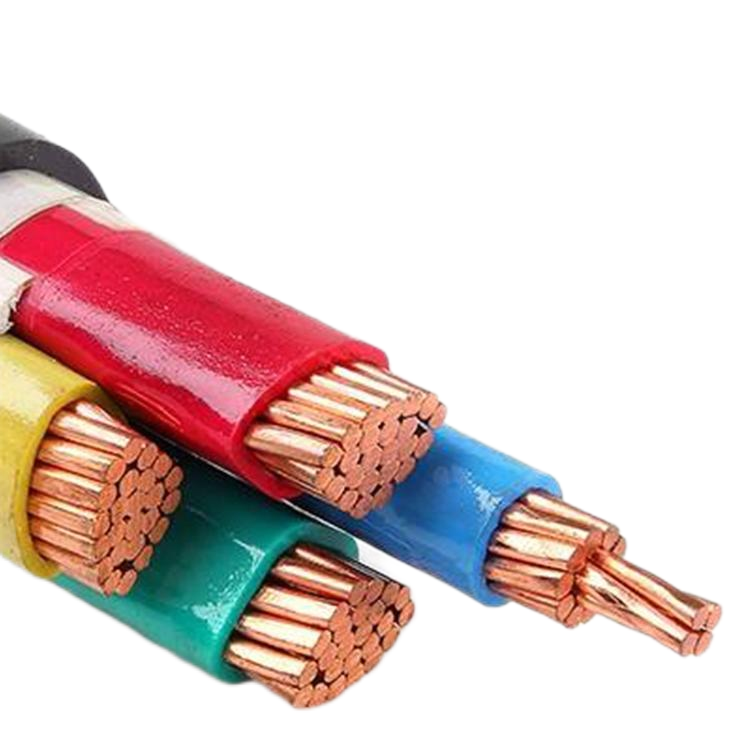
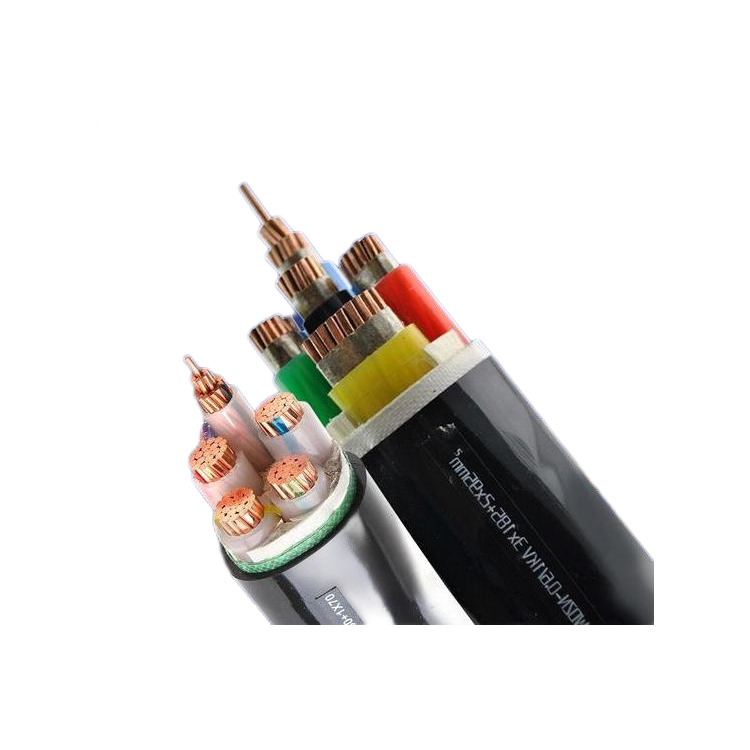
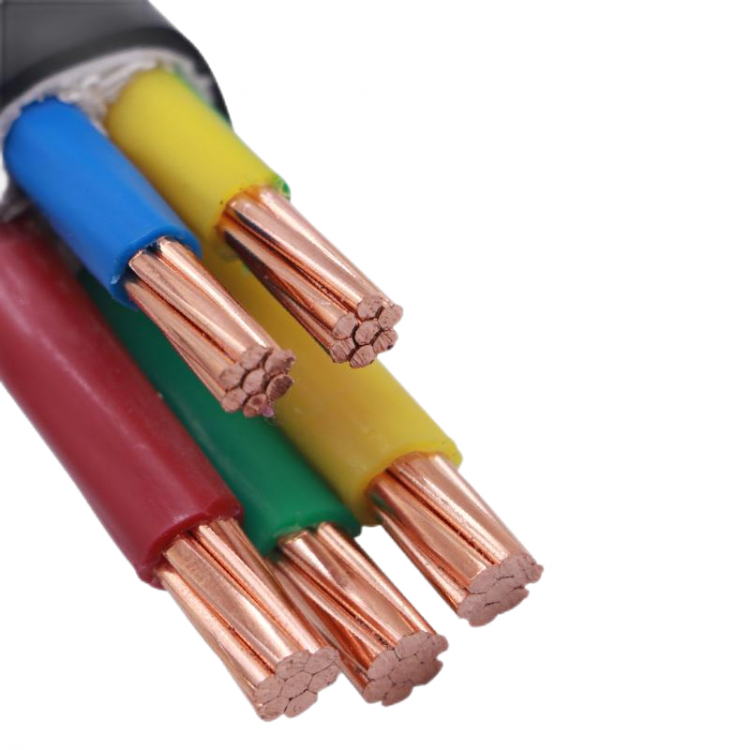
Anhui Tianming Cable Co., Ltd. - High-Temperature Cable ZRC-JFPGPR22, suitable for electrical instruments and appliance connection lines or signal transmission for AC rated voltages of 450/750V and below, either for mobile or fixed installations.
Cables offer excellent thermal stability, maintaining superior electrical properties and flexibility in high and low temperatures, as well as corrosive environments, making them suitable for
Used in special applications with mobile temperature requirements in metallurgy, power, petrochemical industries, etc.
Three: Features
交流额定电压: U0/U 450/750KV
Operating Temperature: 180℃
2 Low environmental temperature: Silicone rubber sheath -60℃ for fixed installation, -20℃ for non-fixed installation
The installation temperature for cables should not be lower than -20°C.
4. Cable bend radius allowance: Non-armored cable has a minimum bend radius of 6 times the cable outer diameter.
Rated Voltage UO/U: 600/1000V.
2. The cable is designed to operate within a temperature range of -60℃ to +180℃.
3. During a short circuit (with a duration not exceeding 5 seconds), the temperature of the cable conductor shall not exceed 250°C.
4. The temperature for cable laying should not be below -20°C.
5. The bending radius for cables is as follows: the bending radius for single-core cables should not be less than 15 times the outer diameter of the cable (D - cable outer diameter).
This product is suitable for connecting wires or signal transmission for electrical instruments used in the installation of mobile or fixed electrical equipment with rated voltages of 450/750V and below.
Cables feature excellent thermal stability, maintaining superior electrical properties and flexibility in high and low temperatures, as well as corrosive environments, making them suitable for use in industries such as metallurgy, power, and petrochemicals, where special requirements for temperature resistance and mobility are needed.
Control Cables, Silicone Computer Cables, Silicone Shielded Signal Cables, Silicone High-Temperature Armored Cables, Silicone Flat Cables, Silicone High-Voltage Cables, Silicone Flame Retardant Cables, Silicone Motor Lead Wires, Silicone Compensation Wires
Silicone rubber characteristics
Silicone polymer molecules are formed by chains linked with SI-O (silicon-oxygen) bonds. The SI-O bond energy is 443.5 KJ/MOL, significantly higher than the C-C bond energy (355 KJ/MOL). Due to its molecular structure, silicone rubber exhibits superior heat resistance, electrical insulation, and chemical stability compared to other common rubbers.
Typical silicone rubber, also known as polydimethylsiloxane, features a helical molecular structure with relatively low intermolecular forces, thus exhibiting excellent resilience. Additionally, the methyl groups pointing outward from the helix can rotate freely, endowing silicone rubber with superior surface properties such as hydrophobicity and anti-stickiness.
Thermal Resistance: Silicone rubber boasts superior heat resistance compared to ordinary rubber, allowing for almost indefinite use at 150 degrees Celsius without any performance degradation; it can be continuously used at 200 degrees Celsius for 10,000 hours; and it can also be used for a period of time at 350 degrees Celsius. Widely applied in scenarios requiring heat resistance: thermos bottle seals, pressure cooker handles.
Cold Resistance: General rubber maintains good elasticity at temperatures as low as -20°C to -30°C, while silicone rubber retains its properties at -60°C to -70°C. Certain specialized silicone rubber formulas can withstand extremely low temperatures.