


- AllProduct Category
-
Computer Cables
Electrical Cable
Silicone Rubber Cable
Variable Frequency Cable
Fire-Resistant Cable
High-Temperature Cable




详情描述
Anhui Tianming Cable Co., Ltd. primarily selects the shielding material for computer cables based on the following factors:
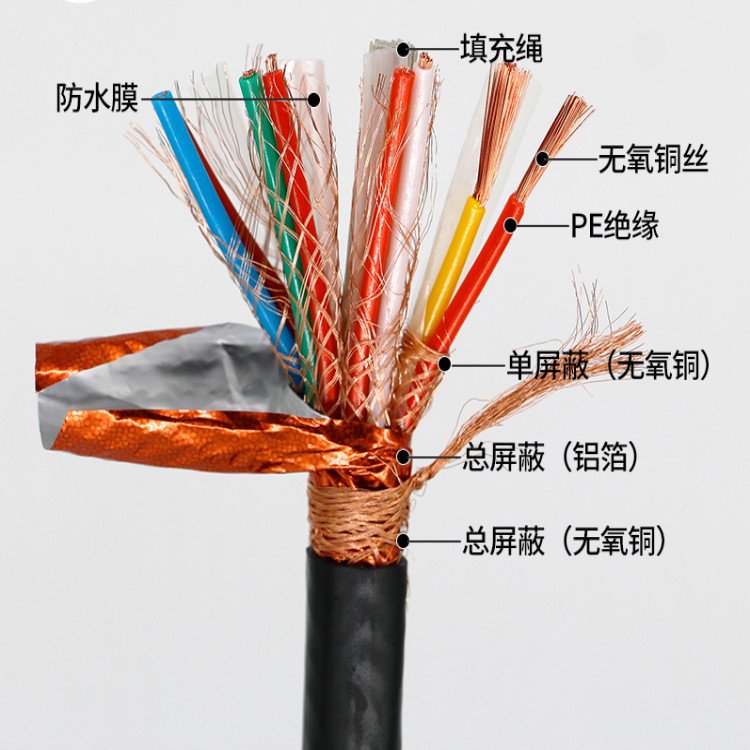
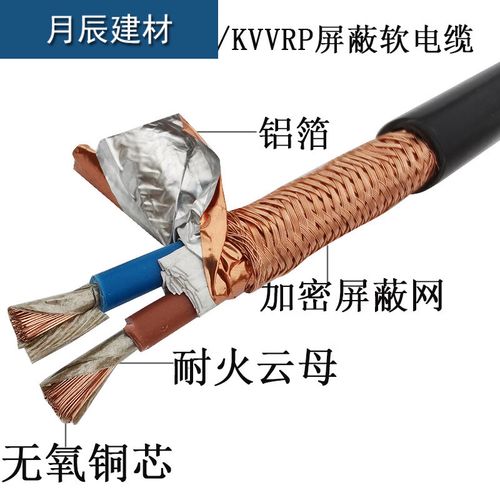
1. The electromagnetic shielding layer material should be a metal with good conductivity, such as copper or aluminum. Due to cost considerations, alloy materials like copper-clad aluminum can also be chosen.
2. The shielding layer should be designed with a double or multi-layer structure to enhance shielding effectiveness.
3. The shielding layer should be constructed with a braided structure to increase the difficulty of electromagnetic leakage, thereby reducing the likelihood of electromagnetic leakage.
4. The shielding cable should be equipped with a shielding layer structure that features high weaving density, reliable fixation, and no shedding during weaving.
5. Add anti-EMI additives within the insulation and sheath layers to enhance resistance to electromagnetic interference.
6. Shielded cables should have good electrical continuity to ensure the effectiveness of electromagnetic shielding.
7. The shielding material for electrical cables should possess high-temperature resistance, oil resistance, cold resistance, tensile strength, and resistance to deformation to ensure the cable's lifespan and reliability.
In summary, the shielding material for computer cables should possess good conductivity, rational structure, and excellent mechanical properties to ensure electromagnetic compatibility and resistance to electromagnetic interference. The selection criteria for shielding materials in computer cables mainly include the following aspects:
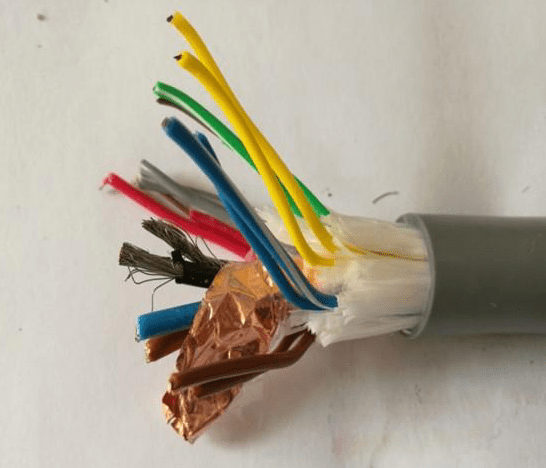
Conductive Shielding Layer: Generally made of metal braided wire or foil, its primary function is to limit the leakage of electromagnetic fields inside and outside, enhance the cable's confidentiality, and prevent signal interception.
Insulation Layer: Insulating materials prevent short circuits between conductors and also isolate external interference.
3. Metal Jacketing: Generally used for external protection, it prevents damage to cables from external forces and also shields against electromagnetic interference.
When making a selection, it is recommended to choose the appropriate cable based on the electromagnetic environment, power voltage, and electrical parameters of the computer cable's application. You may also refer to relevant domestic industry standards. Specifically, some common shielding materials include:
Metal woven mesh: commonly used as twisted shielded wire pairs, effectively preventing external electromagnetic interference.
* Metal foil: Often used in single or multi-layer composite shielding, it can effectively prevent the leakage of internal signals, enhancing confidentiality.
Aluminum tube: Offers good shielding in cables, but is more expensive.
Tin-plated copper braided mesh: Offers good shielding performance and good grounding, thus widely used.
In summary, the shielding material for computer cables must possess excellent electromagnetic shielding properties, while also taking into account factors such as cost, processing technology, and usage environment. In practical applications, a comprehensive evaluation and selection should be made based on actual needs.