




- AllProduct Category
-
Computer Cables
Electrical Cable
Silicone Rubber Cable
Variable Frequency Cable
Fire-Resistant Cable
High-Temperature Cable




详情描述
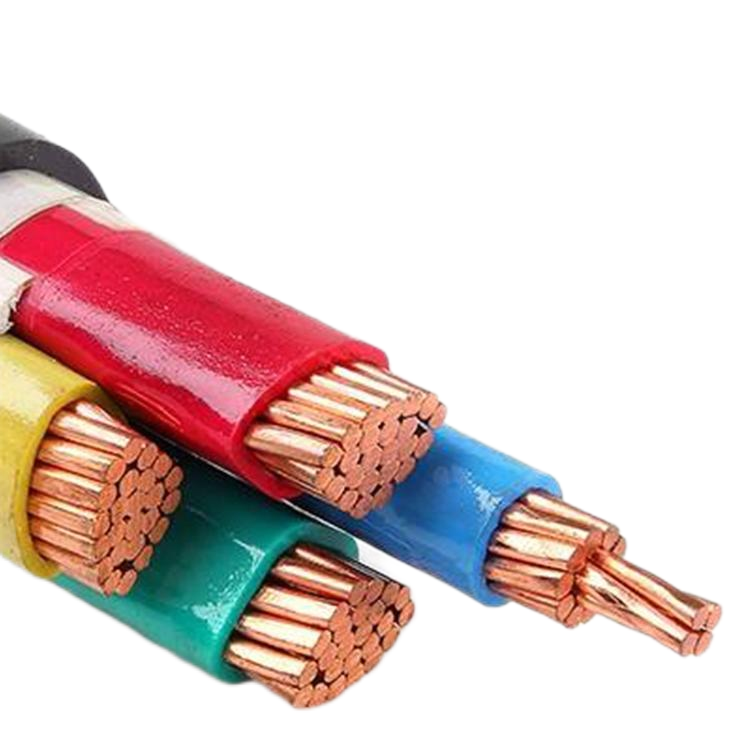
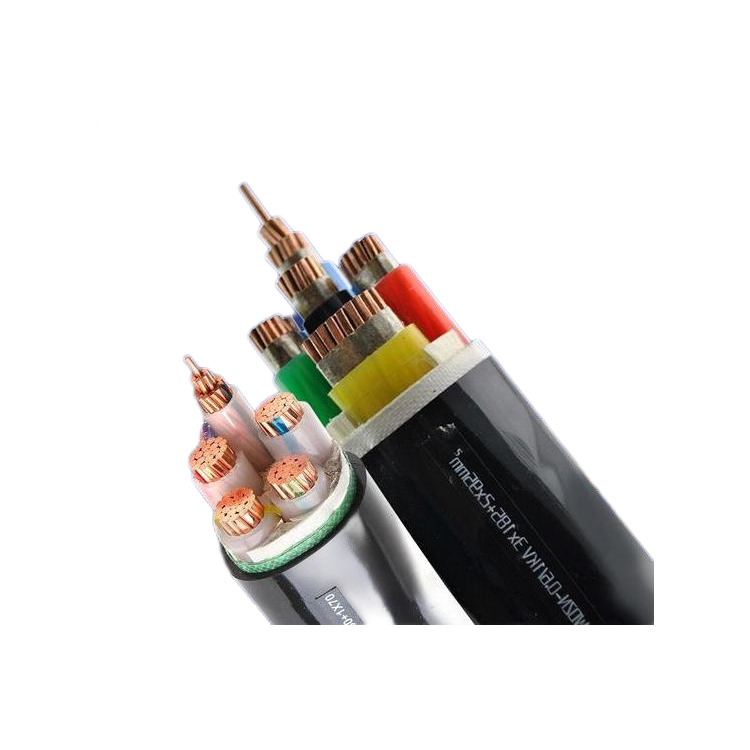
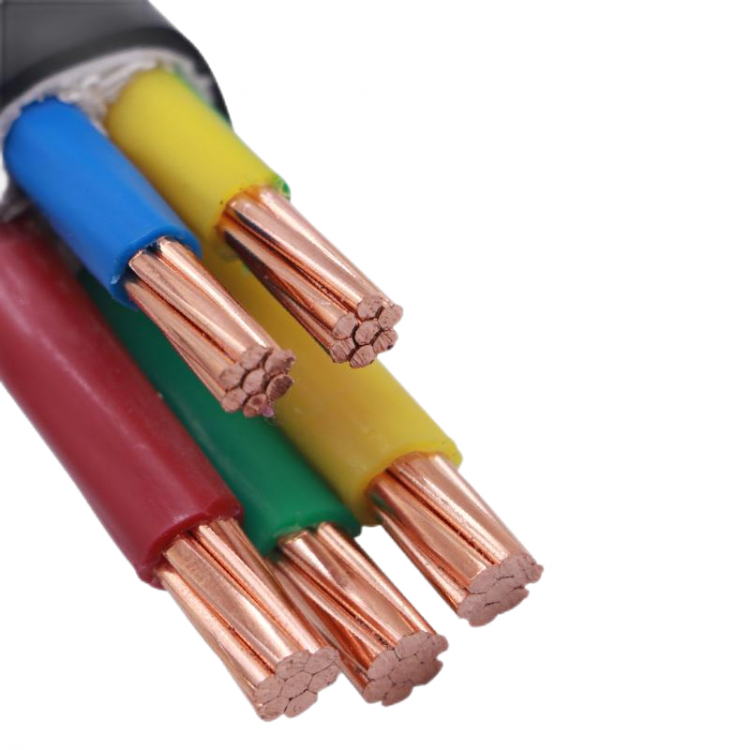
High-temperature cables and silicone rubber cables have significant differences in materials, performance, and application scenarios. The following is a detailed comparison by Anhui Tianming Cable Co., Ltd.
Material Differences
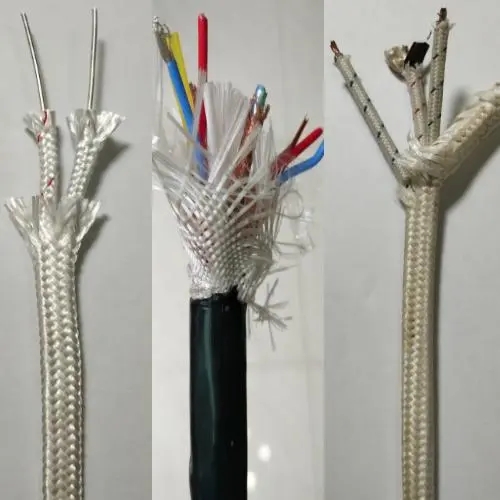
High-Temperature Cables: Generally made with high-temperature-resistant materials for insulation and sheath, such as PTFE (Polytetrafluoroethylene), PEEK (Polyether Ether Ketone), or fluororubber, etc. These materials maintain stable electrical and mechanical properties in high-temperature environments.
Silicone rubber cables: Utilizing silicone rubber as the insulation and sheath material. Silicone rubber boasts excellent high-temperature, low-temperature, and aging resistance, along with good flexibility and electrical insulation properties.
2. Heat resistance properties
High-temperature cables: The temperature range is typically between 200℃ and 260℃, with some special materials (such as PEEK) able to withstand higher temperatures (above 300℃).
Silicone rubber cables: The temperature range is generally 60℃ to 180℃, with some special silicone rubber materials capable of withstanding temperatures above 200℃.
3. Mechanical Properties
High-temperature cables: With higher material hardness, good mechanical strength, but relatively poor flexibility.
Silicone rubber cables: Made from soft silicone rubber material, these cables offer excellent flexibility and resistance to bending, making them ideal for applications that require frequent movement or bending.
4. Electrical Performance
High-Temperature Cables: Maintain excellent electrical insulation properties in high-temperature environments, suitable for high-voltage and high-frequency applications.
Silicone rubber cables: Excellent electrical insulation properties, but slightly lower voltage and frequency resistance compared to high-temperature cables.
5. Application Scenarios
High-Temperature Cables: Suitable for extreme high-temperature environments such as metallurgy, chemical industry, aerospace, and power sectors.
Silicone rubber cables: Suitable for applications requiring flexibility and temperature resistance, such as mobile devices, household appliances, medical equipment, lighting equipment, etc.
6. Price
High-temperature cables: Typically more expensive due to higher material costs.
Silicone rubber cables: Reasonably priced with good value for money.
7. Anhui Tianming Cable Co., Ltd. Product Features
High-Temperature Cables: Made with high-temperature-resistant materials, these cables ensure stable operation in extreme environments. The products comply with international standards and are widely used in industrial applications.
Silicone rubber cables: Made from high-purity silicone rubber, these cables offer excellent flexibility and anti-aging properties, suitable for various complex environments.
Summary
High-temperature cables and silicone rubber cables each have unique advantages and application scenarios. Selection should be based on a comprehensive consideration of specific usage environment, temperature requirements, mechanical performance needs, and budget factors. Anhui Tianming Cable Co., Ltd. offers a variety of specifications and models of high-temperature cables and silicone rubber cables to meet different customer needs. For further information, please contact our customer service or visit our website for detailed information.


