
- AllProduct Category
-
Rotary Calcining Kiln
Spray Drying Series
Flash Vapor Air Drying Series
Tumble Dryer
Steam Tube Dryer
Coal Slime Drum Dryer
Radiation Tower High Purity Non-metallic Mineral Powder Drying System
Vertical Dryer
Fluidized Bed Drying System
Vacuum & Conduction Drying Series
Box Dryer Series
Feeding Conveyors Series
Drying Heat Source Series
Dust Removal Equipment
Biomass Heat Source Series
Food Dehydrator (Drying) Series
Drying/Belt Dryer Series


详情描述
Product Working Principle
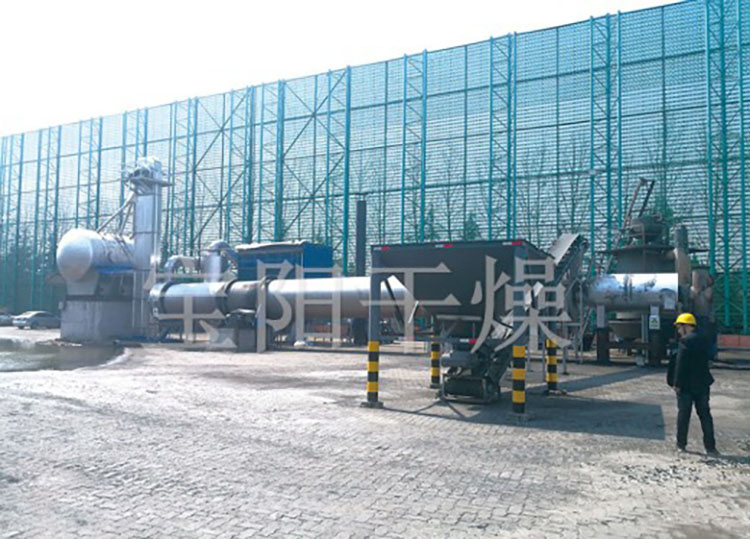
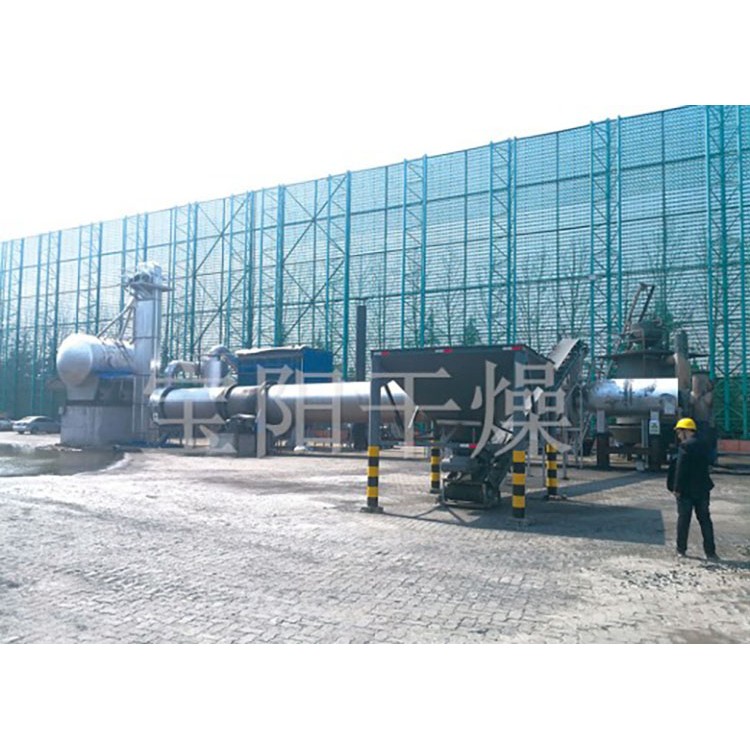
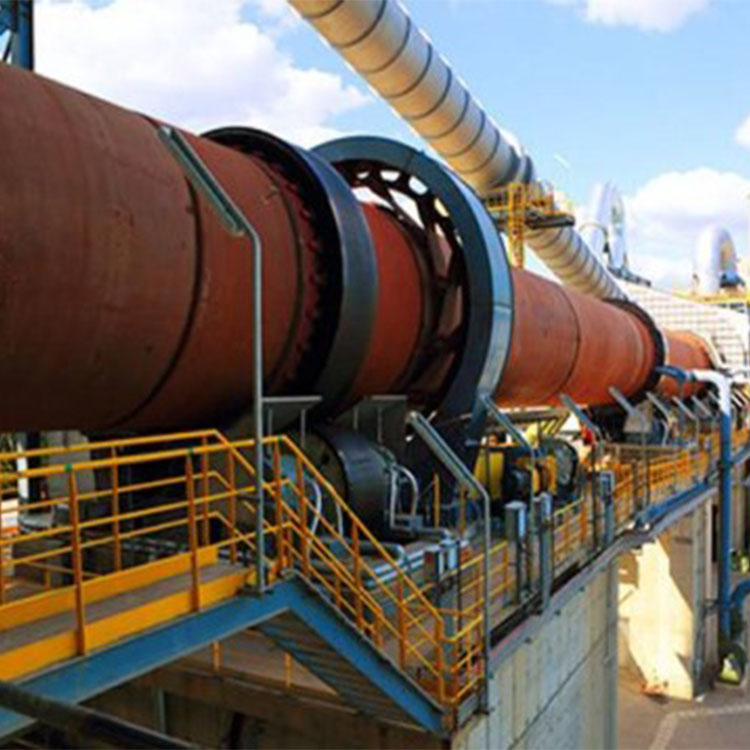
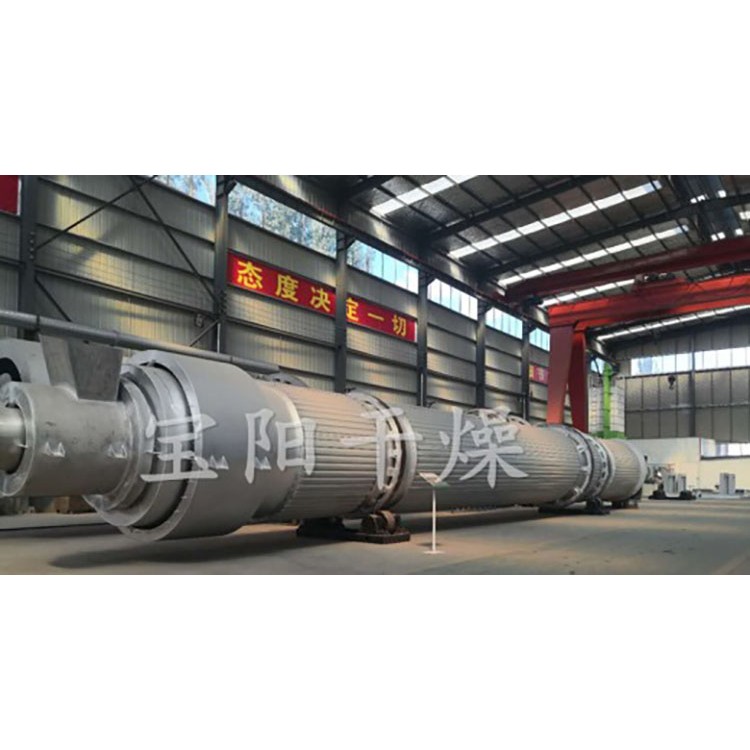
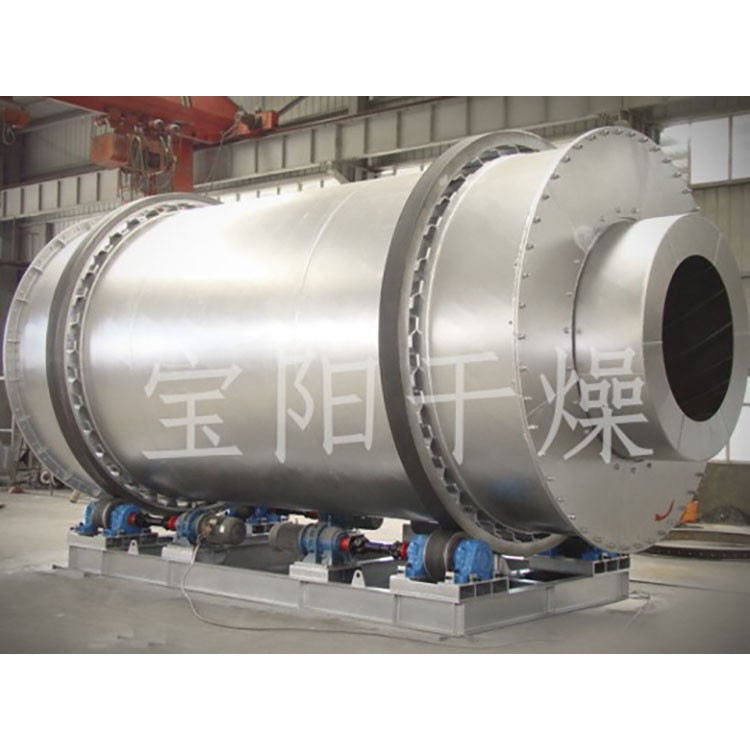
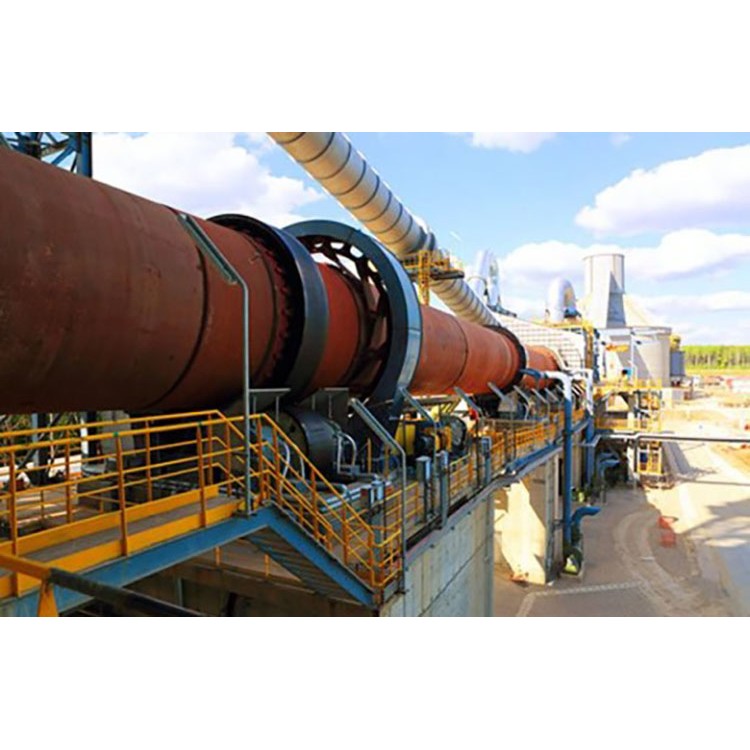
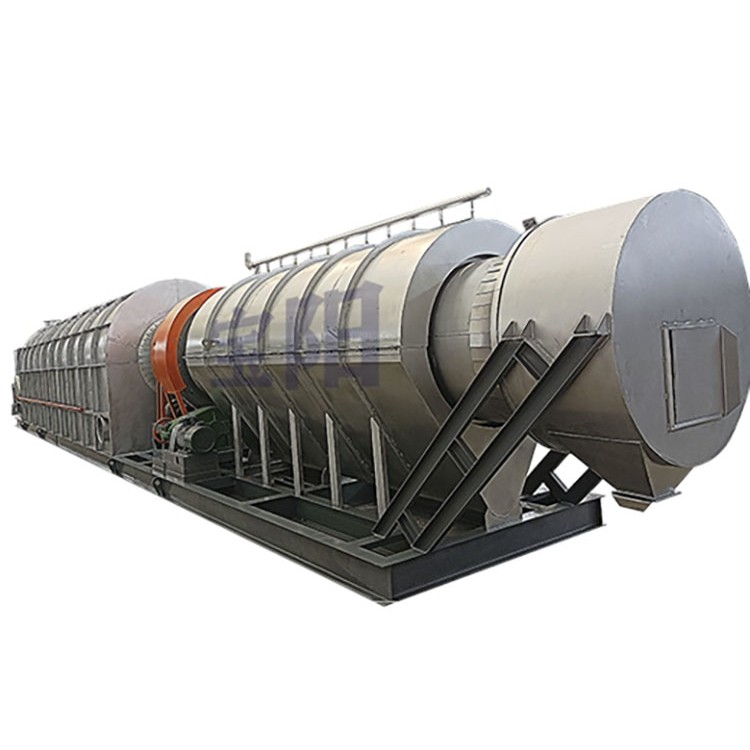
The drum of the drum dryer is an inclined, rotatable cylinder. Wet material enters from the top of one end and dry material is collected from the bottom of the other end. Hot air enters from either the feeding or discharging end and exhausts from the top of the opposite end.
The cylinder is equipped with forward sweeping blades, allowing the material to be continuously lifted and sprinkled during the cylinder's rotation, ensuring it thoroughly contacts the hot airflow to enhance drying efficiency and advance the material forward.
The heat source for drying materials is typically hot air, high-temperature flue gas, steam, etc. The specific choice can be made based on the properties and quality requirements of the material.
Product Performance Features
Quartz sand is conveyed to the hopper by a belt conveyor or a bucket elevator, then it is fed into the charging end through the feeding pipeline by the hopper's feeder. The slope of the feeding pipeline must be greater than the natural angle of repose of the material to ensure smooth flow into the dryer. The dryer cylinder is a rotating cylinder slightly inclined from the horizontal line. Material is added from the higher end, while the heat carrier enters from the lower end, contacting the material in a countercurrent manner, and sometimes both the heat carrier and the material enter the cylinder together. As the cylinder rotates, the material moves under gravity to the lower end. During its forward movement within the cylinder, the wet material is directly or indirectly heated by the heat carrier, enabling it to dry. Then, it is discharged at the outlet end via a belt conveyor or a spiral conveyor. Scrapers are mounted on the inner wall of the cylinder, which function to lift and sprinkle the material, increasing the contact surface with the airflow to enhance the drying rate and promote material movement. Heat carriers are generally classified as hot air, flue gas, etc. After passing through the dryer, the gas is usually passed through a cyclone separator to capture the material carried by the gas. To further reduce the dust content of the exhaust gas, it should also pass through a bag filter or a wet scrubber before being released.