Fabric Duct, Fiber Duct, Bag Filter Duct


Product Recommendation
Properly selecting the diameter and length of fabric ductwork requires considering a multitude of factors.
Space layout considerations
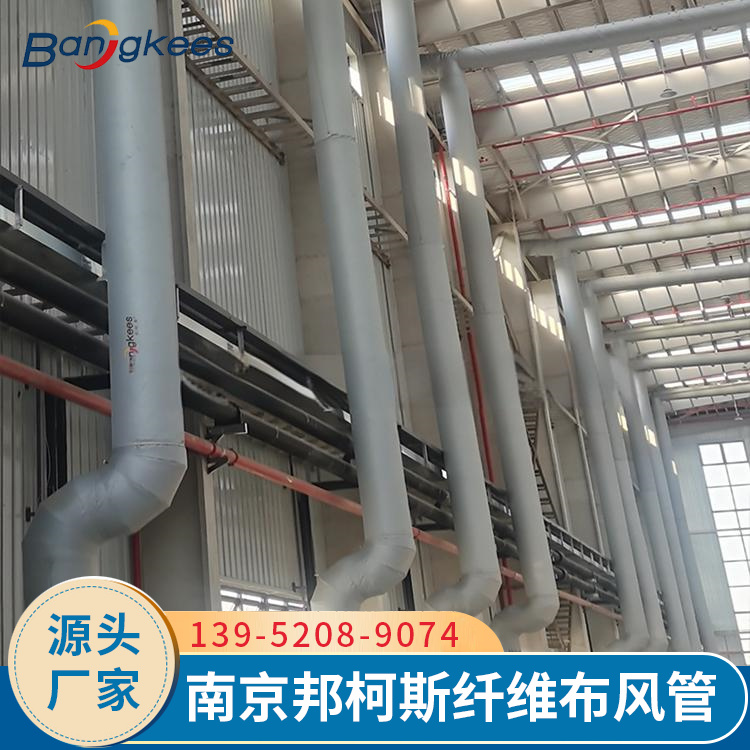
The length selection should accommodate the actual layout of the installation space. Measure the length, width, and height dimensions of the installation site carefully to ensure that the ductwork can be reasonably arranged without affecting other equipment and structures. For instance, in a factory with limited ceiling height, the hanging height and length of the ductwork should be determined based on the factory's height and the equipment installation position to ensure both effective air distribution and no collisions with other objects.
For irregularly shaped spaces, flexible planning of duct routing and length is required. Techniques such as bends and branches are used to meet the ventilation needs of different areas, while ensuring that duct length and layout do not result in excessive pressure loss that affects the ventilation effect.
Consider the ease of maintenance and cleaning when selecting the ductwork layout, avoiding overly long or complex designs to ensure staff can easily inspect and clean them.
Airflow Demand Analysis
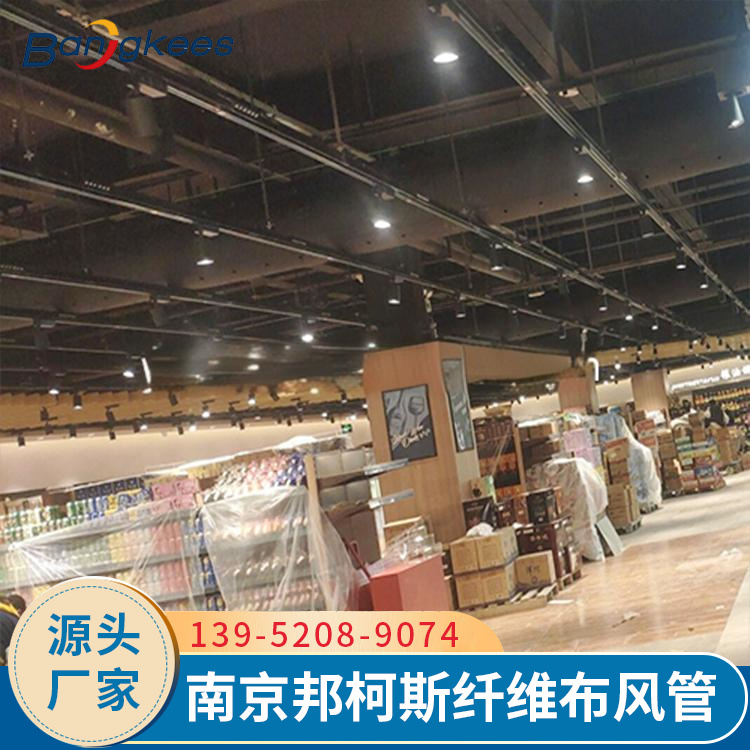
To initially determine the diameter range based on the required air volume for the application site. By calculating the necessary air flow, utilizing the basic principles of air flow and relevant fluid mechanics formulas, and combining the expected wind speed, we can reverse-engineer the appropriate duct cross-sectional area, thereby deriving the approximate diameter size. For instance, in a large commercial space, if a specific air volume per hour is known to be required, and considering a reasonable wind speed range (commonly within a certain interval in commercial settings to ensure human comfort and air exchange efficiency), the diameter range meeting the air volume requirements can be calculated using the formula.
To account for the varying air volume requirements across different regions, larger air delivery may be necessary for areas with high personnel density or concentrated heat-emitting equipment, and accordingly, the duct diameter should also be appropriately increased.
System Pressure Balance
The selection of diameter and length directly impacts the pressure distribution throughout the entire duct system. By calculating the system's resistance, which includes local resistances such as frictional resistance on the inner walls of the ducts, elbows, tees, and other fittings, we optimize the combination of duct diameter and length to ensure the system maintains a reasonable pressure balance during operation.
Generally, longer ducts increase resistance, necessitating an appropriate increase in diameter to reduce wind speed and pressure loss. In systems with numerous branches, it's essential to distribute the diameters and lengths of each branch duct reasonably to ensure uniform airflow and pressure at each outlet.


b2b.china9.net © Zhongshang 114 Hebei Network Technology Co., Ltd.Address: Room 6009, Oriental New World Center, No.118 East Zhongshan Road, Qiaoxi District, Shijiazhuang City, Hebei ProvincePlatform Service Hotline: 4006299930