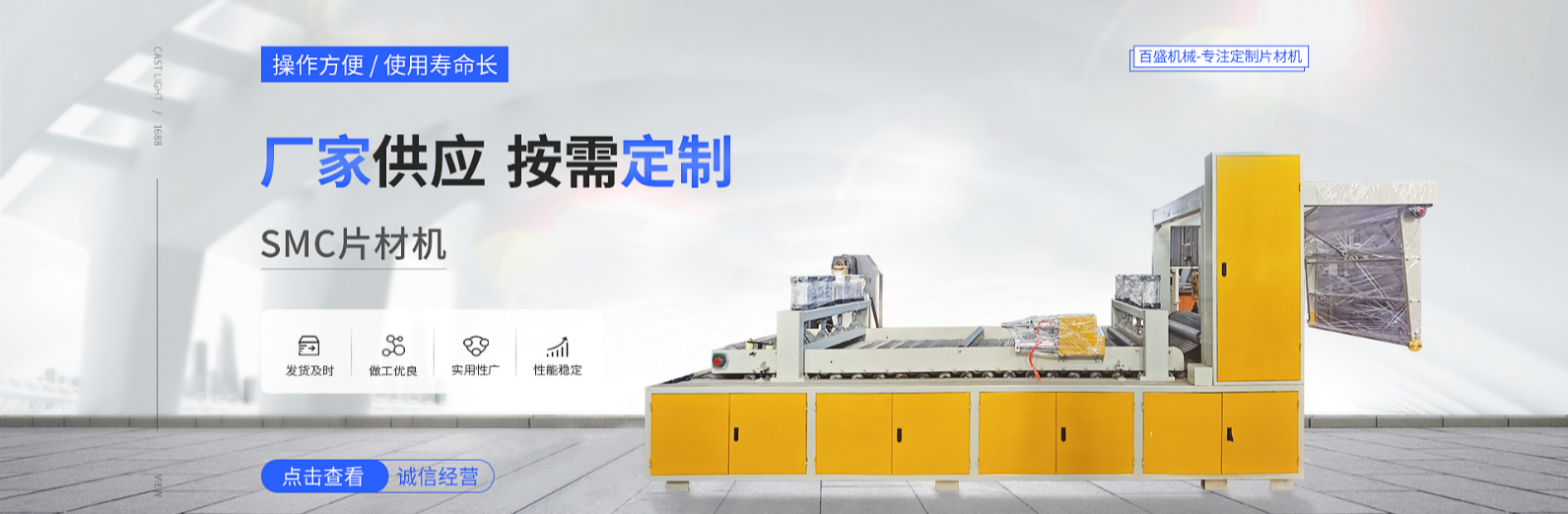
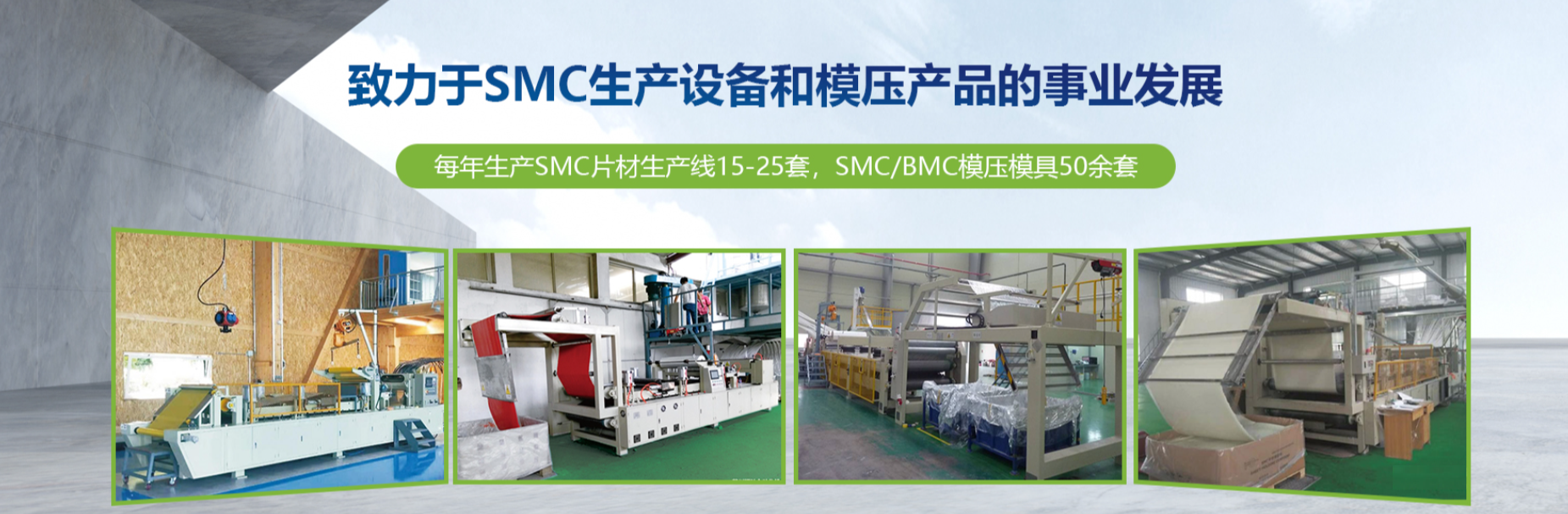
Operate and produce SMC sheeting machines, SMC sheeting m...

Selecting the appropriate SMC sheet material requires considering multiple factors. Here are detailed suggestions:
1. Define Application Requirements
Application Scenarios: SMC Sheets are widely used in various fields, including automotive, construction, electricity, home appliances, aerospace, electronics communication, railway transportation, wind power generation, sports equipment, and energy chemicals. For instance:
Automotive Industry: Body parts (such as doors, hoods), underbody components (such as underbody shields, bumpers), and interior parts (such as dashboards, seat frames), etc.
Building & Infrastructure: Facade panels, roof and floor systems, public facility components (such as waiting shelters, streetlight poles), etc.
Electrical & Power Equipment: Distribution boxes, control cabinet enclosures, electrical insulation components, etc.
Appliance Industry: Appliance casings (such as TVs, refrigerators), appliance panels, and components.
Performance Requirements: Determine the performance requirements for SMC sheet materials based on specific applications, such as mechanical strength, heat resistance, corrosion resistance, insulation properties, and flame retardancy.
2. Evaluate Material Performance
Mechanical Properties: High tensile strength, flexural strength, and impact toughness are essential for high-quality SMC sheet materials. Optimal performance is achieved when the glass fiber content is between 20%-25% and the fiber length ranges from 1/2 inch to 1 inch.
Corrosion and Weather Resistance: SMC sheet materials should maintain stable performance over a long period in harsh environments such as humidity and high temperatures.
Low shrinkage: The addition of low shrinkage additives (such as polyvinyl acetate PVAc) can reduce shrinkage during the molding process, improving surface quality.
Insulation Performance: For electrical applications, SMC sheets should possess high insulation strength and excellent flame-retardant properties.
3. Considering the production process
Thickening and Maturing: The production process involves thickening and maturing treatments to ensure the stability and consistency of the material.
Fiber Dispersion: Glass fibers should be evenly dispersed within the resin to avoid clumping or uneven distribution.
Filler Selection: The filler should possess low specific gravity, low oil absorption value, high brightness, and fine particle size to ensure the fluidity and surface quality of the material.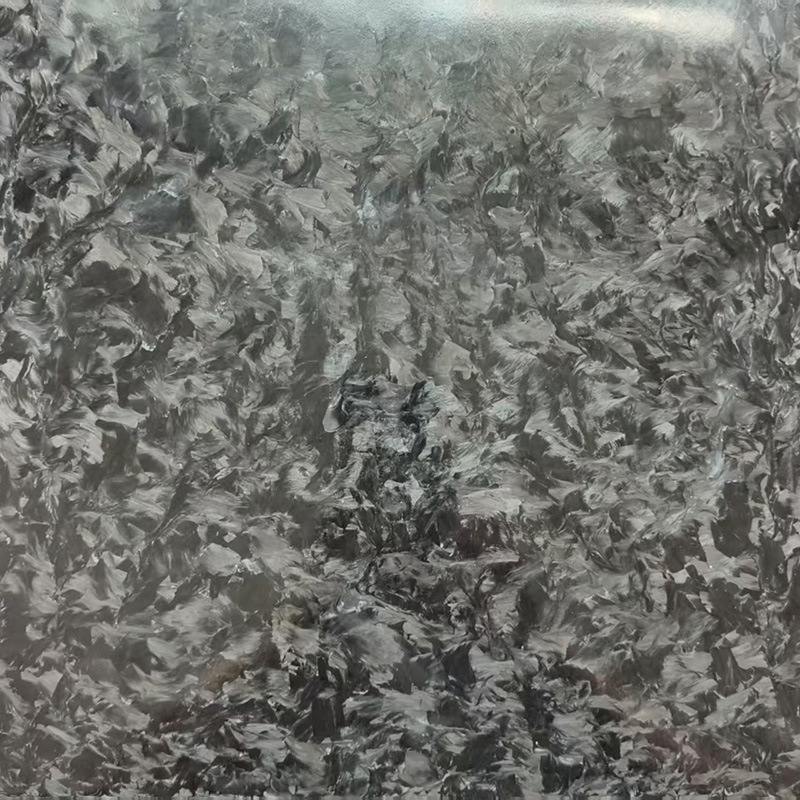 Supplier Reputation and Certification
Supplier Credibility: Choose reputable and experienced suppliers to ensure material quality and after-sales service.
Certification and Standards: Prioritize suppliers that have passed international certifications such as ISO, UL, to ensure materials meet industry standards.
5. Cost and Value for Money
Cost Control: Selecting cost-effective SMC sheet materials that meet performance requirements. Consideration is given to material, processing, and maintenance costs.
Return on Investment: We ensure a reasonable ROI by considering the cost of equipment procurement, operational expenses, and expected output.
6. Customized Services
Some suppliers offer customized services, allowing for adjustments to material formulas and performance to meet specific application requirements.
By following these steps, you can select the appropriate SMC sheet material based on specific application scenarios and requirements, ensuring optimal performance in various applications while maximizing cost-effectiveness.


b2b.china9.net © Zhongshang 114 Hebei Network Technology Co., Ltd.Address: Room 6009, Oriental New World Center, No.118 East Zhongshan Road, Qiaoxi District, Shijiazhuang City, Hebei ProvincePlatform Service Hotline: 4006299930