

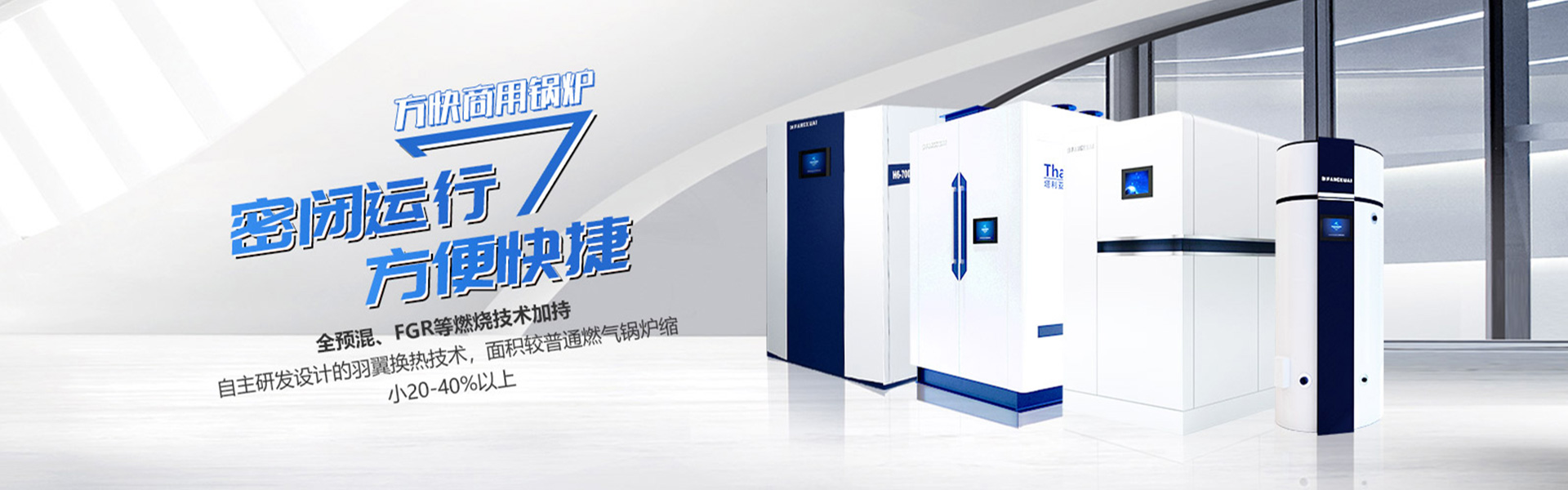

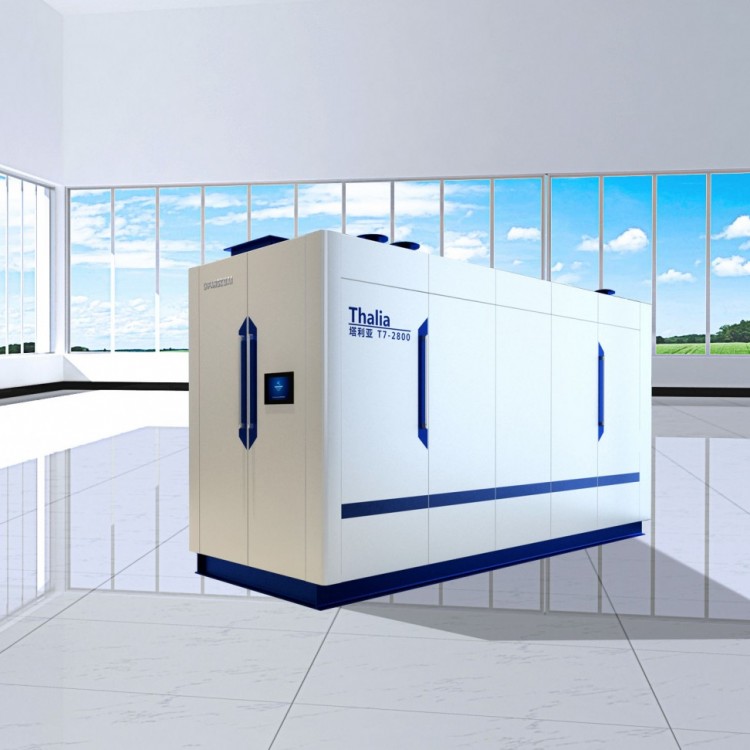
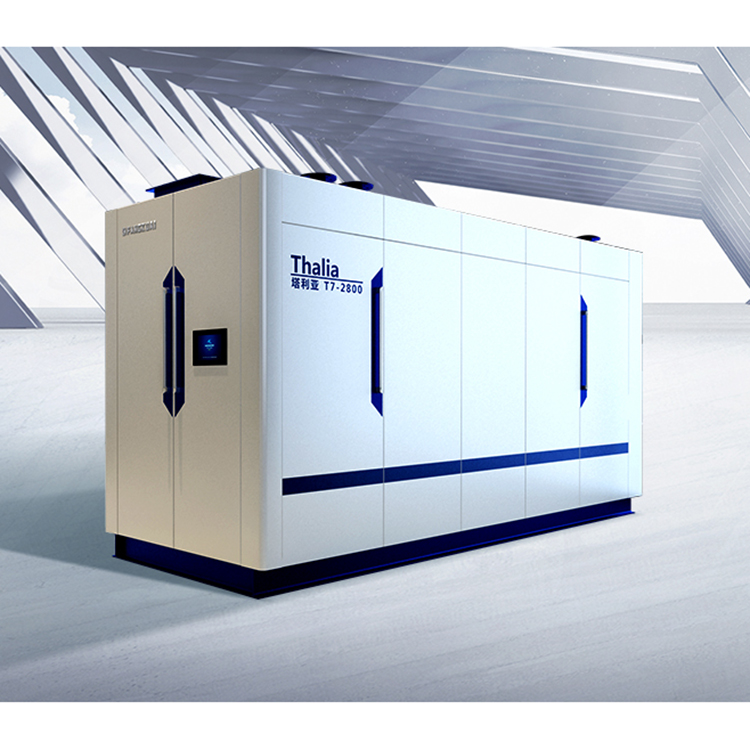
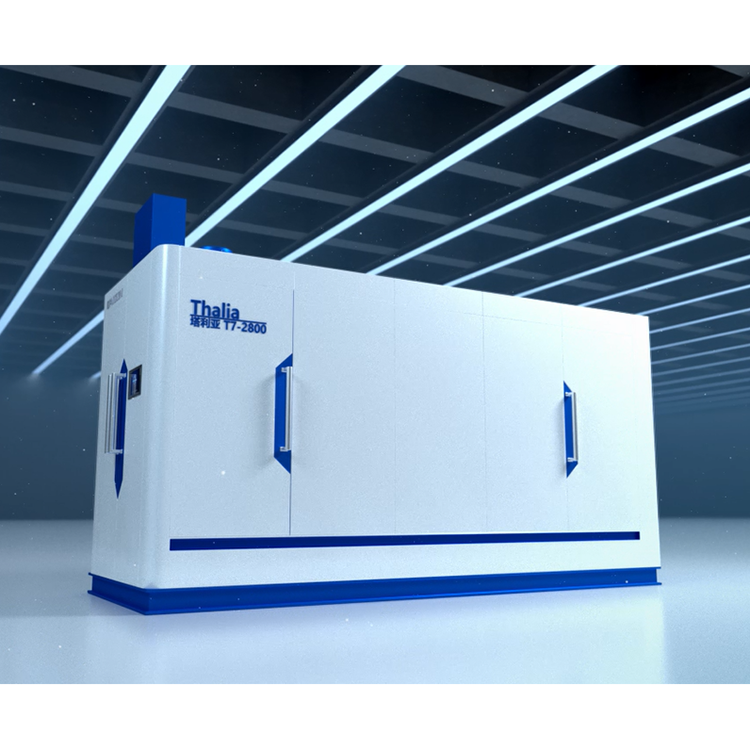


Vacuum is divided into two types: physical vacuum and industrial vacuum. Physical vacuum refers to a space with no particles, while industrial vacuum is a gas space with a pressure lower than one standard atmosphere, indicating a thin gas state, typically achieved using specialized vacuum pumps. Vacuum boilers are mainly used for civil heating purposes and can be specifically applied in hotels, residential complexes, commercial facilities, and other venues for heating and supplying hot water for sanitation.
A vacuum boiler forms a vacuum environment within a sealed furnace body, filling it with heat medium water. The heat medium water is heated through combustion or other methods, then evaporates and condenses onto the heat exchanger, which is a residential area vacuum gas hot water boiler. The heat exchanger then heats the water that requires heating.

The condensing atmospheric pressure gas hot water boiler provides heating and domestic hot water for hotels, schools, bathhouses, and other enterprises and institutions.
The furnace features a wet-back central reburning structure, where fuel is atomized and combusted under micro-positive pressure within the furnace chamber. The high-temperature flue gas transmits heat and washes the heated surface of the flue tubes, followed by condensation in the flue gas condensation unit before being released into the atmosphere. Equipped with imported burners and computer simulation control, the boiler achieves optimal operating performance.
Utilizing a corrugated furnace tube to increase the heat transfer area and ensure free expansion after exposure to high temperature radiation; the convection heat exchange surface employs threaded flue pipes to enhance heat transfer efficiency; a flue gas condenser is installed at the tail to absorb latent heat from the flue gas, providing a gym vacuum gas-fired hot water boiler with energy-saving benefits. This ensures an efficiency of over 96%.

After boiler shutdown, for a hotel's vacuum gas-fired hot water boiler, if the inner surface of the pipes is damp, external air can enter, causing oxidation and corrosion of the internal metal surface. To prevent this corrosion, maintenance must be performed after the boiler is shut down. There are several maintenance methods for different shutdowns:
1. The steam pressure method for anti-corrosion and standby should not exceed 5 days. After the boiler stops supplying steam, all openings and doors should be tightly closed to minimize heat loss, slow down the pressure drop, and maintain the drum pressure above 0.5MPa. When the drum pressure falls below 0.5MPa, the fire should be lit to increase pressure, or use the neighboring boiler's steam heating device to maintain the pressure.
2. For the overflow corrosion prevention method, after shutdown, transfer to standby or handle defects in non-pressurized components, with a shutdown duration of around 30 days. This method can be applied to Shandong vacuum gas-fired hot water boilers. After shutdown, wait until the steam pressure drops to 0.5-1.0 MPa, then water is introduced from the outlet header of the superheater in reverse, until the overflow through the sampling door at the boiler's highest point, controlling the overflow water volume to 50-200L/h. During the corrosion prevention period, a dedicated person should monitor and maintain the steam drum pressure within the specified range to prevent excessive pressure changes.

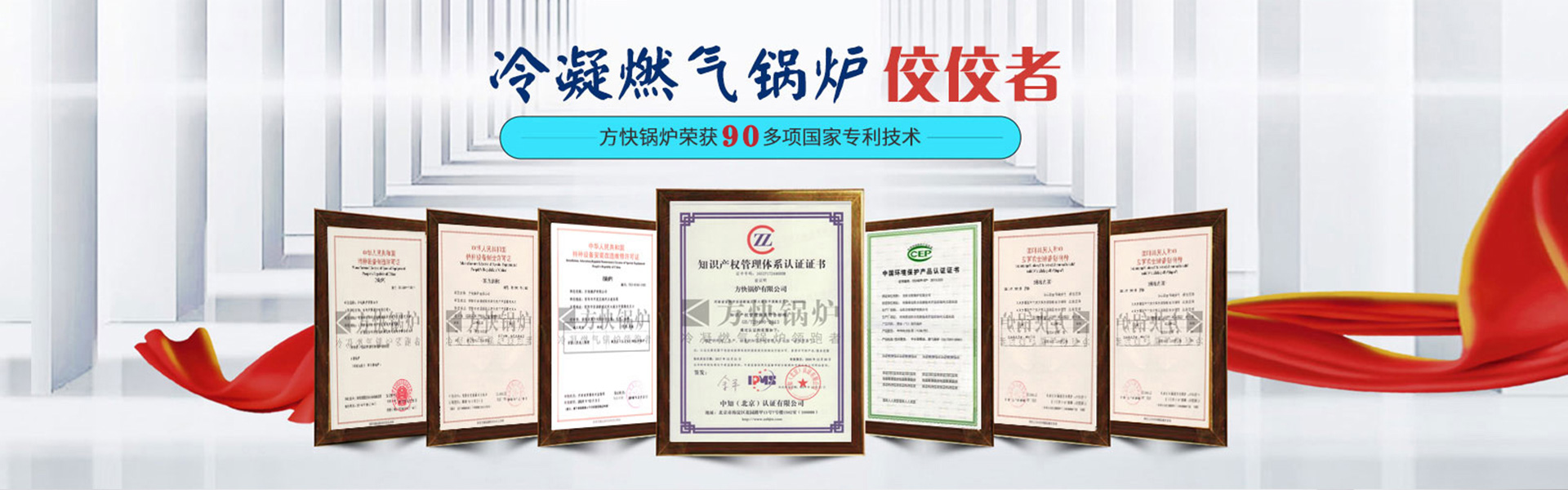
Fangkai Boiler Co., Ltd. is a company specializing in "steam boilers, vacuum hot water boilers, vacuum boilers, industrial boilers, and commercial boilers." Since its establishment, we have adhered to the policy of "honesty as the foundation and stable operation," actively participating in the healthy market competition, which has earned the "Fangkai" brand a good reputation. We uphold the principle of "customer service first, customers supreme," which has gained the trust of numerous clients in industrial boilers and accessories, and established a positive corporate image. Special Note: The images and materials in this information are for reference only. Please contact us for accurate information. Thank you!

