


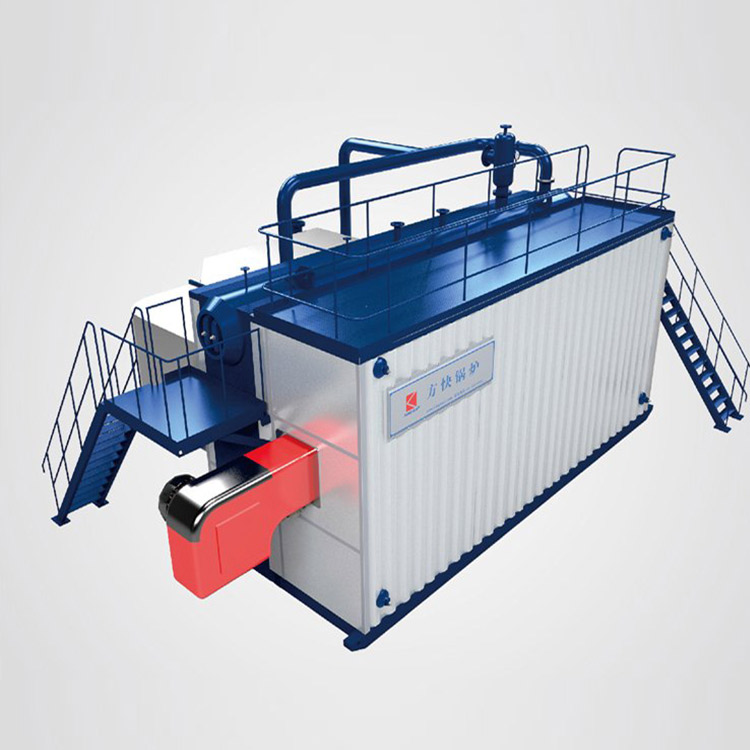


Low nitrogen retrofitting of gas boilers is crucial for the effective reduction and source control of nitrogen oxides. The Party Committee and Management Committee of the High-Tech Industrial Development Zone attach great importance to it, advancing the low nitrogen retrofitting work of gas boilers with a sense of urgency, creating a large-scale demonstration in the city, and striving to embody the principle that "green mountains and clear waters are as valuable as gold and silver" in our city!
During the low nitrogen retrofitting of gas-fired boilers, the High-tech Zone strictly enforces the ISO 14001 standard to strengthen the whole-process supervision. Real-time monitoring is conducted on the gas-fired boilers in use, objectively grasping the emissions of pollutants from the boiler exhaust. Continuously expanding the scope and scale of the low nitrogen retrofitting of gas-fired boilers, strive to achieve "as needed, as modified" for Shanghai commercial gas hot water units, and work hard to ensure the practical effectiveness of this project.

Ensure the vacuum boiler is functioning properly, first run the water pump and closely monitor the outlet pressure and sound. Only after confirming there are no abnormalities should you turn on the boiler's control power supply, and be mindful not to switch on the vacuum pump's power.

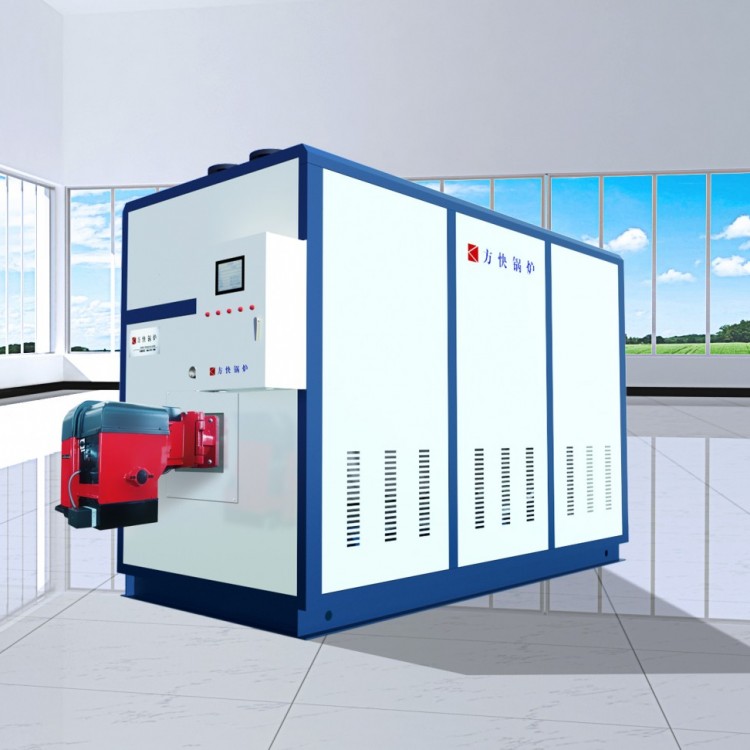
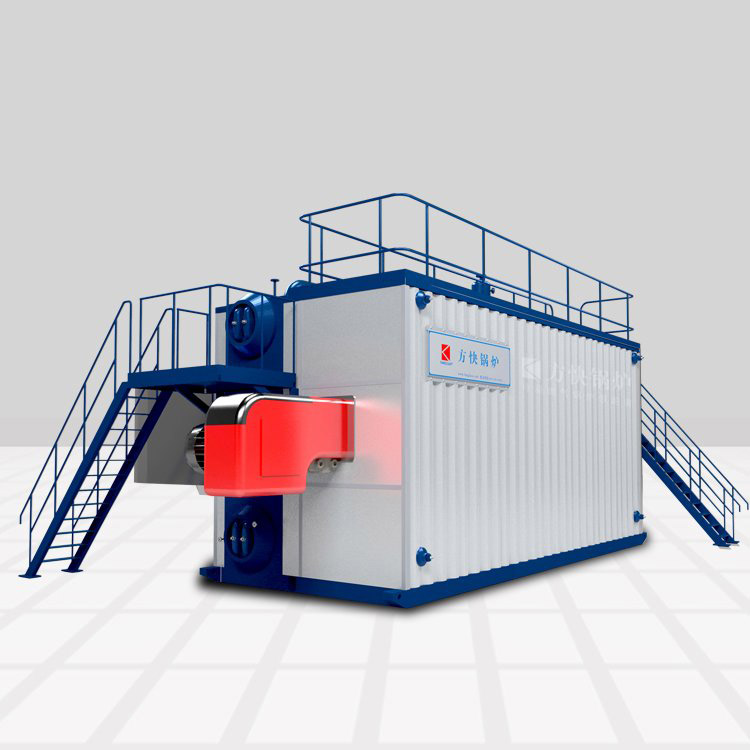
The structure of the vacuum hot water boiler is illustrated in the diagram. It consists of a combustion chamber (furnace), pipes, a vacuum steam chamber, a heat exchanger, and thermal medium water. The interior of the unit is under vacuum, isolated from external air, creating a sealed state. The thermal medium water covers the furnace and pipes, sealed within the unit. Since the pressure in the vacuum steam chamber is kept below atmospheric pressure, when the sealed thermal medium water is heated during combustion, it immediately boils, producing steam at the same temperature as the thermal medium water.
The steam generated inside contacts the surface of the heat exchanger installed in the vacuum steam chamber as it rises. The commercial gas hot water unit is set up, and since the water temperature within the heat exchanger is lower than the steam temperature, the steam condenses on the heat exchanger surface, releasing a large amount of latent heat. This heats the water in the heat exchanger. The condensed water returns to the heat medium water under strategic action.


