


- AllProduct Category
-
Wastewater Treatment Equipment
Recirculating Water Treatment Equipment
Waste Gas Treatment Equipment
Environmental Protection Filler & Accessories





详情描述
Application and Scope:
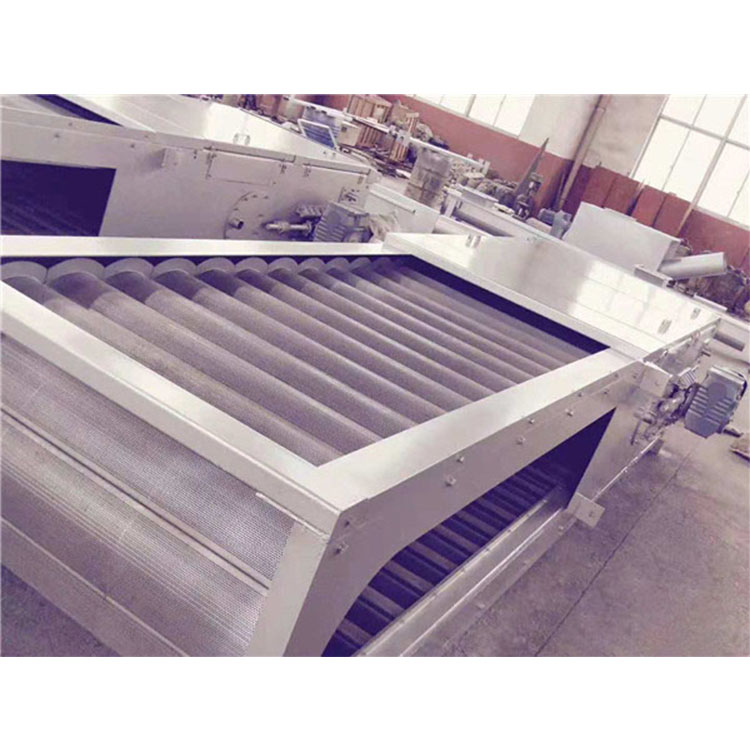
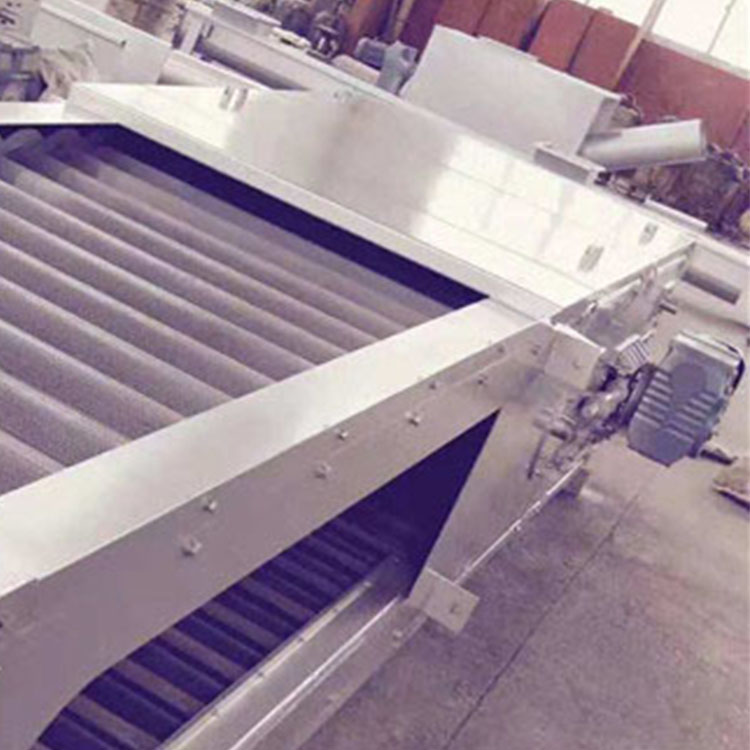
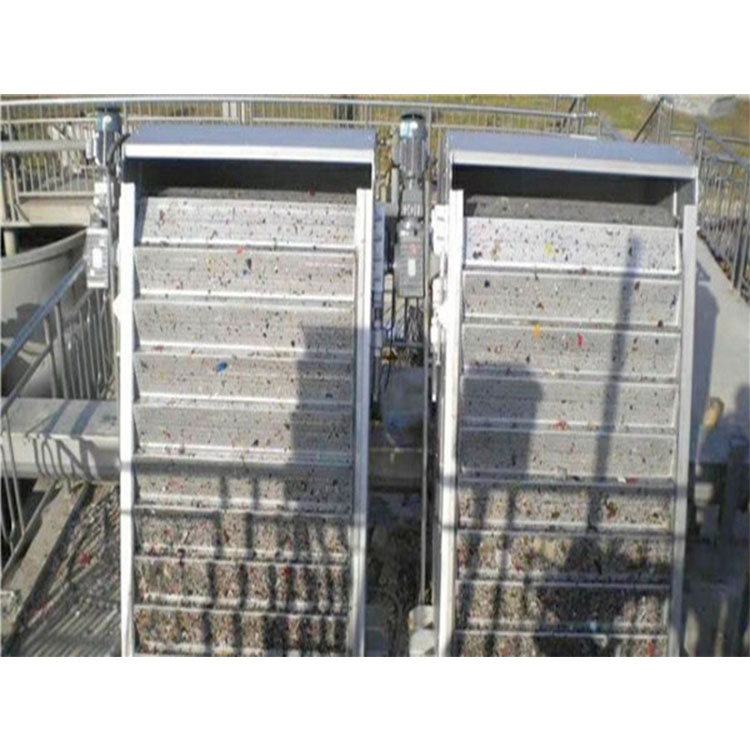
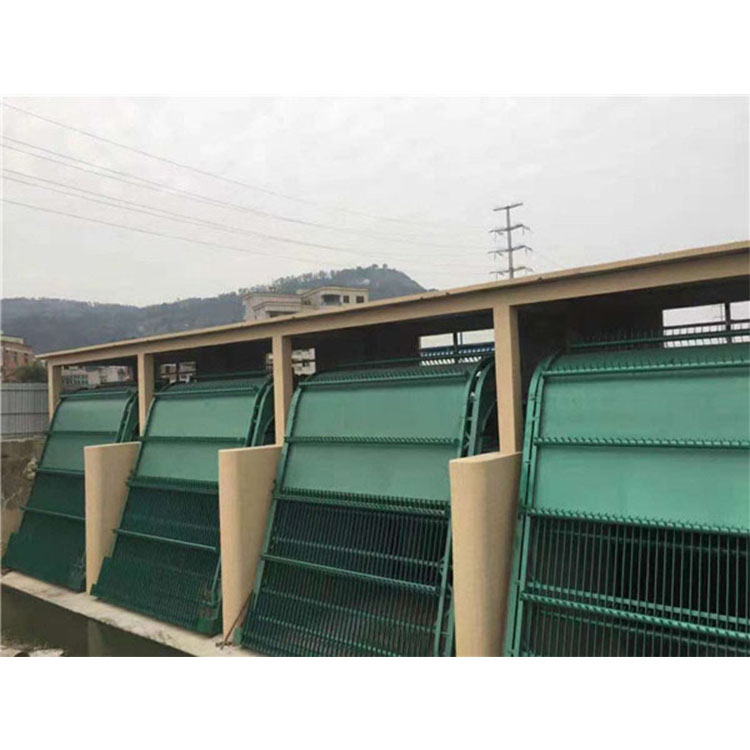
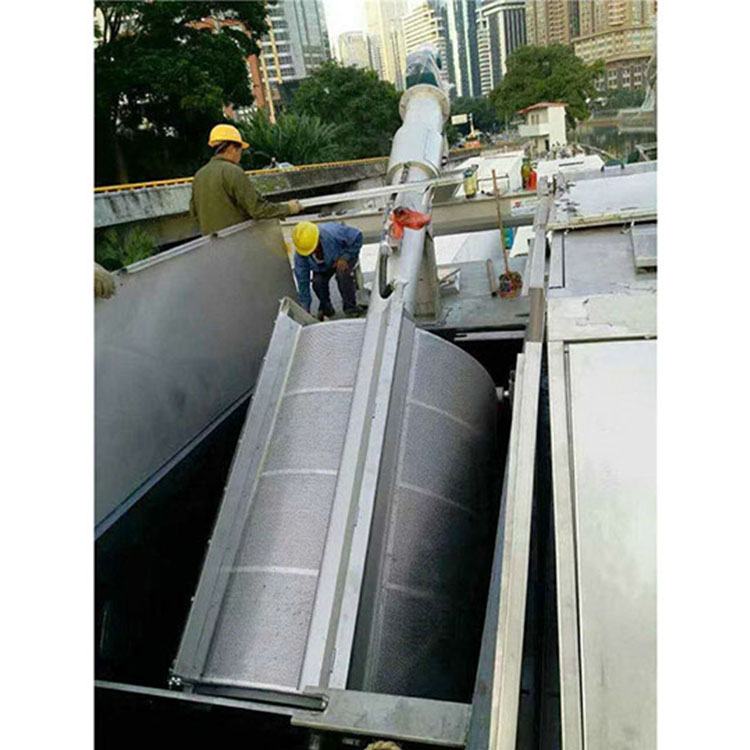
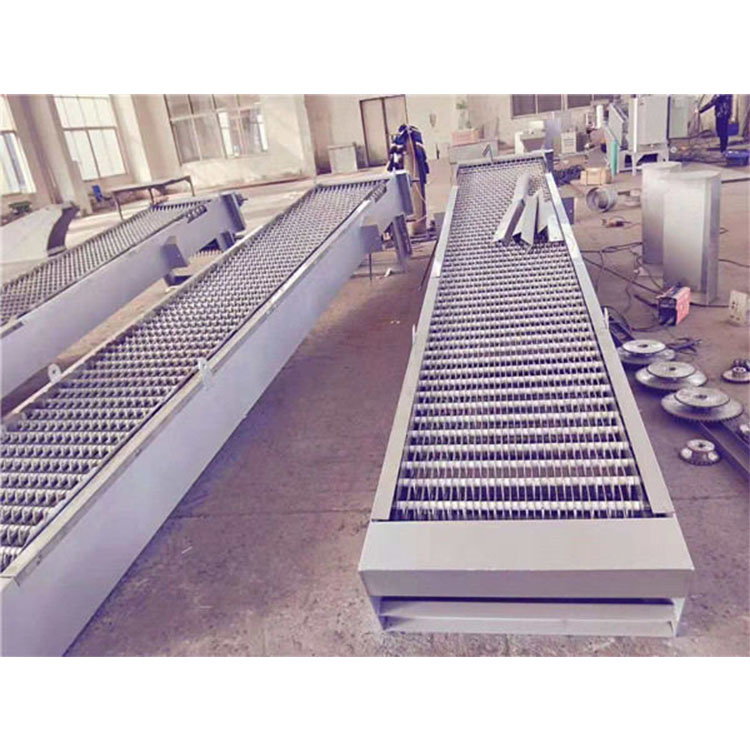
The GNW Type Inflow Grating Screen Dewatering Machine is an efficient fine-grating dewatering equipment that combines screening and decontamination. It is suitable for large, medium, and small pump stations as a fine-grating machine, intercepting and removing floating debris from water, such as weeds, paper, cigarette butts, seeds, fibers, and hair, etc. This model has a high debris capture rate, ensuring the effective implementation of subsequent treatment processes.
Structure and Features:
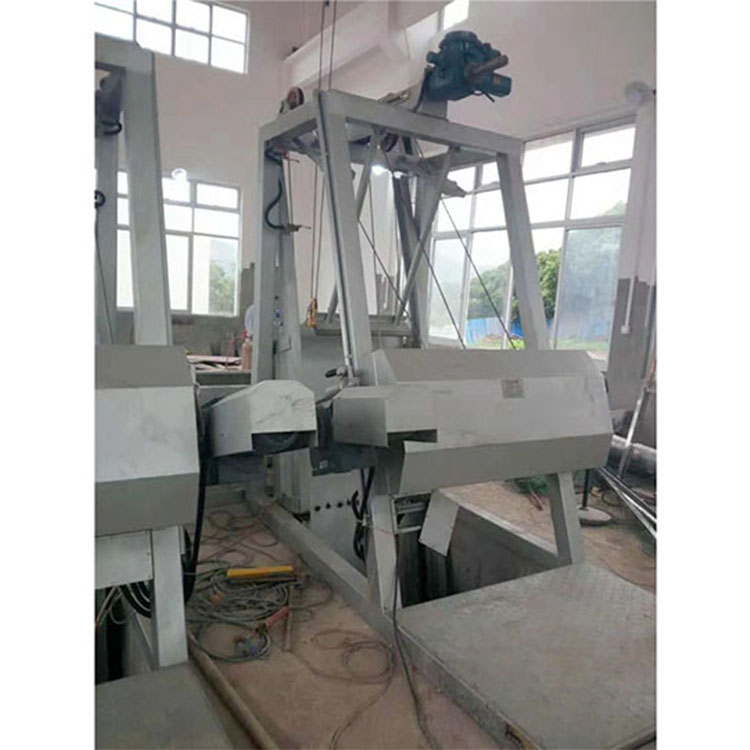
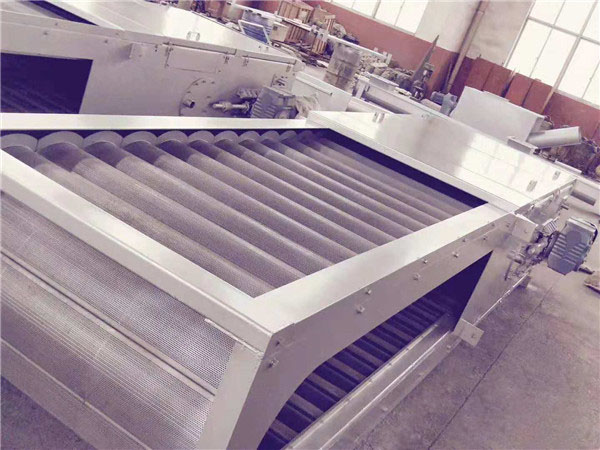
The internal flow plate grille cleaning machine is mainly composed of driving units, frames, traction chains, plates with lifting steps, washing systems, and electrical control systems. The driving motor is mounted on the main shaft of the frame facing forward. Under the drive of the transmission chain, the plates on both sides lift the dirt trapped within their length range from bottom to top. Upon reaching the top, the dirt is automatically discharged through the washing function of the top-mounted washing unit, with the waste water flowing into the collection trough between the plates and then draining out of the machine.
The drive unit of the internal flow plate grille cleaner is located at the top of the frame, equipped with an imported SEW shaft-mounted reducer. Spiral adjustment devices are set on both sides of the frame for adjusting the tension of the drive chain.
The frame of the internal flow plate grillage cleaning machine is a rigid rectangular structure assembled and welded from stainless steel plates and sections. The lower end of the frame facing the water has an inlet opening. The front and rear walls of the frame are equipped with guides, and an internal slag collection trough extends upwards to outside the frame. The frame is installed at the center of the grillage well, with the gap between the frame and the well serving as the passage for the filtered-out water from the grill. Guide baffles are arranged on both sides of the frame facing the water, which, while directing the flow, also prevent floating debris from passing through.
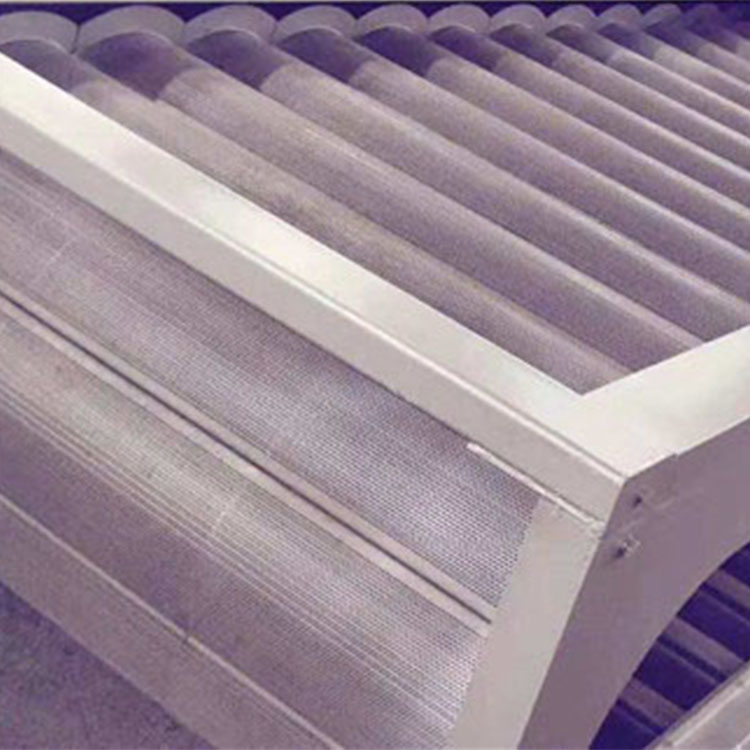
The drive chain sprockets and guide devices for transmission are respectively located at the upper and lower sides of the machine frame. The step-type mesh plate is made of ASTM 304 stainless steel, featuring a regular arrangement of small holes with the functions of water passage and waste interception, allowing the step surface to retain larger debris. The inward-flowing mesh plate格栅cleaning machine is equipped with a reliable mesh plate flushing system, where the medium-pressure flushing system operates simultaneously with the grille, effectively removing the vast majority of debris intercepted by the mesh plate. The high-pressure flushing system removes some difficult-to-remove debris, ensuring the regeneration of the mesh holes.
Technical Specifications:

Electrical Control:
3 electrical systems for grid decks are housed in 1 electrical control cabinet, which includes controls for high drainage press榨机 and medium to high-pressure flushing pumps, allowing for individual or interlocked control. During interlocked control, the grid cleaner and high drainage spiral press榨机, as well as the flushing pump, can be started or stopped simultaneously; the electrical control of the cleaner features manual, automatic, manual/automatic switching, emergency stop, cutoff, and alarm functions. Manual control is used for short-term on-site operation of the cleaner. When the machine operates in automatic mode, the "start-stop" working cycle of the cleaner is set on the touch screen within a 0-24 hour period. If the water level in front of the grid exceeds the set value during the stop time cycle of the grid machine, the machine automatically starts running. The electrical control cabinet of the inward-flowing grid plate cleaner has an interface for remote centralized (PLC) control. When unattended, the operator turns the control knob to the automatic position, and the cleaner will run automatically.
Operation Instructions for Model 1/2/3 Grating Machines:
The operator of this machine should be familiar with its performance and be proficient in operating, maintaining, and caring for the machine.
The main power switch inside the cabinet is turned off, along with switches for格栅1, 2, and 3, and their system equipment motor circuit breakers. The transformer switch on the inner door is turned on, with the power indicator lights (220V indicator) and (24V indicator) illuminated.
The cabinet door features three selector switches: one for remote control and on-site selection, and the other for manual and automatic selection. When the selector switch is turned to the manual position, the motors can be manually controlled via the buttons on the touch screen; when the selector switch is turned to the automatic position, the system alternates operation according to the set start and stop times.
The emergency control switch is set below the button platform. In the event of a PLC system failure, the selector switch is placed in the emergency position, the corresponding grille switch is opened, and the system operates automatically under the control of the timer relay.
Warning Regarding High-Pressure Pump Settings:
In manual mode, the high-pressure pump must NOT be set to the open position!
In Automatic Mode: The single work time can be set to 4-5 minutes, with intervals generally not less than 4 hours!
Fault:
The main motor or pump motor of the grille has experienced overload, causing the system to automatically shut down. When the motor is overloaded, the fault indicator light illuminates, and a corresponding fault message appears on the touch screen. In case of a water supply interruption for flushing, the flushing system will cease operation and emit a water shortage alarm signal. Relevant personnel should promptly address the issue to prevent wastewater overflow.
The cabinet door is equipped with an emergency stop button (SB0). In the event of an abnormal fault, pressing (SB0) will stop the entire system. After confirming normal operation, the button can be rotated to reset it.
Maintenance and repair:
1. Keep the area around the grate clean and inspect and clean it at least once daily. Absolutely no wood blocks, planks, or other debris should be thrown into the front pool of the grate!
2. Regularly inspect the gear oil seal for oil leakage; replace any damaged seals promptly. Refill oil as needed and change it regularly. Ensure the reducer is properly lubricated and maintain it according to the SEW manual. The high-pressure pump must replace the initial lubricant after 30 hours of operation, and then change the lubricant every 100 hours. Use 46-grade high-quality anti-wear hydraulic oil and fill it to the middle of the oil level indicator. Warning: Before changing the oil, the circuit breaker QF5/QF10 of the high-pressure pump motor must be disconnected.
3. The four bearings on the rack wall must be lubricated regularly with lithium-based grease. Refill every 30 days. Additionally, the oil cup on the bearing housing at the end of the press must also be refilled every 30 days.
4. Regularly clean the pipeline filter screen, typically stopping to clean the filter screen when the pressure gauge after the filter shows a pressure below 0.6 Mpa, to ensure the flushing system's effectiveness. Warning: Before starting up, make sure to open all valves that were closed during the cleaning process!
5. The machine should avoid prolonged downtime to ensure all parts are in good working condition. If the machine is to be idle for more than 7 days, it is mandatory to fully drain the wastewater, and the grating should not be left submerged in stagnant wastewater for extended periods.
6. Electrical repairs should be performed by professionals and the power should be turned off during the repair process.
Simple Observation Methods for Equipment Operation:
1. Grate Front: Observe the filter mesh at the water inlet, with the upstream filter on the left, which has a lot of debris on the mesh. The downstream filter on the right should be clean with no particles.
2. Behind the Grid: Observe the water flow in the outflow channels on both sides of the grid. When the grid is operating, the water surges and the flow rate is high. When stopped, the outflow gradually decreases, the flow rate slows down, and the liquid level behind the grid becomes more stable.
3. Observe the grille machine's operation cycle for any abnormal sounds, and listen to whether the impact sound during the medium-pressure flushing is loud and forceful.
4. Observe for any abnormal sounds during the operation of the press, and check if the slag and drainage output are normal.
询价单


