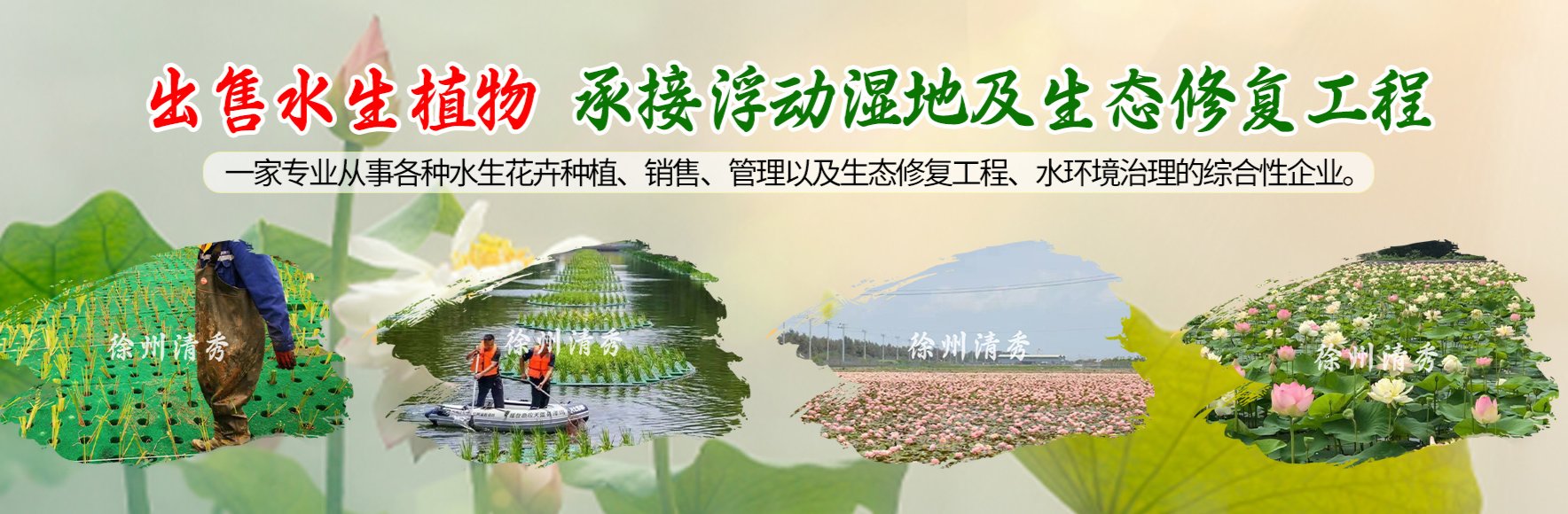
A comprehensive enterprise specializing in the cultivatio...


Product Recommendation
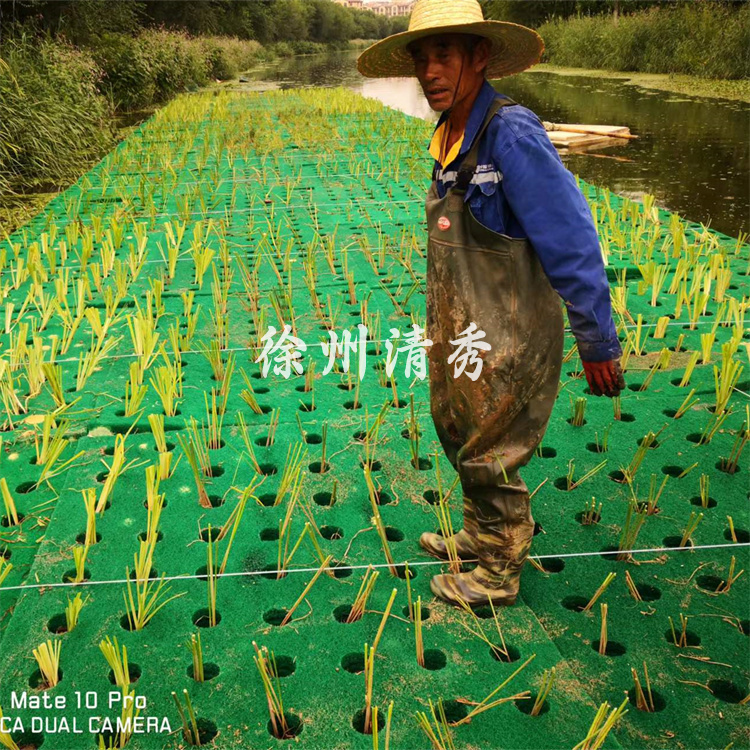
Floating Wetlands: Advanced Water Purification Technology, Creating a New Subaqueous Ecosystem Balance
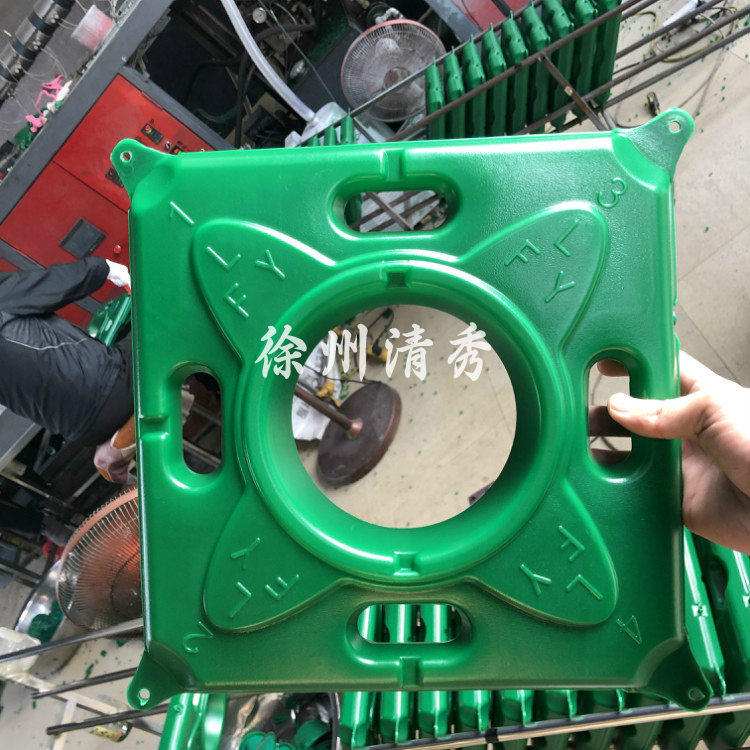
Ecological Floating Island: A dual benefit of water purification and landscape creation, essential equipment for aquatic restoration.
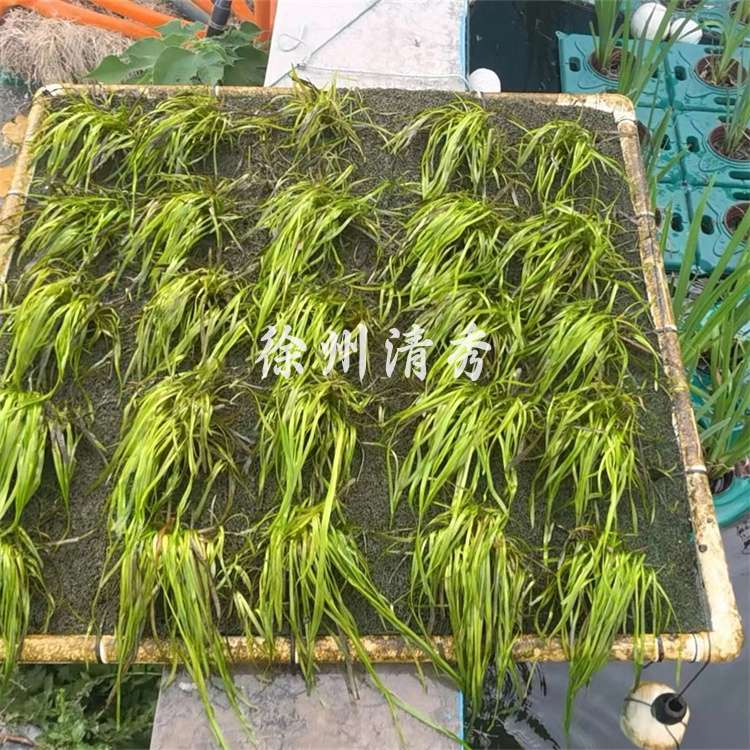
Ecological Submerged Bed: Core water purification equipment, aiding in the treatment of eutrophication in water bodies.
Floating Wetlands: Advanced Water Purification Technology, Creating a New Subaqueous Ecosystem Balance
Ecological Floating Island: A dual benefit of water purification and landscape creation, essential equipment for aquatic restoration.
Ecological Submerged Bed: Core water purification equipment, aiding in the treatment of eutrophication in water bodies.
Lotus Flower Cut Flower Cultivation Technique
Lotus flowers, summer's aquatic blooms, grace the water with their delicate beauty. Transplanted from the natural ecosystem to a nearby观赏 spot for cultivation, they exude a refreshing charm, having become an indispensable aquatic plant in many gardens and ponds. Although their lifespan as cut flowers is brief, their vibrant colors and luster are perfect for water vase arrangements, offering a cooling sensation to any room. Lotus plant characteristics: nearly round to elliptical leaves, up to 30-60 cm in diameter, with deep basal notches, and a rich green color. The leaf base notch is sharp, following the point of the petals; while the notch of the leaf with rounded petals is also rounded. The leaf margin slightly curves inward, particularly evident in tropical species. The flowers have numerous petals, four sepals, and a multitude of stamens. They typically float on the water's surface and bloom. Colors include white, red, purple, pink, yellow, with a blooming period from May to October. A good flowering plant can produce 70-80 flowers, with the stem and flower submerged in water after blooming, dispersing mature seeds. The rhizome of the common species produces new buds annually; the tropical species produces spherical tuberous bulbs, which can be propagated for new plants (buds).
Lotus Flower Cut Flower Cultivation Technique
One, the planting period for lotus cut flowers is typically one month later for tropical species than for common ones, with May to June being the ideal time. This coincides with the time when old bulbs are about to sprout new buds, and it is crucial not to exceed the end of June. The bulbs or tubers of lotus flowers appear black and are difficult to distinguish between good and bad quality. To differentiate, use a small knife to peel them; the white and hard flesh indicates good bulbs, and those with tender sprouts are reliable. Do not use dried or rotten bulbs that have been stored for a long time.
Lily Pad Cut Flower Soil and Planting Method: Optimal planting requires heavy, clay-like soil and good sunlight exposure. Alternatively, the use of soil mixed with clay can also be suitable for cultivation. Before planting, apply base fertilizer in the planting holes and lightly cover it with soil. Plant bulbs (seedlings) and fill the hole with soil up to the bud tip. Cover the hole's surface with small pebbles to prevent the bulbs from floating and to keep the pond water clear. Water should be poured to a level 3 centimeters above the bottom of the pond. Subsequently, as the leaves grow taller, increase the water level accordingly (refer to the planting example image below).
Three, after planting lotus cut flowers, it takes about a week for small sprouts to appear. Before they emerge above the original water level, the pool water should be deepened to 30-45 centimeters. The newly emerged tender leaves are curled, and the leaf stalks extend to the water depth to unfurl the leaves; at this point, it's time to decide on the water depth to maintain. Once the leaves float on the surface, maintain a consistent depth at all times. Regularly monitor the water level, and if it decreases, immediately add water to reach a certain depth. During management, if yellow withered leaves are seen, they should be removed promptly. No special care is needed for the rest.
As the season changes, the leaves and stems of lotus flowers in the water begin to wither, and by the winter, only the rootstock remains. If left in the pond with no reduction in water levels, there is a risk of frost damage and death. Therefore, it is necessary to dig them all out and collect them as soon as autumn arrives. Plant the rootstock densely in extra-large square pots and store them indoors in a warm environment to survive the winter. The minimum temperature for survival is around 13°C.
V. Method for Cutting Water Lily Flowers Water lilies, due to their growth in water, have less preservative power than terrestrial plants once cut. Once the flowers are removed from the water, their ability to absorb water is surprisingly poor. Therefore, the injection method must be used, forcing water to be injected into the cut to achieve water absorption and benefit the preservation of the flower arrangement. This measure can be carried out by flower cutters or even by consumers themselves. Besides requiring more water injectors, the operation is simpler and more cost-effective than other preservation methods, making it both convenient and efficient.
Six, the propagation of lotus flower cuttings involves digging up and storing the old mother bulbs in autumn. These bulbs are surrounded by numerous daughter bulbs of varying sizes. When replanting in May of the following year, the entire plant is removed from the pot, and the bulbs are planted in the pond just like the mother bulbs. Although the bulbs are small, resembling broad beans, they soon grow robust after planting. To produce good offspring, artificial pollination should be conducted. After harvesting the seeds, they are immediately sown in a box filled with sticky soil, a process called "take-sowing." Some plants may bloom the following year, but to have all plants bloom, it is only possible by the third year.


b2b.china9.net © Zhongshang 114 Hebei Network Technology Co., Ltd.Address: Room 6009, Oriental New World Center, No.118 East Zhongshan Road, Qiaoxi District, Shijiazhuang City, Hebei ProvincePlatform Service Hotline: 4006299930