
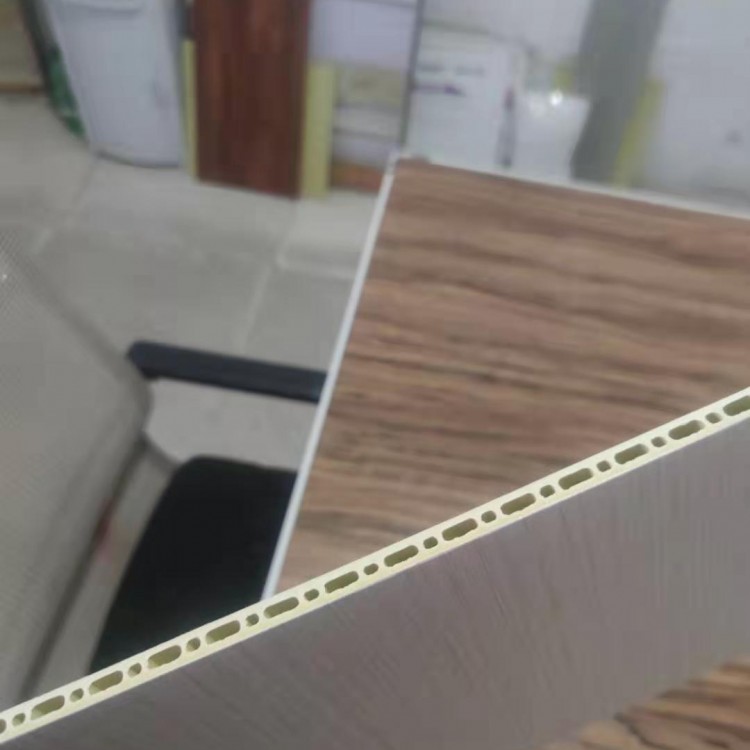
 Sichuan Mianyang Integrated Wall Panel Manufacturer, Mianyang Integrated Wall Panel Installation Cost
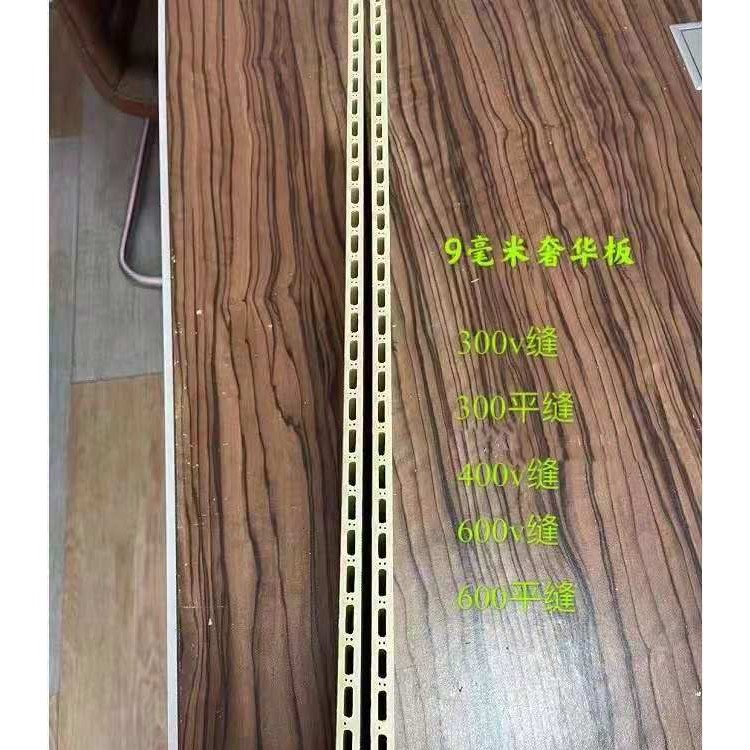 Deyang Integrated Panel Manufacturer, Deyang Integrated Panel Prices
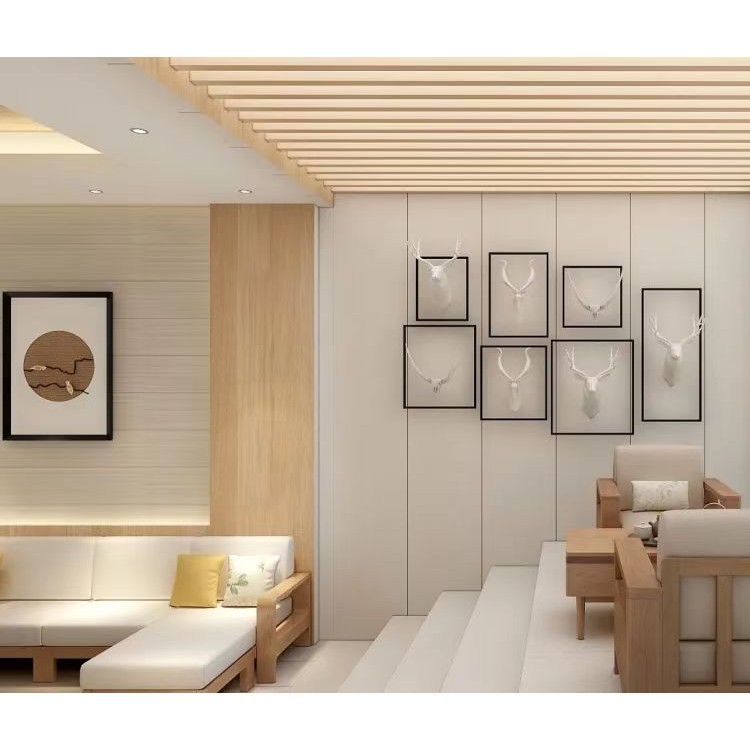 Install carbon crystal board walls / Carbon crystal board prices
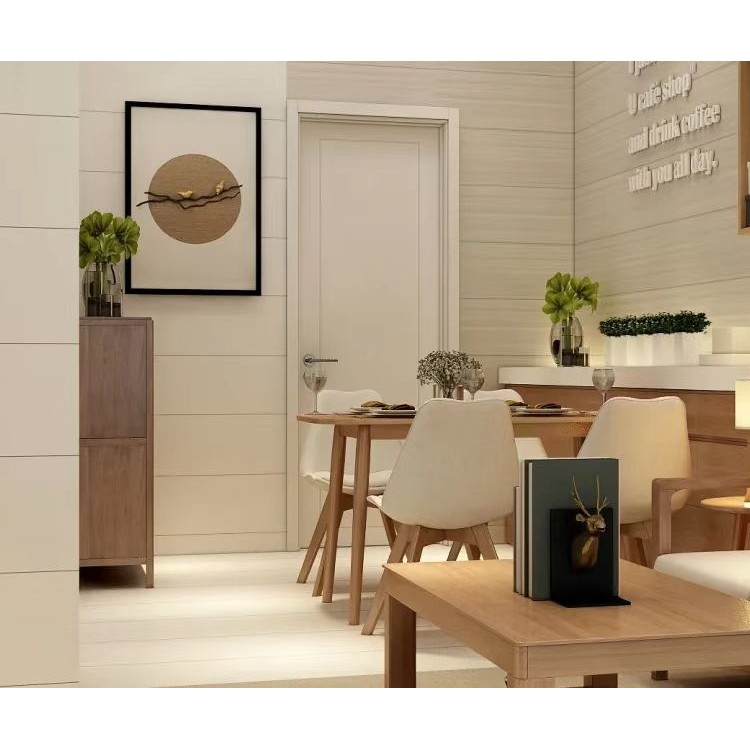 Meishan Carbon Crystal Plate Manufacturer, Carbon Crystal Plate Prices
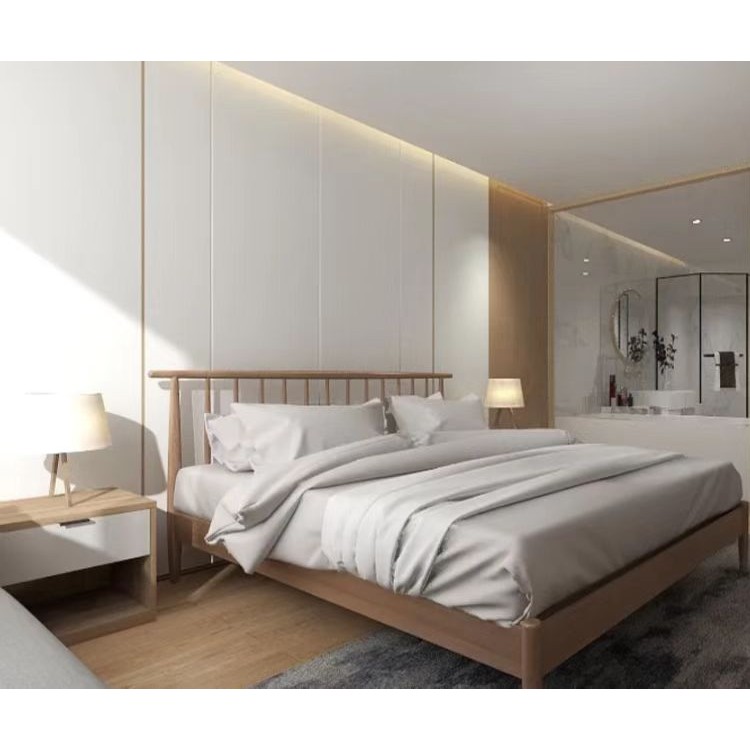 Sichuan Carbon Crystal Sheet Manufacturer, Sichuan Carbon Crystal Sheet Price
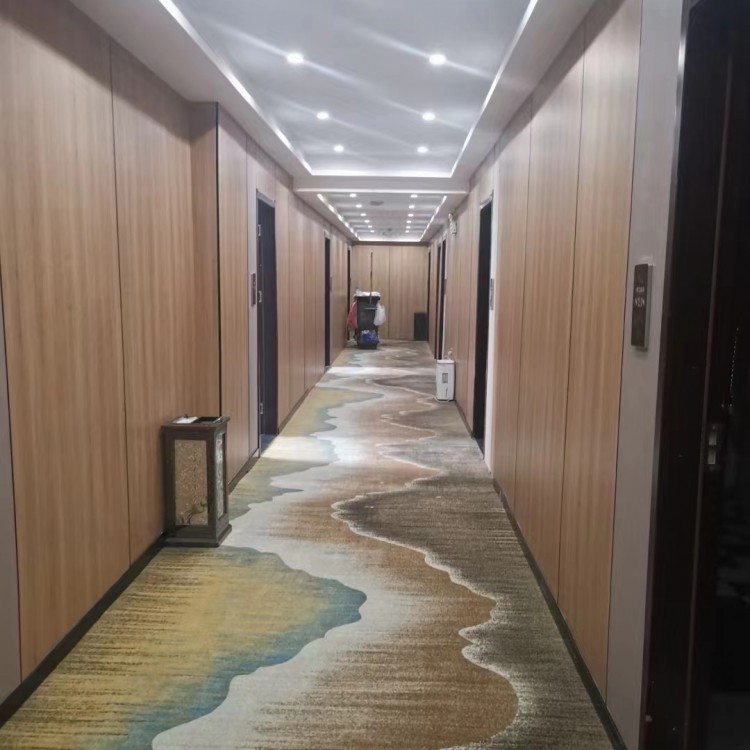 Sichuan Wood Panel Manufacturer, Sichuan Wood Panel Prices
Product Details

Integrated Wall Panels, Wood Decorative Panels, Carbon Crystal Boards

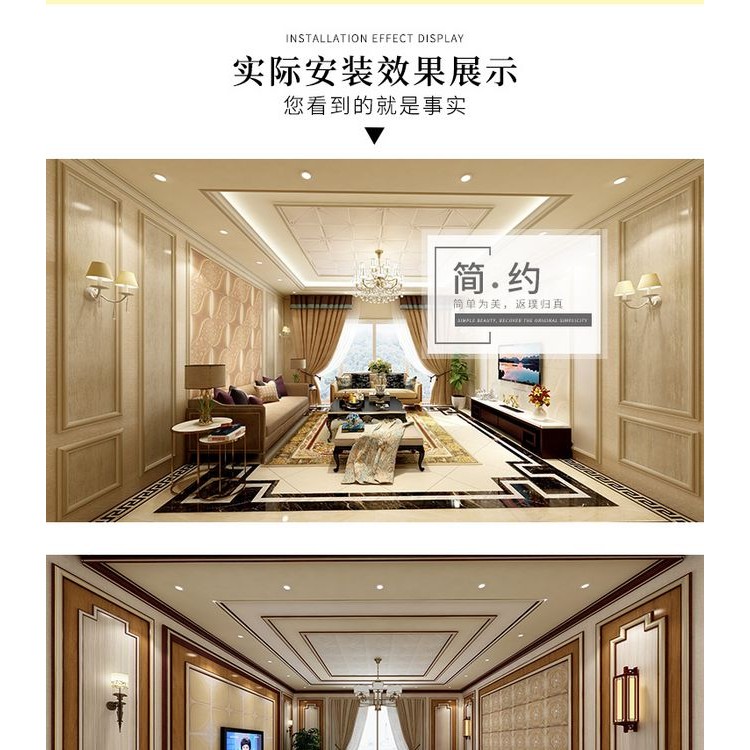
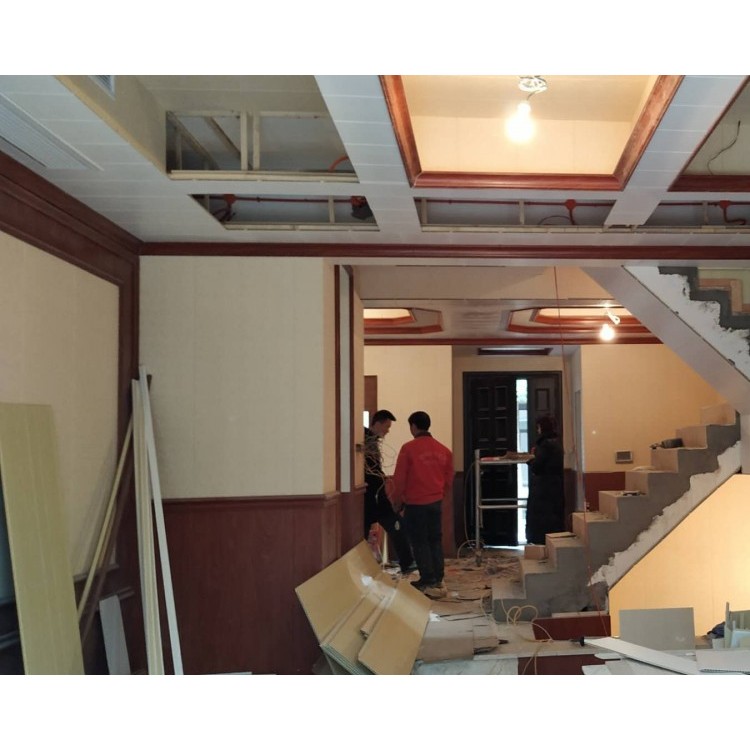
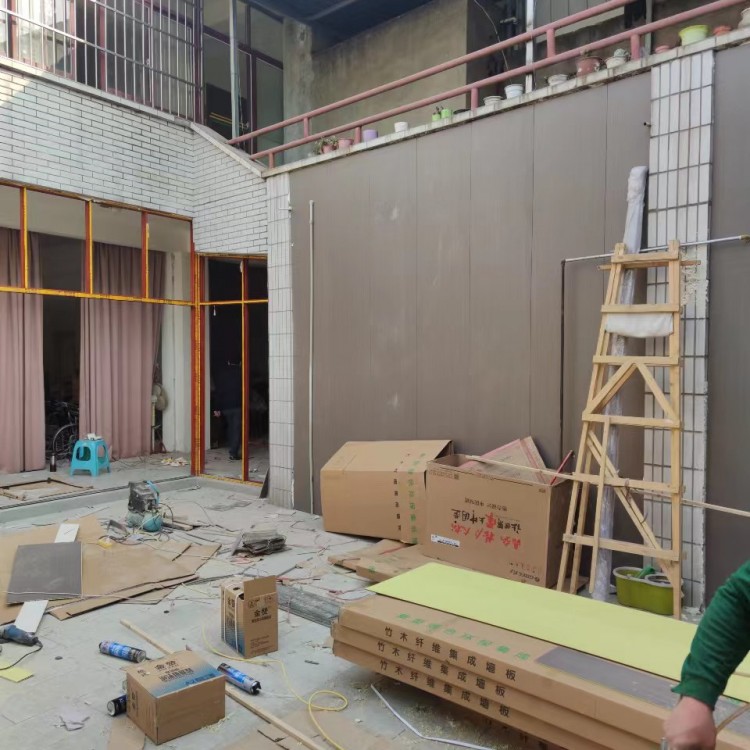
产品Price 40.00/square meters
最小起订Quantity:1 square meters 供货总Quantity: 100000 square meters


The Difference Between Integrated Wall Panels and Wood Decorative Panels Whether for home or public space renovations, wall decoration is an indispensable topic. To enhance the class of the renovation, wooden decorative materials are particularly favored. The two most popular products on the market currently are integrated wall panels and wood veneer panels. These two are both wooden decorative materials, yet most people are unaware of their differences or have a vague understanding of them, which hinders material selection for decoration. So, what are the distinctions between wood veneer panels and composite wall panels? Wood veneer panels are commonly used for decorating and protecting walls, furniture, etc., made by slicing solid wood into thin sheets and then bonding them onto plywood. Suitable for wall mounting or furniture surfaces, applicable to stone, ceramic tiles, metal, wood, etc., due to its thinness, it has a wide range of applications. The aluminum honeycomb panel material used in the integrated wall panels not only achieves the aesthetic and decorative look of wallpaper but also offers easier installation and a shorter construction period. The modular installation method of the integrated wall panels is highly efficient. Installation is extremely simple; no need for wall leveling, rough walls are fine for mounting, making the process even more convenient. Plus, thanks to its eco-friendly nature, the entire setup can often be completed and moved into within just a few days. Wood veneer panels can enhance the decorative harmony of a space. The patterns and colors of artificial wood veneers are rich, adding a simple and natural ambiance to homes, and the installation process is quite convenient. Can be directly mounted with glue; the defect is quite obvious, that is, a lot of glue is needed, and glue often contains a high amount of formaldehyde, etc., which can produce harmful volatile substances. Ventilation can only reduce formaldehyde levels after 3 months, and it takes several years, even up to a decade or more, for the formaldehyde to fully evaporate. On the other hand, integrated wall panels offer moisture-proof, fire-retardant, sound-insulating, and noise-reduction features, with a diverse range of decorative styles and customizable combinations. Currently, the market offers integrated wall panels in both perforated and non-perforated designs. Holed panels can enhance noise reduction, but they are not very hard. Solid-core integrated walls, on the other hand, have been upgraded for better noise reduction, durability, and collision resistance. And the integrated wall panels are made by high-temperature pressing of bamboo and wood fiber material, offering greater environmental friendliness and enabling immediate occupancy upon installation. Integrated wall panels and wood veneer panels each have their own uses in wall decoration. Overall, integrated walls outperform solid wood veneers in functionality. Considering family factors, For urgent occupancy or if there are children at home, integrated wall panels can be an option. Price-wise, as they are still in the development phase, the manufacturing cost is slightly higher, but installation is quicker, saving labor costs. Longer lifespan than traditional materials, offering better value for money overall, and also easy to maintain in the long run.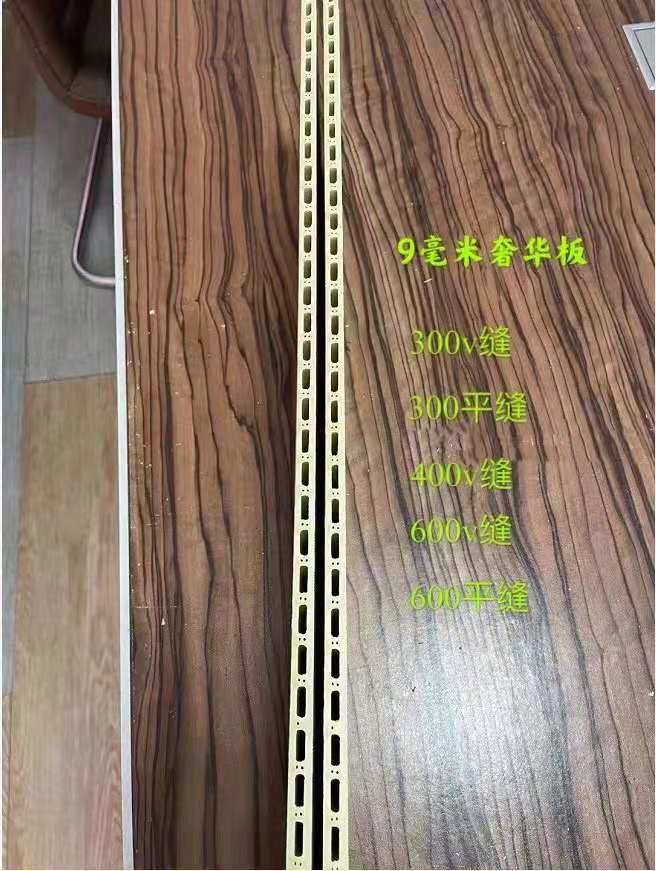

Phone Consultation