
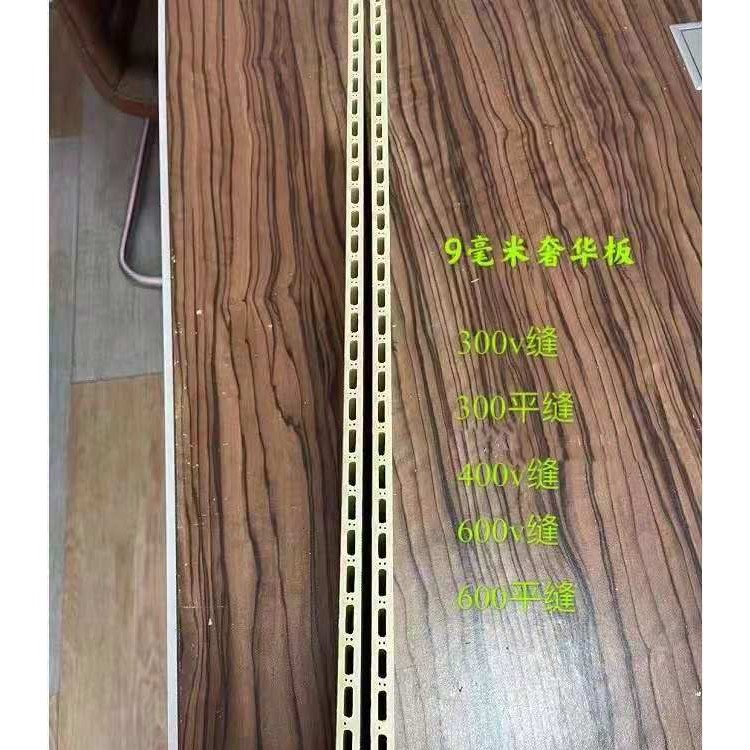
 Deyang Integrated Panel Manufacturer, Deyang Integrated Panel Prices
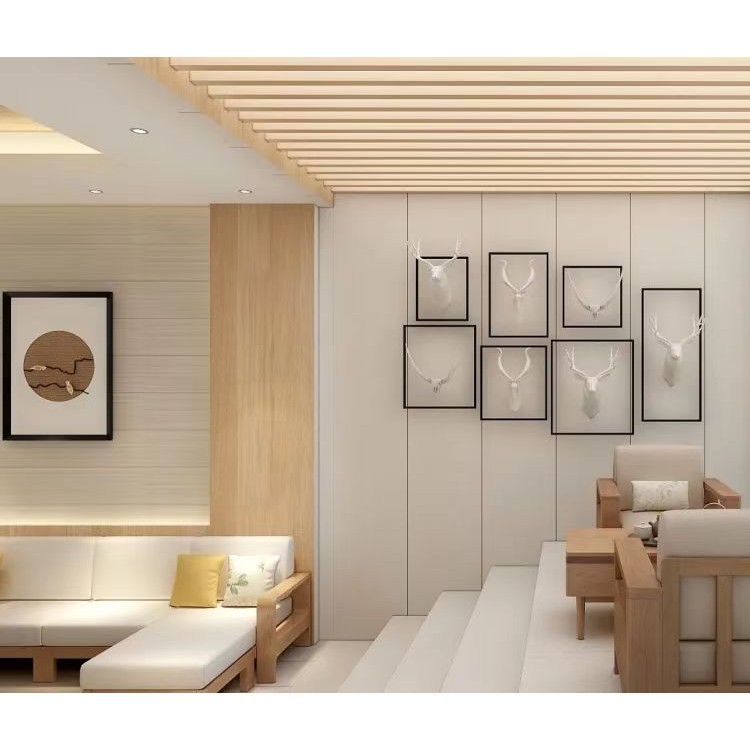 Install carbon crystal board walls / Carbon crystal board prices
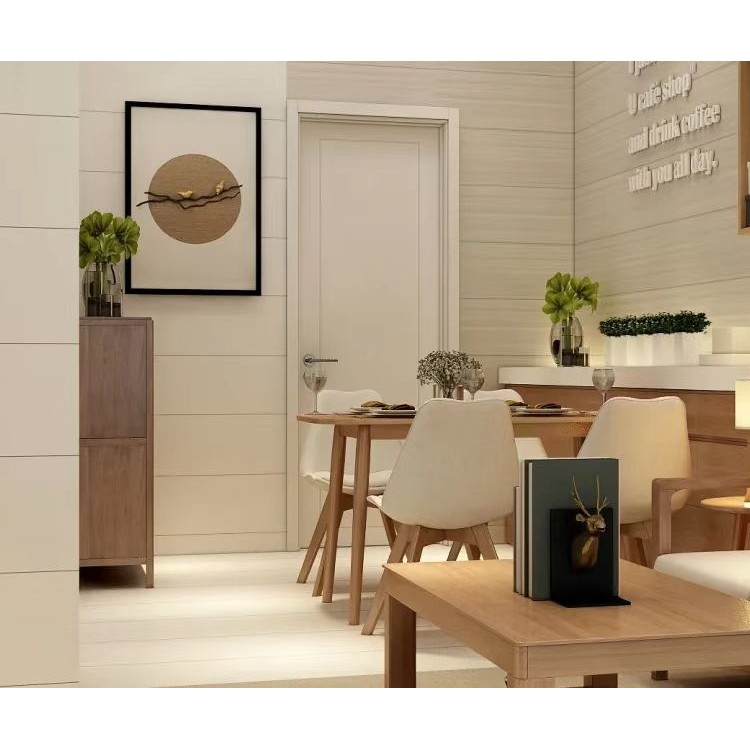 Meishan Carbon Crystal Plate Manufacturer, Carbon Crystal Plate Prices
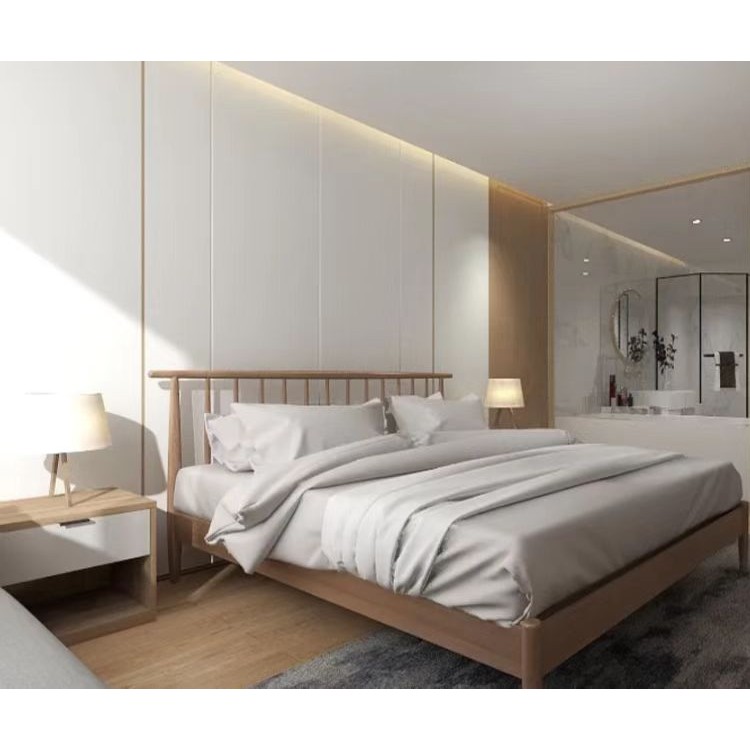 Sichuan Carbon Crystal Sheet Manufacturer, Sichuan Carbon Crystal Sheet Price
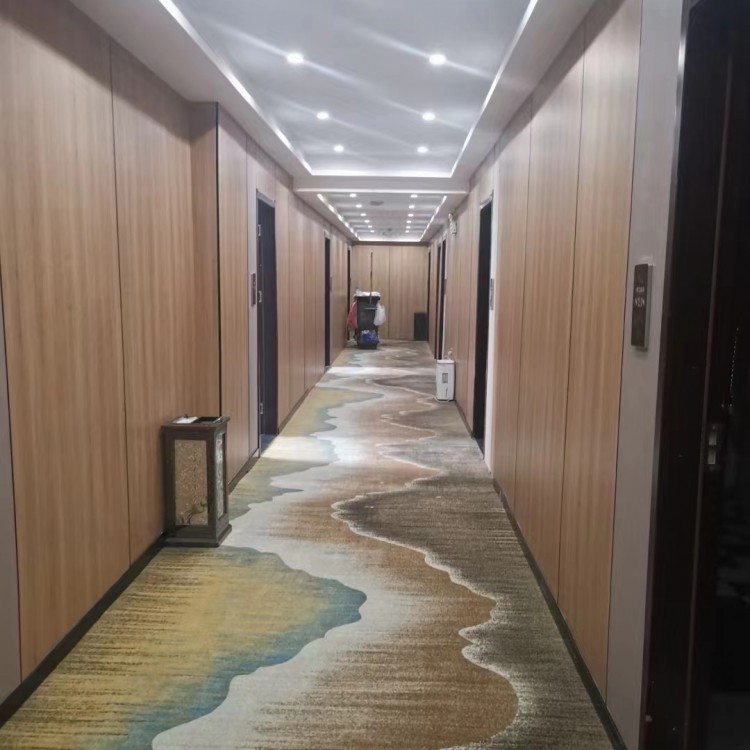 Sichuan Wood Panel Manufacturer, Sichuan Wood Panel Prices
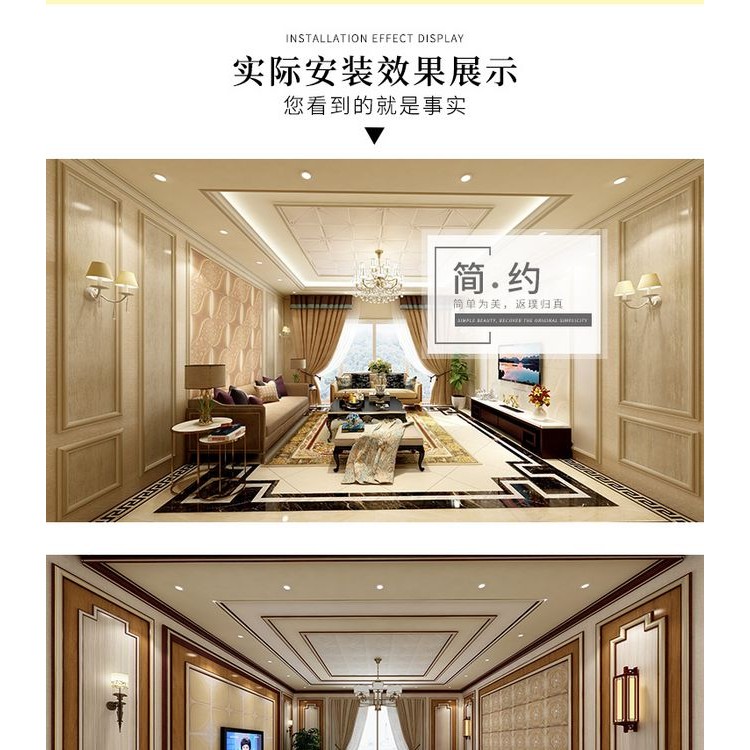 Sichuan Chengdu Integrated Wall Panel Manufacturer, Chengdu Integrated Wall Panel Prices
Product Details

Integrated Wall Panels, Wood Decorative Panels, Carbon Crystal Boards

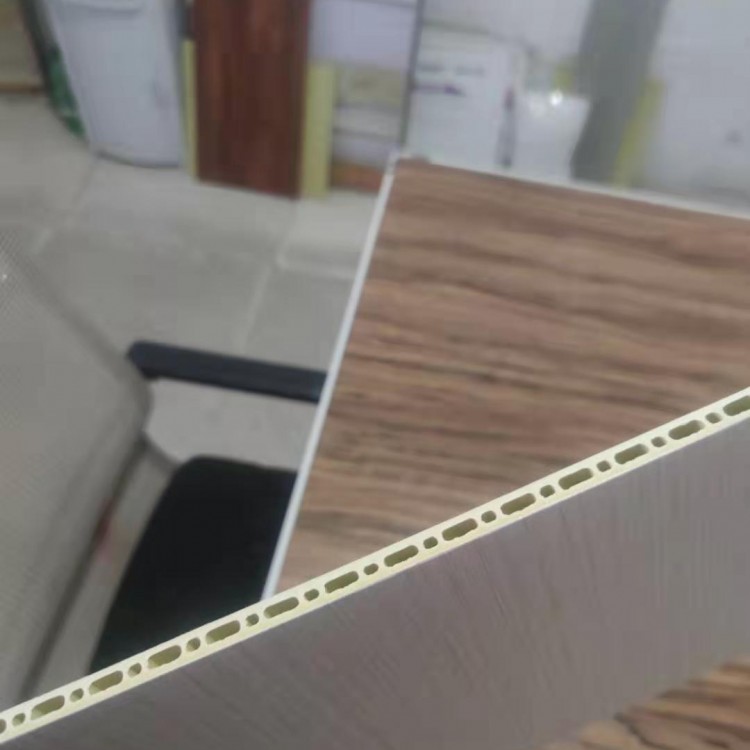
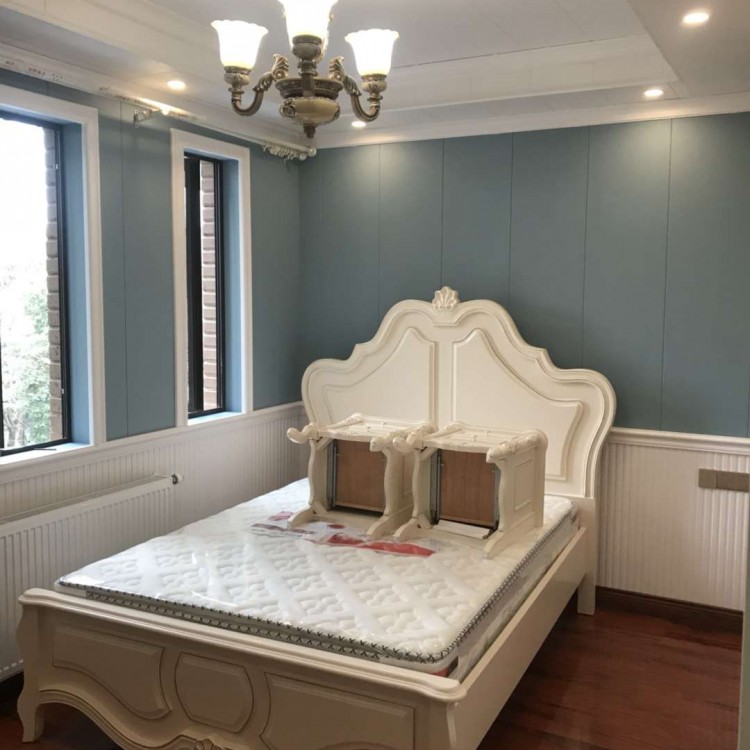
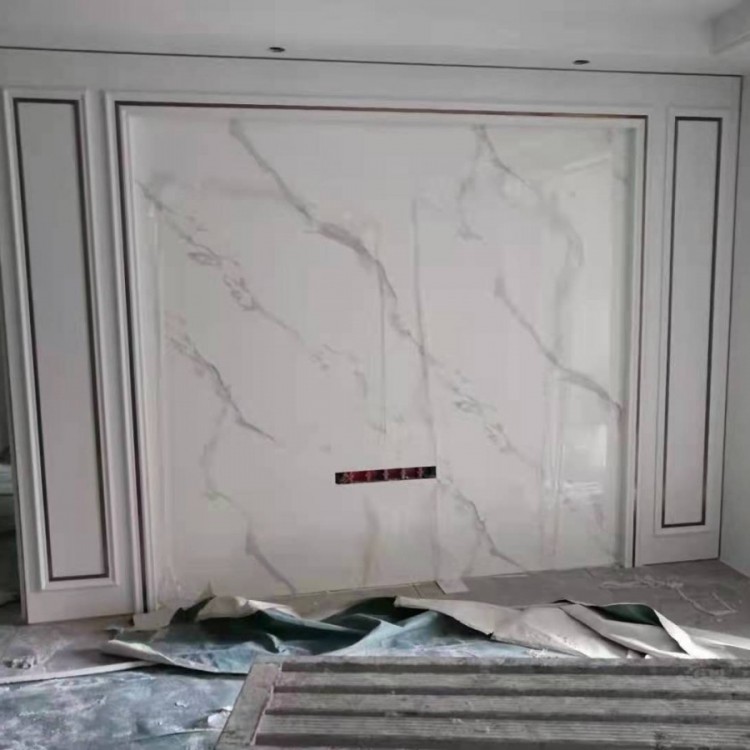
产品Price 40.00/square meters
最小起订Quantity:1 square meters 供货总Quantity: 100000 square meters


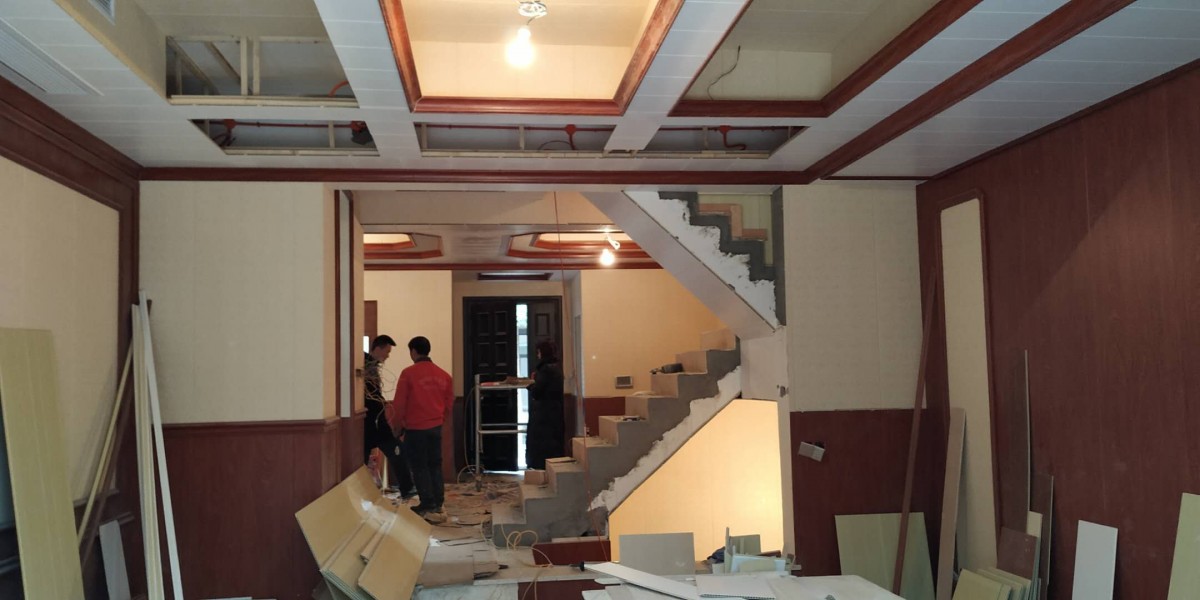
Installation and Construction Methods for Integrated Wall Panels: The materials for indoor walls can be selected from different integrated wall panels based on your own economic conditions. Home renovation typically involves estimating the wall area to be covered. The ground area is 3.2 times larger, basically including the walls and roof. The basic installation area is within this area. Method for calculating the actual area upon entry: The calculation is based on the actual measured area. After completing the return light strip, the height from the top to the ground is guaranteed to be no less than 2.75M. This calculation ensures minimal unnecessary loss to consumers during installation. Ensure 2 spares within the same wall, and for background walls requiring extensive joints, an additional 0.5 square meters of material should be reserved. The bend at the 90-degree angle, during the bending process, the bending line must account for the wall thickness (e.g., for a column with a 90-degree bend, a piece of material is 5CM away from the bend). The bend line should be at 5.8CM on the protruding part, and so on. During the bending process, note that you should first mark the bend line, then select the polyurethane material, which is generally around 8MM. Bend as straight as possible; join convex and concave plates at 45 degrees: cut the plates at 45 degrees, smooth the burrs, and then join them. Pay attention to the neatness of the right angles in the joints: convex and concave plate right-angle joints: Glue-up panels are milled with a 45-degree angle on the inside for interlocking, then directly inserted into the groove of another sheet. Pay attention to angle control during sanding. Interlocking of concave-convex panel inner angles The outer edges of the拼接板 are sanded at a 45-degree angle for interlocking, directly inserting one拼接板 into the groove of another sheet. Pay attention to angle control during sanding; the principle is the same as that of right-angle joints. Maintain walls to be dry, smooth, and free of oil stains and other contaminants. Align and drill according to the construction plan, place the steel frame, level the frame, ensuring an error less than 2MM. First, secure the joists to the wall using expansion screws, then affix the wall panels to the joists with gas nails. Each panel locks into the one below, covering the gas nail of the one above it perfectly. Extremely aesthetic, featuring integrated wallboard accessories with bevel and concave lines to finish the wall surfaces, and clean stains from the wallboards.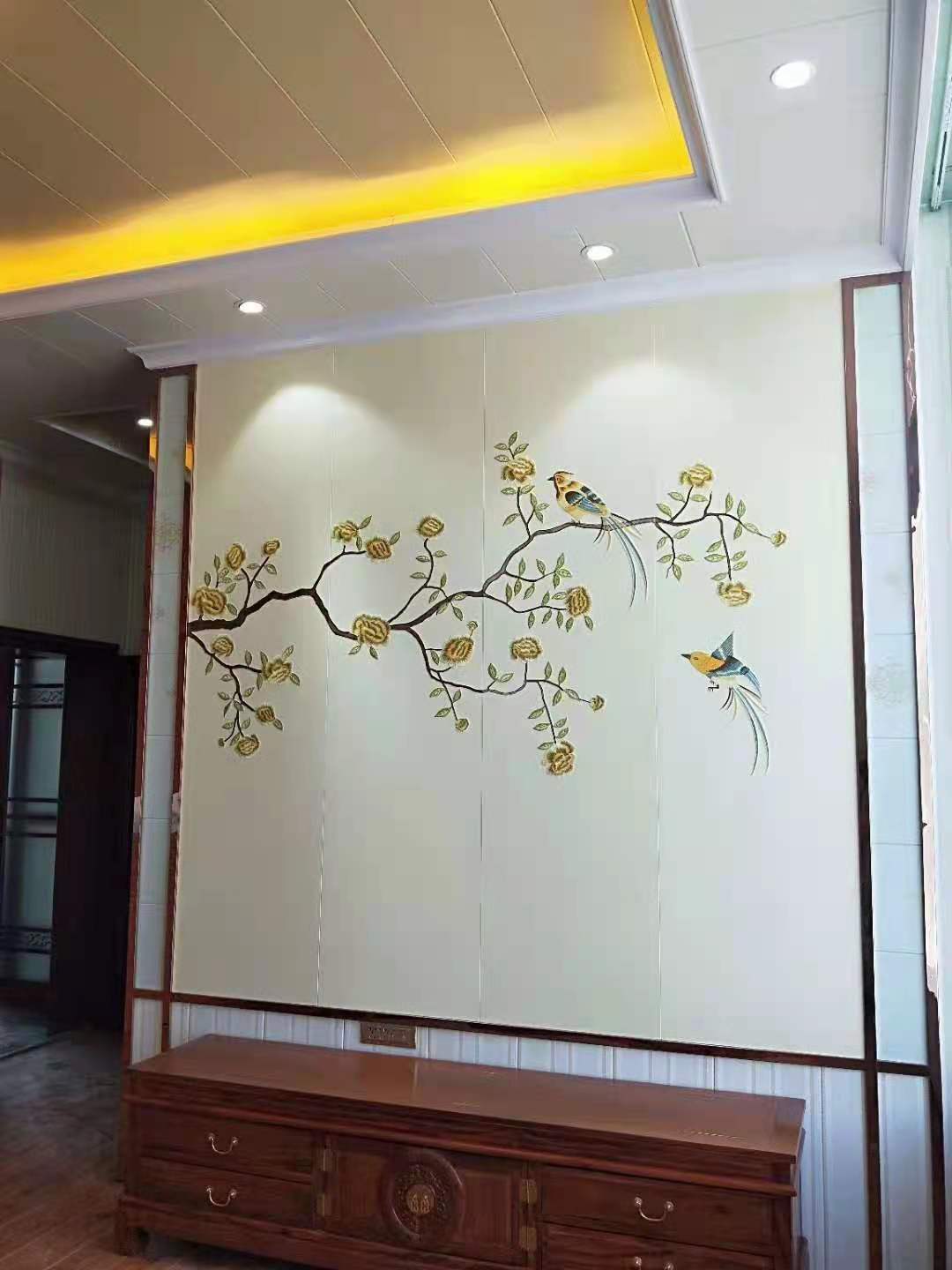

Phone Consultation