
 Quartz Crystal Microbalance (QCM) - Microbial Identification and Subtyping (MIPS)
 Aluminum Ion Detector MIPS
 Fluoride Ion Detector MIPS
 Nanoplasma Sensor Analyzer XNano
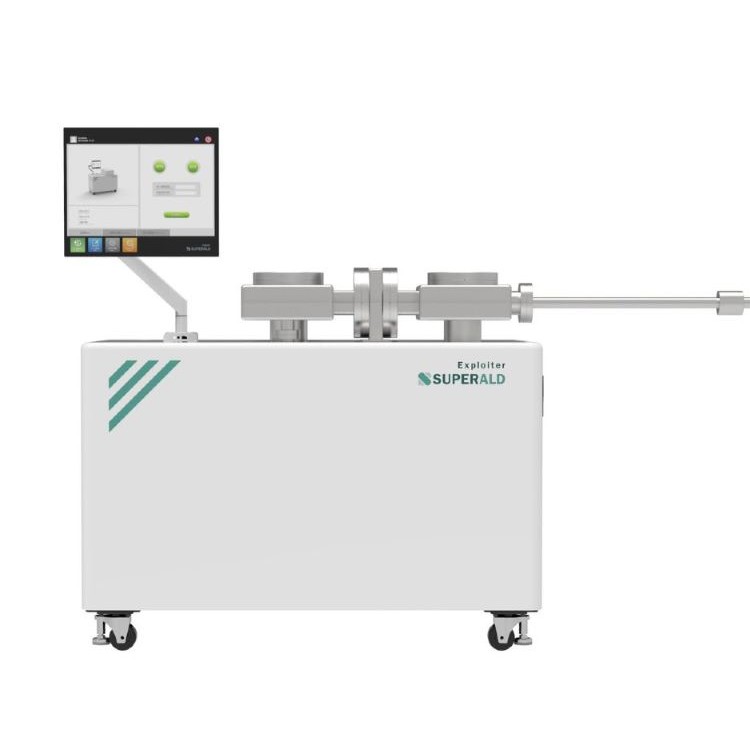 High-Vacuum Atomic Layer Deposition System UHV
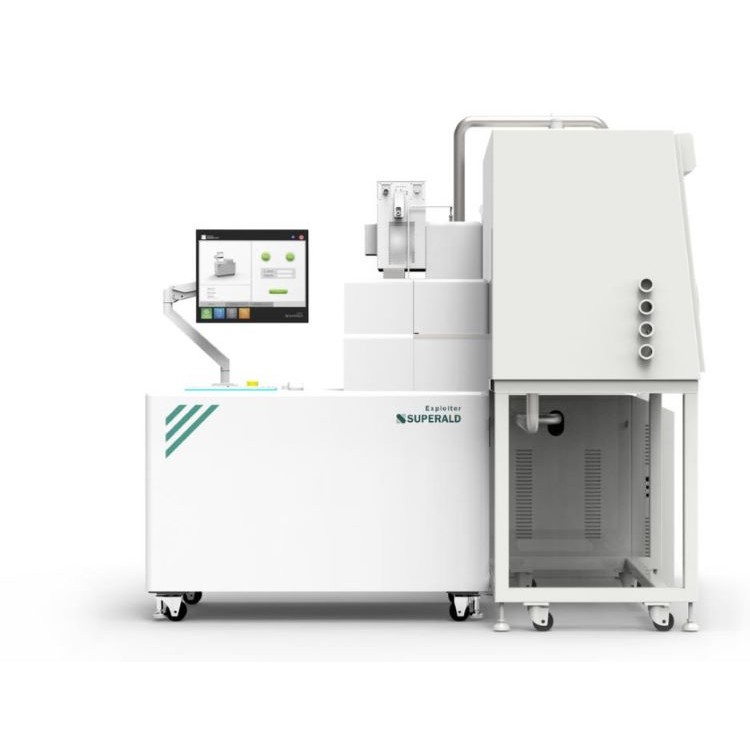 Gloved Box Integrated Atomic Layer Deposition System
 Plasma-Enhanced Atomic Layer Deposition System PEALD E200SP
Product Details

Atomic Layer Deposition Systems, Nanomechanical Testing Equipment, Molecular ...



产品Price Negotiable
最小起订Quantity:1 Tai 供货总Quantity: 100 Tai


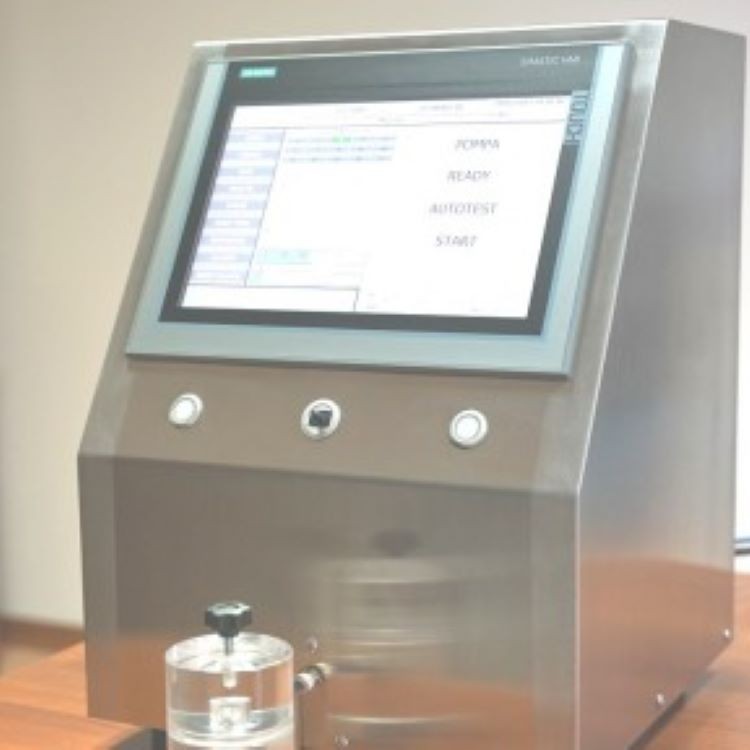
Product Information CCI 1000 is the newest and most advanced vacuum decay-based testing instrument, capable of measuring containers made from various types of glass, plastic, metal, and flexible composite materials. Vacuum decay method is a non-destructive packaging evaluation technique based on vacuum decay technology. This technology can detect package leaks and invisible defects using a differential pressure sensor leak testing system. The method is non-invasive, objective, and does not require sample preparation. The testing room for CCI 1000 can be designed to test the entire enclosure or specific components or parts thereof. The flexible packaging format allows for the use of bending chamber technology, accommodating the shape and size of the packaging, while maximizing the sensitivity of the testing methods. For packaging formats containing liquid contents, deep vacuum can be achieved, causing any liquid in the defect areas to vaporize. Vaporizing is a practical solution for many small-molecule liquids, but it presents challenges as the packaging contents become more viscous or contain solutes that are prone to blocking defects. All vacuum extraction methods for large-molecule liquids encounter some degree of blockage when defects are present. Product Advantages Vacuum decay is the most mature and widely used testing method for detecting leaks in small and medium-sized containers and packaging. It is non-destructive, quantifiable on demand, quick, and does not require special gases. The design and construction quality of vacuum circuits and electronic components is the key to ensuring quality. • Sensitivity (smallest size of leak detected within the defined container) • Repeatability of measurement (daily, shift-to-shift, sample-to-sample), i.e., the reliability of the test • Measure speed, i.e., productivity 2. The software design and concept ensure: • User-friendly •Comprehensive information, including daily QC and RD • Multi-level password, ensuring data protection and integrity, with data export capabilities • Expanded to CFR 21 Part 11 standards (Audit Trails and Data Integrity Assurance) Application Areas • Filled ampoules with liquid • Sealed Small Bottles (empty, liquid, or lyo-filled) • Small Bag • Canned and sealed bottles • Miniature Bulk Containers Eye Drop Nozzle Technical SpecificationsTest Principle: Vacuum Attenuation within a Rigid or Flexible Cavity Non-destructive, no gas required Reference Methods: ASTM F2338-09, USP 1207, etc. Quantitative Results (Certainty) Adjustable Limit Value Vacuum Measurement: Basic Sensor or AddiSens® (Additional Sensitivity Mode). HMI: Siemens® 12-inch Touchscreen, Windows System Detection Limit: > 0.05 cc/min (approximately 0.05 cc/min). Standard 10 seconds or less: It depends on the application Conduct an in-built suitability test prior to use Easily generate and select from up to 15 different methods Different Units (mBar or Pascal) One-click operation Through red/green indicator lights and digital display indicating pass/fail Up to 100 session results can be obtained from the HMI. Export data via USB or PC connection in CSV format. Multi-level PW data integrity protection Audit tracking (optional) provided through CFR 21, Part 11 Expandable laboratory units on the production line Easy-to-clean stainless steel casing Dimensions: 380mm (W) × 480mm (L) × 480mm (H) | Weight: 22kg Power: 100-240 VAC; 50/60 Hz; 200VA (without vacuum pump); CE marked 

Phone Consultation