
 Quartz Crystal Microbalance (QCM) - Microbial Identification and Subtyping (MIPS)
 Aluminum Ion Detector MIPS
 Fluoride Ion Detector MIPS
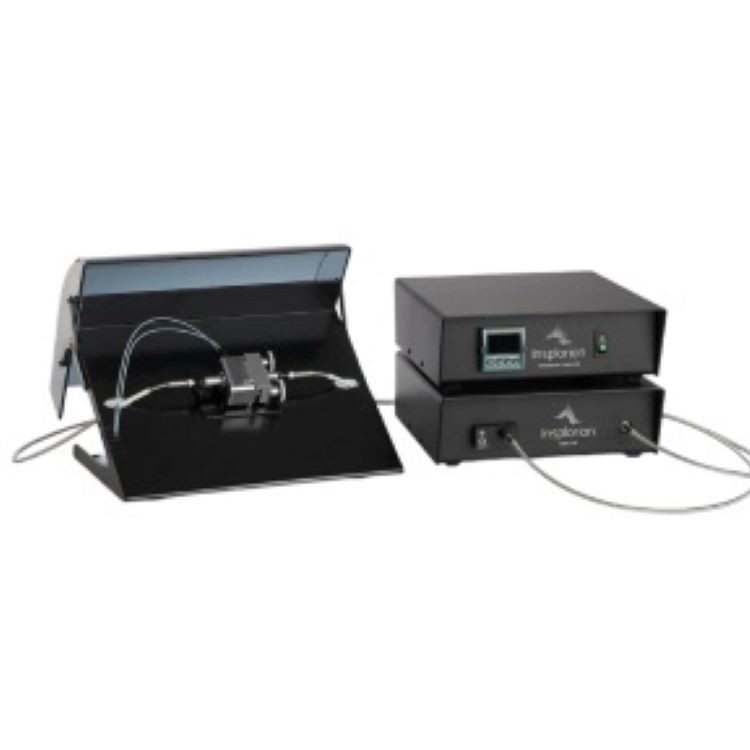 Nanoplasma Sensor Analyzer XNano
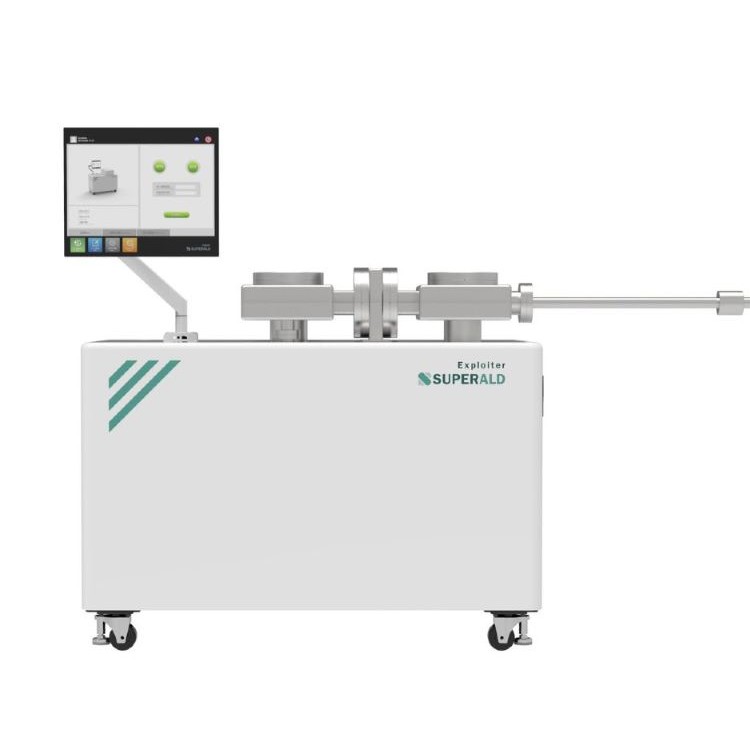 High-Vacuum Atomic Layer Deposition System UHV
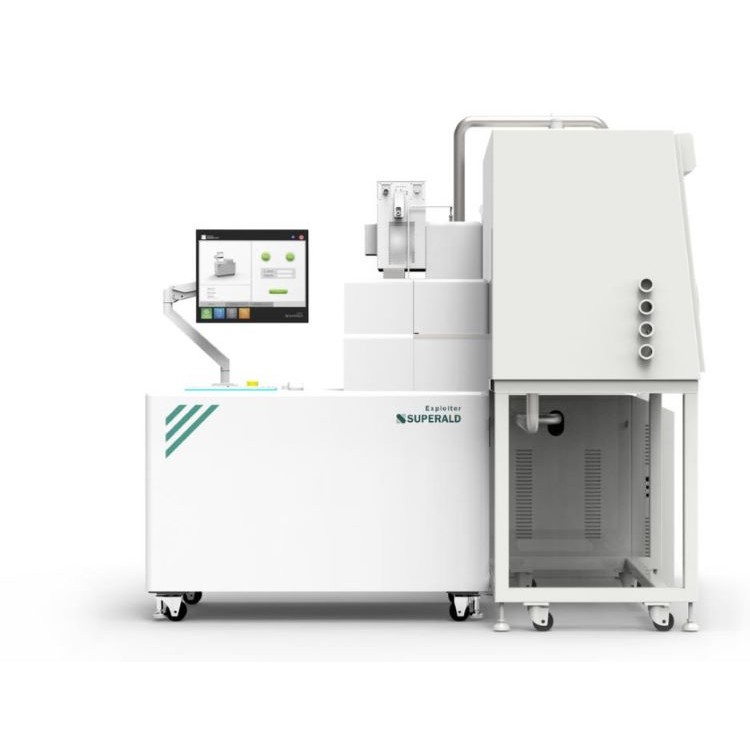 Gloved Box Integrated Atomic Layer Deposition System
 Plasma-Enhanced Atomic Layer Deposition System PEALD E200SP
Product Details

Atomic Layer Deposition Systems, Nanomechanical Testing Equipment, Molecular ...



产品Price Negotiable
最小起订Quantity:1 Tai 供货总Quantity: 100 Tai


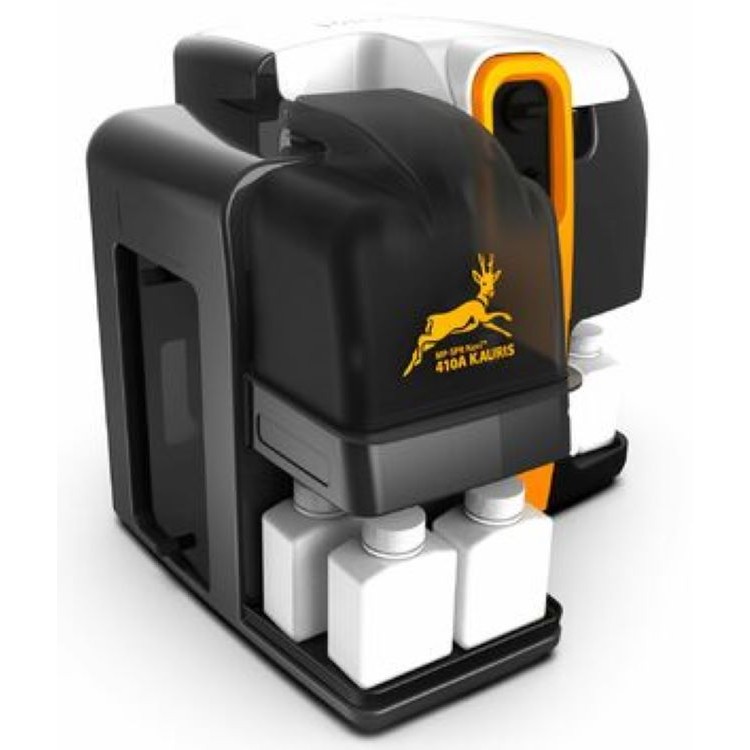
Product Information Life Science Sample Automation Equipment! 4-channel simultaneous measurement combined with 7-sample automation makes MP-SPR Navi™ 410AKAURIS a powerful tool for interaction research and layer characterization. The Kinetic Titration feature supports single-run interaction studies, especially when regeneration is challenging or impossible. The instrument is compatible with organic solvents and complex matrices (such as serum), offering excellent versatility for your research. Application Fields Solid Film Solar cells, displays, food packaging, preservative, antimicrobial, and anti-reflective coating functionality - MP-SPR aids in maintaining its functionality while reducing the coating thickness. MP-SPR can measure interactions and surface plasmonics, thickness, and complex refractive index of ultra-thin metal coatings ranging from 3Å to 100nm. Soft materials MP-SPR measures the interaction between other substances and polymers, which can range from ultra-thin films to 5μm thick films. MP-SPR is the most sensitive unlabelled technique for studying the interaction and characterization of biomaterials. MP-SPR aids in optimizing barrier layers, including: functional moisturizing, pH, anti-reflective, anti-contamination, and antimicrobial coatings. Sensor Development The MP-SPR can accurately adjust sensitive coatings for detecting specific gas or liquid components. Among them, the MP-SPR can detect hydrogen on the palladium surface (2Da) or cocaine in saliva. The MP-SPR is used for the development of point-of-care (POC) testing and for testing microfluidic material surface treatments. Nano particles MP-SPR is an excellent choice for characterizing nanoparticles, whether it's metals, silicon dioxide, polymers, or other nanomaterials. Obtain "before and after" images using SEM or AFM. With MP-SPR, you can observe the kinetics, targeting, release, or internalization of self-assembly in real-time. Electrochemical MP-SPR can be coupled with various electrochemical methods, such as potentiometry, amperometry, or impedance spectroscopy. This enables the simultaneous, unmarked, and real-time monitoring of (electro)chemical reactions on the sensor surface. Antibody Characterization Affinity and kinetics of antibody-antigen interactions can be measured in various liquids, including complex ones such as serum, urine, or saliva. From nanoparticle-based competitive assays to electrochemical sensors, to direct analysis methods, MP-SPR will display all steps of the analysis process. Bio-sensors can be developed on glass, polymers, silicon dioxide, metal surfaces, or nanoparticles. Biological Materials MP-SPR measures interactions occurring in polymers with thickness up to 5 μm. MP-SPR is the most sensitive unmarked technique for studying and characterizing interactions of biomaterials. It can optimize: formulations for controlled release, novel coatings for cellular and tissue engineering, and industrial protective coatings. Technical Specifications Measurement PrincipleReal-time and unmarked multiparameter surface plasmon resonance (MP-SPR) is an SPR device based on actual angle measurement, equipped with a rotating laser and detector.
Wide angle measurement range: 40°- 78°, true angle resolution: 0.001°.Liquid Processing Automatic liquid processing for up to 7 different samples, designed for unattended operation.
Precise injection pump control of the buffer fluid flow, with an integrated degassing device.
4 flow channels. Configure channels individually or in series.
The two-sample ring injection mode has been achieved, such as for rapid Kinetic Titration experiments.
Flow Rate Range: 1 µl/min - 1000 µl/min.Sample consumption Partial ring injection can reduce the sample consumption to the lowest.
Minimum sample volume: 100 µl, minimum injection volume: 50 µl.Laser Wavelength Four channels are standard wavelengths: 670 nm.
Each flow channel will be equipped with 2 beams of laser (670 nm and 785 nm) through the additional L-Option.
Available in other wavelengths upon request.
Additional wavelengths enable simultaneous measurement of thickness and refractive index.Refraction Range 1.00-1.40 (measuring the environment of the unit), range can be expanded by additional wavelengths.
MP-SPR can measure the complex refractive index of a solid layer under liquids and gases, as well as high refractive index (RI) samples (e.g., toluene or inorganic crystals).Medium One scan covers two environments: gas and liquid.
Measurements are conducted in water-based liquids, organic solvents (DMSO, ethanol, acetonitrile), and complex biological matrices (serum, saliva).Operation Mode Angle Scan Mode, or "MP-SPR Mode": Scans a series of angles, providing a complete SPR curve and multiple parameters. Several sensor profiles can be extracted from the full SPR curve, such as PureKinetics™. The sampling rate depends on the selected angle range and resolution, typically less than 2s.
Fixed angle mode, or "traditional SPR mode" - Measures at a single angle, providing a time-strength sensitivity profile.
Patterns for studying rapid dynamics - sampling rate up to 1 ms.Measurement Range Thickness: From Ångström to microns (actual range depends on the refractive index of the material).
Dynamics: ka = 103 – 1081/(M*s), kd = 10 -7 – 0.11/s, KD = 10 -3 – 10 -12 MSensitivity 1μ RIU (Refractive Index); 1pg/mm2The smallest molecular weight for detection: In the gas phase, hydrogen (2 Da); in the liquid phase, the smallest molecular weight < 100 Da Noise Short-term noise 0.3 µRIU, baseline drift (long-term) < 1 µRIU/min Temperature Temperature Measurement Range: 15˚C – 45˚C (Room Temperature +20˚C/-7˚) Prism Prisms with matching adhesives enable quick sensor replacement, avoiding sample contamination from refractive index matching oil, and allow for further analysis of the sample using other methods. No need for refractive index matching oil or expensive gold-plated prisms. Flow Pool Easily replace the circulation pool with a single release button.
Standard Flow Cell: 4-channel PDMS flow cell, each channel volume 1 μl. Wider inlet/outlet pipes are available for material research or complex biological samples.
Optional Flow Cells: SPR321-EC: Electrochemical Flow Cell; Customized Flow Cell.Sensor/Substrate Available in a wide range of surfaces, including: metals (Au, Ag, Cu, Pt, etc.), other inorganic substances (SiO2, etc.).2, Al2O3, TIO2, etc.) or functionalized surfaces (CMD, Ni)2+Protein A/G, streptavidin,可再生亲和素, etc.
If you can't find the sensor you need, we can provide a custom one to your specifications!Software Unlimited MP-SPR Navi™ Control and Data Viewer software. Easily export data to Excel or use our analysis tools: including TraceDrawer™ software for dynamic analysis. Optional LayerSolver™ fitting tool for layer characterization. Maintain No service contract required, unless you want one. HPLC piping allows for easy replacement of fluid components. Computer requirements Win 8.1 or Win 10, 1 x USB 2.0, 4GB RAM, 10GB hard drive (1GB for installation, remaining space for measurement data) Dimensions & Weight W 45 x H 41 x D 51 cm (18” x 16” x 20.5”), 22 kg (48 lbs) Power requirements 100-240V, 50/60Hz, max. 100W 

Phone Consultation