
 Quartz Crystal Microbalance (QCM) - Microbial Identification and Subtyping (MIPS)
 Aluminum Ion Detector MIPS
 Fluoride Ion Detector MIPS
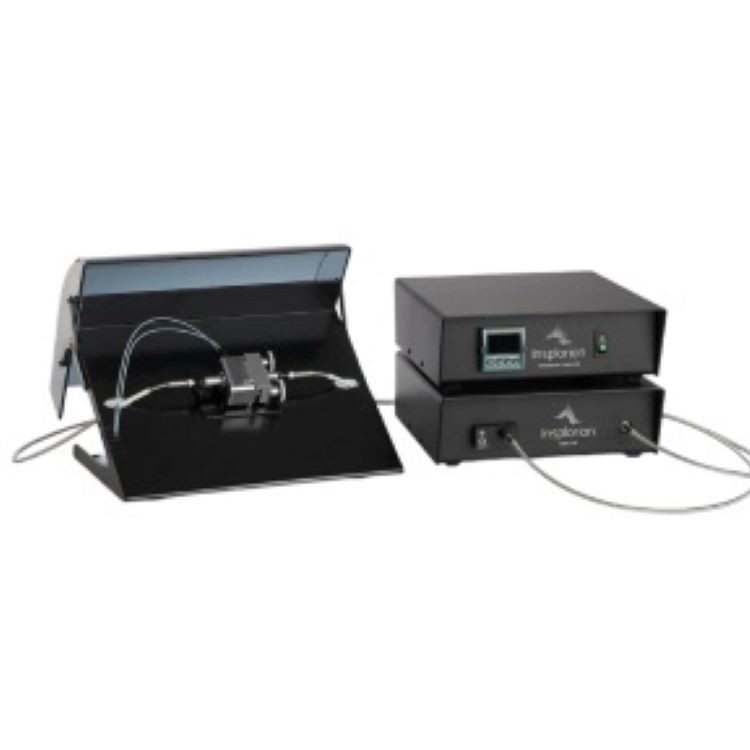 Nanoplasma Sensor Analyzer XNano
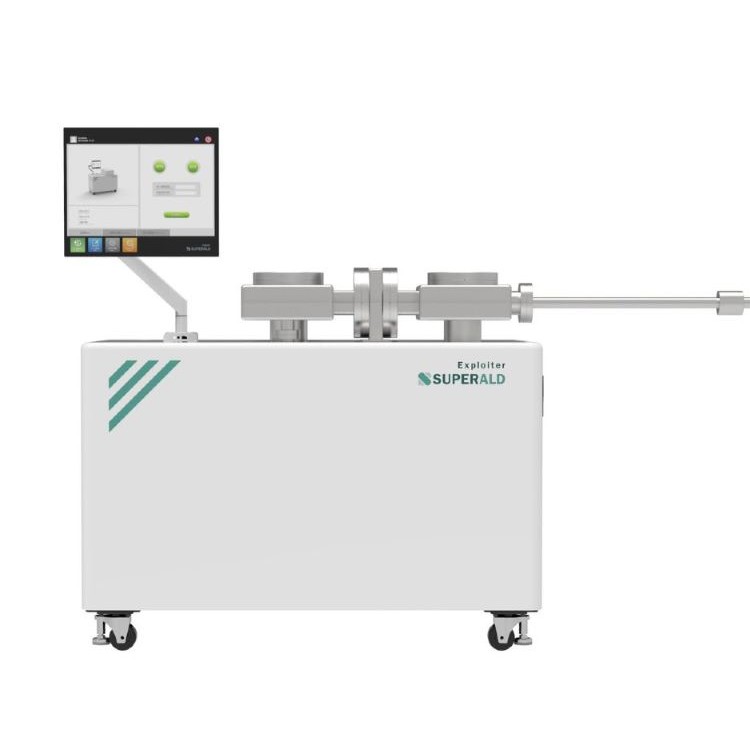 High-Vacuum Atomic Layer Deposition System UHV
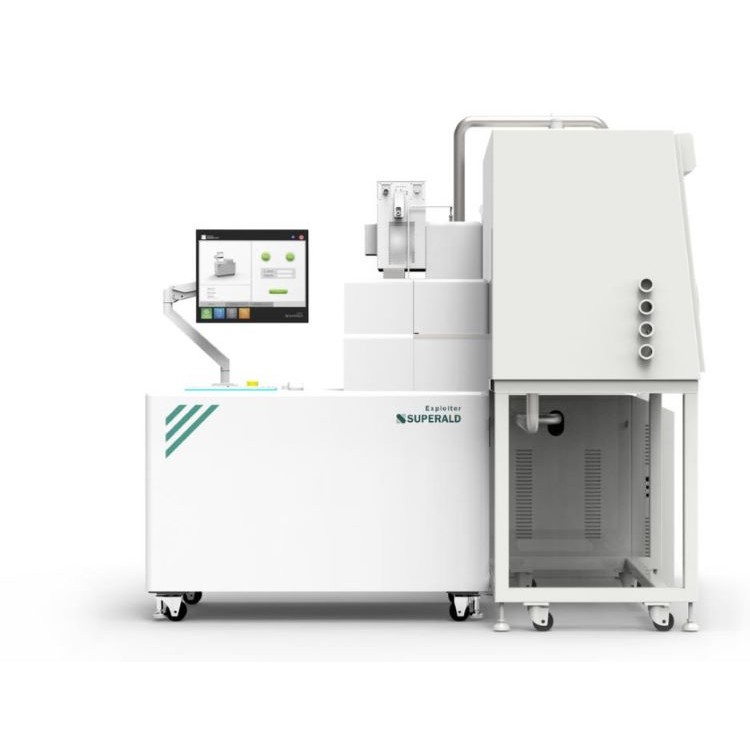 Gloved Box Integrated Atomic Layer Deposition System
 Plasma-Enhanced Atomic Layer Deposition System PEALD E200SP
Product Details

Atomic Layer Deposition Systems, Nanomechanical Testing Equipment, Molecular ...



产品Price Negotiable
最小起订Quantity:1 Tai 供货总Quantity: 100 Tai


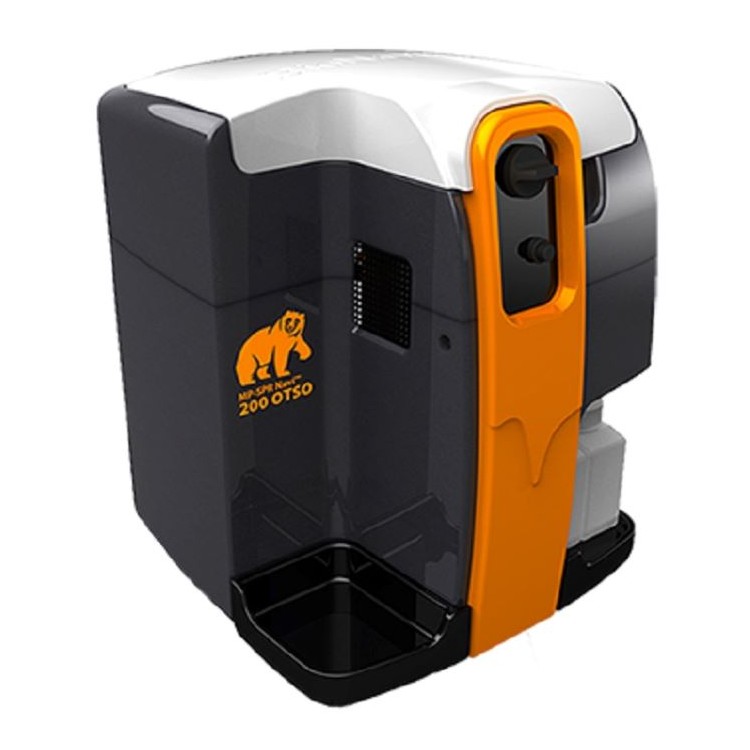
Product Information MP-SPR Navi™ 200 OTSO Intermolecular Interaction Analyzer: Semi-automatic MP-SPR Navi™ 200 OTSO. Open design ideal for educational use, gas measurement, thin film characterization, and auxiliary equipment applications. Technical Specifications 1. Measurement Principle Real-time and unmarked multi-parameter surface plasmon resonance (MP-SPR) is a SPR device based on true angle measurement, equipped with a rotating laser and detector. Wide measurement range: 40° - 78°, true angle resolution: 0.001. 2. Liquid Processing The蠕动泵 controls the flow of the buffering fluid, with a flow rate range of 10 μl/min to 400 μl/min. It features 2 flow channels and a manual sample injector. 3. Sample consumption quantity Through the automatic sampler, the instrument can be upgraded to the 210A VASA model, which is essentially the upgraded version. Typical sample volume required: 200μl - 500μl. Sample volume can be further adjusted by changing the sample ring. 4. Laser Wavelength Both flow channels are at standard wavelength: 670 nm. Each flow channel is equipped with 2 laser beams (670nm and 785nm) via the additional L-Option. Other wavelengths are available upon request. The additional wavelengths enable simultaneous measurement of thickness and refractive index. 5. Refractive Index Range 1.00-1.40 (measurement of the substrate environment), which can be expanded with additional wavelengths. MP-SPR can measure layers with higher refractive indices (RI), such as diamond-like (2.7) and inorganic crystals. MP-SPR can also determine the complex refractive indices of liquid, gas, and solid layers. 6. Medium A complete scan includes two environments: gas and liquid. Measurement is conducted not only in aqueous liquids but also in organic liquids, such as ethanol and acetonitrile. For other organic liquids, please inquire about compatibility. PureKinetics™ can correct for differences in running buffer and sample composition, even differences as significant as 5% DMSO! 7. Operation Mode Angle Scan Mode, "MP-SPR Mode": Scans a series of angles, providing a complete SPR curve and multiple parameters. Several sensor profiles can be extracted from the full SPR curve, such as PureKinetics™. The sampling rate depends on the selected angle range and resolution, typically less than 2s. Fixed Angle Mode, "Traditional SPR Mode": Measures at a single angle, offering a time-intensity sensor profile. Used for studying rapid dynamics – sampling rate up to 1ms. 8. Measurement Range Thickness: From angstroms to micrometers (specific range depends on the refractive index of the material) 9. Sensitivity The smallest detected molecule: hydrogen (2 Da) in the gas phase; below 100 Da in the liquid phase. Noise Short-term noise 0.3 μRIU, baseline drift (long-term) < 1 μRIU/min 11. Temperature Temperature Measurement Range: 15℃–45℃ (Room Temperature +20℃/-7℃) 12. Prism Prisms with matching adhesives enable quick sensor replacement, avoiding sample contamination from refractive index matching oil, and allow for further analysis of the sample using other methods. No need for refractive index matching oil or expensive gold-plated prisms. 13. Circulation Pool Easily swap out the circulation pool with a single release button. Standard Flow Cell: PDMS material, each channel volume 1 μl. Gas flow cell; SPR302-LS: For rapid kinetic studies; or customized flow cells upon request. 14. Sensor/Substrate We offer a wide range of surfaces. Chip holders enable non-in-situ deposition on sensor surfaces (e.g., dipping coating). If you can't find the required sensor, we can provide a custom one upon request. 15. Software Unlimited MP-SPR Navi™ Control and DataViewer software. Easily export data to Excel or utilize our analysis tools. 16. Maintain Optional LayerSolver™ fitting tool for layer characterization and/or TraceDrawer™ software for dynamic analysis. No service contract required, unless you want one. HPLC piping makes it easy to replace fluid components. 17. Computer Requirements Windows 7, 8.1, or 10, 1x USB 2.0, 4GB RAM, 10GB Hard Drive (1GB for installation, remaining space for measurement data) 18. Dimensions & Weight W 33 x H 42 x D 39 cm (13” x 17” x 15”),11 kg (24 lbs) 19. Power Requirements 100-240V,50/60Hz,Max. 40W Application Fields Antibody Characterization Affinity and kinetics of antibody-antigen interactions can be measured in various liquids, including complex ones such as serum, urine, or saliva. Biological Sensor Development From nanoparticle-based competitive analysis to electrochemical sensors, all steps of the analytical process are displayed by MP-SPR, allowing for the development of biosensors on glass, polymers, silicon dioxide, metal surfaces, or nanoparticles. Biological Materials MP-SPR measures interactions occurring in polymers up to a thickness of 5μm. MP-SPR is the most sensitive unlabelled technique for studying biological material interactions and characterizing layers. It can optimize: formulations for controlled release, novel coatings for cell and tissue engineering, and new industrial protective coatings.


Phone Consultation