
 Manufacturer of Concrete Barrier Blocks
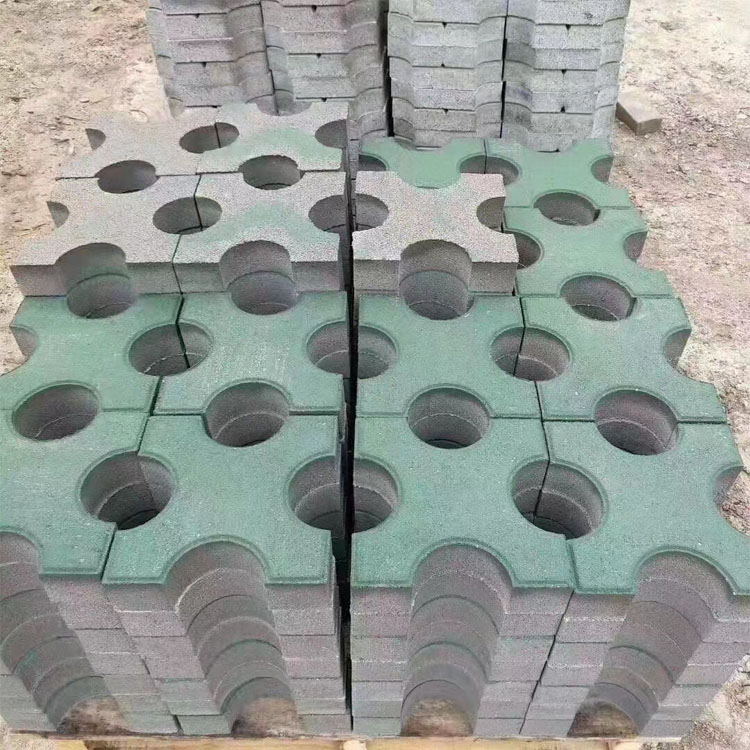 Grass Paver Manufacturer
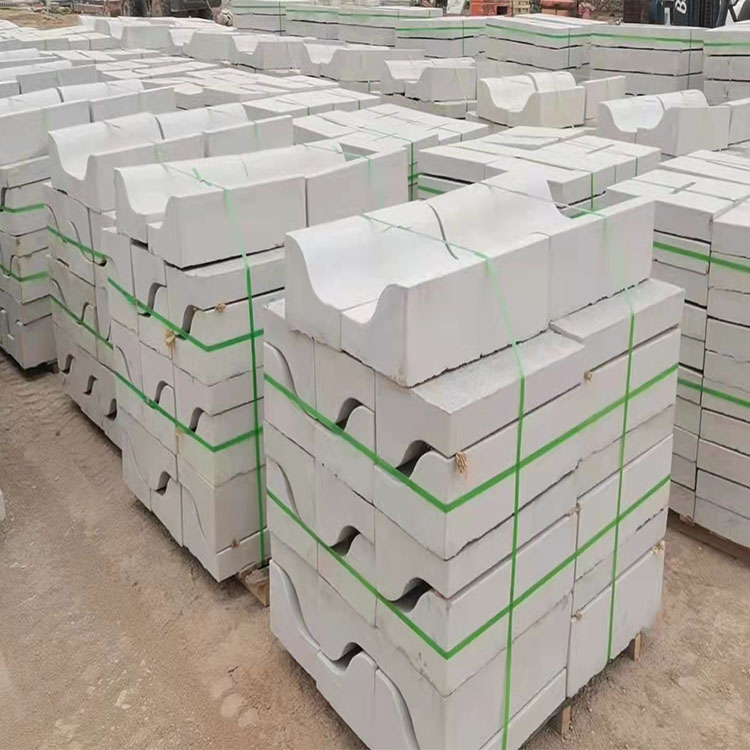 Direct Manufacturer of Curbside Stones
 Porous brick manufacturer
 Landmark Manufacturer
 Curbstone Pricing
Product Details

Cement traffic islands, permeable bricks, curbs, riverbank bricks, slope prot...





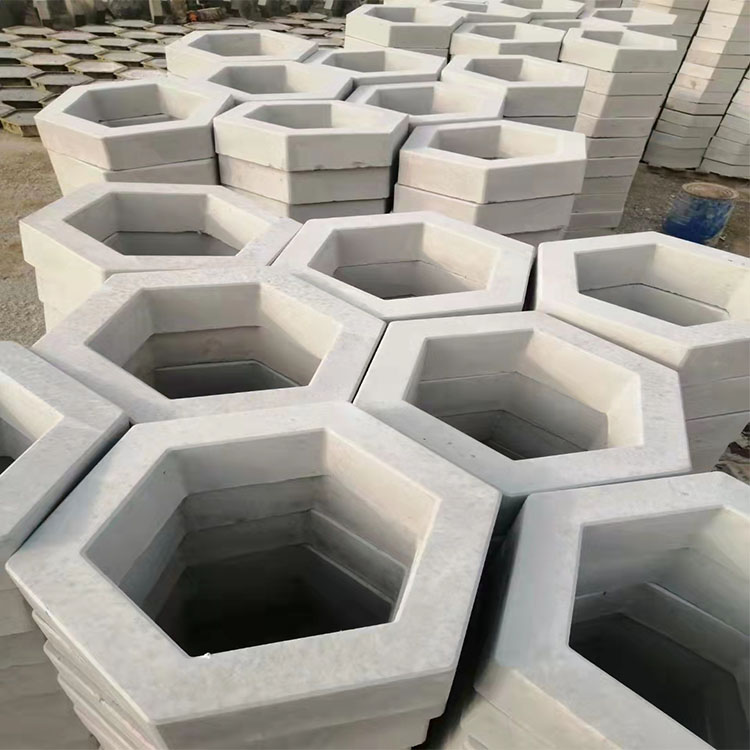
产品Price 1.00/Block
最小起订Quantity:1 Block 供货总Quantity: 10000 Block


Brand |
|
Color |
Multi-color |
Measurement Unit |
Brick |
In stock/Sample |
In stock |
Shipping Address |
Open City |
Product |
Riverway bricks |
How to construct riverbank revetment bricks We all know that riverbank retaining bricks have relatively high requirements for production size accuracy. In fact, the quality of their installation directly affects the overall interlocking performance, so the correct construction method is essential. Today, let's take a look at the specific steps for the installation of riverbank retaining bricks. 1. According to the design requirements for the slope gradient, conduct ground treatment for the slope foundation, clear away weeds, tree roots, and protrusions, fill the holes with suitable materials, and tamp them down to ensure a flat and dense slope surface, meeting the design requirements for the riverbank retaining brick slope. 2. Lay geotextile or graded crushed stone over the completed base surface. 3. Excavate a foundation pit along the edge, fill the bottom with suitable materials and compact it. Construct a heel wall along the lower edge, and build the remaining heel wall with concrete or rough concrete, anchoring it into the heel wall to ensure it meets the design requirements completely. 4. Begin laying three rows of chained slope bricks from the bottom edge. The riverbank slope bricks are laid in the opposite direction of the water flow. Half of one row of bricks is mortared into the heel wall, anchored with rubble or concrete heel walls, and aligns with the face of the second chained row along the bottom edge. 5. Other slope protection bricks should be laid starting from the lower left (or right) corner, with the laying direction parallel to the toe wall but not perpendicular to it, to prevent cumulative errors and affect the laying quality. 6. Install interlocking channel slope bricks within the upper retaining wall, construct the upper retaining wall, and anchor some interlocking bricks to the upper retaining wall. If color treatment is required for the surface of the interlocking bricks, clean off the loose dust and debris from the surface of the interlocking bricks. That concludes the construction steps for riverbank retaining bricks. Additionally, to form corners or straight edges, use a toothless saw to cut the retaining bricks to the required size and angle. Check the flatness of the slope and re-treat any areas that do not meet the design specifications. You can lay a layer of natural soil on the surface above the normal water level, followed by planting flowers and grass suitable for the local climate. If you have any other questions, feel free to continue following us.

Phone Consultation