



- AllProduct Category
-
Lab Wastewater Treatment Equipment
Lab Wastewater Treatment Equipment
Ultra-Pure Water Equipment
Membrane Separation Equipment
Pure Water Equipment
Low-Temperature Evaporator
Ultra-Pure Water System
Integrated Wastewater Treatment Equipment
Reverse Osmosis Equipment
Pure Water Equipment
Ceramic Membrane Equipment



Recommended Products
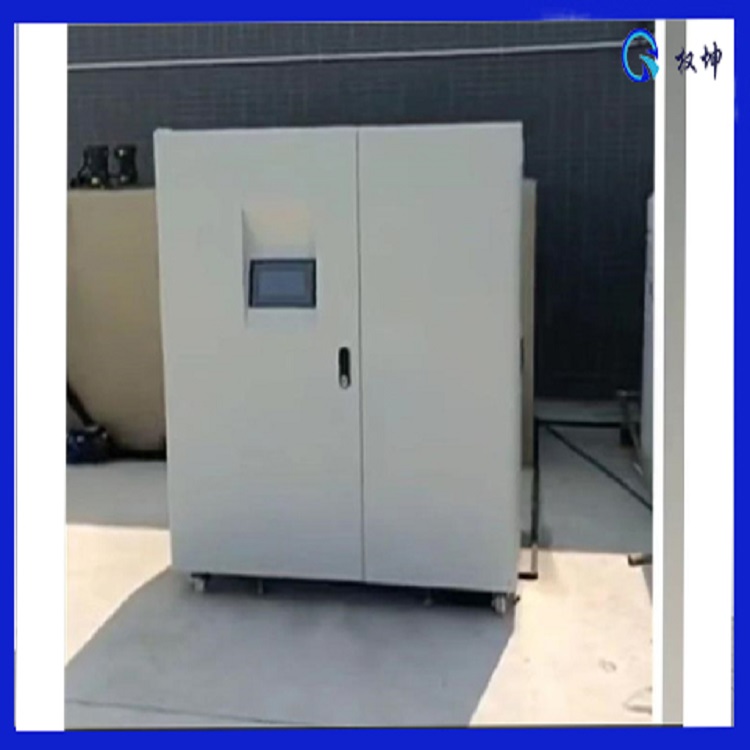
Quan Kun - Comprehensive Laboratory Waste Water Treatment Equipment - Remote Monitoring - Automated Control
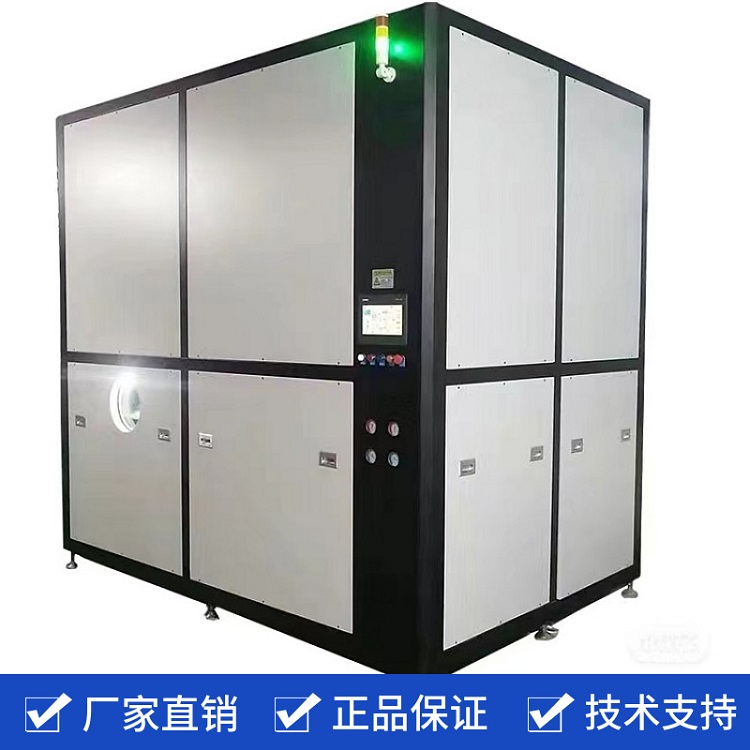
Sodium Chloride Wastewater Low-Temperature Evaporator - Intelligent Automatic - Quankun - Integrated Design
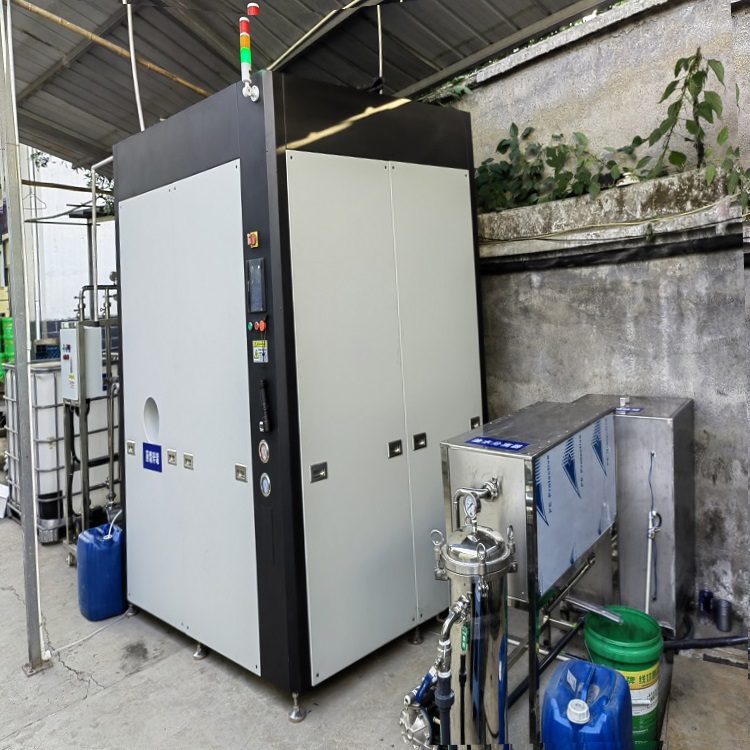
High-Concentration Oil Emulsion Waste Water Treatment Equipment - Quankun - Evaporator Unit - High Concentration Ratio
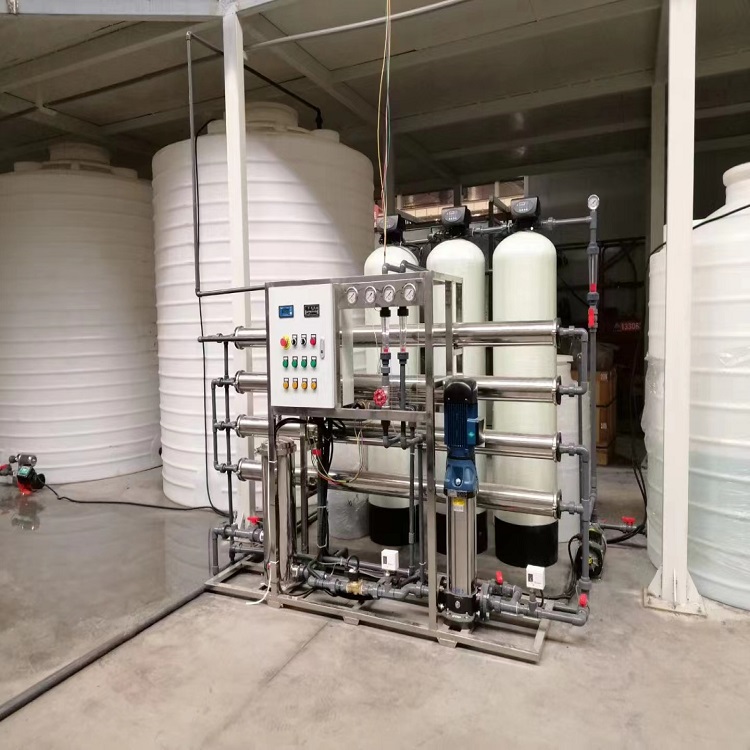
Industrial Pure Water Equipment EDI Ultra-Pure Water System Fully Automatic Control Quankun Environmental Protection
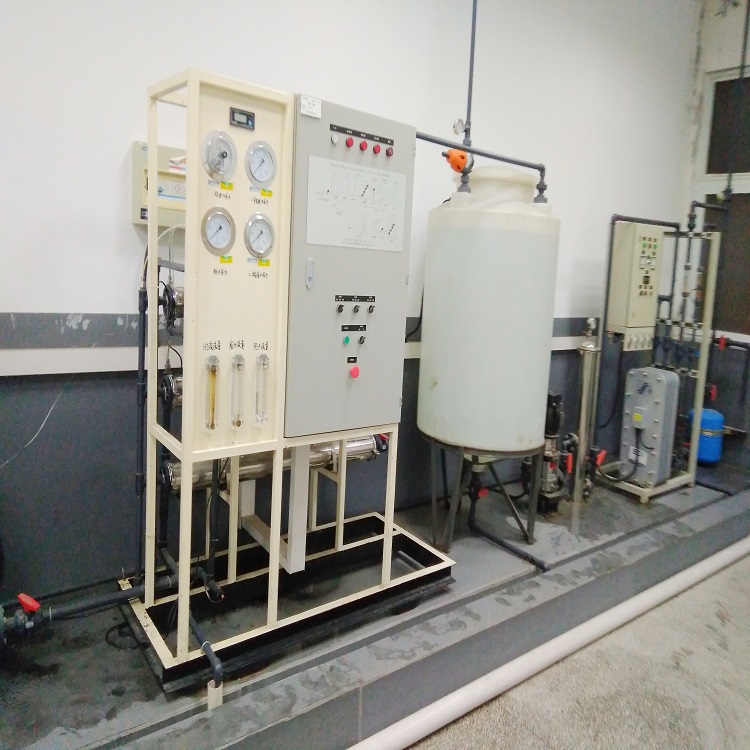
Shenzhen Industrial Ultra-Pure Water Equipment, equipped with EDI system, features low energy consumption and high degree of automation.
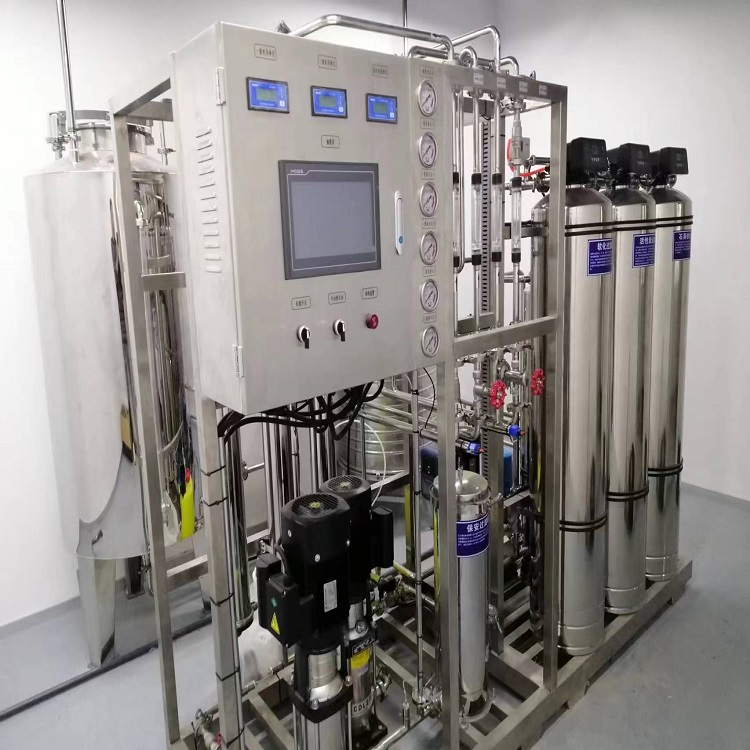
Shanghai industrial pure water production equipment reverse osmosis filtration system with high yield and customizable options, Quankun brand.
详情描述
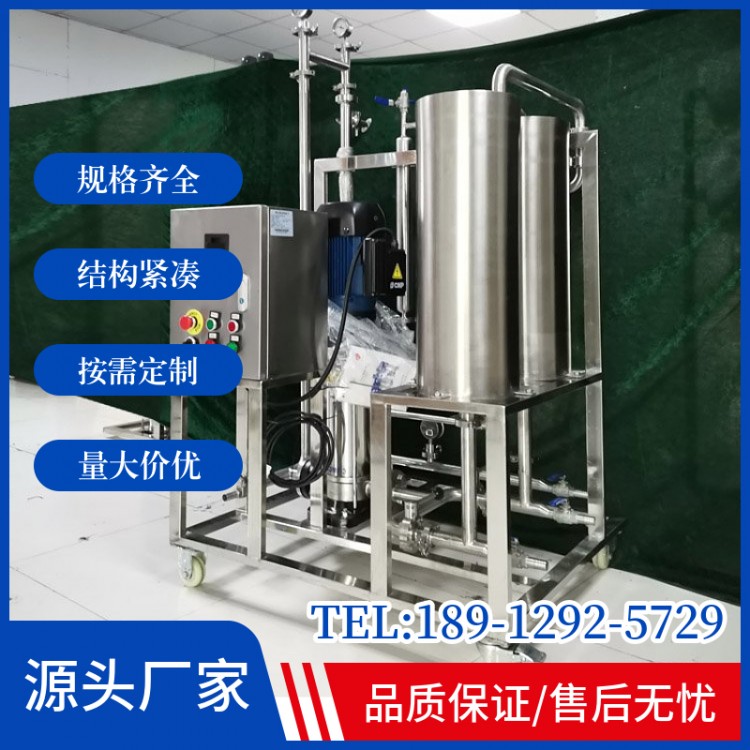
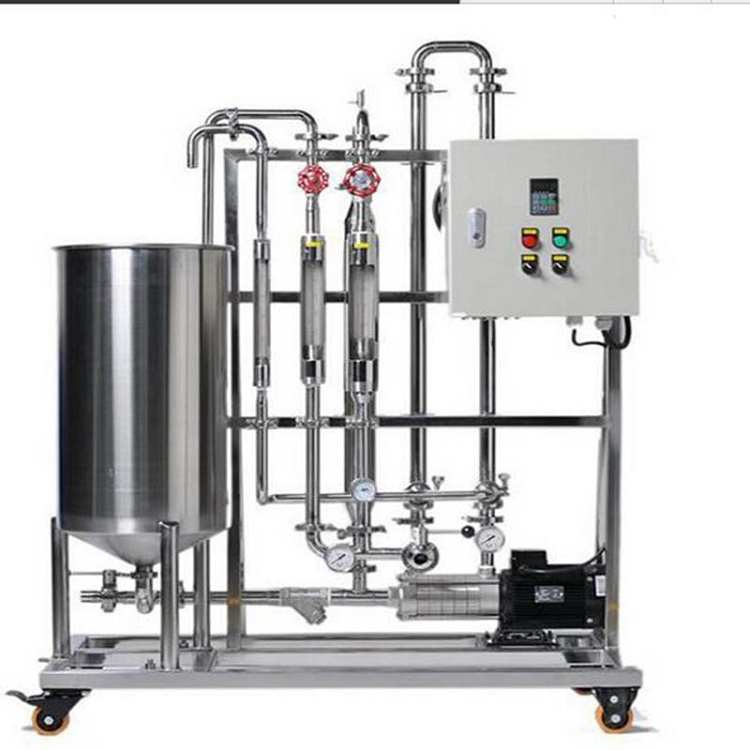
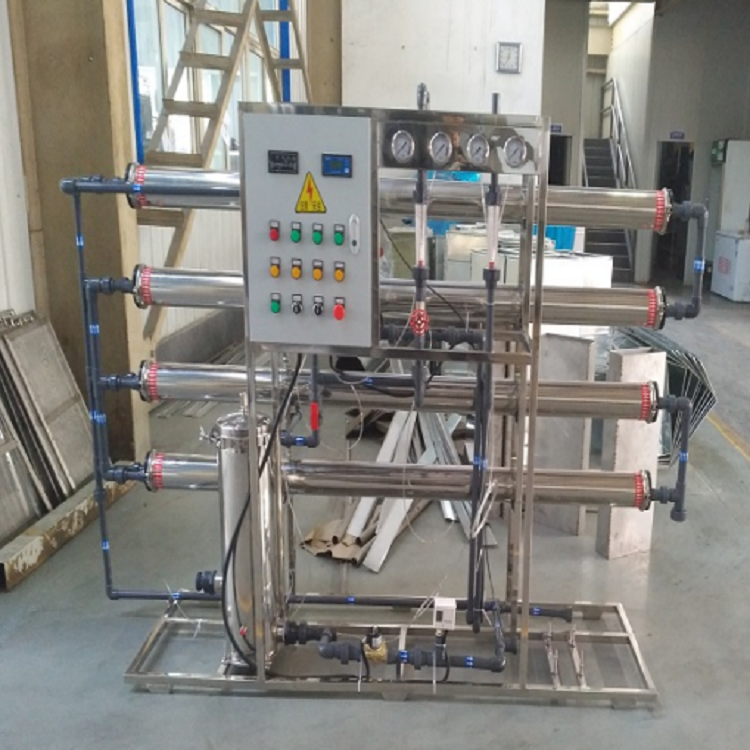
Nanofiltration Membrane Separation Unit - Stainless Steel Material - Separation and Concentration Equipment
Membrane separation equipment is a crucial separation technology device, widely used in industries such as chemicals, pharmaceuticals, environmental protection, and food. It separates, purifies, or concentrates different components through special membrane materials, thereby achieving the separation and purification of substances.Membrane separation equipment is widely used in various fields, primarily including the following aspects:
1. In the chemical industry, membrane separation equipment is primarily used for separating and purifying chemicals, such as solvents, acids, bases, and organic compounds. Through membrane separation technology, an efficient, energy-saving, and environmentally friendly separation process can be achieved.
2. Medical Field: The application of membrane separation equipment in the medical field mainly includes separation, purification, and concentration during pharmaceutical preparation. Membrane separation technology can enhance the purity and quality of medicines while reducing production costs.
3. Environmental Protection: Membrane separation equipment is primarily used in environmental protection for wastewater treatment and recycling. By utilizing membrane separation technology, harmful substances in wastewater can be removed, achieving purification and recycling of wastewater, and reducing environmental pollution.
4. Food Industry: The application of membrane separation equipment in the food industry mainly includes clarification, concentration, and purification of foods such as juices, dairy products, and alcoholic beverages. Through membrane separation technology, the taste and quality of food can be enhanced, and its shelf life extended.
Features of the Experimental Machine:
The overall structure is compact, operation is simple, stability is excellent, appearance is attractive, and the entire machine is made of stainless steel.
The power section utilizes a hydraulic diaphragm pump, offering high lift, stable pressure, and reliable performance.
● The system's high-pressure piping is made of sanitary-grade stainless steel, offering high pressure resistance and corrosion resistance. Connections are made with sanitary-grade clamp-type fittings, ensuring convenient and reliable assembly.
The system includes pressure and temperature protection devices. The pressure protection device can automatically trigger an alarm and stop the machine when the pressure exceeds the safe limit; the temperature protection device can automatically trigger an alarm and stop the machine when the temperature exceeds the limit; the safety filter device can prevent system damage caused by the entry of solid particles.
The equipment employs various technologies identical to production machinery in controlling parameters such as pressure, temperature, flow, and velocity, bringing the laboratory's separation process closer to industrial reality and facilitating industrialization of the process.
The equipment employs variable frequency control, effectively expanding its range of application; the system's processing capacity is 0-150L/hour (capacity is related to the nature of the material), with a small circulation volume of only 350-400ml, particularly suitable for laboratory use.
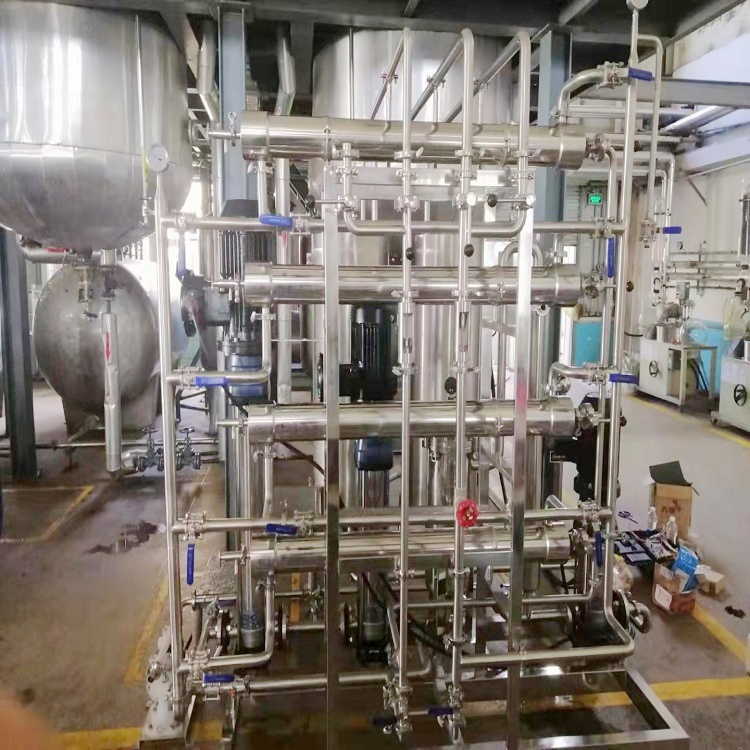
Nanofiltration membrane separation unit - stainless steel material - separation and concentration unit
For typical reverse osmosis membranes, desalination rate is a key indicator of membrane separation performance. However, for nanofiltration membranes, desalination rate alone does not fully explain their separation capabilities. Sometimes, the retention rate of nanofiltration membranes for larger molecular weight substances is actually lower than for smaller molecular weight substances. The filtration mechanism of nanofiltration membranes is extremely complex. As nanofiltration technology is a relatively new field, research on its mechanism is still in the exploratory stage, with limited literature available. Nonetheless, since nanofiltration is a branch of reverse osmosis, many phenomena can be explained using the mechanism models of reverse osmosis. Nanofiltration membranes can effectively remove calcium and magnesium ions that tend to cause scaling from water, making them sufficient for meeting drinking water requirements.
Backwashing: A method that involves blowing gas or liquid through the permeate side of the membrane to remove surface contaminants. Note that this should be done at a lower operating pressure (around 132 kPa) to avoid membrane rupture. The backwashing time typically requires 20 to 30 minutes. Static soaking and hydraulic backwashing: For membrane modules that have a decreased permeate flow due to long-term continuous operation and are difficult to regenerate, soaking in pure water for more than 10 hours upon shutdown, followed by hydraulic backwashing, is an effective method to increase flux.


