



- AllProduct Category
-
Lab Wastewater Treatment Equipment
Lab Wastewater Treatment Equipment
Ultra-Pure Water Equipment
Membrane Separation Equipment
Pure Water Equipment
Low-Temperature Evaporator
Ultra-Pure Water System
Integrated Wastewater Treatment Equipment
Reverse Osmosis Equipment
Pure Water Equipment
Ceramic Membrane Equipment



Recommended Products
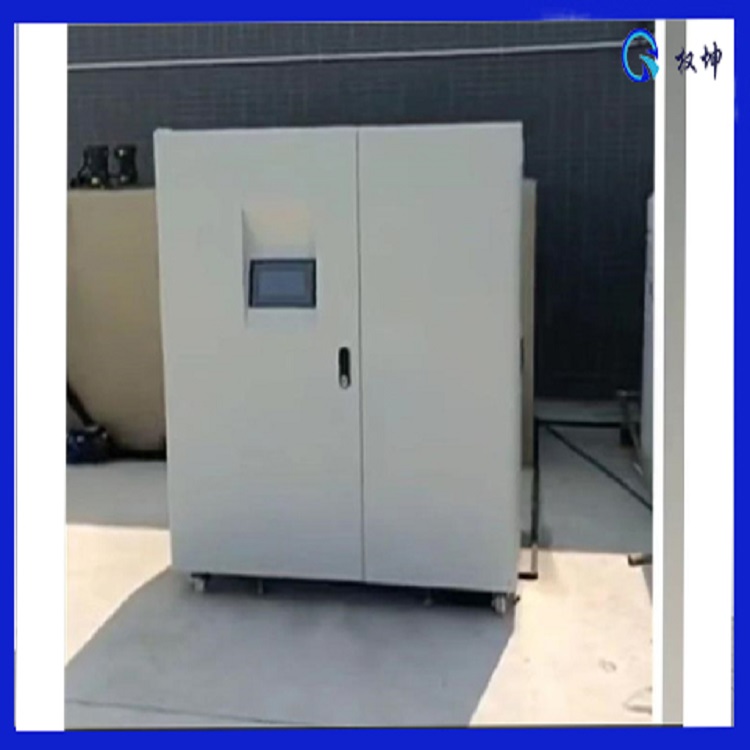
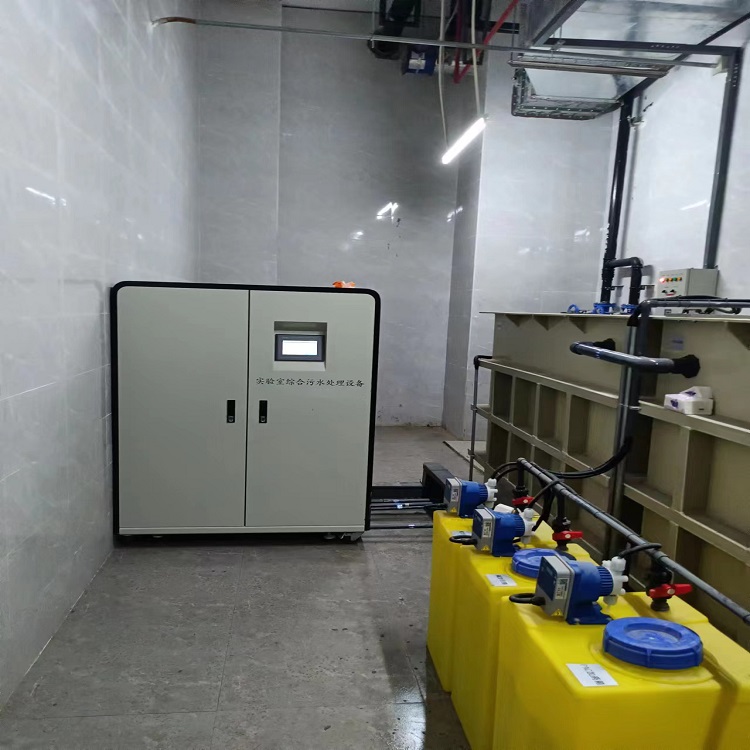
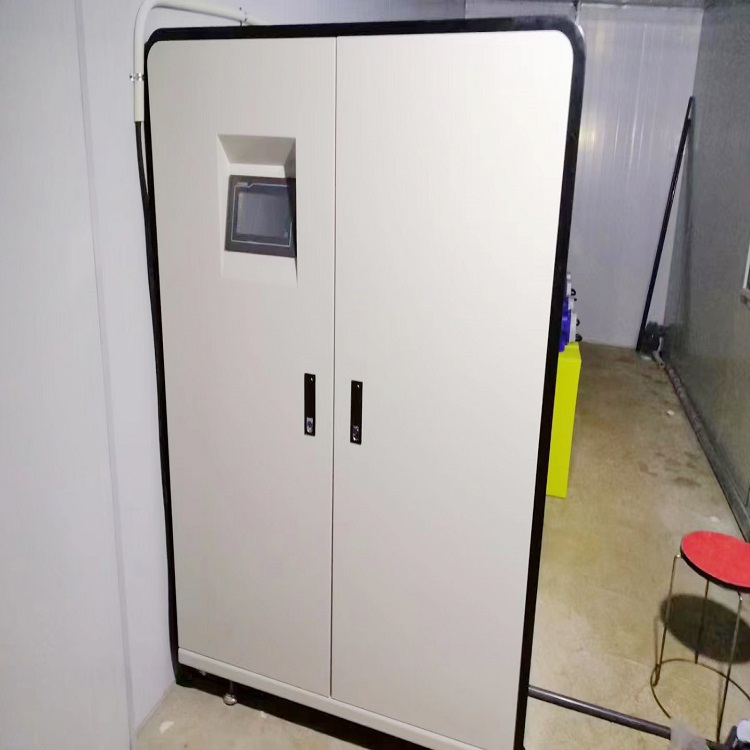
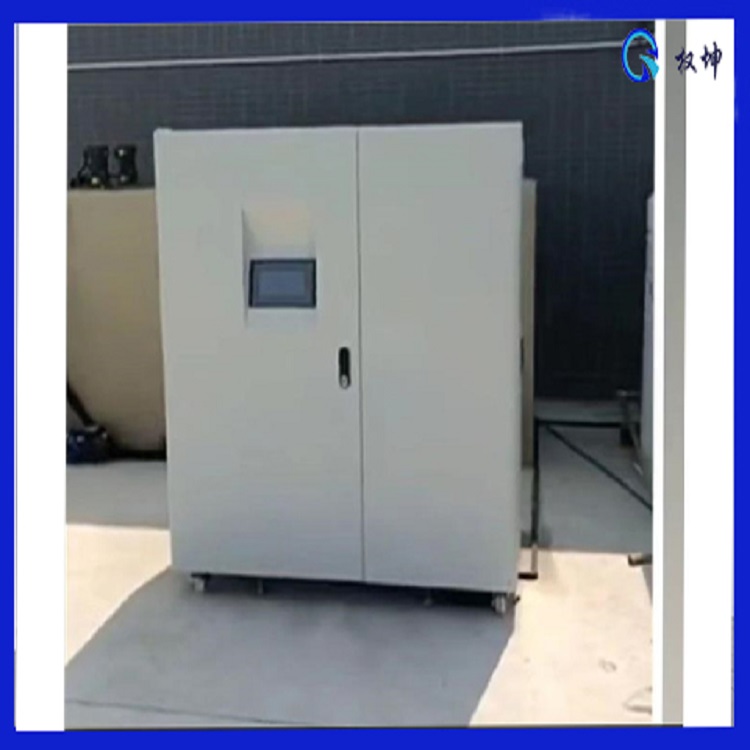
Quan Kun - Comprehensive Laboratory Waste Water Treatment Equipment - Remote Monitoring - Automated Control
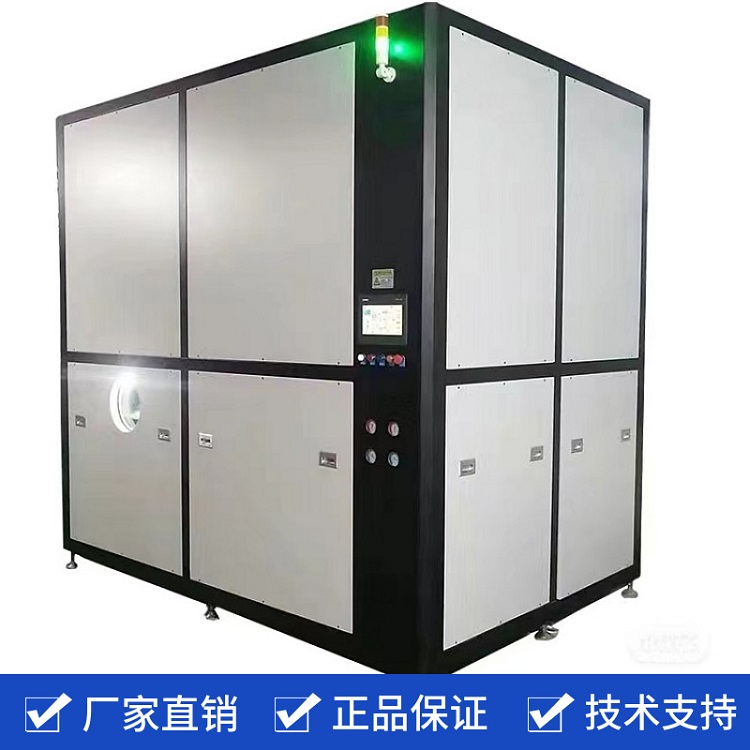
Sodium Chloride Wastewater Low-Temperature Evaporator - Intelligent Automatic - Quankun - Integrated Design
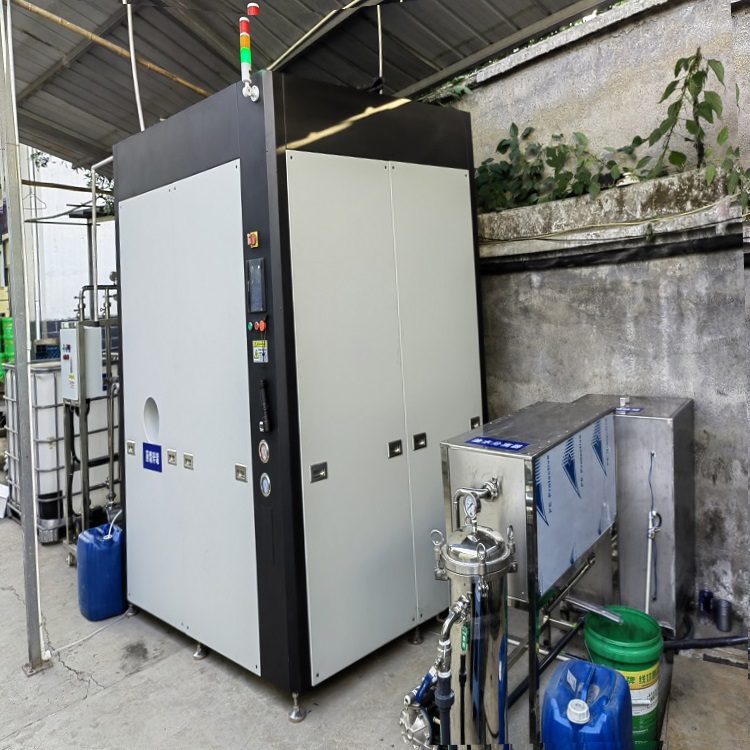
High-Concentration Oil Emulsion Waste Water Treatment Equipment - Quankun - Evaporator Unit - High Concentration Ratio
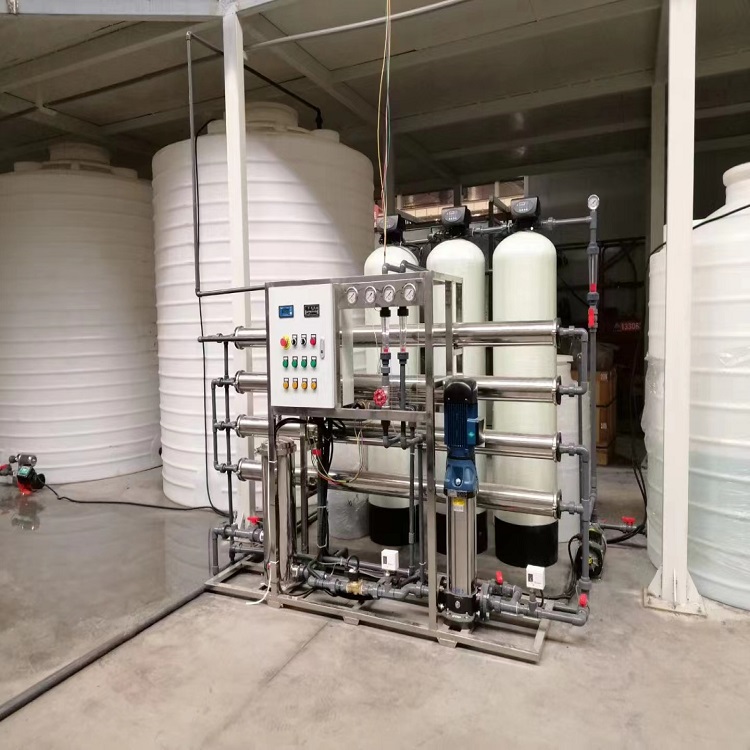
Industrial Pure Water Equipment EDI Ultra-Pure Water System Fully Automatic Control Quankun Environmental Protection
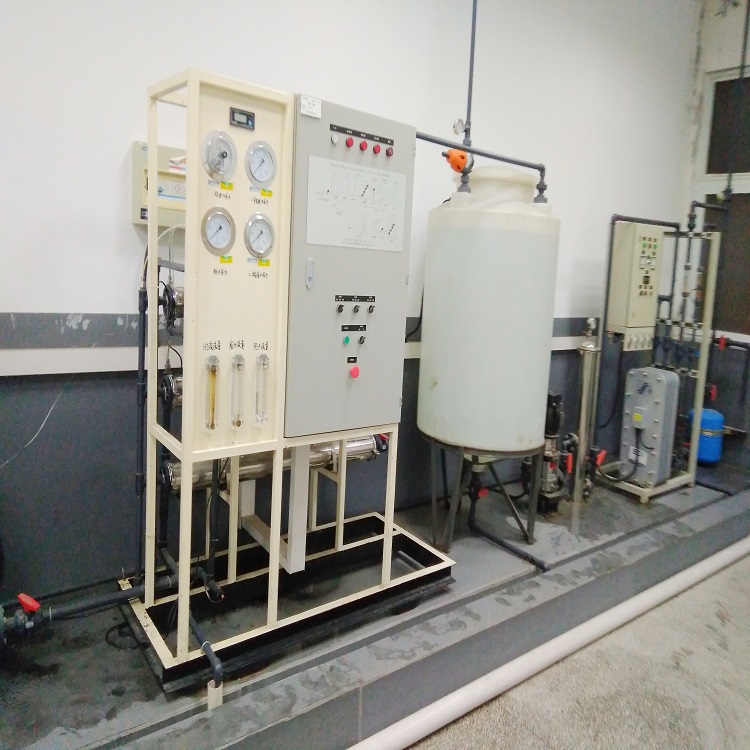
Shenzhen Industrial Ultra-Pure Water Equipment, equipped with EDI system, features low energy consumption and high degree of automation.
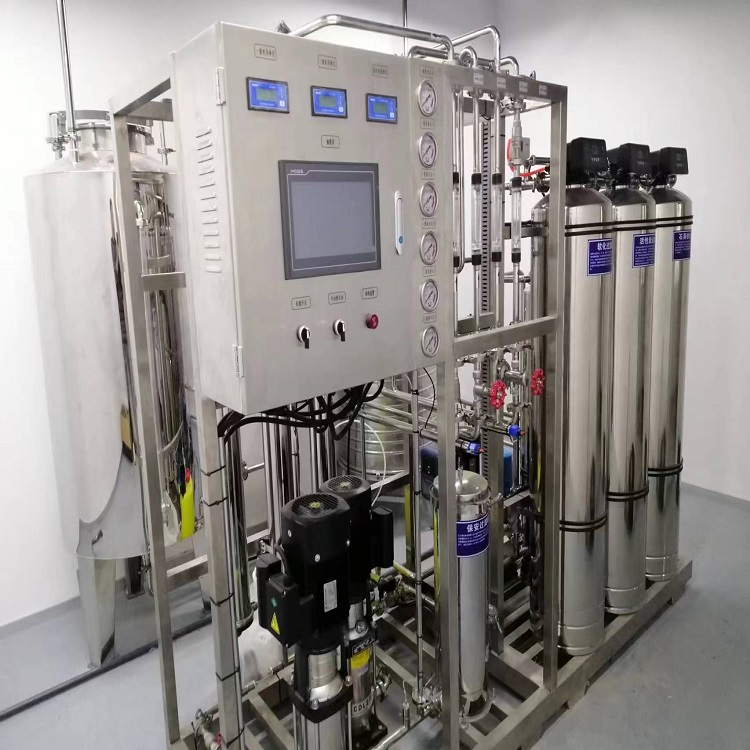
Shanghai industrial pure water production equipment reverse osmosis filtration system with high yield and customizable options, Quankun brand.
详情描述
Manufacturer of Laboratory Wastewater Treatment Equipment
Wastewater treatment integrated equipment is a complete system developed by our company specifically for the treatment of process wastewater. The main components include: wastewater collection system, ozone sterilization, pH adjustment system, coagulation and sedimentation, Fenton reaction, and filtration system, among various treatment processes.
After collecting wastewater through a collection pool, it is first treated with ozone sterilization. Ozone, with its strong oxidizing properties, can oxidize the proteins and nucleic acids of viruses and bacteria, causing them to die. The equipment is equipped with an ozone generator that produces the necessary ozone for sterilization. The sterilized wastewater then undergoes flocculation and sedimentation to remove suspended solids and part of the COD. The remaining CO2 that is difficult to settle is then adjusted with P anion and subjected to Fenton reaction treatment. The Fenton reaction is a strong oxidizing reaction where, under acidic conditions, H2O2 generates highly reactive hydroxyl radicals in the presence of Fe2+, effectively removing COD from the water. Due to the Fenton process requiring a pH of 2, the pH is adjusted back to 6-9 after completion. The treated wastewater is then filtered through activated carbon, which completely removes residual pollutants, meeting national discharge standards. Activated carbon provides both filtration and adsorption effects.

Laboratory wastewater treatment equipment features:
1. Widely applicable, adaptable to wastewater treatment in various laboratories.
2. High level of automation, centrally controlled, user-friendly interface, easy operation, fully automatic operation, no need for dedicated on-site staff.
3. Centralized control, high degree of automation, easy operation, fully automatic operation, no need for dedicated personnel.
4. Automatic leak and electric shock protection, automatic high/low voltage protection, no wastewater protection, liquid storage tank level protection.
5. Dynamic operation with digital LCD display of water quality indicators.
6. "One-stop" integrated design with attractive appearance, minimal land footprint, low operating costs, easy installation and mobility, high processing capacity, excellent processing results, low energy consumption, acid and alkali resistance, low noise, and environmentally friendly, truly achieving engineering equipmentization. No need for multiple treatment ponds, and does not produce secondary pollution such as waste residue, waste gas, and wastewater.

Mature technology for laboratory wastewater treatment equipment:
1. Considering all factors, the school's laboratory wastewater treatment equipment utilizes a mature process that requires low investment, stable operation, low running costs, and excellent treatment results.
2. In response to the characteristics of wastewater, the school's laboratory sewage treatment equipment employs special countermeasures to ensure the removal of harmful components, while fully considering the anti-corrosion measures for pipelines, equipment, and structures.
3. Select equipment for school laboratory wastewater treatment that features stable performance, easy maintenance, reasonable pricing, long-lasting durability, and high treatment efficiency.
Building layout is rational and compact, aesthetically pleasing, and strives to minimize land use space.
5. The school laboratory wastewater treatment equipment has certain capacity to withstand water quality and volume shock loads.
6. The design fully considers noise and odor, preventing the occurrence of secondary pollution, ensuring that the school laboratory's wastewater treatment equipment does not cause any new pollution to the surrounding environment.
7. Achieve automated control to enhance stability; ensure the effluent quality meets standards for school laboratory wastewater treatment equipment.
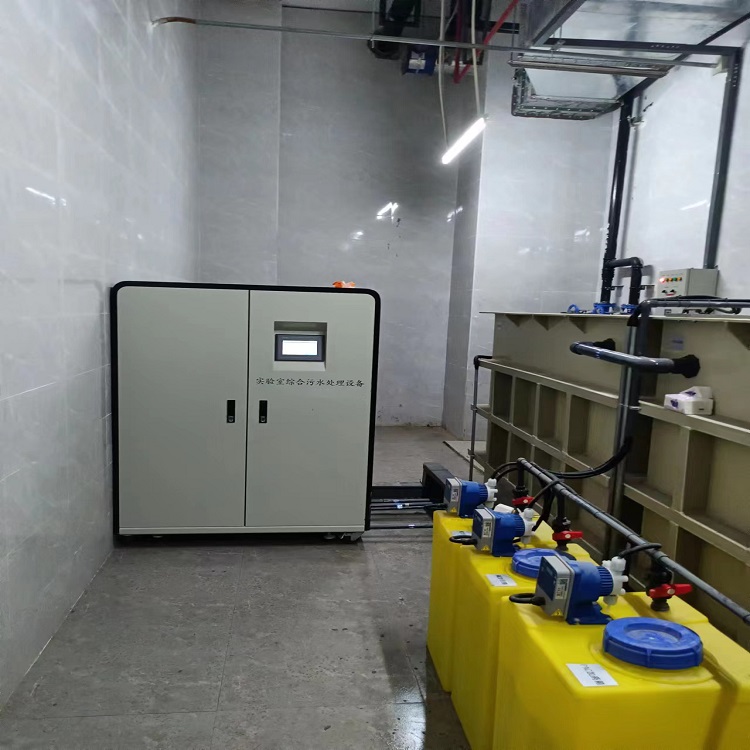
Principles of Laboratory Wastewater Treatment Equipment Design
(1) Maximize existing equipment and pipeline infrastructure to reduce investment scale and costs.
(2) Post-treatment purified water can be considered for recycling to reduce processing load and lower operational costs.
(3) The newly built wastewater treatment equipment is easy to operate and maintain, with low operation costs.
(4) Ensure that the effluent discharged after treatment meets
(5) During the construction of new handling equipment and during the addition or modification of pipelines, strive to maintain the original landscape as much as possible.


