



- AllProduct Category
-
Lab Wastewater Treatment Equipment
Lab Wastewater Treatment Equipment
Ultra-Pure Water Equipment
Membrane Separation Equipment
Pure Water Equipment
Low-Temperature Evaporator
Ultra-Pure Water System
Integrated Wastewater Treatment Equipment
Reverse Osmosis Equipment
Pure Water Equipment
Ceramic Membrane Equipment



Recommended Products
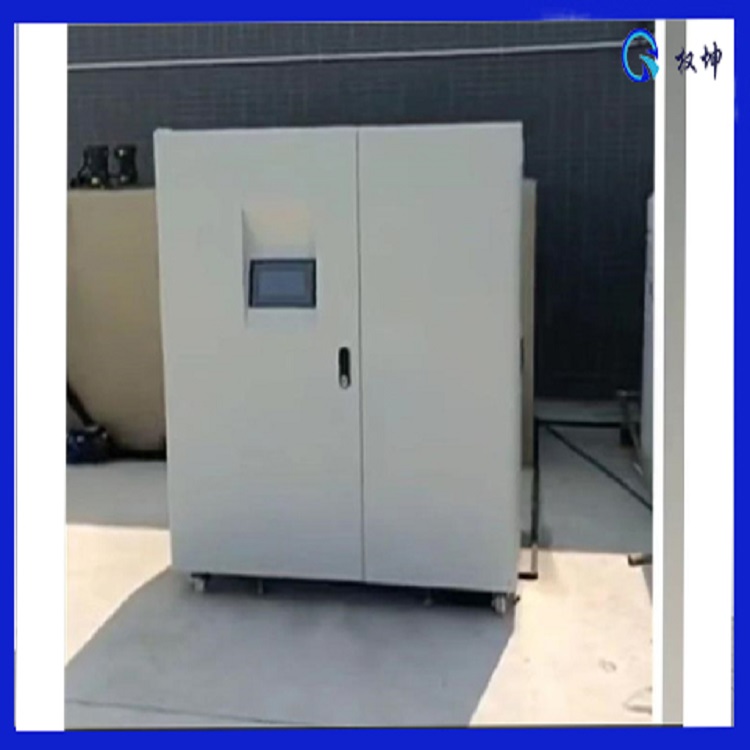
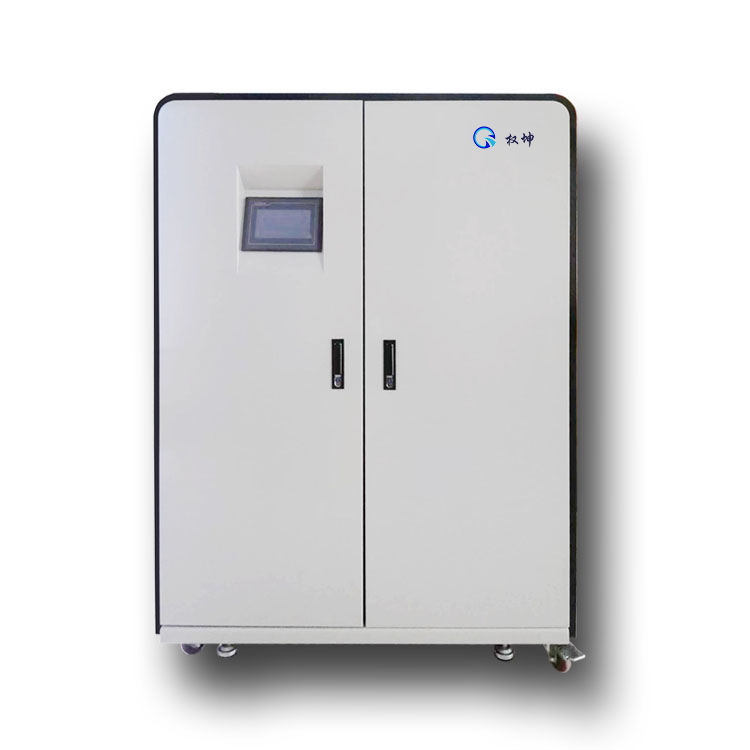
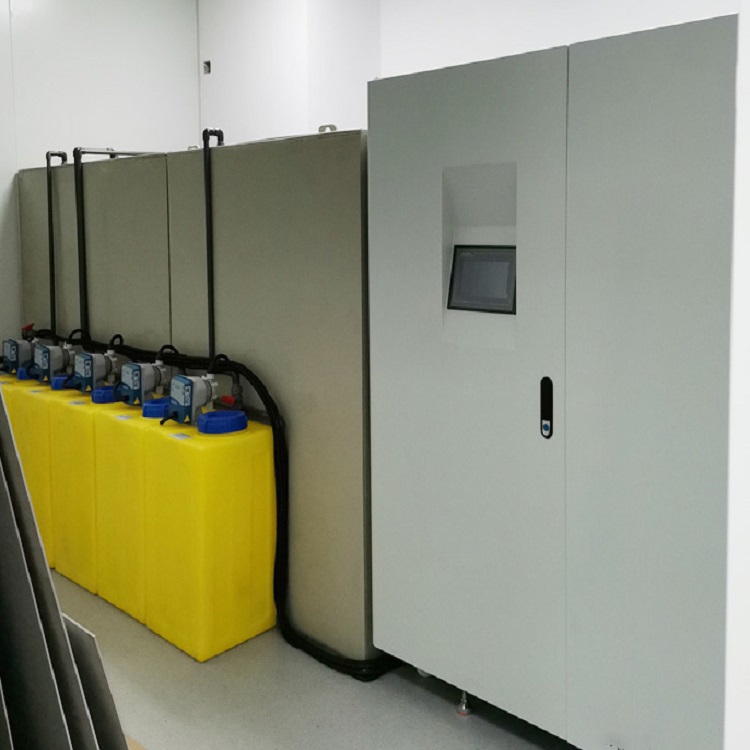
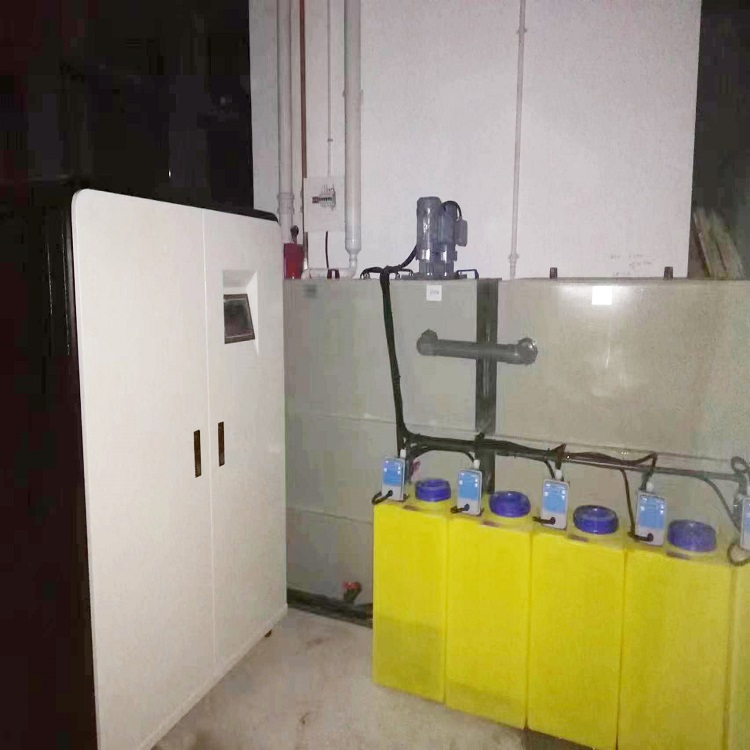
Quan Kun - Comprehensive Laboratory Waste Water Treatment Equipment - Remote Monitoring - Automated Control
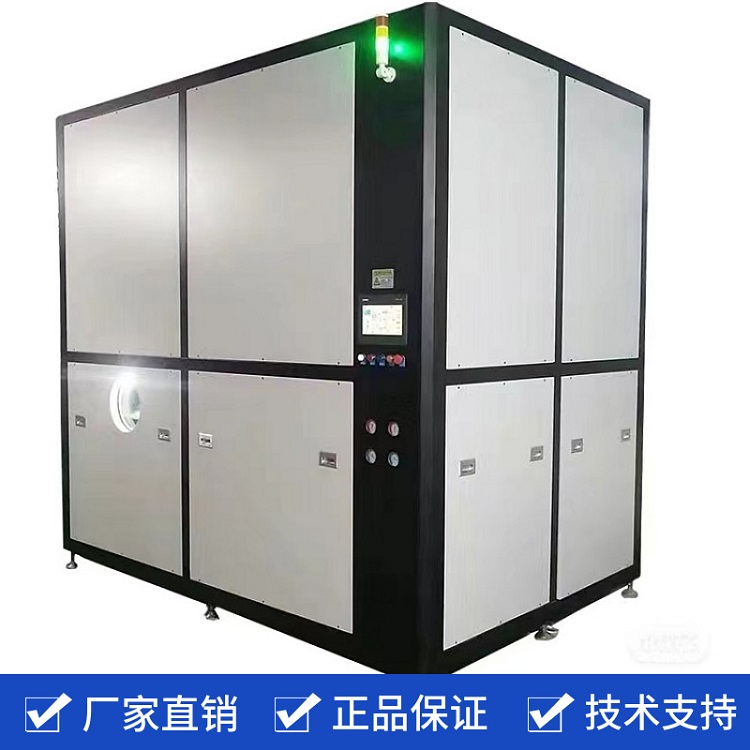
Sodium Chloride Wastewater Low-Temperature Evaporator - Intelligent Automatic - Quankun - Integrated Design
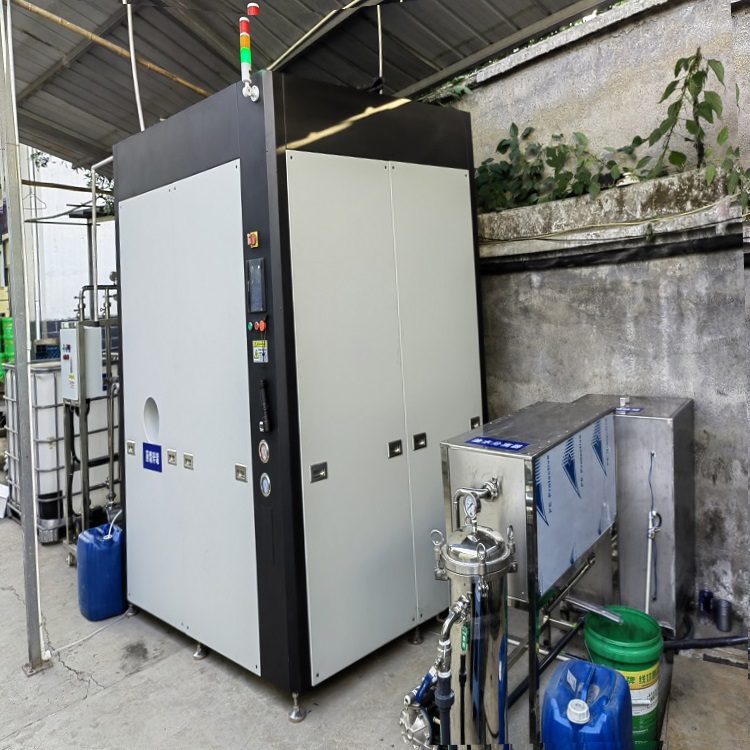
High-Concentration Oil Emulsion Waste Water Treatment Equipment - Quankun - Evaporator Unit - High Concentration Ratio
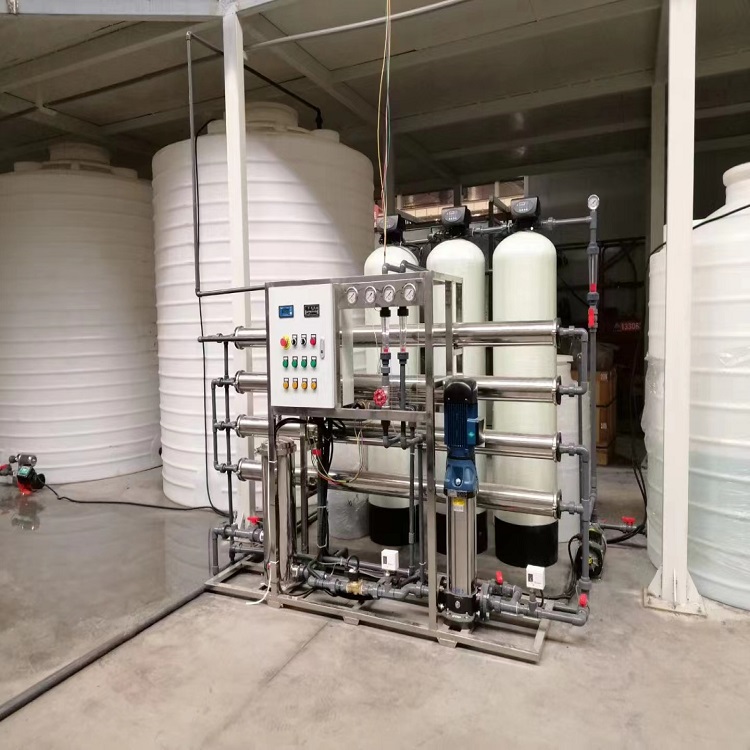
Industrial Pure Water Equipment EDI Ultra-Pure Water System Fully Automatic Control Quankun Environmental Protection
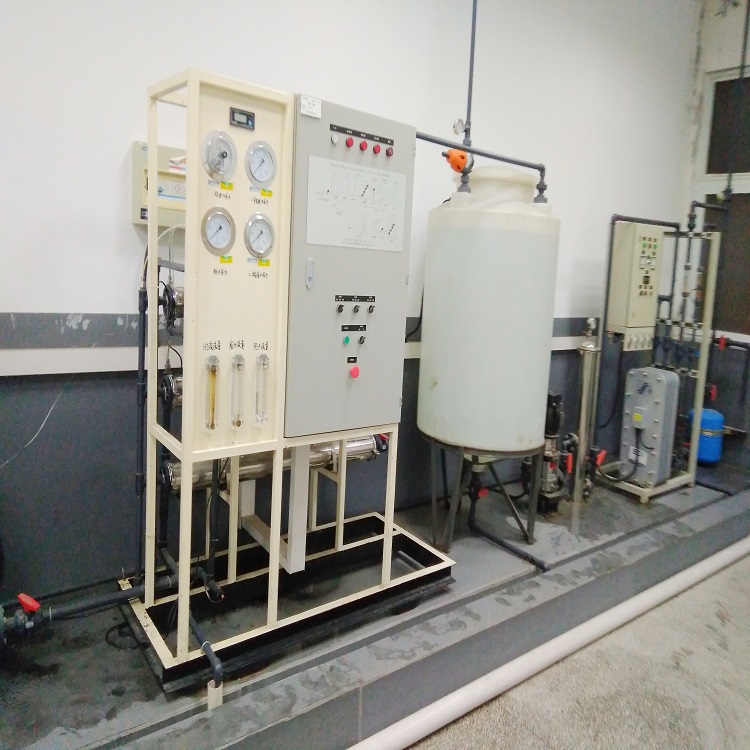
Shenzhen Industrial Ultra-Pure Water Equipment, equipped with EDI system, features low energy consumption and high degree of automation.
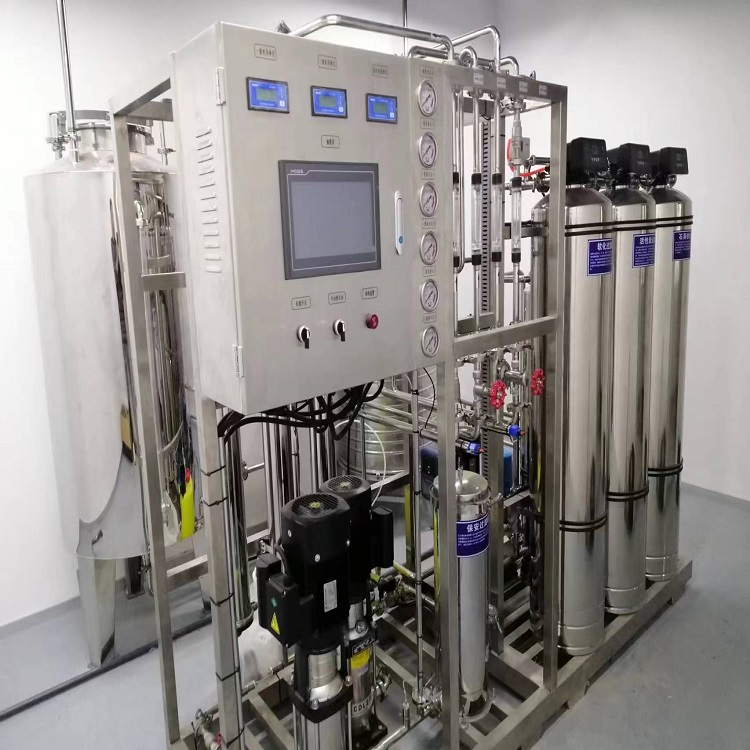
Shanghai industrial pure water production equipment reverse osmosis filtration system with high yield and customizable options, Quankun brand.
详情描述
Large-scale Sewage Treatment Equipment Manufacturer Quankun - Cutting Fluid Waste Treatment Equipment
Laboratory wastewater treatment equipment utilizes unique processes such as waste collection, automatic adjustment, coagulation-air flotation automatic stirring, flocculation-assisted sedimentation reaction, sedimentation separation, multi-stage oxidation treatment, multi-level decomposition degradation treatment, high-low potential difference micro-electrolysis technology, electrochemical oxidation-reduction technology, two-stage organic biological activity treatment technology, new biochemical reaction treatment technology, new organic wastewater packed bed photo-catalytic reaction technology, updated liquid selective mass transfer, and fungal mycelium surface molecular imprinting technology to comprehensively treat organic, inorganic, and biological wastewater generated in laboratories. School laboratory wastewater treatment equipment can effectively remove COD, BOD, SS, color, and heavy metal ions from wastewater. Different treatment technologies and control systems are employed based on the composition of various experimental wastewater.
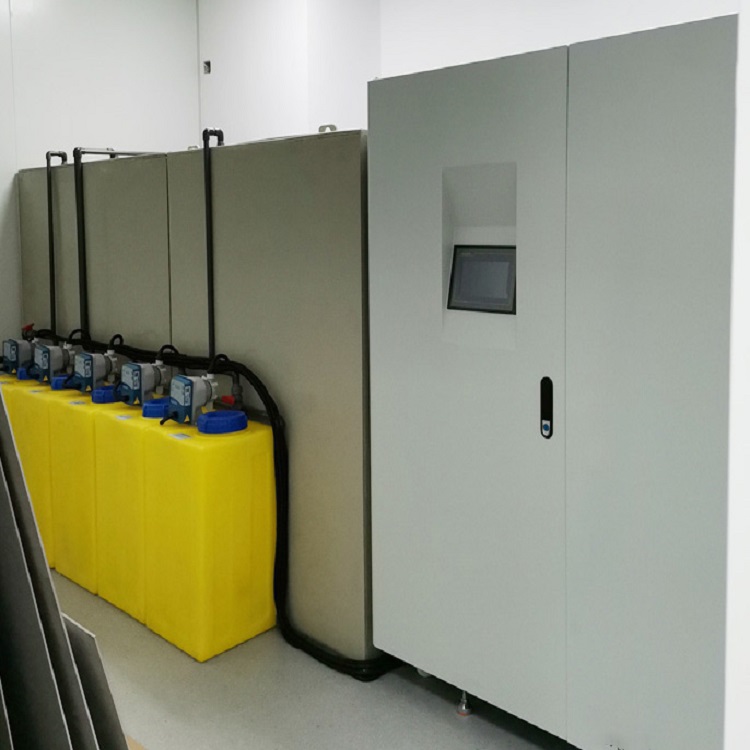
The laboratory wastewater treatment equipment operates through a human-machine interface operating system. The equipment runs automatically according to the program set by the PLC controller and the parameters set by the PH/ORP meter. The control system automatically calculates based on multi-level online monitoring of different wastewater compositions and concentrations, then automatically dosages in proportion. The school laboratory wastewater treatment equipment is more scientific and rational, ensuring the treatment effect of wastewater while saving consumption and requiring no dedicated staff.

Handling Principle:
1. The principle of on-site treatment. To prevent pollution and hazards during the conveyance of wastewater, on-site treatment is mandatory.
2. Principle of Full Process Control. Implement control over the entire process of wastewater generation, treatment, and discharge.
3. Classification Guidance Principles. Provide classification guidance for wastewater treatment based on nature, scale, destination of effluent discharge, and regional differences.
4. Minimization Principle. Strictly manage internal hygiene and safety systems, with rigorous control and separation at the sources of wastewater and waste. Separate the domestic wastewater from the wastewater in the infected areas, i.e., source control and separation of clean and dirty water. Prohibit the arbitrary disposal of wastewater and waste into the sewage system.
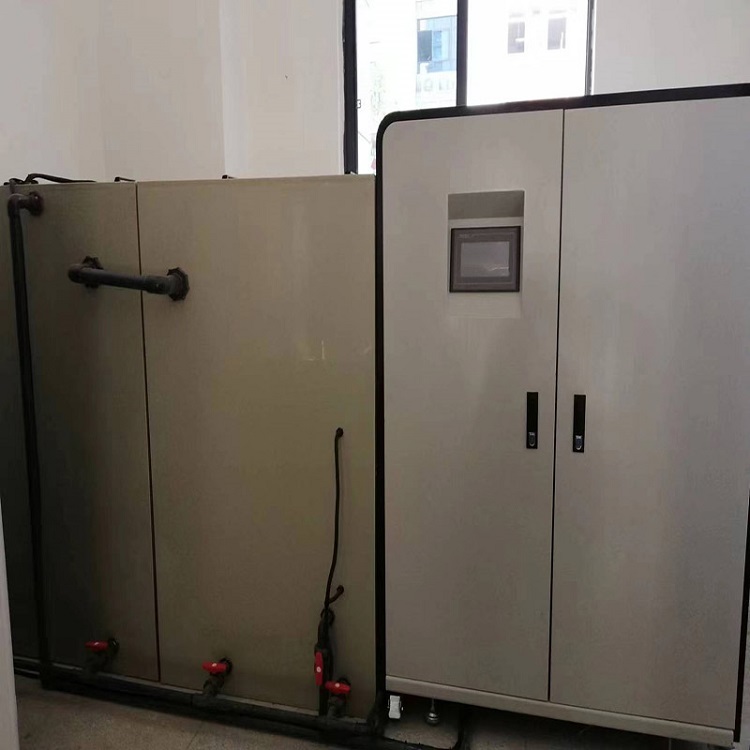
Large-scale Sewage Treatment Equipment Manufacturer Quankun - Cutting Fluid Waste Treatment Equipment
Types and standards for laboratory wastewater treatment:
Laboratory wastewater treatment equipment is primarily used for treating wastewater generated from various laboratories. By utilizing the differences in composition, concentration, and pollution components of organic, inorganic, and biological wastewater produced in laboratories, the equipment automatically calculates and removes COD, BOD, SS, color, viruses, heavy metal ions, and heavy metal ions from laboratory wastewater. This ensures the rational and scientific administration of the equipment. Under the premise of meeting the discharge standards for wastewater treatment, the equipment makes the use of drugs more rational in the production of laboratory wastewater. The treated wastewater can be directly discharged into the municipal pipeline and surrounding rivers and surface water bodies, or it can be recycled and reused through regeneration processes. The wastewater treatment equipment adheres to the national standards for discharge standards (GB8978-1996), the quality standards for wastewater discharged into urban sewers (GB/T31962-2015), and the relevant requirements of the "Emission Standards for Water Pollutants from Medical Institutions" (GB18466-2005).


