



- AllProduct Category
-
Lab Wastewater Treatment Equipment
Lab Wastewater Treatment Equipment
Ultra-Pure Water Equipment
Membrane Separation Equipment
Pure Water Equipment
Low-Temperature Evaporator
Ultra-Pure Water System
Integrated Wastewater Treatment Equipment
Reverse Osmosis Equipment
Pure Water Equipment
Ceramic Membrane Equipment



Recommended Products
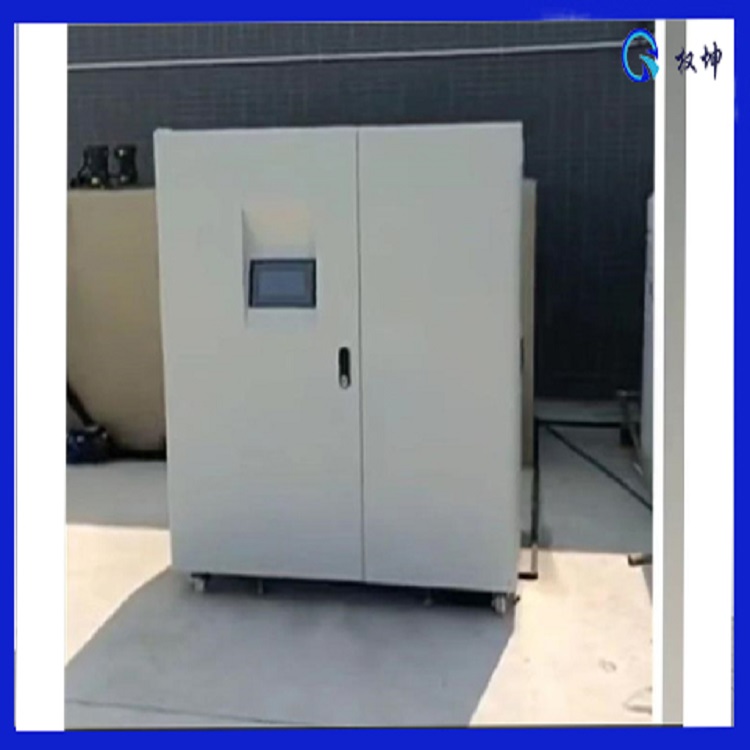
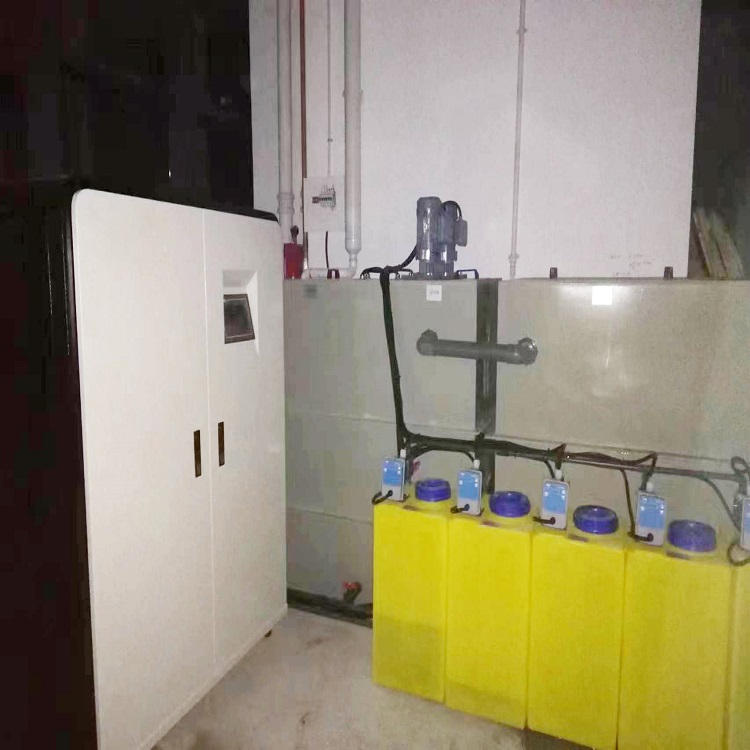
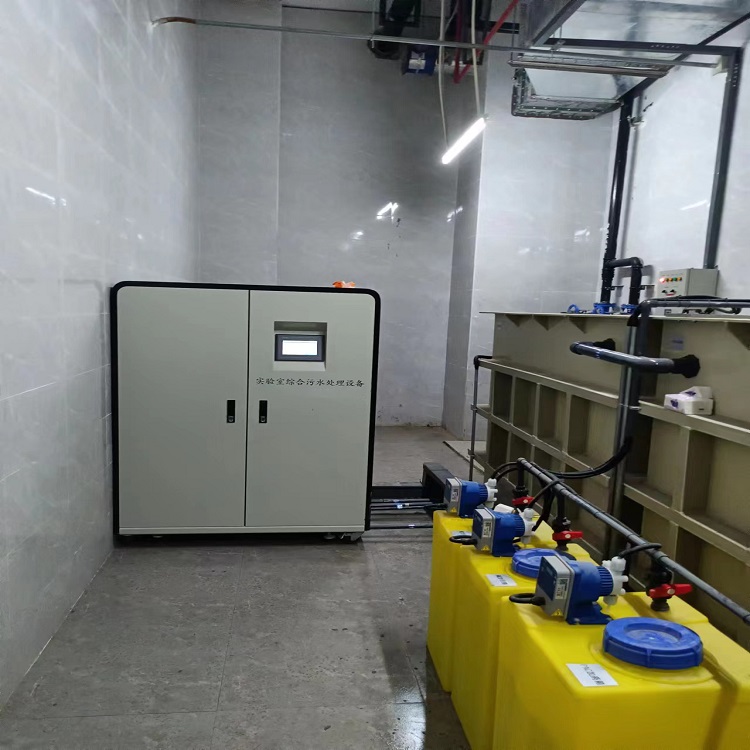
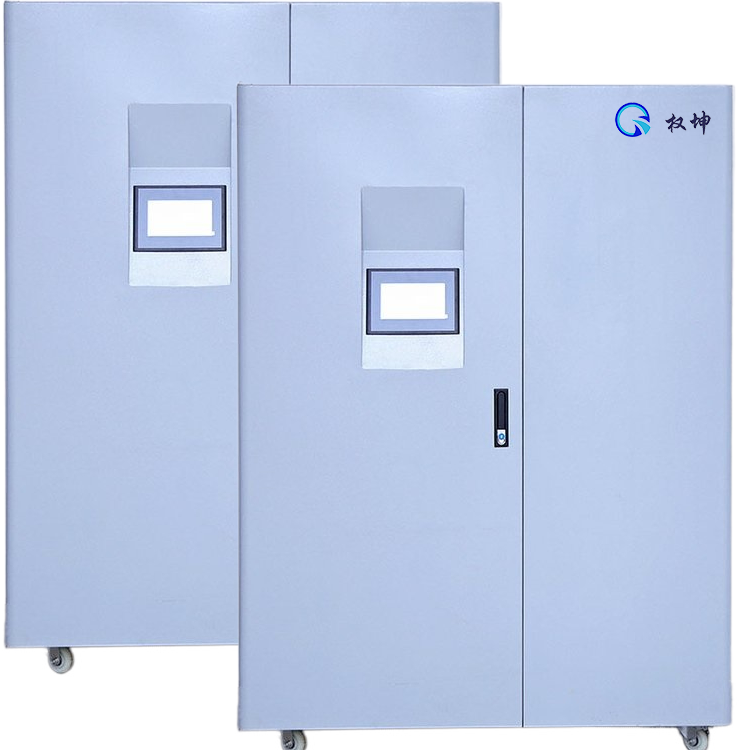
Quan Kun - Comprehensive Laboratory Waste Water Treatment Equipment - Remote Monitoring - Automated Control
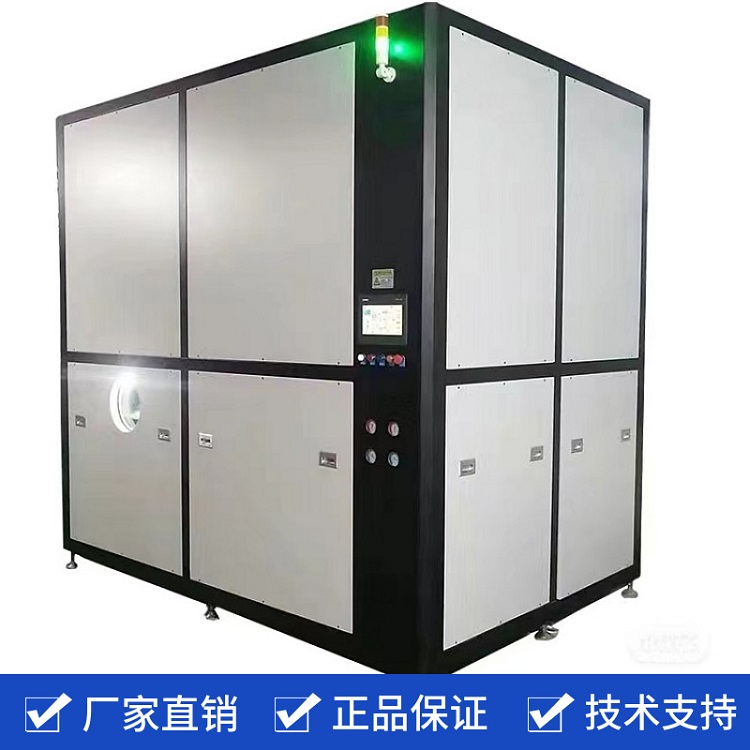
Sodium Chloride Wastewater Low-Temperature Evaporator - Intelligent Automatic - Quankun - Integrated Design
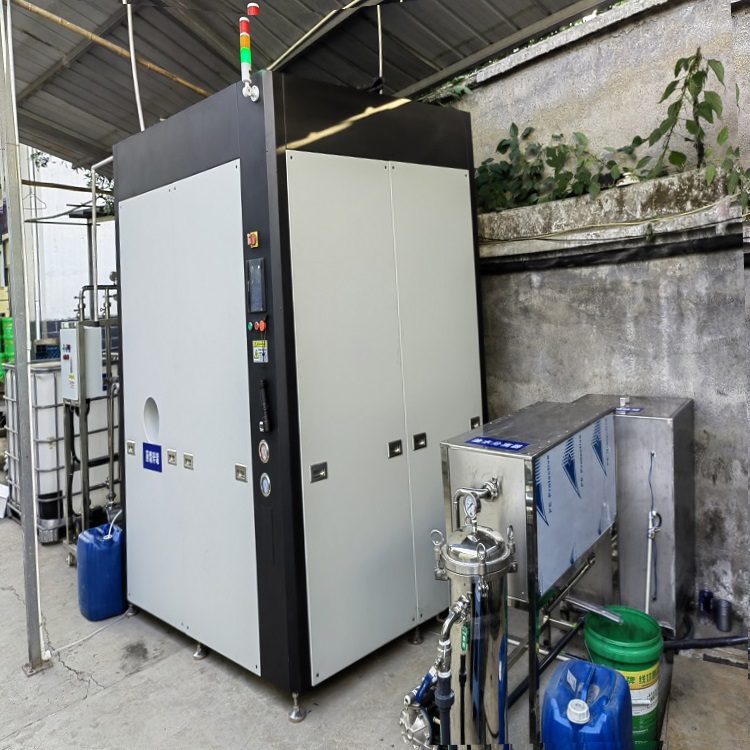
High-Concentration Oil Emulsion Waste Water Treatment Equipment - Quankun - Evaporator Unit - High Concentration Ratio
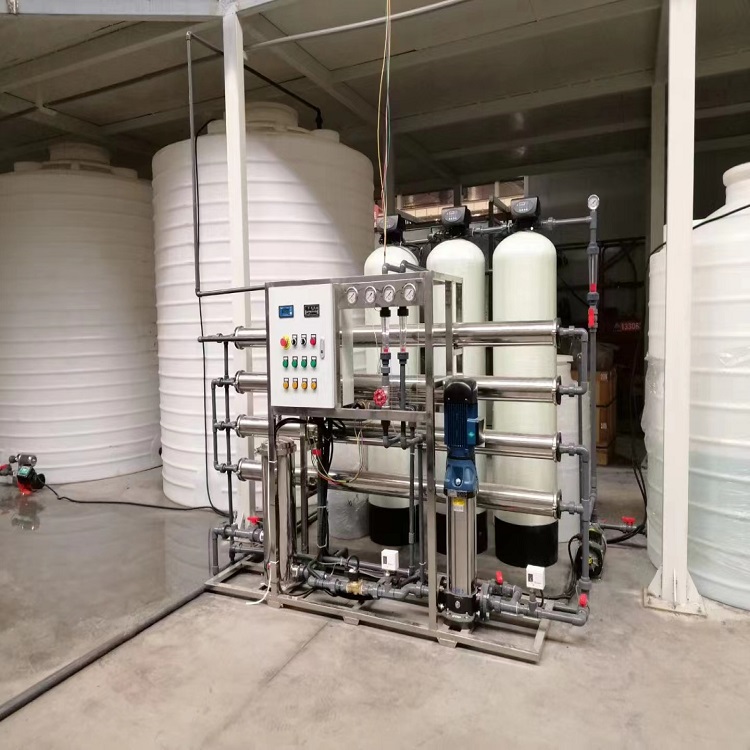
Industrial Pure Water Equipment EDI Ultra-Pure Water System Fully Automatic Control Quankun Environmental Protection
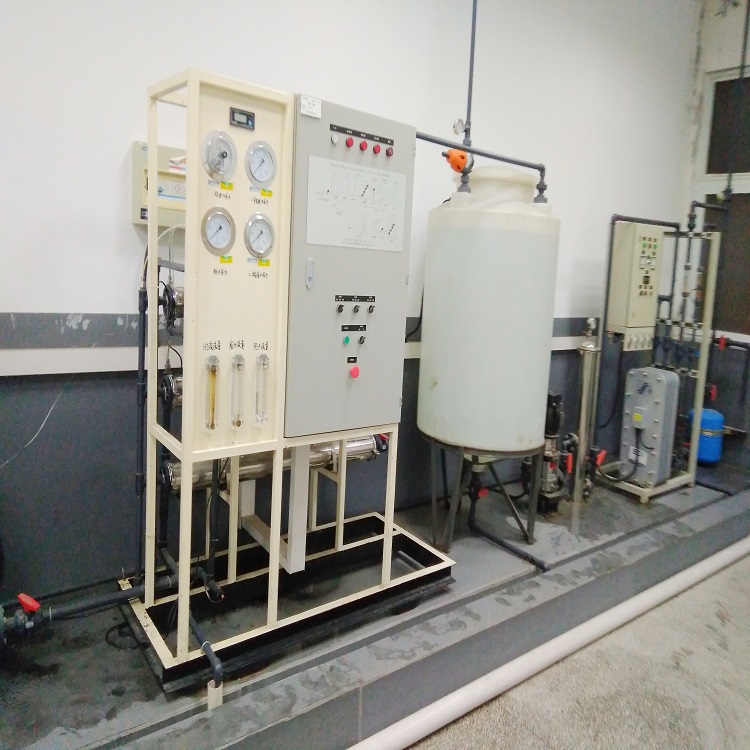
Shenzhen Industrial Ultra-Pure Water Equipment, equipped with EDI system, features low energy consumption and high degree of automation.
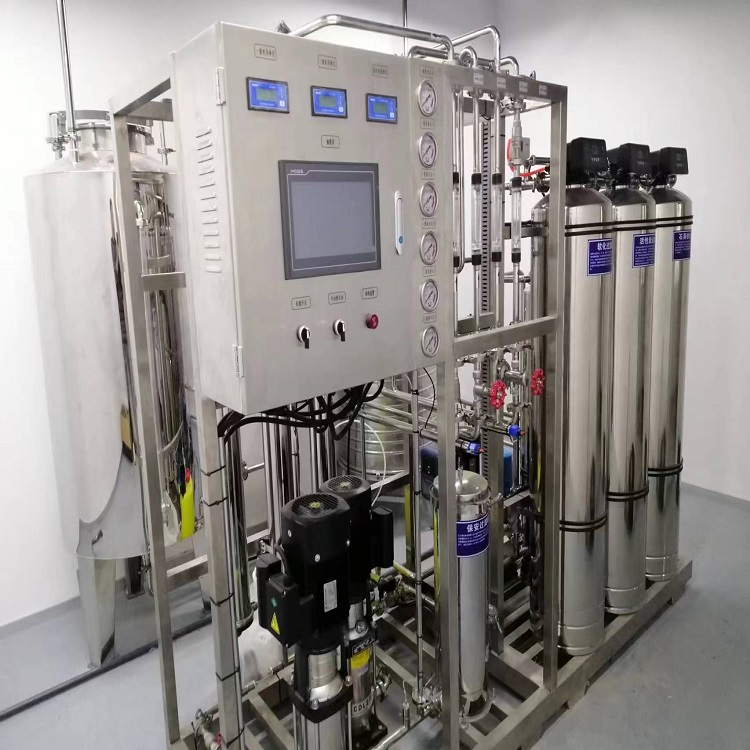
Shanghai industrial pure water production equipment reverse osmosis filtration system with high yield and customizable options, Quankun brand.
详情描述
Wastewater Treatment Equipment Introduction:
1. The wastewater treatment system consists of a 2-level merchant pool, constructed with a steel frame structure, which is relatively shallow in burial depth. The steel frame pool is coated with anti-corrosion materials through an interpenetrating network of internet technology. This involves a sulfide rubber internet and a plastic internet, forming an interpenetrating high polymer that can withstand acidity, alkali, salt, automotive gasoline, gasoline, anti-aging, and abrasion resistance, as well as providing rust prevention. After the equipment is typically coated with this architectural paint, the anti-corrosion lifespan is approximately 10 years.
2. The AO microbial process in wastewater treatment equipment utilizes a plug flow microbial contact aeration tank, which offers better treatment than complete mix or two to three-stage serial complete mix microbial contact aeration tanks. Additionally, it is lighter in weight than the activated sludge method, has strong adaptability to water bodies, excellent shock resistance, and maintains a stable water output, preventing sludge expansion. Moreover, a new type of flexible three-dimensional filling material is used in the microbial contact aeration tank, featuring high specific packing density, easy biofilm attachment and detachment, and higher removal rates of organic compounds under the same chemical load compared to other fillings, enhancing the solubility of oxygen in the water.
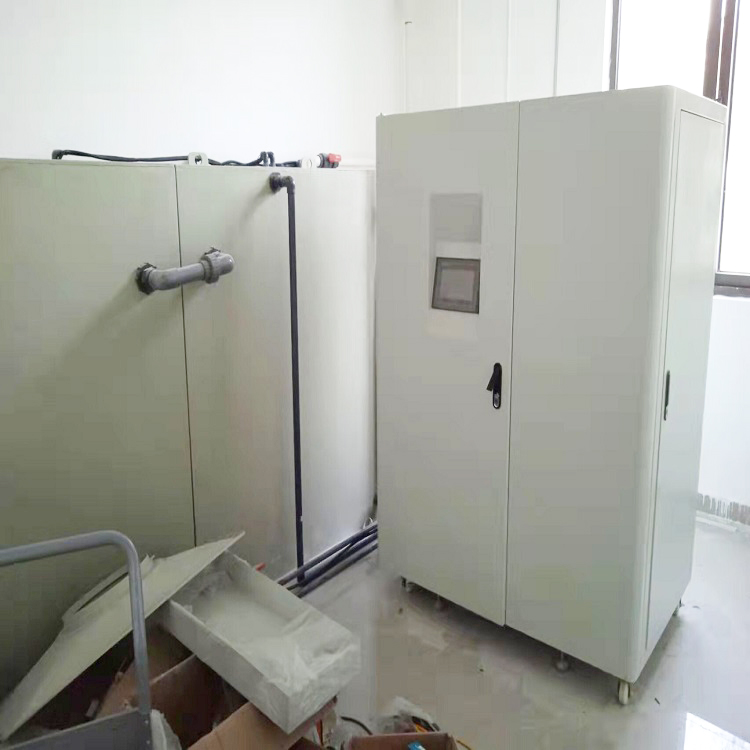
3. Due to the use of microbial contact with air oxidation ponds in the AO microbial process, the volume load of the filling material is relatively low, and the microbial strains are in their own air oxidation phase, resulting in less sludge production. Additionally, the moisture content of the sludge generated by the microbial contact air oxidation pond is significantly lower than that of the sludge produced by the activated sludge process pond. Therefore, the amount of sludge generated after wastewater treatment is less, typically requiring sludge removal only a few times every 90 days.
4. The integrated wastewater treatment equipment, in addition to employing basic noise reduction measures for the blower motor, such as vibration pads and mufflers, also incorporates new acoustic panels within the blower motor room. This ensures that the noise level during operation is less than 50 decibels, mitigating the impact on the surrounding environment.

Process Features:
The laboratory experiments may not be fixed, and the characteristics of the wastewater produced can vary. Using a single treatment process could result in resource waste or non-compliant effluent quality.
The multi-catalytic process proposed in this technology takes into account the characteristics of laboratory wastewater and activates different treatment units based on specific conditions to meet discharge standards.

Wastewater Treatment Process Description:
Wastewater treatment system, after格栅filtering to remove large particles of silt, impurities, and domestic waste, it enters the equalization pond. The wastewater then passes through the existing septic tank to enhance its biodegradability, preparing for subsequent contact oxidation. It is then homogenized and adjusted for water quality and quantity, followed by being lifted by the wastewater pump to the primary aeration tank of the second-stage biological contact oxidation pond. After biochemical treatment in the primary aeration tank, the effluent flows by gravity to the primary sedimentation tank. The effluent then flows by gravity to the second-stage aeration tank, where it undergoes further microbial oxidation and decomposition to eliminate COD in the wastewater. The effluent flows by gravity to the second-stage sedimentation tank, then to the clear water disinfection tank, where it is disinfected with chlorine dioxide. After thorough disinfection, it is lifted by the recycled water pump to the activated carbon filter, absorbing excess chlorine before being discharged in compliance with standards.


