



- AllProduct Category
-
Lab Wastewater Treatment Equipment
Lab Wastewater Treatment Equipment
Ultra-Pure Water Equipment
Membrane Separation Equipment
Pure Water Equipment
Low-Temperature Evaporator
Ultra-Pure Water System
Integrated Wastewater Treatment Equipment
Reverse Osmosis Equipment
Pure Water Equipment
Ceramic Membrane Equipment



Recommended Products
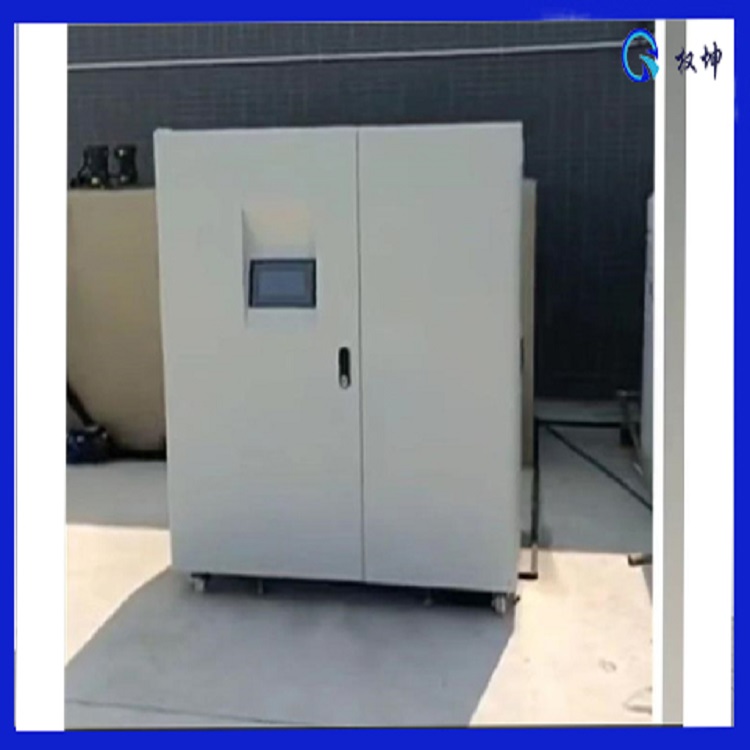
Quan Kun - Comprehensive Laboratory Waste Water Treatment Equipment - Remote Monitoring - Automated Control
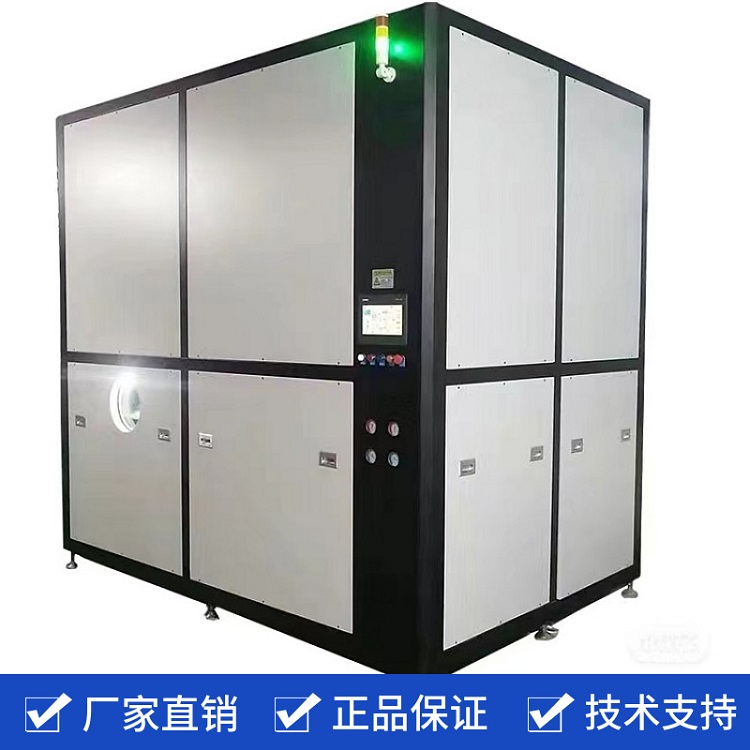
Sodium Chloride Wastewater Low-Temperature Evaporator - Intelligent Automatic - Quankun - Integrated Design
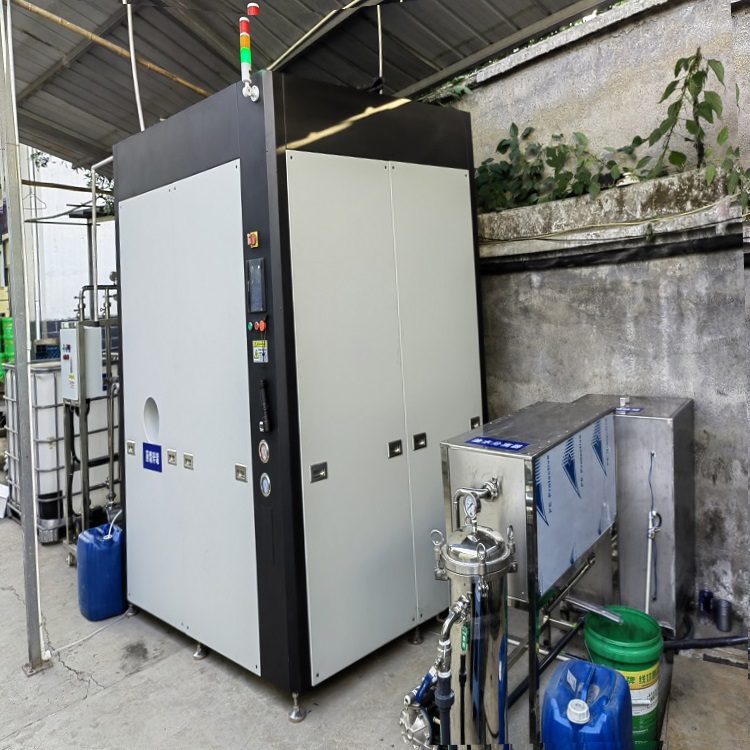
High-Concentration Oil Emulsion Waste Water Treatment Equipment - Quankun - Evaporator Unit - High Concentration Ratio
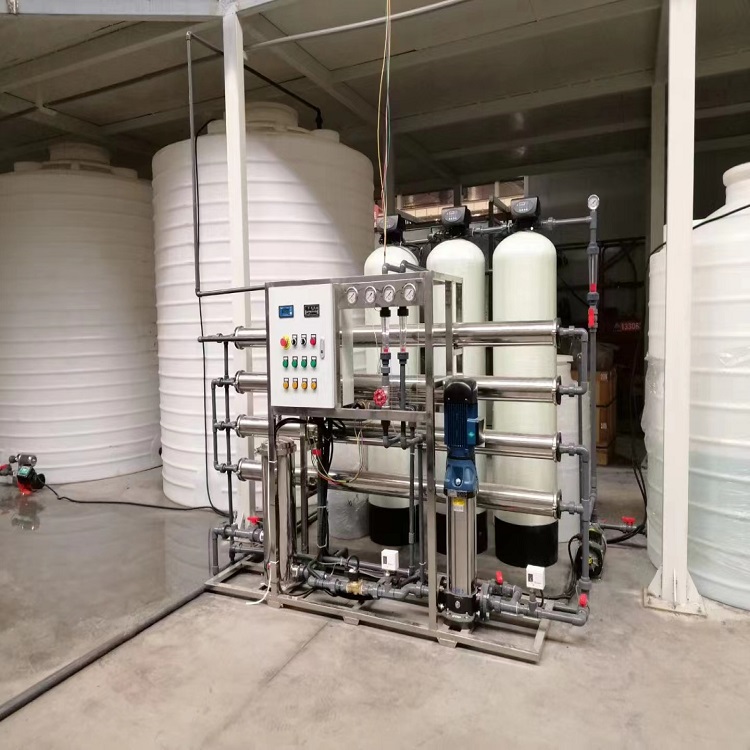
Industrial Pure Water Equipment EDI Ultra-Pure Water System Fully Automatic Control Quankun Environmental Protection
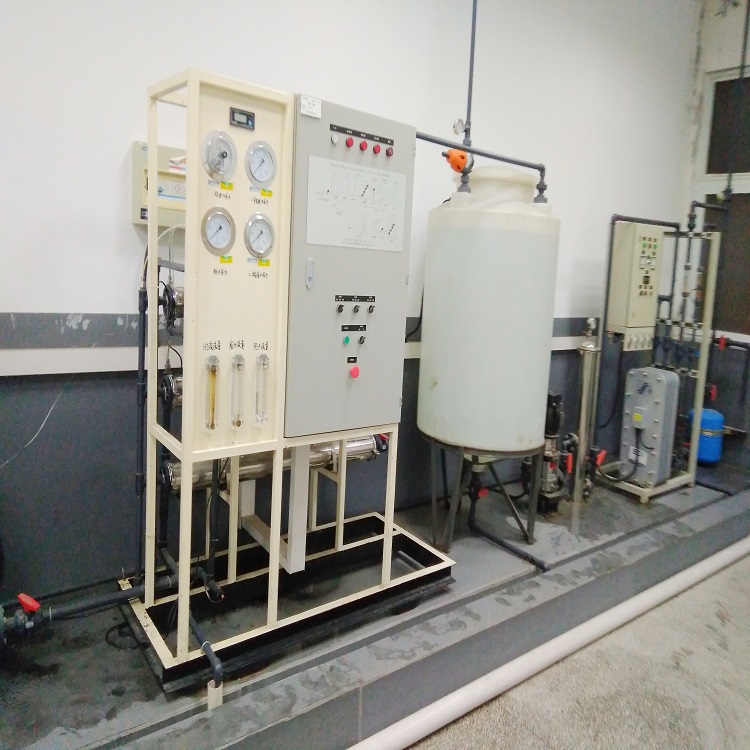
Shenzhen Industrial Ultra-Pure Water Equipment, equipped with EDI system, features low energy consumption and high degree of automation.
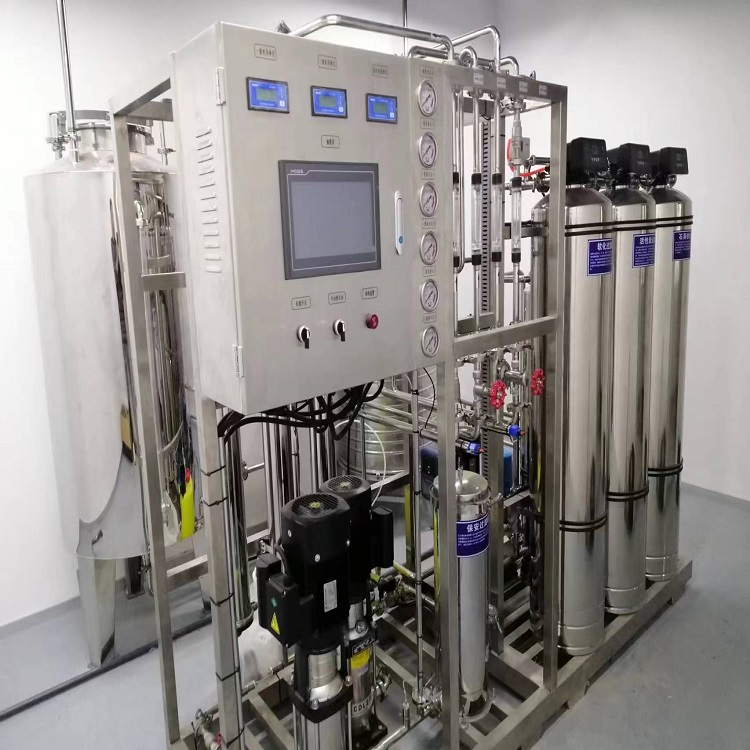
Shanghai industrial pure water production equipment reverse osmosis filtration system with high yield and customizable options, Quankun brand.
详情描述
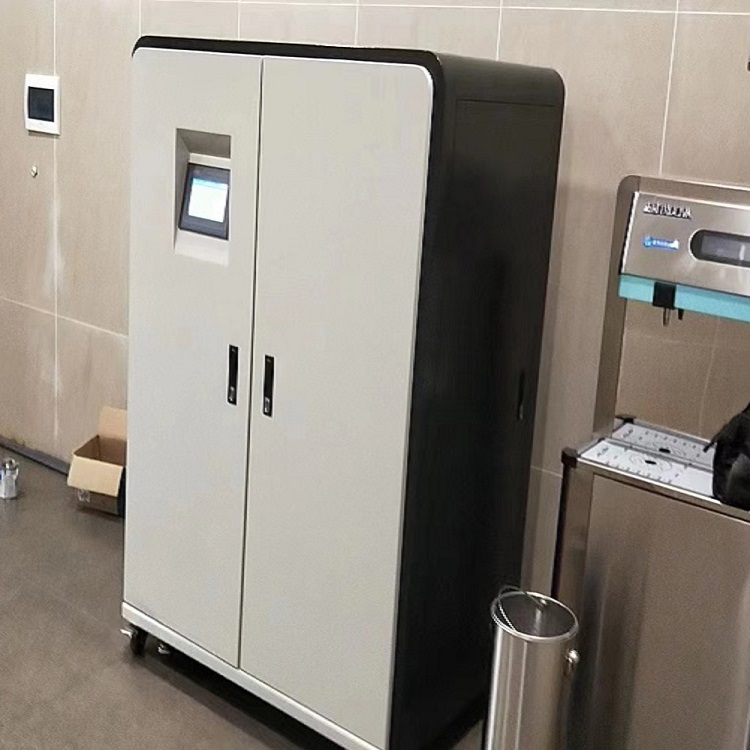
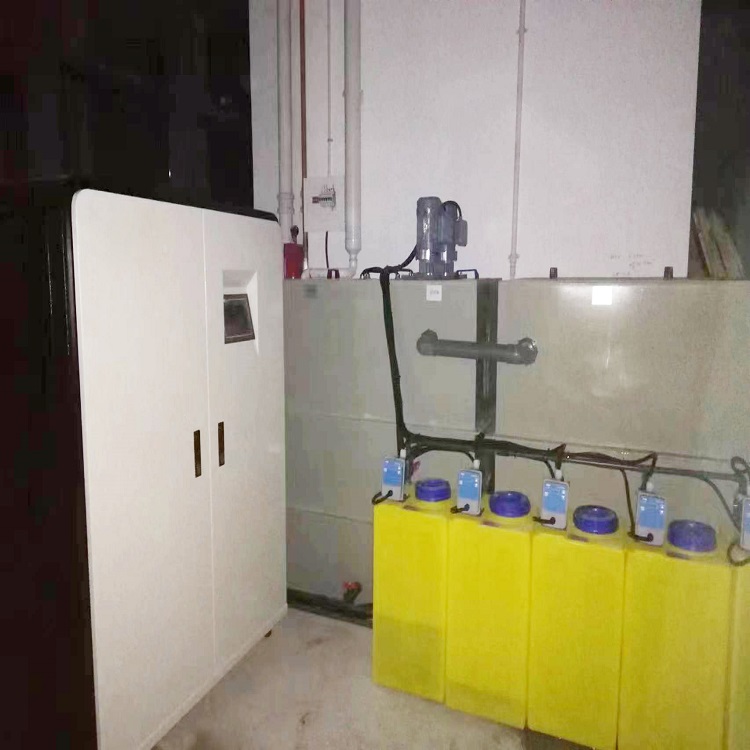
Small Sewage Treatment Unit, Quankun Industrial Wastewater Treatment Equipment
Experimental wastewater is characterized by its small volume, strong intermittence, high hazard, and complex and variable composition. Based on the nature of the main pollutants in the wastewater, it can be divided into two major categories: organic and inorganic wastewater. Inorganic wastewater primarily contains heavy metals, heavy metal complexes, acids and bases, sulfides, halide ions, and other inorganic ions. Organic wastewater includes common organic solvents, organic acids, ethers, organic phosphorus compounds, phenols, petroleum products, and oils. Generally, due to strict collection and storage methods for experimental wastewater and waste materials during the experimental process, the pollutant concentration in the experimental wastewater system can be controlled within a certain range after storage and regulation. However, it still possesses certain corrosiveness and biological toxicity.
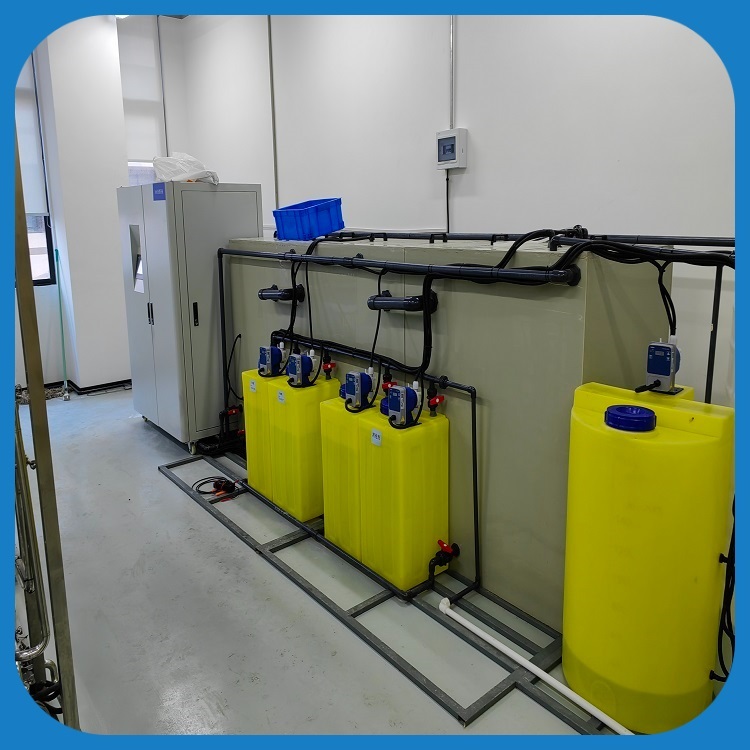
Equipment Features:
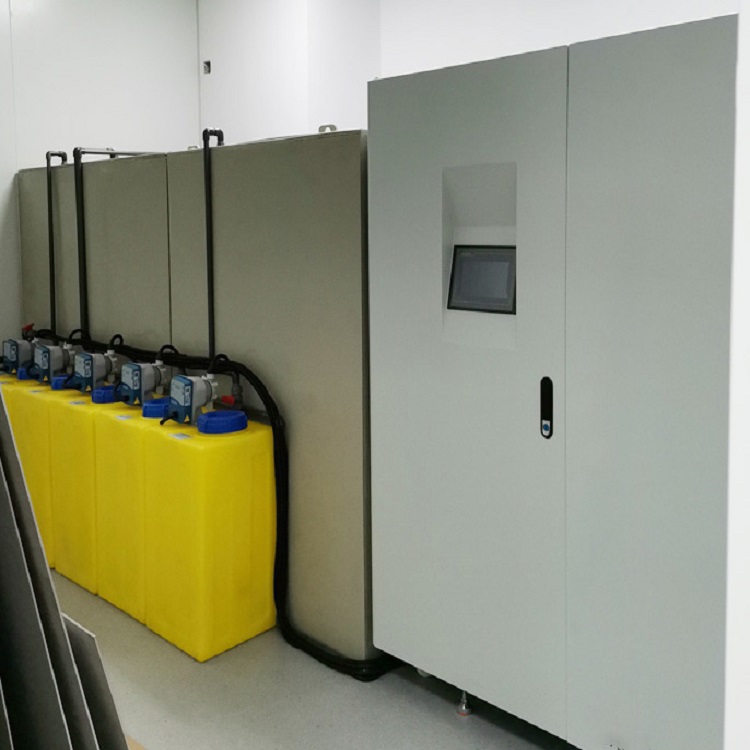
Our "One-stop Small Wastewater Treatment Equipment" system is designed for small institutions and units with a daily treatment capacity less than 25 cubic meters. Tailored to different characteristics of wastewater, we have designed various small-scale integrated wastewater treatment units with the following features:
Based on the characteristics of different waste water, practical and simple wastewater treatment processes are selected to minimize the complexity of the process.
(2) Tailored to the characteristics of different wastewater, we have minimized the number of equipment, reduced equipment investment, and decreased the land area required, constructing a one-stop wastewater treatment plant for our clients.
(3) Advanced technology, high level of automation, easy operation, simple management, and long service life.
(4) We are specialized experts in small-volume wastewater treatment, offering environmental process solutions.
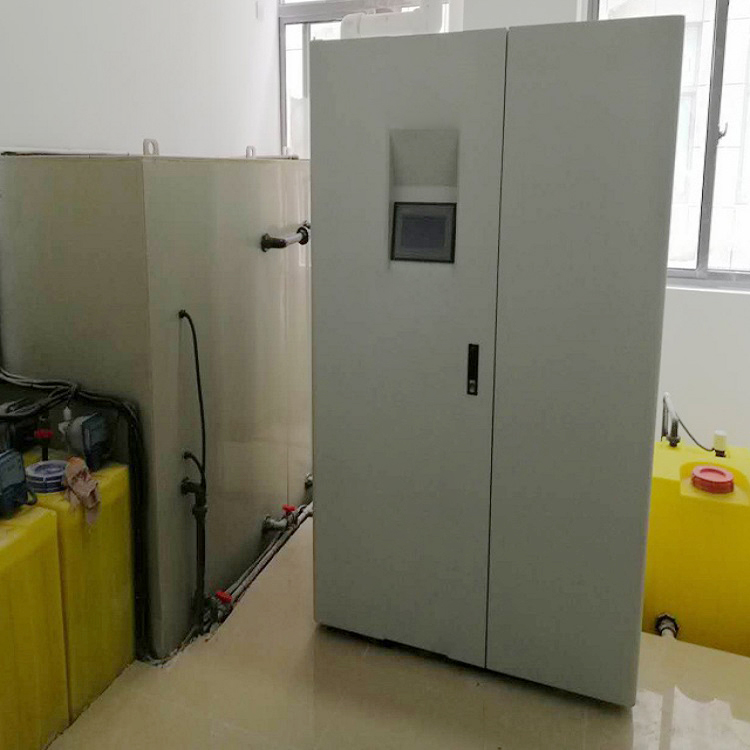
Product Features:
Employed by dissolution method, Automated release, pressure chlorination process design, utilizing solid CL reagent containing over 80% as the main raw material. The disinfectant is produced by the reasonable mixing of water and the reagent, which is then released to achieve disinfection by full contact with the required water body (well).
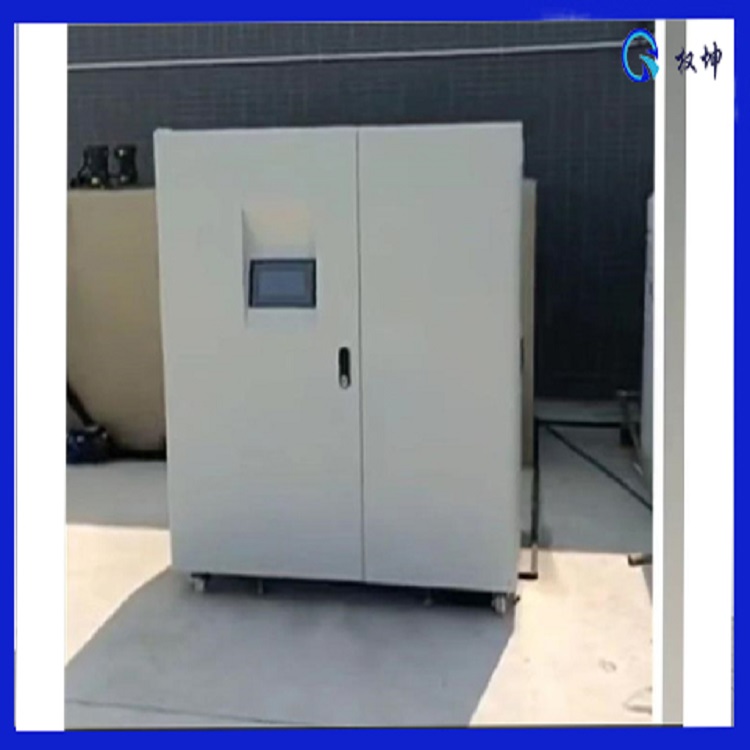
Small Scale Wastewater Treatment Plant, Quankun Industrial Wastewater Treatment Equipment
Application Fields:
Chinese and Higher Education Institutions: School of Life Sciences, College of Chemical Engineering, School of Materials, School of Environment, School of Food Science, School of Medicine, School of Agriculture
Wastewater generated from hospital and laboratory facilities.
Research Institutions: Laboratory wastewater generated during the research process at research institutes, testing centers, inspection centers, etc.
CDC: Wastewater generated from laboratories conducting physical and chemical testing, microbiology, PCR, P2, P3, P4, and other lab activities.
Animal husbandry and veterinary: wastewater generated from laboratories producing animal disinfectants, pathogens, and microorganisms.
Central Blood Bank: Waste water generated from laboratories such as the testing lab, central lab, and quality control room.
Product Quality Inspection: Wastewater generated from food analysis rooms and other laboratories.
Environmental Monitoring: Wastewater generated from laboratories such as water analysis rooms and trace analysis rooms.
Agricultural Technology Center: Wastewater generated from laboratories such as the chemical and drug residue rooms.
Outpatient Physical Examination Center: wastewater generated from laboratories such as the chemical and testing rooms.
Inspection and Quarantine Bureau: Wastewater generated from health centers, technical centers, and other laboratories.
Biological Pharmaceuticals: wastewater generated from activities such as physical-chemical analysis, quality control rooms, and laboratories.
Oilfield and Petrochemical: Waste water produced by central laboratories of oil refineries, oil plants, environmental monitoring stations, etc.
Corporate: Wastewater generated from central laboratories, quality inspection rooms, chemical laboratories, and other laboratories.


