




- AllProduct Category
-
Lab Wastewater Treatment Equipment
Lab Wastewater Treatment Equipment
Ultra-Pure Water Equipment
Membrane Separation Equipment
Pure Water Equipment
Low-Temperature Evaporator
Ultra-Pure Water System
Integrated Wastewater Treatment Equipment
Reverse Osmosis Equipment
Pure Water Equipment
Ceramic Membrane Equipment



Recommended Products
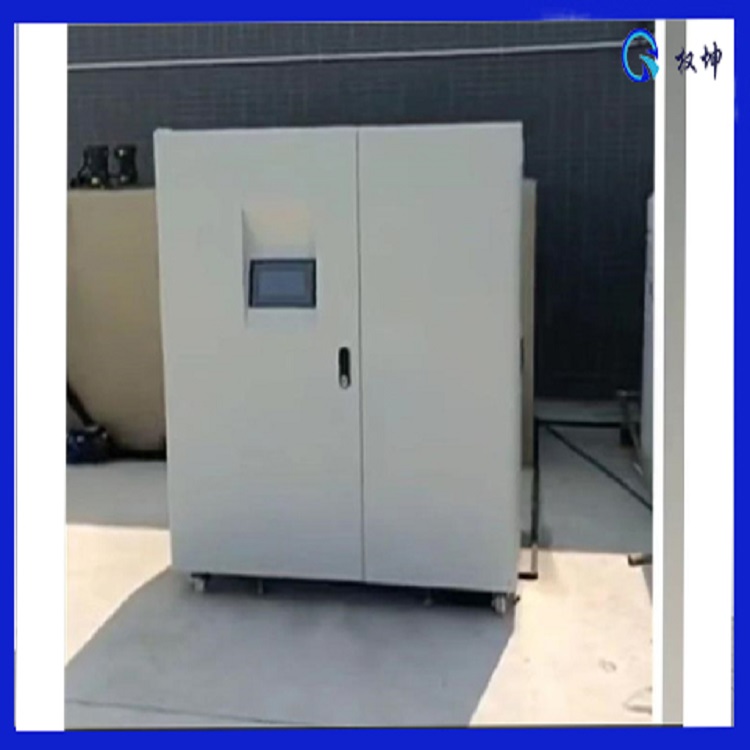
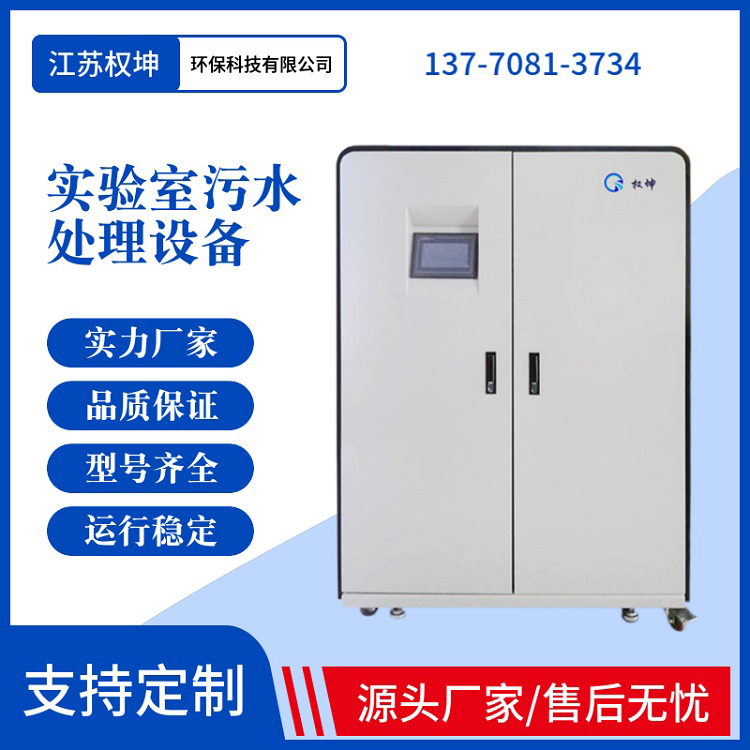
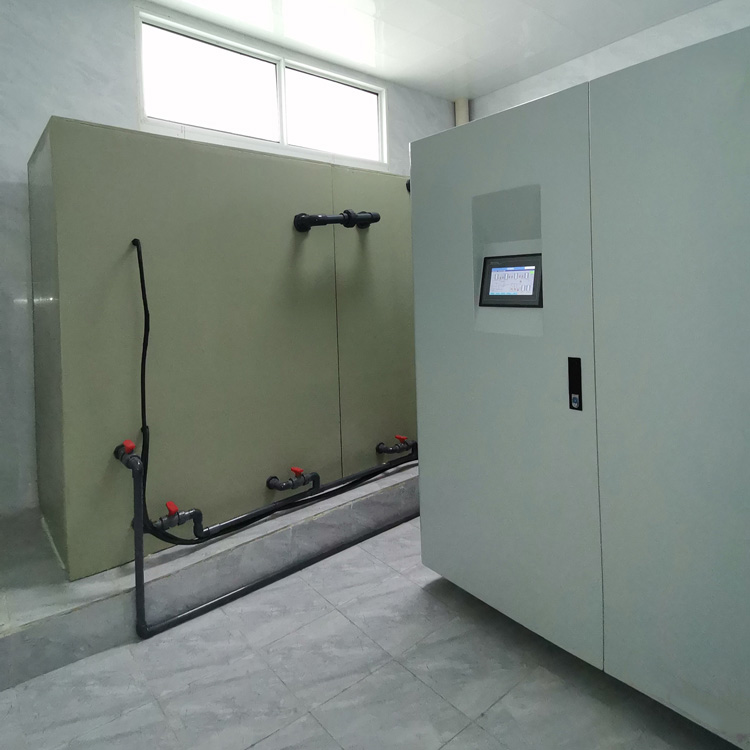
Quan Kun - Comprehensive Laboratory Waste Water Treatment Equipment - Remote Monitoring - Automated Control
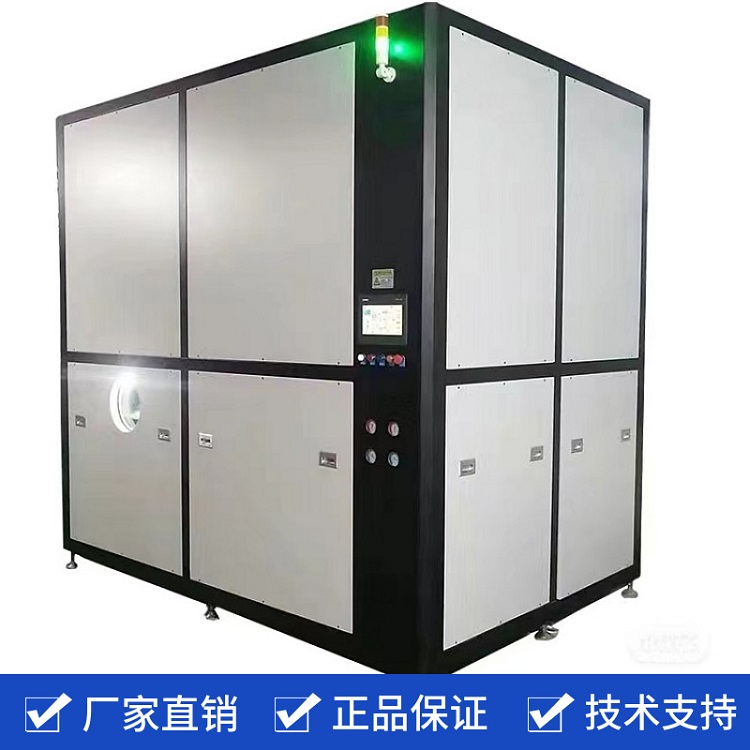
Sodium Chloride Wastewater Low-Temperature Evaporator - Intelligent Automatic - Quankun - Integrated Design
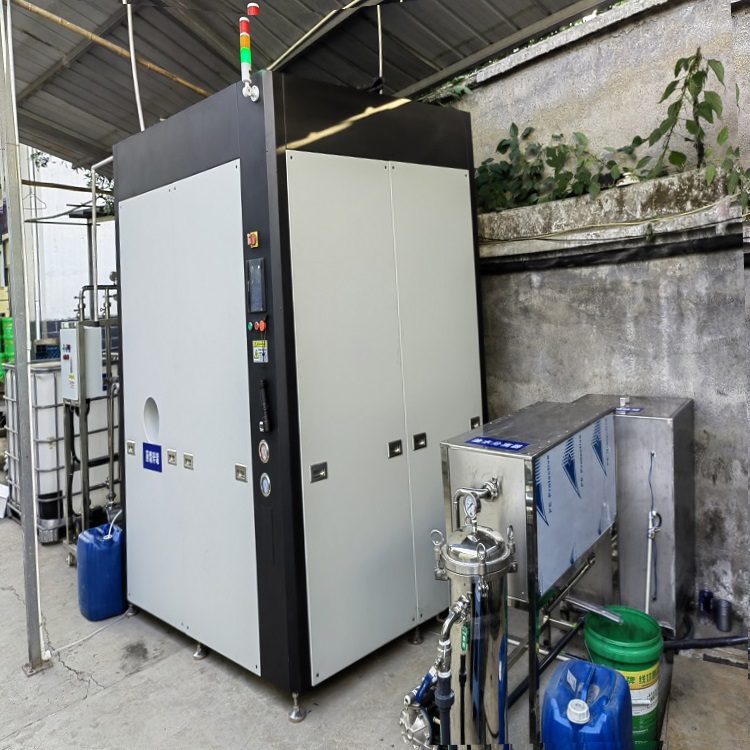
High-Concentration Oil Emulsion Waste Water Treatment Equipment - Quankun - Evaporator Unit - High Concentration Ratio
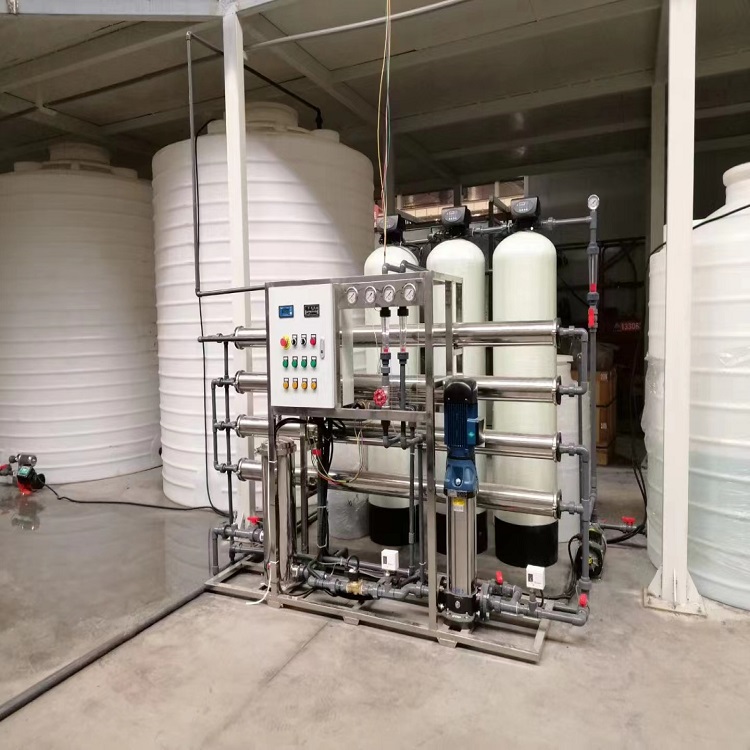
Industrial Pure Water Equipment EDI Ultra-Pure Water System Fully Automatic Control Quankun Environmental Protection
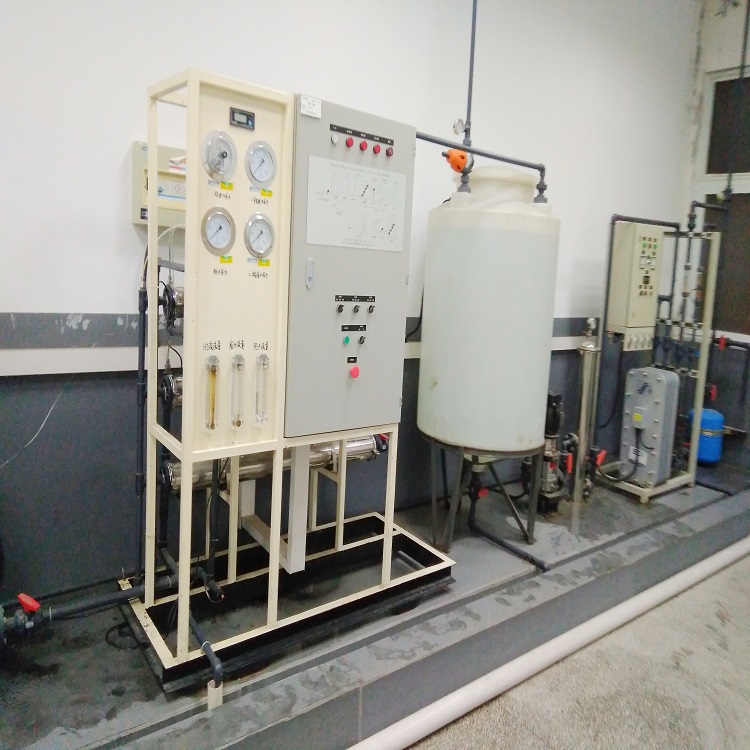
Shenzhen Industrial Ultra-Pure Water Equipment, equipped with EDI system, features low energy consumption and high degree of automation.
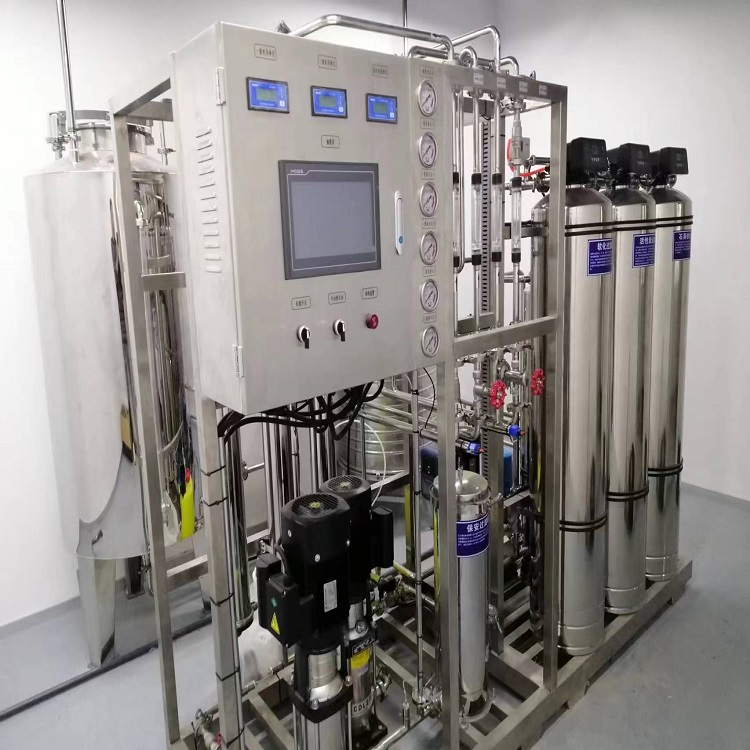
Shanghai industrial pure water production equipment reverse osmosis filtration system with high yield and customizable options, Quankun brand.
详情描述
Intelligent Laboratory Waste Water Comprehensive Treatment Equipment
Equipment Introduction:
The laboratory comprehensive wastewater treatment equipment, equipped with wastewater collection, automatic adjustment, coagulation and air flotation automatic mixing, flocculation and coagulation sedimentation reaction, sedimentation separation, multi-stage high oxidation treatment, multi-stage decomposition degradation treatment, high and low potential difference micro-electrolysis technology, electrochemical oxidation-reduction, two-stage agricultural production system biological activity treatment technology, and new biochemical reaction treatment technology, integrates the treatment of agricultural production system, inorganic, and biological wastewater generated in the laboratory. It effectively removes COD, BOD, SS, color, and heavy metal ions from the wastewater. Different treatment technologies and control systems are adopted based on the composition of different experimental wastewater. The equipment operates through an operating system, running according to the programmed set by the controller and parameters set by the pH/ORP meter.
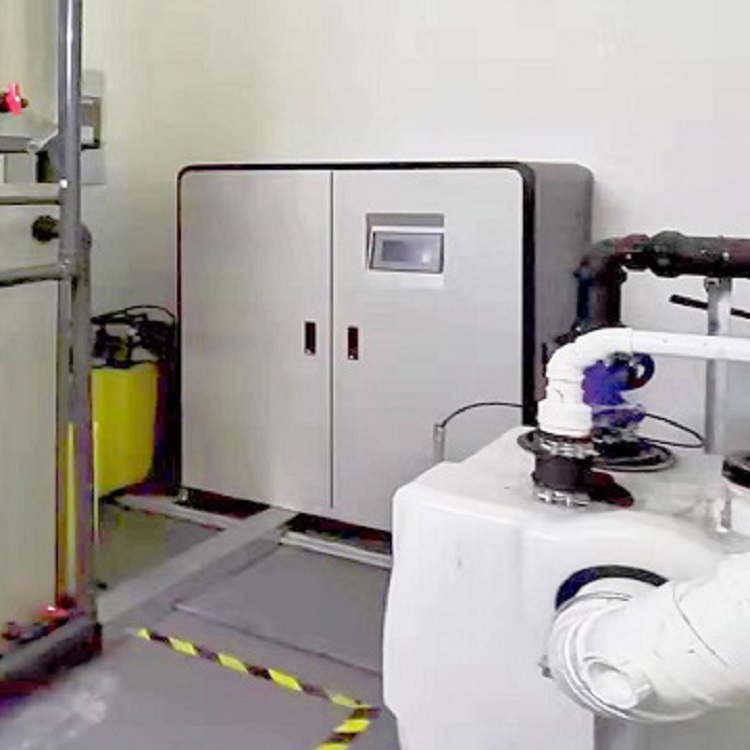
Equipment Process:
Wastewater is collected through the sewage pipeline and stored in an external storage tank for quality adjustment and preliminary sedimentation of large particles. An internal float ball sensor monitors the water level, and once it reaches the set high water level, it is pumped to the main equipment via an external lift pump. It first enters the pH adjustment tank, where it is automatically regulated by a pH meter (parameters are factory-set but can be adjusted based on actual conditions), adding alkali for acidity and acid for alkalinity. After pH adjustment, it flows into the micro-electrolysis tank, where electrolysis occurs through internal potential differences, reducing COD and removing some heavy metal ions. It then sequentially enters the flocculation sedimentation tank, where flocculation and sedimentation are achieved by adding PAC or PAM, reducing SS. It flows into the clear water tank, and once it reaches a certain water level, it is automatically pumped to a multimedia filter for adsorption filtration, followed by disinfection in a controlled release disinfection unit. After treatment, the wastewater meets the first, second, and third standards of the Comprehensive Wastewater Discharge Standard [GB8978-1996]. The treated wastewater can be discharged into the municipal sewage network or surface and river water, or it can be reused through further treatment processes.
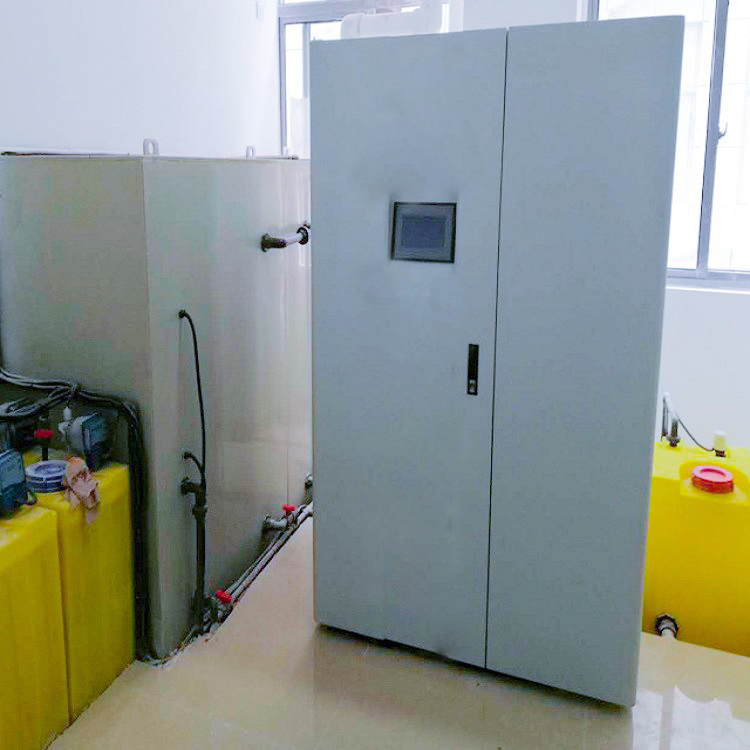
Process Features:
1. Utilizes technologies such as neutralization and precipitation, chemical oxidation, heavy metal capture, photocatalytic reaction, micro-electrolysis, ozone oxidation, and multi-media filtration to treat various pollutants in wastewater; 2. Equipped with a microcomputer program for real-time monitoring and control of water quality and treatment process, ensuring round-the-clock automatic operation without the need for constant human supervision; 3. Accurately controls dosing with pH meters and imported metering pumps, and is fitted with liquid level control, medication shortage alarms, and automatic sludge removal systems; 4. Features an advanced aeration device for thorough gas-water contact and complete reaction; 5. User-friendly operation, stable performance, long service life, and low operation and maintenance costs; 6. Compact footprint, suitable for installation indoors or outdoors as needed; 7. Custom-designed and manufactured to meet customers' specific requirements.
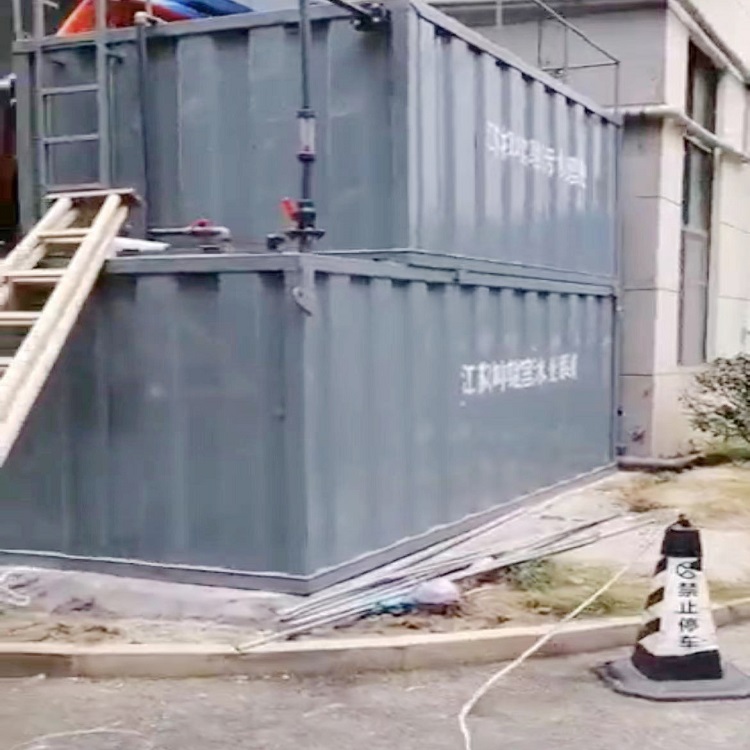
Intelligent laboratory wastewater comprehensive treatment equipment
Application Fields:
Chinese and Higher Education Institutions: School of Life Sciences, College of Chemical Engineering, College of Materials, School of Environmental Sciences, School of Food Science, School of Medicine, Agricultural Sciences
Wastewater generated from hospital and laboratory facilities.
Research Institutions: Laboratory wastewater generated during the research process by research institutes, testing centers, inspection centers, etc.
Centers for Disease Control: Wastewater generated from laboratories such as physical and chemical testing, microbiology, PCR, P2, P3, P4, etc.
Agricultural Veterinary: wastewater generated from laboratories producing animal disinfectants, pathogens, and microorganisms.
Central Blood Station: Wastewater generated from laboratories such as the testing lab, central lab, quality control room, etc.
Product Quality Inspection: Wastewater generated from food analytical laboratories and other labs.
Environmental Monitoring: Wastewater generated from laboratories such as water analysis rooms and trace analysis rooms.
Agricultural Technology Center: Wastewater generated from laboratories such as the chemical and drug residue rooms.
Outpatient Health Check Center: wastewater generated from laboratories such as the Chemical Laboratory and Inspection Room.
Inspection and Quarantine Bureau: Wastewater generated from health centers, technical centers, and other laboratories.
Biological Waste: wastewater generated from activities such as physical and chemical analysis, quality control rooms, and laboratories.
Oilfield & Petrochemical: Wastewater generated from central laboratories of oil refineries, oil processing plants, environmental monitoring stations, etc.
Wastewater generated from central laboratories, quality inspection rooms, chemical laboratories, and other similar laboratories.


