



- AllProduct Category
-
Lab Wastewater Treatment Equipment
Lab Wastewater Treatment Equipment
Ultra-Pure Water Equipment
Membrane Separation Equipment
Pure Water Equipment
Low-Temperature Evaporator
Ultra-Pure Water System
Integrated Wastewater Treatment Equipment
Reverse Osmosis Equipment
Pure Water Equipment
Ceramic Membrane Equipment



Recommended Products
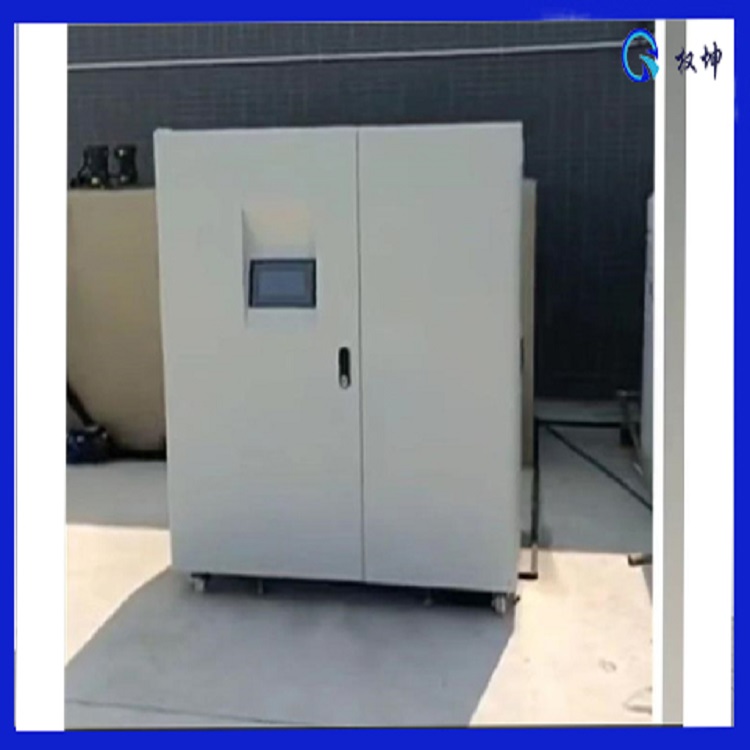
Quan Kun - Comprehensive Laboratory Waste Water Treatment Equipment - Remote Monitoring - Automated Control
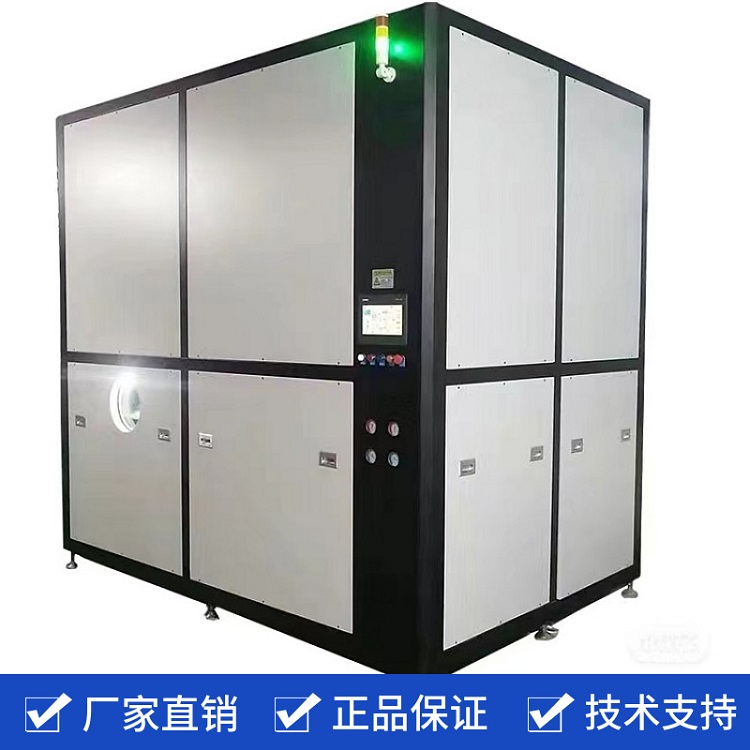
Sodium Chloride Wastewater Low-Temperature Evaporator - Intelligent Automatic - Quankun - Integrated Design
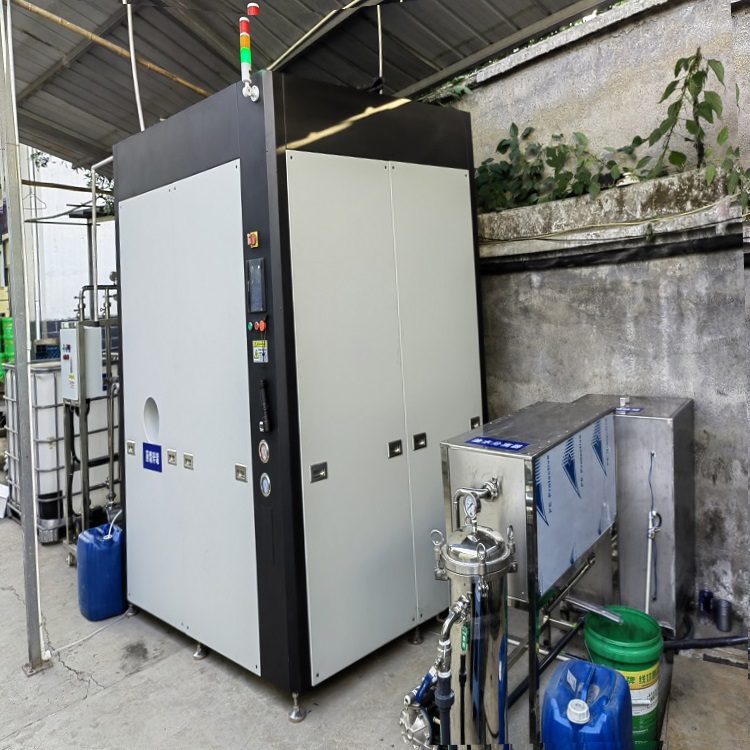
High-Concentration Oil Emulsion Waste Water Treatment Equipment - Quankun - Evaporator Unit - High Concentration Ratio
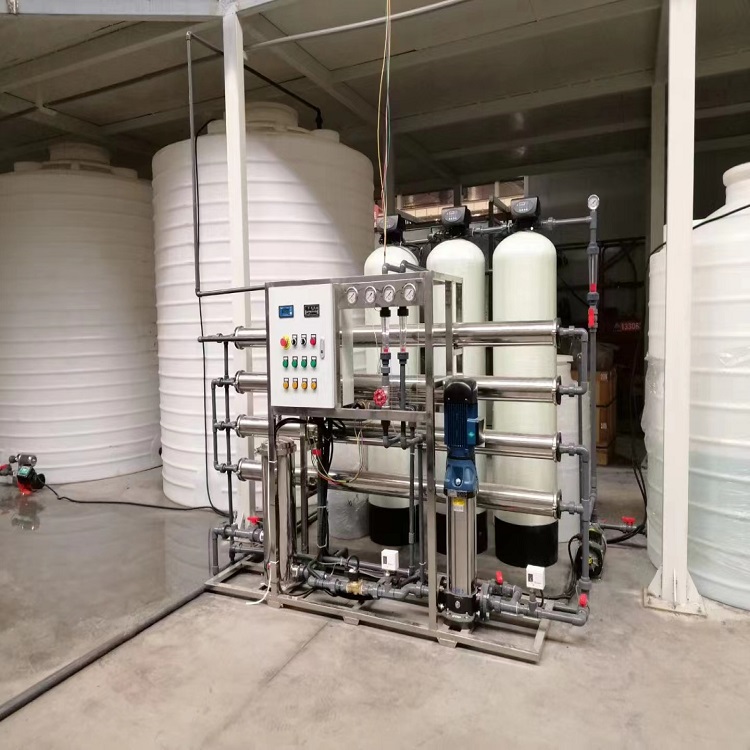
Industrial Pure Water Equipment EDI Ultra-Pure Water System Fully Automatic Control Quankun Environmental Protection
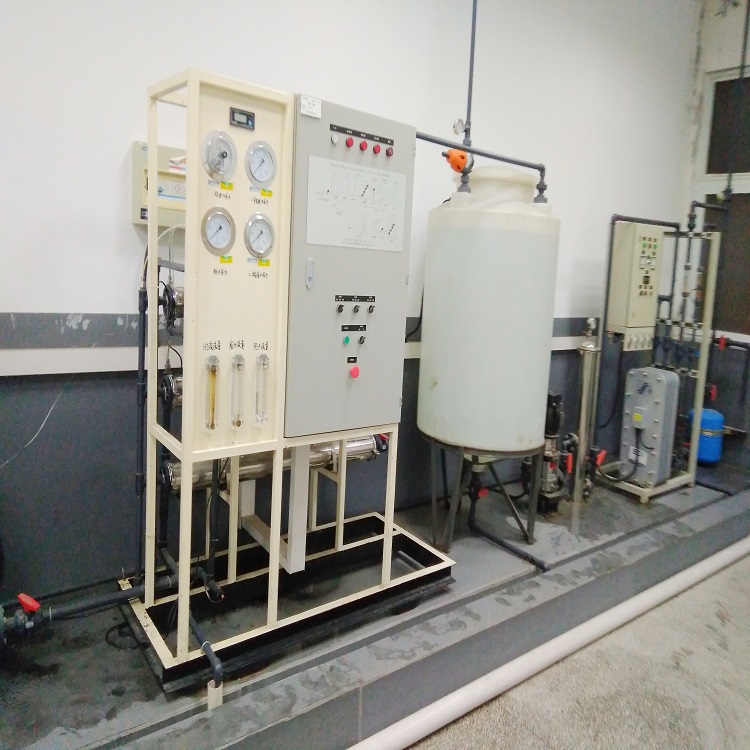
Shenzhen Industrial Ultra-Pure Water Equipment, equipped with EDI system, features low energy consumption and high degree of automation.
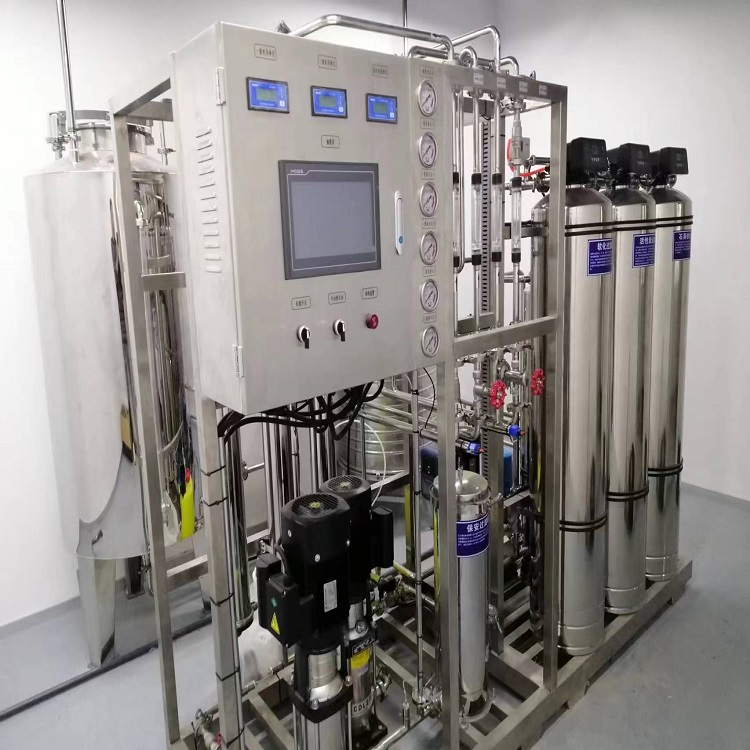
Shanghai industrial pure water production equipment reverse osmosis filtration system with high yield and customizable options, Quankun brand.
详情描述
Laboratory Sewage Treatment Equipment | Pharmaceutical Inspection Waste Treatment | Fully Automatic Control | Custom Made to Order
Experimental wastewater is characterized by its small volume, strong intermittency, high hazard, and complex and variable composition. Based on the nature of the main pollutants in the wastewater, it can be divided into two major categories: organic and inorganic wastewater. Inorganic wastewater mainly contains heavy metals, metal complexes, acids and bases, sulfides, halogen ions, and other inorganic ions. Organic wastewater contains common organic solvents, organic acids, ethers, organic phosphorus compounds, phenols, petroleum products, and oils. Generally, due to the strict collection and storage methods for experimental wastewater and waste during the experimental process, the pollutant concentration entering the experimental wastewater system can be controlled within a certain range after storage and regulation. However, it still possesses certain corrosivity and biological toxicity.
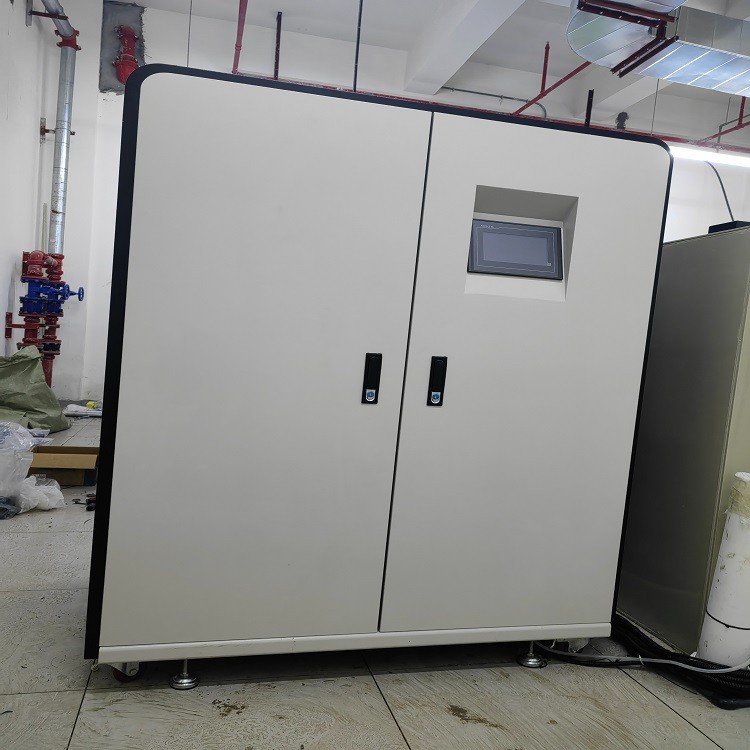
Process Flow:
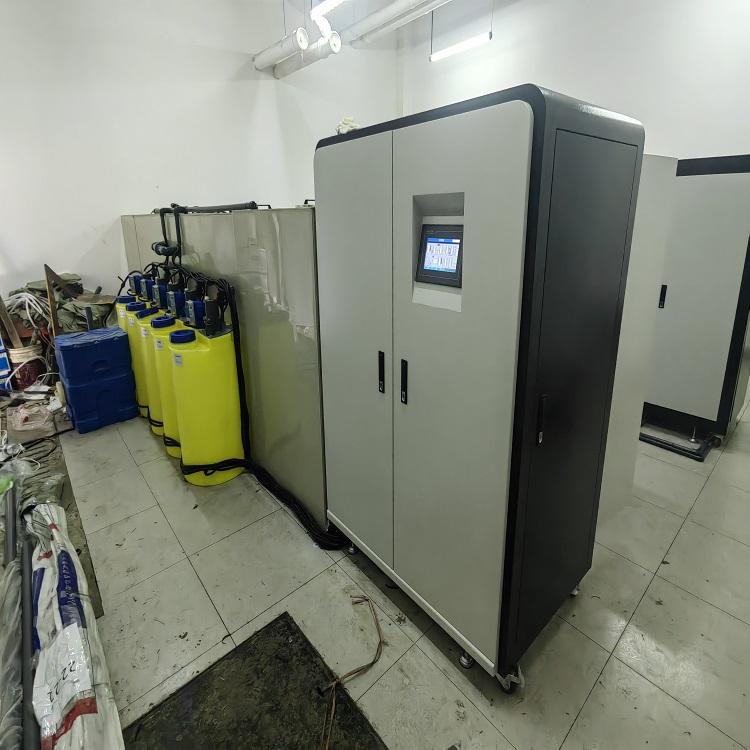
Based on the summary of operation experiences of wastewater treatment facilities both domestically and internationally, and incorporating a * biological treatment process, we have designed an integrated, small-scale wastewater treatment unit. The currently mature biochemical treatment technology, the Contact Oxidation method, generally consists of six parts: 1) Primary Sedimentation Tank, 2) Contact Oxidation Tank, 3) Secondary Sedimentation Tank, 4) Disinfection Tank, 5) Disinfection Equipment, 6) Sludge Tank, and 7) Blower Room and Blowers. Through the treatment process, the effluent is ensured to meet the discharge standards.
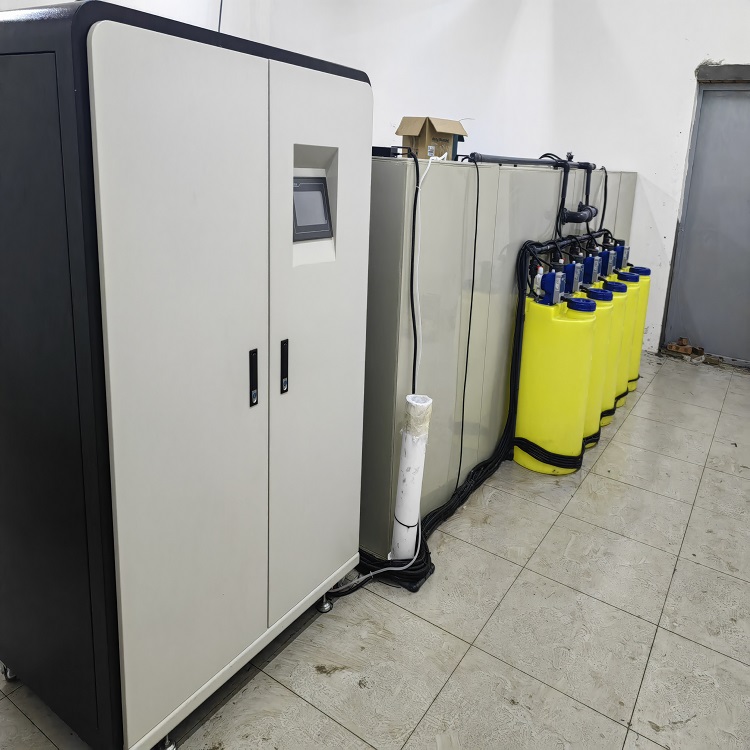
Process Features:
1. Ideal static sedimentation, yielding superior treated effluent water quality.
2. Alternating aerobic and anaerobic operations successfully achieve nitrogen removal from wastewater.
3. No blowers are used for aeration, thus avoiding noise pollution from blowers and the difficulties associated with replacing and maintaining aeration heads.
4. Utilizes a unique construction method to minimize odor dispersion to the greatest extent.
5. An effective sludge disposal solution, which minimizes manual operation, ensures the stable and reliable operation of the system.
6. Programmable automatic control with simple operation and management, easy to adjust the operational status according to actual conditions to achieve excellent performance.
7. Integrated manufacturing, achieving maximum system integration and minimizing land occupation.
Application Fields:
Chinese and Higher Education Institutions: School of Life Sciences, School of Chemical Engineering, School of Materials, School of Environment, School of Food Science, School of Agriculture
Wastewater generated from hospital and laboratory facilities.
Institutes of Scientific Research: Laboratory wastewater generated during the research process at research institutes, testing centers, and inspection centers, etc.
CDC: Wastewater generated from laboratories conducting physical and chemical testing, microbiology, PCR, P2, P3, P4, and other lab activities.
Agricultural Animal Husbandry and Veterinary: Wastewater generated from laboratories dealing with animals and pathogenic microorganisms.
Central Blood Bank: Wastewater generated from laboratories such as the testing lab, central lab, and quality control room.
Product Quality Inspection: Wastewater generated from food analytical labs and other laboratories.
Environmental Monitoring: Wastewater generated from laboratories such as water analysis rooms and trace analysis rooms.
Agricultural Technology Center: wastewater generated from laboratories such as the Chemical Room and Drug Residue Room.
Outpatient Physical Examination Center: Wastewater generated from laboratories such as the chemical and testing rooms.
Inspection and Quarantine Bureau: Wastewater produced by health centers, technical centers, and other laboratories.
Biopharmaceutical: Wastewater generated from processes such as physical-chemical analysis, quality control rooms, and laboratories.
Oilfield & Petrochemical: Wastewater produced by central laboratories of oil refineries, refineries, and environmental monitoring stations.
Wastewater generated from central laboratories, quality inspection rooms, chemical laboratories, and other similar laboratories.
Product Features:
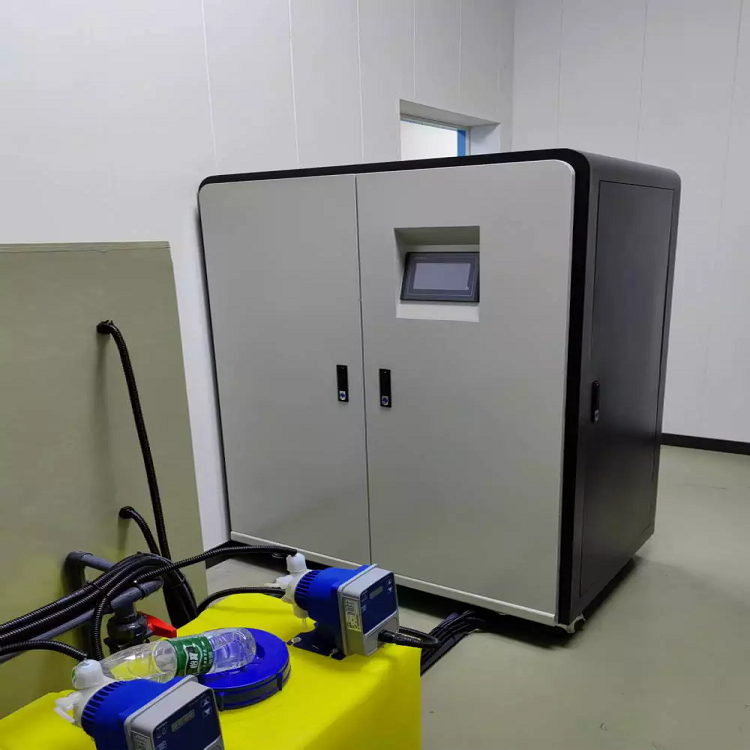
Utilizing dissolution method, automatic sustained-release, and pressure chlorination process design, primarily using solid CL药剂 containing over 80% as the main raw material, the disinfectant produced by the reasonable mixing of water and the chemical agent for sustained-release is then introduced into the required water pool (well) for thorough contact and sterilization.
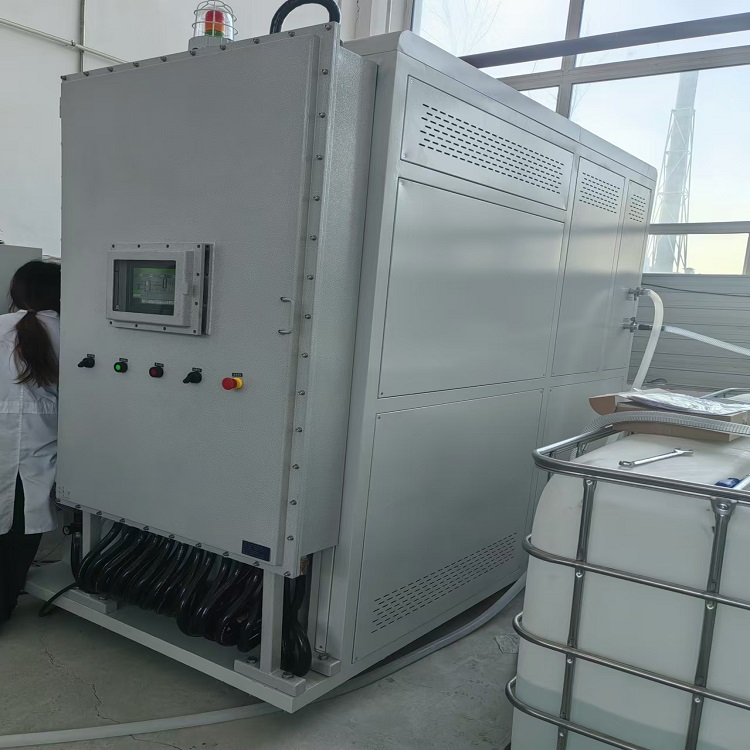
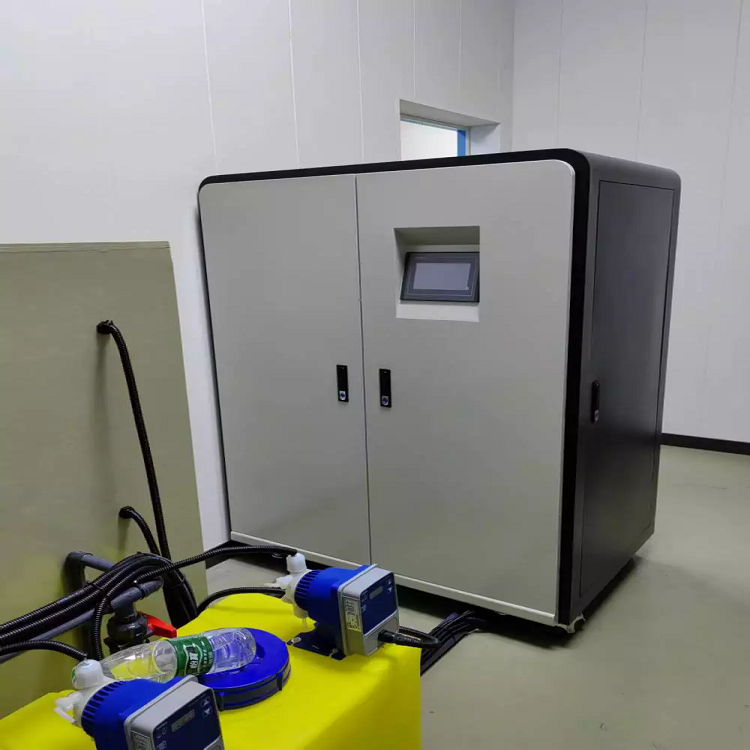
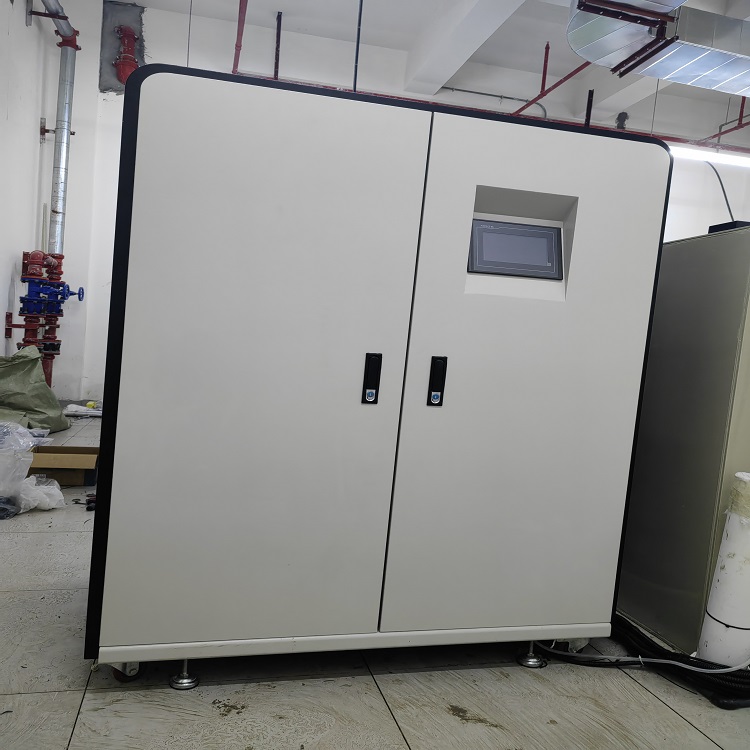
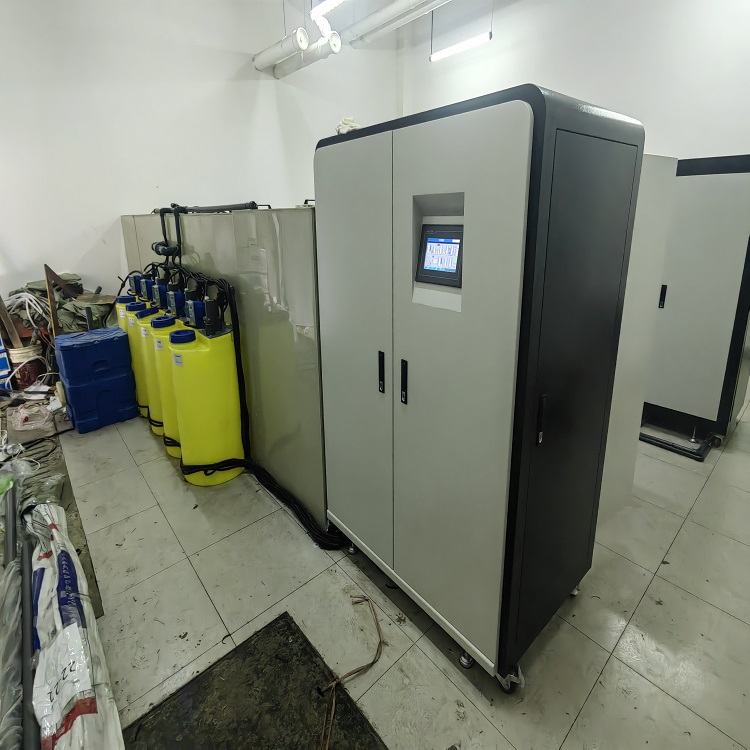
Laboratory Wastewater Treatment Equipment, Pharmaceutical Inspection Wastewater Treatment, Fully Automatic Control, Customizable to Your Needs
Equipment Features:
1. Broad practicality: Adaptable to wastewater treatment in various laboratories.
2. Patented Technology: Utilizes multiple advanced patented technologies for multi-stage treatment and purification of comprehensive wastewater, fully meeting discharge standards.
3. High level of automation: Centralized control, user-friendly human-machine interface, simple operation, fully automatic operation, no need for dedicated staff.
4. Automatic Protection Features: Leak or electrical shock automatic protection, high/low voltage automatic protection, no wastewater protection, level protection for each treatment unit, overload protection for electrical equipment, and overcurrent protection for electrical circuits.
5. Long Service Life: Features a timed automatic cleaning function, where the system schedules and performs automatic cleaning of the components that require it, extending their service life.
6. Low operation cost: Small system power, low energy consumption; stable operation with fewer malfunctions, low maintenance cost; long lifespan of consumables, low consumables cost; dosing medication automatically in proportion, reducing medication consumption; no need for dedicated personnel on duty, eliminating the cost of dedicated management, etc.
7. Smart Integration: With a "one-stop" integrated design, it occupies less space, is easy to install and move, truly achieves engineering equipmentization, has an aesthetically pleasing appearance, and does not require multiple treatment ponds.


