



- AllProduct Category
-
Lab Wastewater Treatment Equipment
Lab Wastewater Treatment Equipment
Ultra-Pure Water Equipment
Membrane Separation Equipment
Pure Water Equipment
Low-Temperature Evaporator
Ultra-Pure Water System
Integrated Wastewater Treatment Equipment
Reverse Osmosis Equipment
Pure Water Equipment
Ceramic Membrane Equipment



Recommended Products
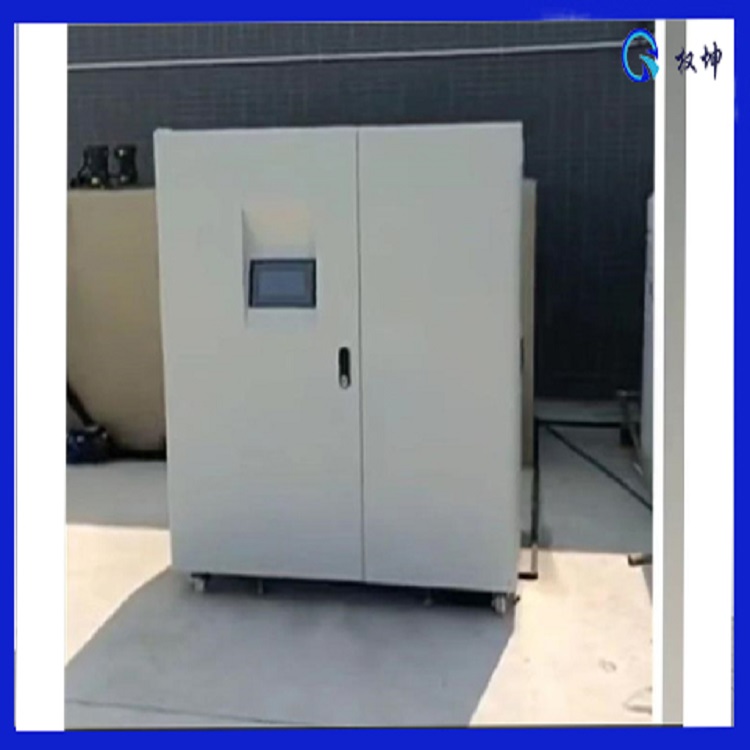
Quan Kun - Comprehensive Laboratory Waste Water Treatment Equipment - Remote Monitoring - Automated Control
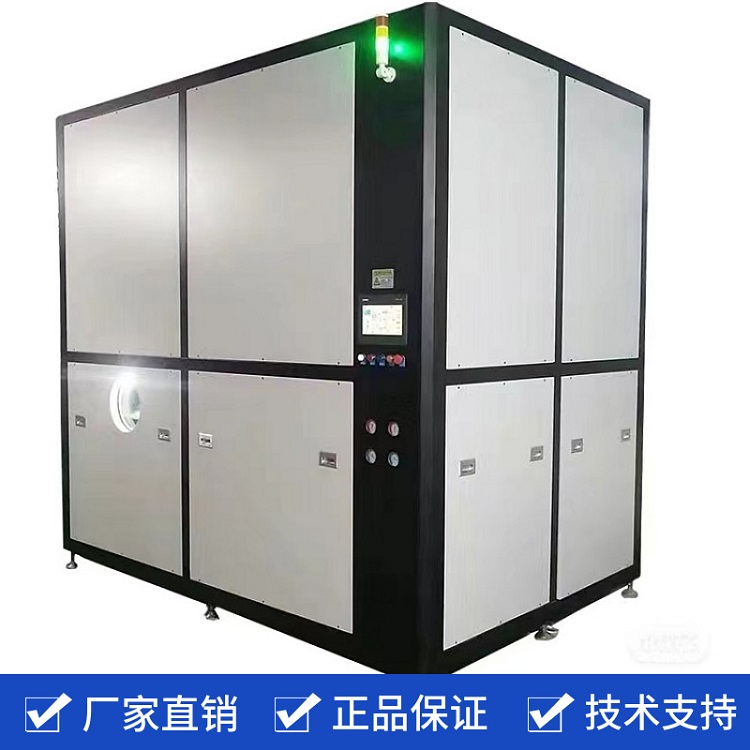
Sodium Chloride Wastewater Low-Temperature Evaporator - Intelligent Automatic - Quankun - Integrated Design
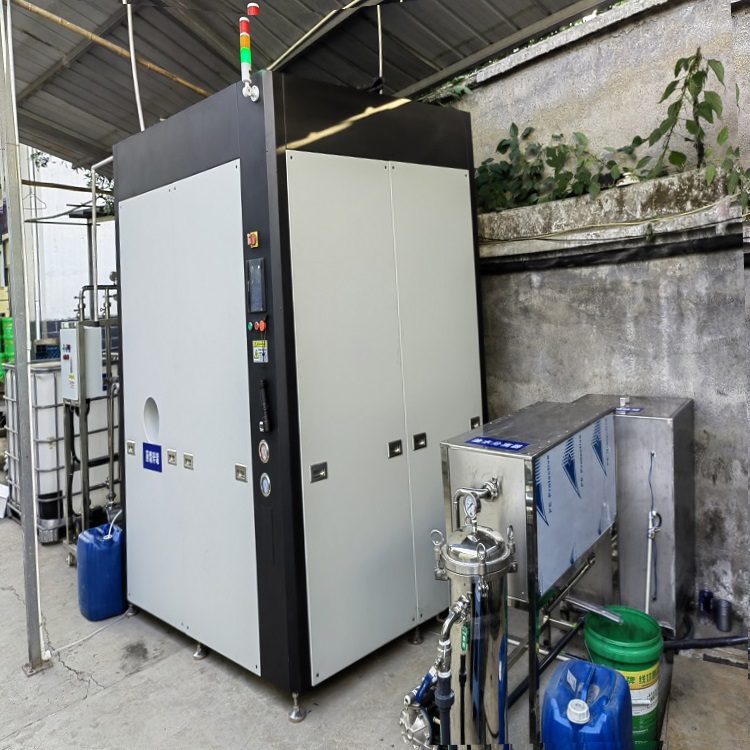
High-Concentration Oil Emulsion Waste Water Treatment Equipment - Quankun - Evaporator Unit - High Concentration Ratio
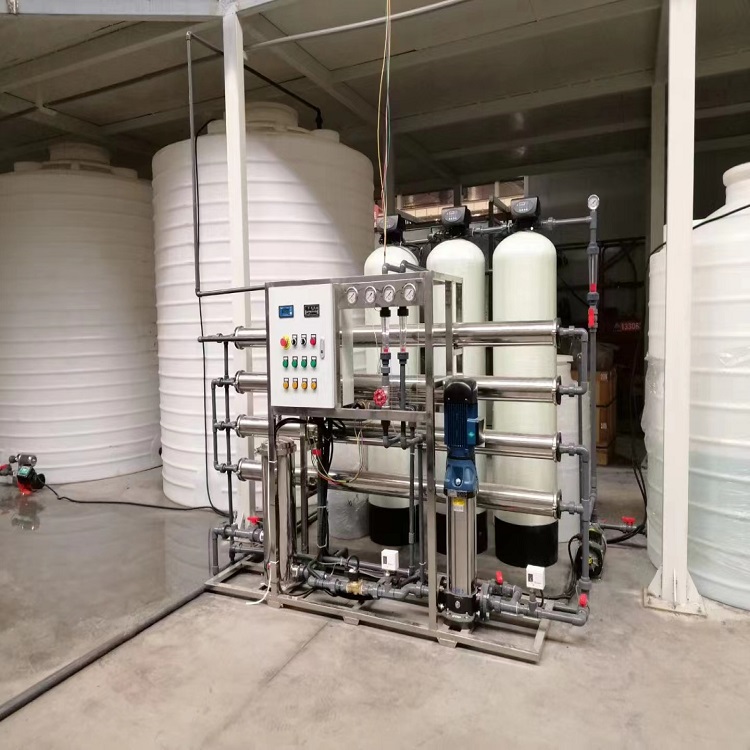
Industrial Pure Water Equipment EDI Ultra-Pure Water System Fully Automatic Control Quankun Environmental Protection
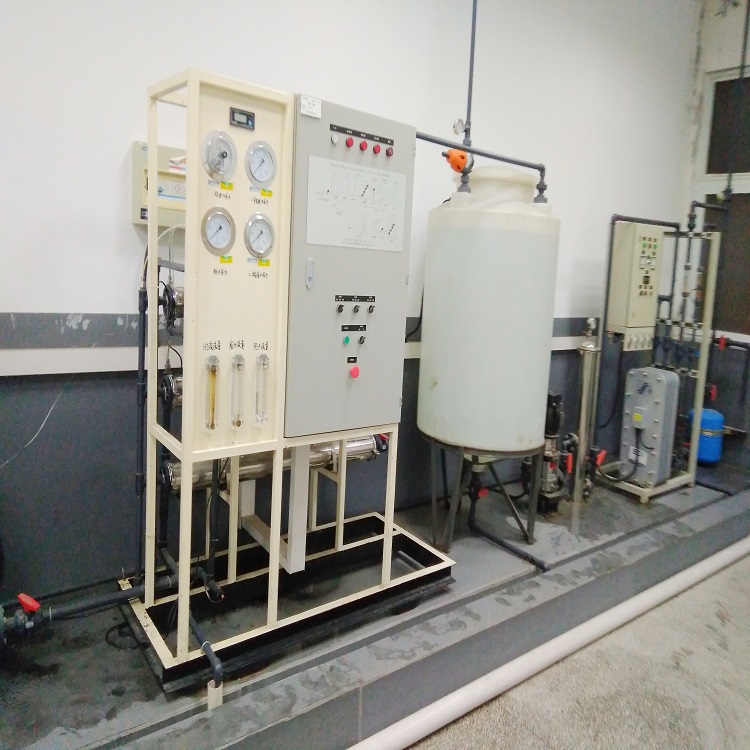
Shenzhen Industrial Ultra-Pure Water Equipment, equipped with EDI system, features low energy consumption and high degree of automation.
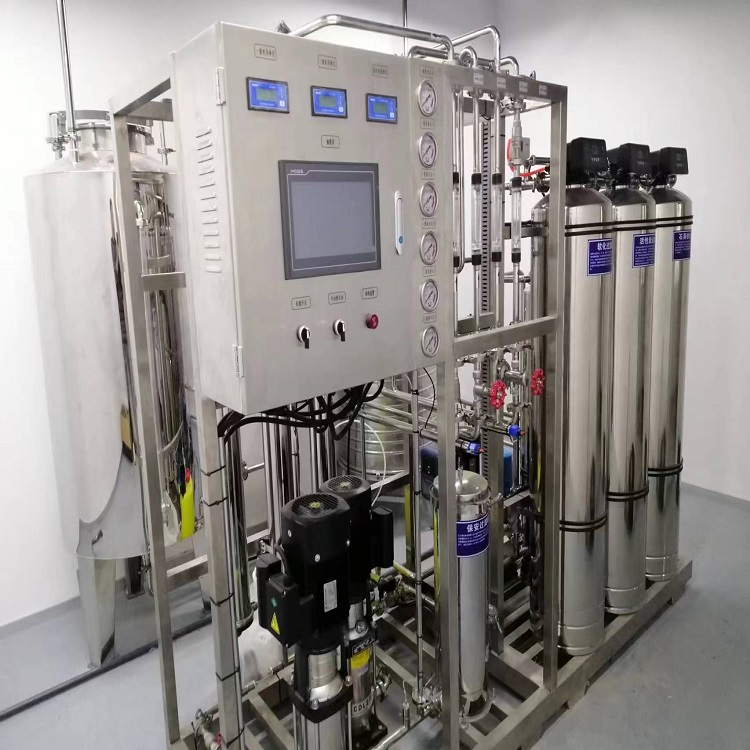
Shanghai industrial pure water production equipment reverse osmosis filtration system with high yield and customizable options, Quankun brand.
详情描述
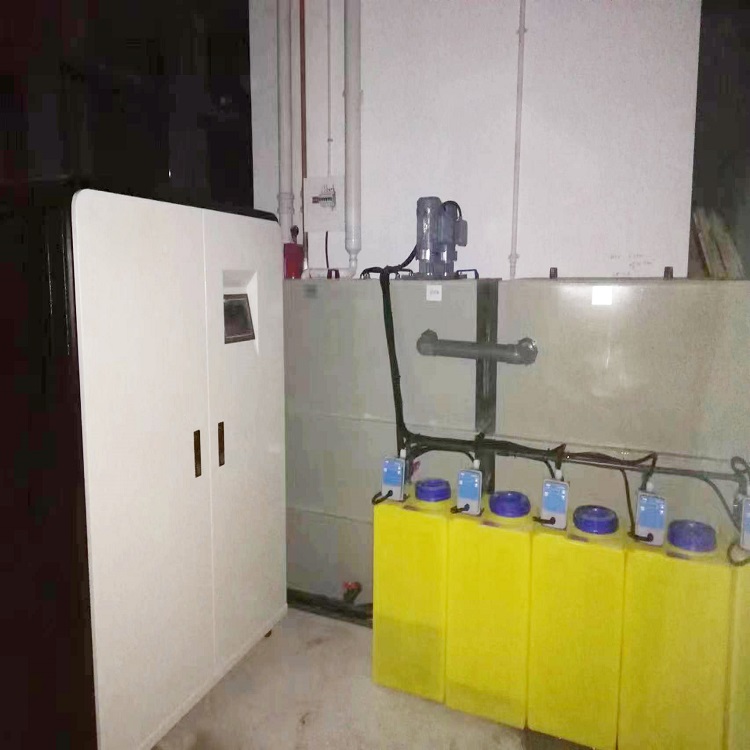
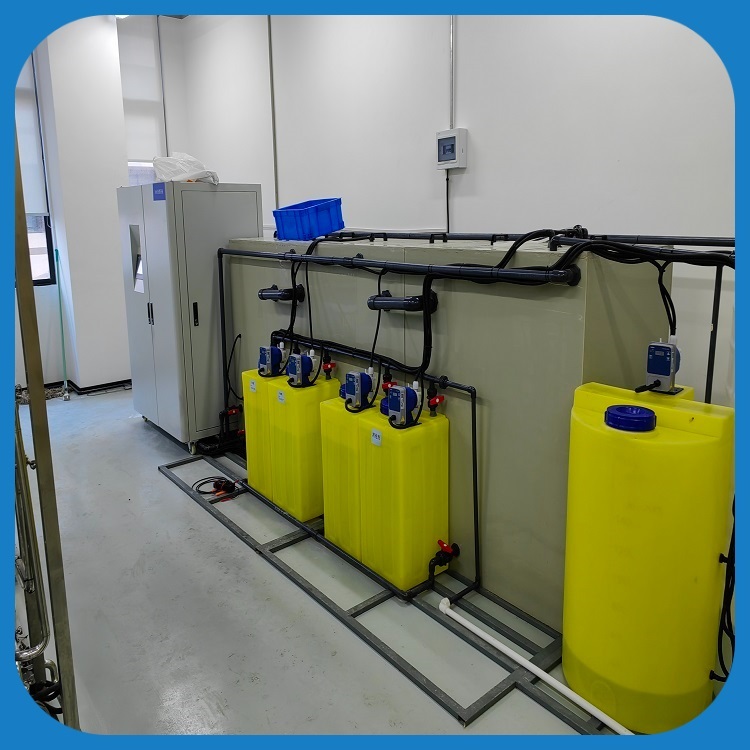
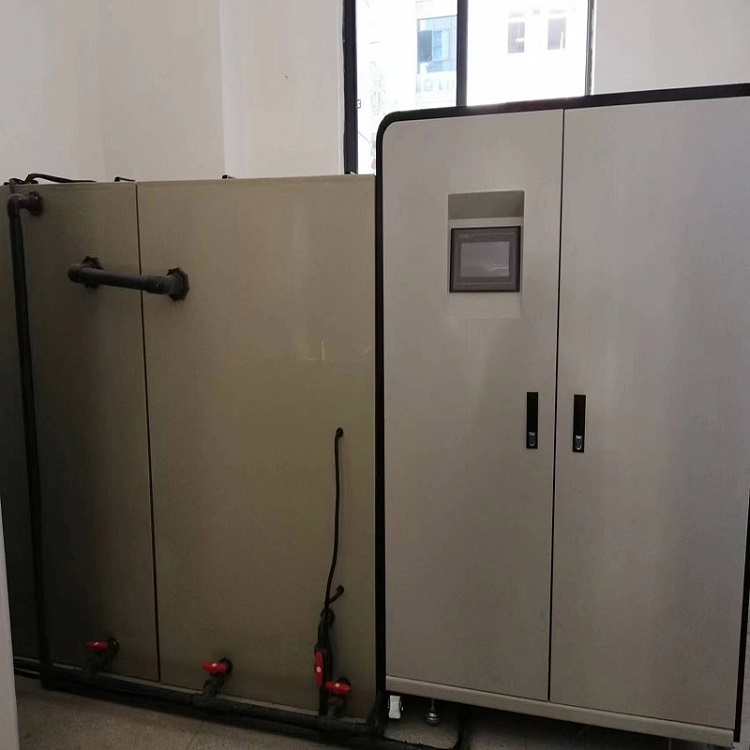
Product Quality Inspection Lab Wastewater Treatment Equipment, Mobile Design, Compact Laboratory Waste Water Treatment Unit
Laboratory wastewater is complex and variable, primarily containing pollutants such as heavy metal ions like lead, mercury, and cadmium, organic solvents, and strong acids and alkalis. These pollutants are characterized by their high toxicity, concentration, and difficulty in degradation, making traditional treatment methods often insufficient to meet discharge standards. To address the unique nature of laboratory wastewater, modern wastewater treatment equipment typically employs a combined process of "classified collection + physical and chemical treatment + deep purification," ensuring the effluent water quality meets the requirements of the "Comprehensive Wastewater Discharge Standard" (GB8978-1996).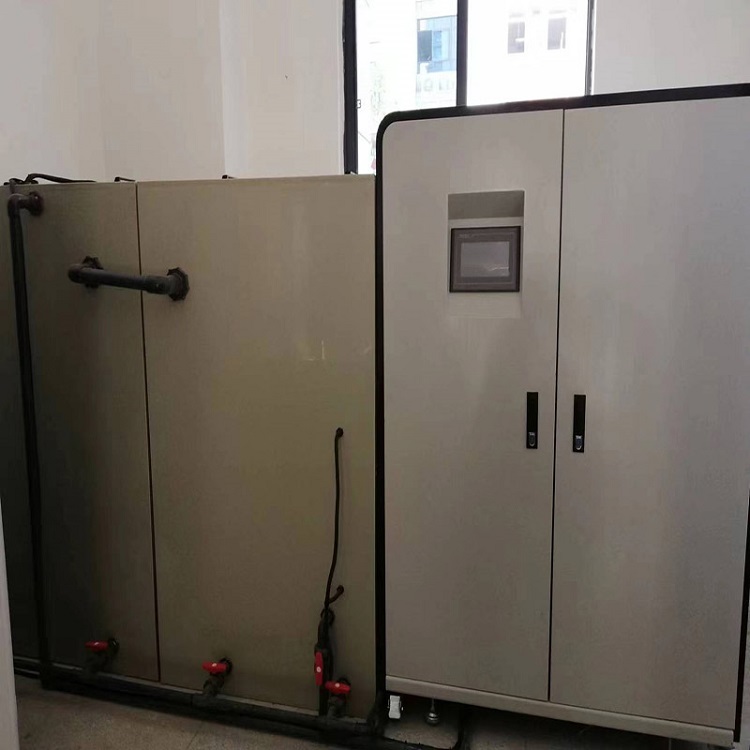
The pretreatment system is the first line of defense in wastewater treatment. The laboratory should be equipped with a classified collection device to separately collect special wastewater such as cyanide-containing, mercury-containing, and strong acid/base wastewater, to prevent the formation of toxic gases or sediments upon mixing. The collection pools should be made of corrosion-resistant materials like PP or FRP, and be fitted with level alarm devices. For wastewater containing suspended solids, a grate or sedimentation pond can be set up for preliminary solid-liquid separation.
The unit for physical and chemical treatment is the core component of the entire system. The neutralization reactor adjusts the pH level to the range of 6-9 through an automatic dosing system, utilizing an intelligent pH control system with an accuracy of ±0.2. The coagulation and sedimentation process involves adding chemicals like PAC and PAM to form floc sedimentation from fine suspended particles and colloidal substances. The oxidation-reduction equipment targets specific pollutants, such as oxidizing cyanide-containing wastewater and reducing hexavalent chromium, etc.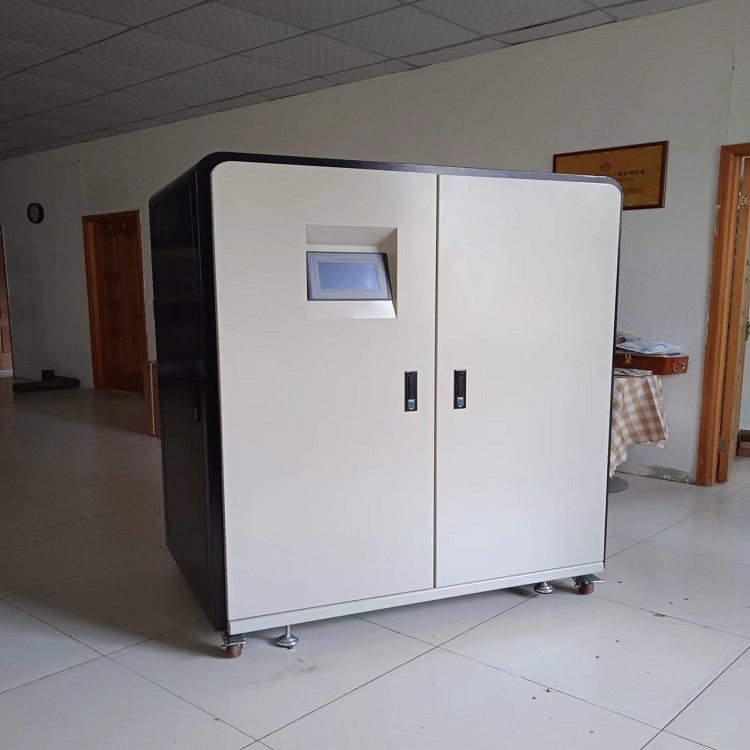
Advanced treatment technologies further ensure the water quality of the effluent. The activated carbon adsorption unit effectively removes residual organic pollutants from the water, which can be reused after thermal regeneration when saturated. Membrane separation technology includes microfiltration, ultrafiltration, and reverse osmosis, capable of retaining molecular-level pollutants, particularly suitable for high-purity water recovery. The ion exchange resin has selective adsorption for heavy metal ions and is regenerated with acidic solution after saturation.

Laboratory wastewater treatment process:
The laboratory cleaning wastewater is first collected by the collection system and then enters the equalization pond to adjust the water volume and homogenize the water quality. Once the water level in the equalization pond reaches a certain height, it is quantitatively lifted by the booster pump to the integrated laboratory wastewater treatment equipment.
In an integrated wastewater treatment system, the wastewater first enters the acid-base neutralization and adjustment system. Here, acid-base neutralization is achieved by using a pH controller to accurately add a specific amount of NaOH solution with a metering pump, adjusting the pH value to between 8 and 9. Under alkaline conditions, the acids in the wastewater are neutralized. If the wastewater contains heavy metal ions such as iron, cadmium, copper, manganese, nickel, lead, and chromium, they can react with OH- to form hydroxide precipitates.
The effluent from the acid-base neutralization pond then flows into the flocculation sedimentation pond. After the acid-base neutralization, the sediment produced and other suspended solids in the wastewater are separated from the sludge and water through the hetero-directional flow between the sludge and water in the sedimentation pond.
Wastewater from the sedimentation pond is then directed to a multimedia filter. Fine suspended particles, trace metals, and minimal organic matter that were not removed earlier are treated through a combination of physical and chemical processes. Some are removed by adsorption and interception by quartz sand in the school's laboratory wastewater treatment equipment and by activated carbon with its extensive pore structure and large surface area. Others are biodegraded by anaerobic, aerobic, and facultative bacteria within the microbial biofilm attached to the activated carbon. The process of activated carbon interception and adsorption is interlaced, alternating, and cyclic with the microbial degradation and desorption process. Upon completion, the treated wastewater meets the standards for discharge.
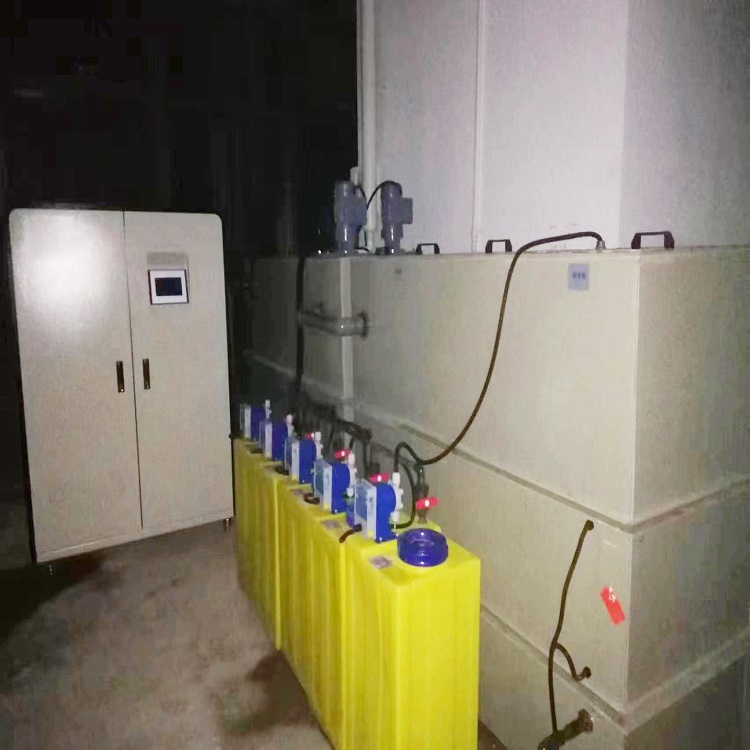
Features of Laboratory Wastewater Treatment Equipment:
Advanced technology, fully automatic operation, small land occupation, easy to operate, no need for human supervision.
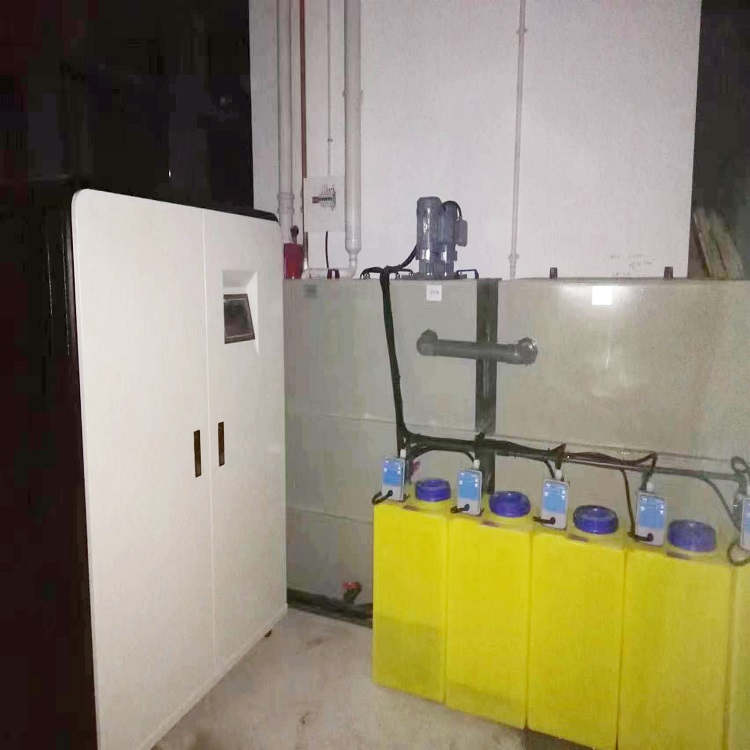
Product Quality Inspection Laboratory Wastewater Treatment Equipment, Mobile Design, Small Laboratory Wastewater Treatment Unit
Based on the composition and concentration of organic, inorganic, and biological wastewater produced by various laboratories, the comprehensive laboratory wastewater treatment equipment employs different treatment technologies and processes, effectively removing COD, BOD, SS, color, viruses, organic solvents, and heavy metal ions from the laboratory's comprehensive wastewater. After treatment, the wastewater meets the first, second, and third levels of the National Integrated Sewage Discharge Standard [GB8978-1996], the National Standard for Water Quality of Sewage Discharged into Urban Sewerage Systems [CJ343-2010], and the Beijing Municipal Standard for Water Pollutant Emission [DB11/307-2013], or the relevant standards of the National Standard for Water Pollutant Emission from Medical Institutions [2005].


