



- AllProduct Category
-
Lab Wastewater Treatment Equipment
Lab Wastewater Treatment Equipment
Ultra-Pure Water Equipment
Membrane Separation Equipment
Pure Water Equipment
Low-Temperature Evaporator
Ultra-Pure Water System
Integrated Wastewater Treatment Equipment
Reverse Osmosis Equipment
Pure Water Equipment
Ceramic Membrane Equipment



Recommended Products
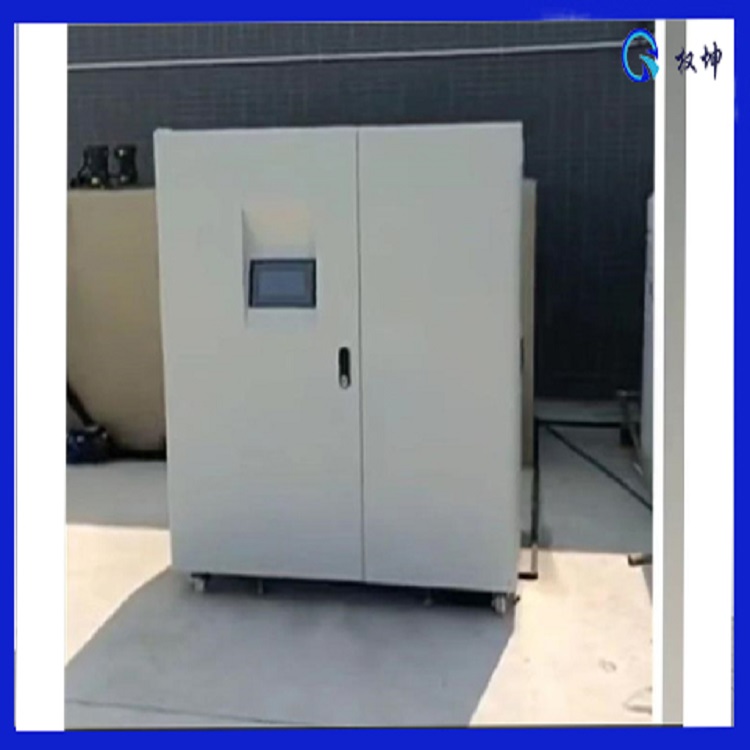
Quan Kun - Comprehensive Laboratory Waste Water Treatment Equipment - Remote Monitoring - Automated Control
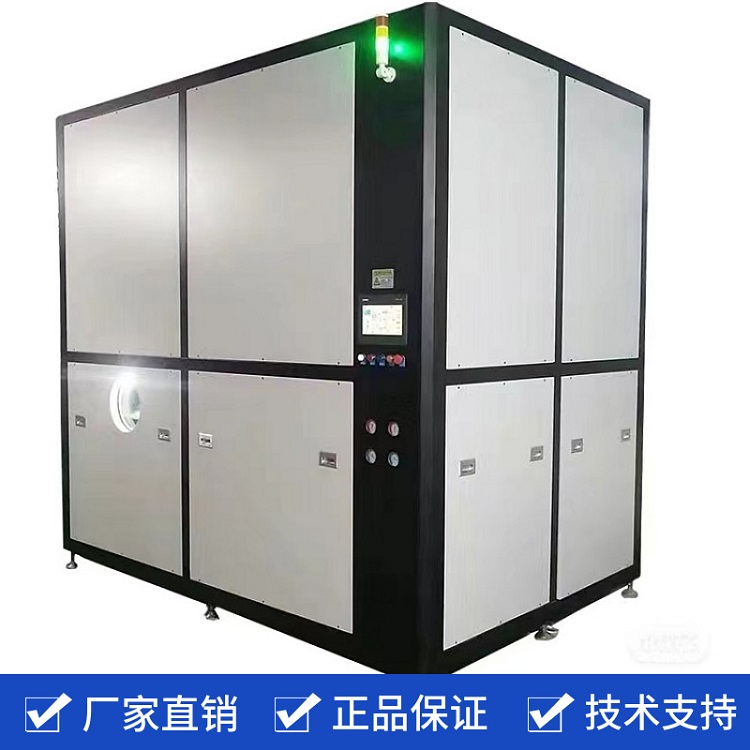
Sodium Chloride Wastewater Low-Temperature Evaporator - Intelligent Automatic - Quankun - Integrated Design
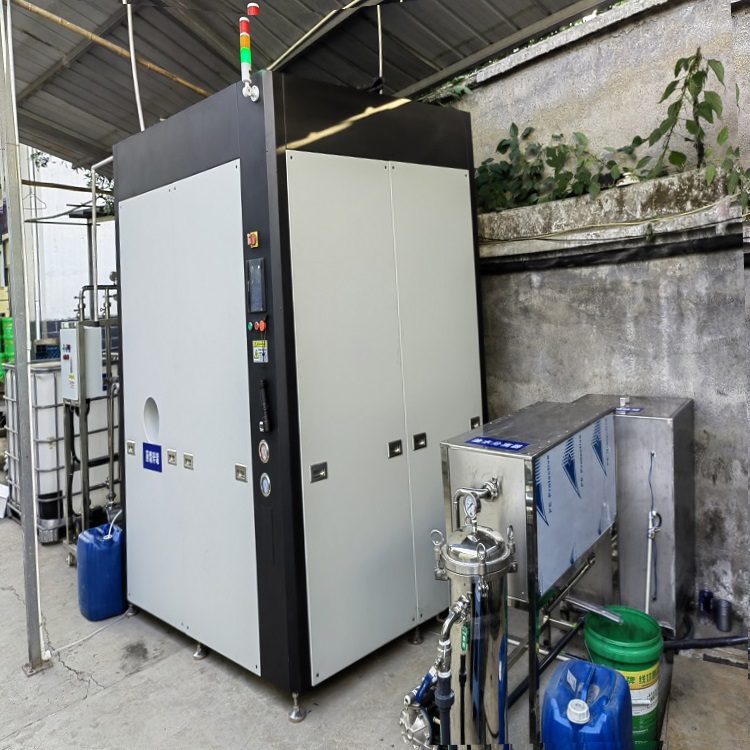
High-Concentration Oil Emulsion Waste Water Treatment Equipment - Quankun - Evaporator Unit - High Concentration Ratio
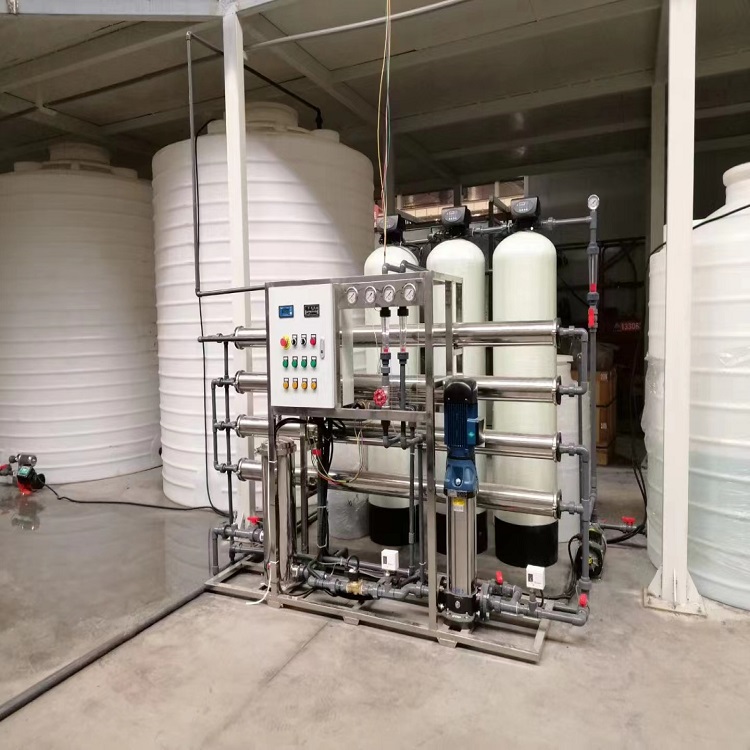
Industrial Pure Water Equipment EDI Ultra-Pure Water System Fully Automatic Control Quankun Environmental Protection
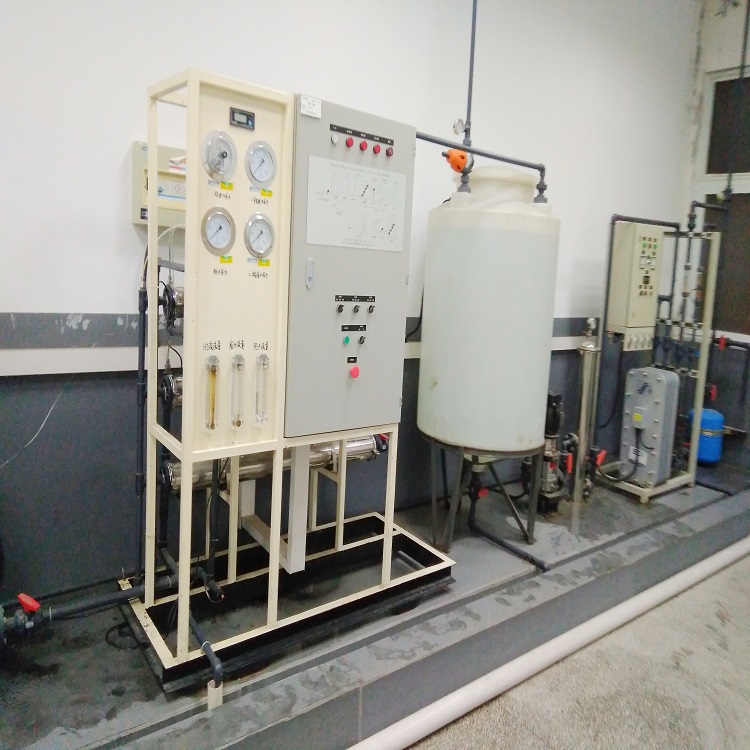
Shenzhen Industrial Ultra-Pure Water Equipment, equipped with EDI system, features low energy consumption and high degree of automation.
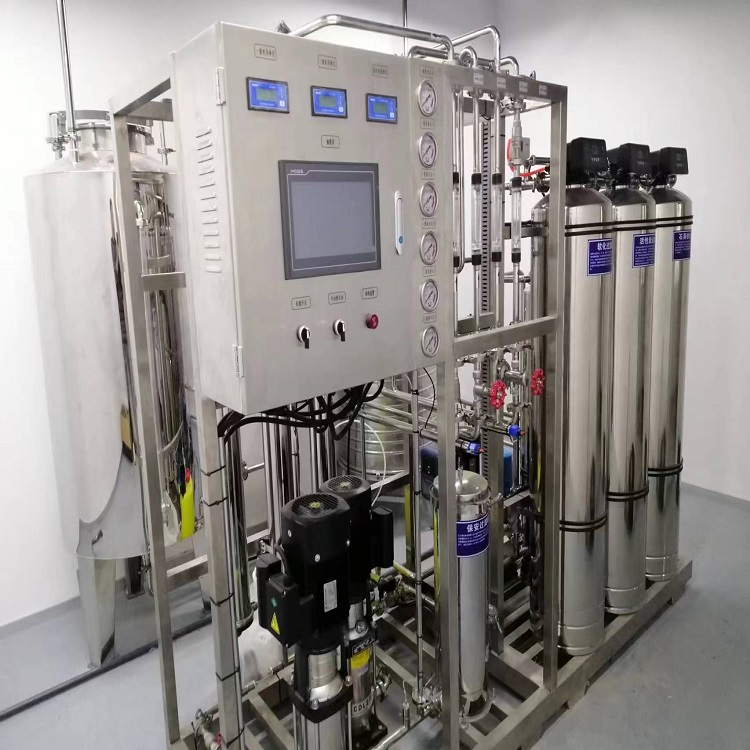
Shanghai industrial pure water production equipment reverse osmosis filtration system with high yield and customizable options, Quankun brand.
详情描述
Hefei Small Sewage Treatment Equipment, Laboratory Wastewater Treatment Machine, Customizable as Required by Quankun
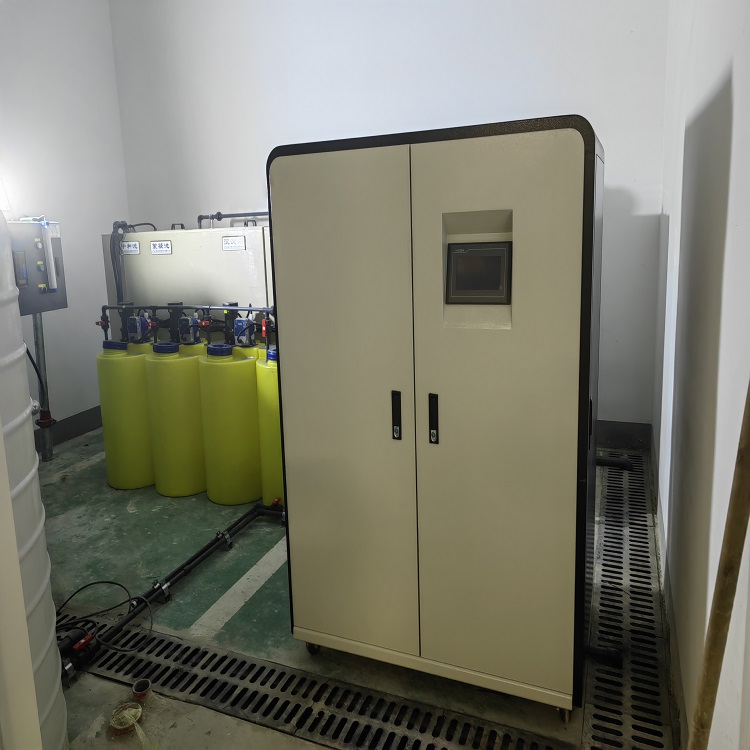
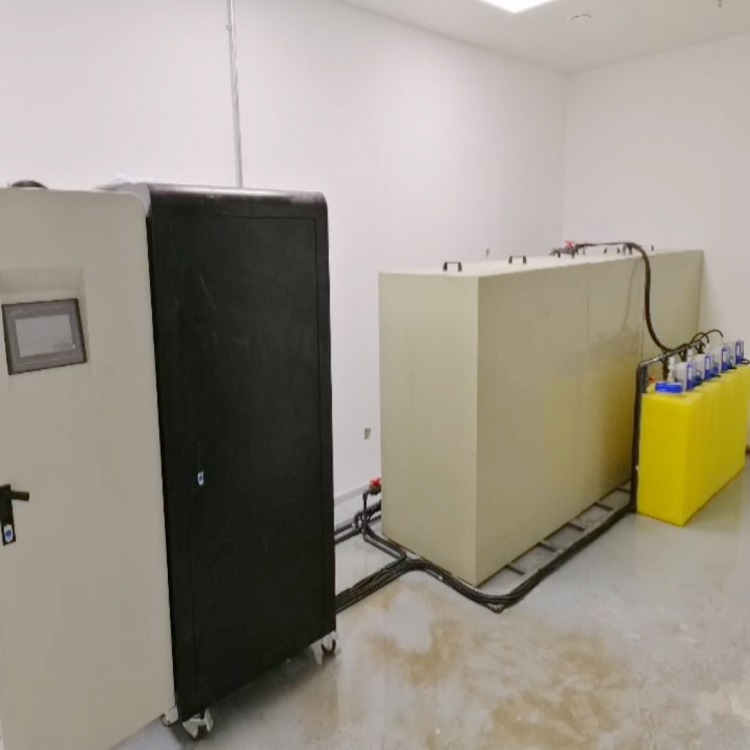
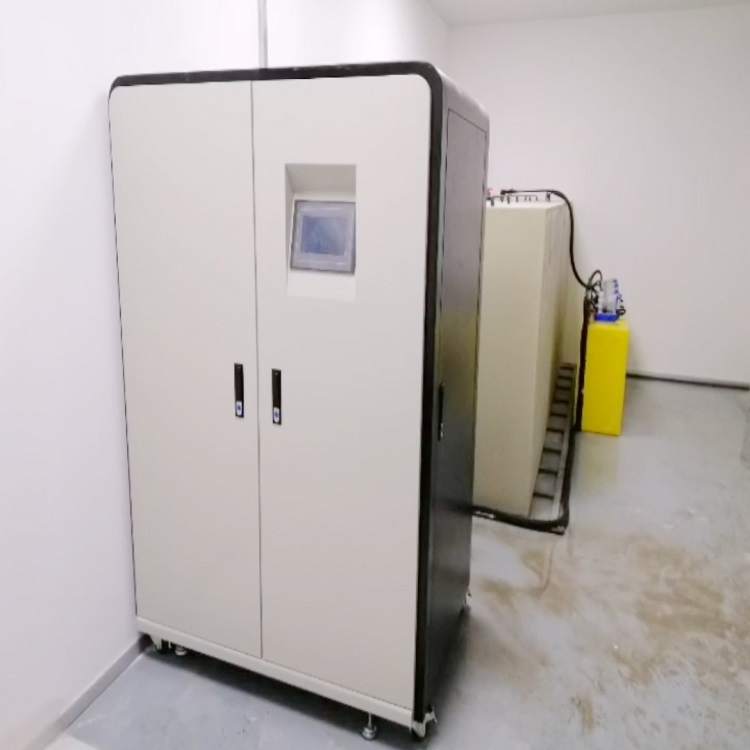
The lab utilizes an integrated wastewater treatment system that combines sedimentation, filtration, acid-base neutralization, and biological treatment. Since its operation, the system has effectively removed suspended solids, organic matter, heavy metals, and other harmful substances from the wastewater, ensuring the effluent meets local environmental protection standards. Additionally, regular inspections and maintenance have been conducted to ensure the stable operation and long-term reliability of the equipment.
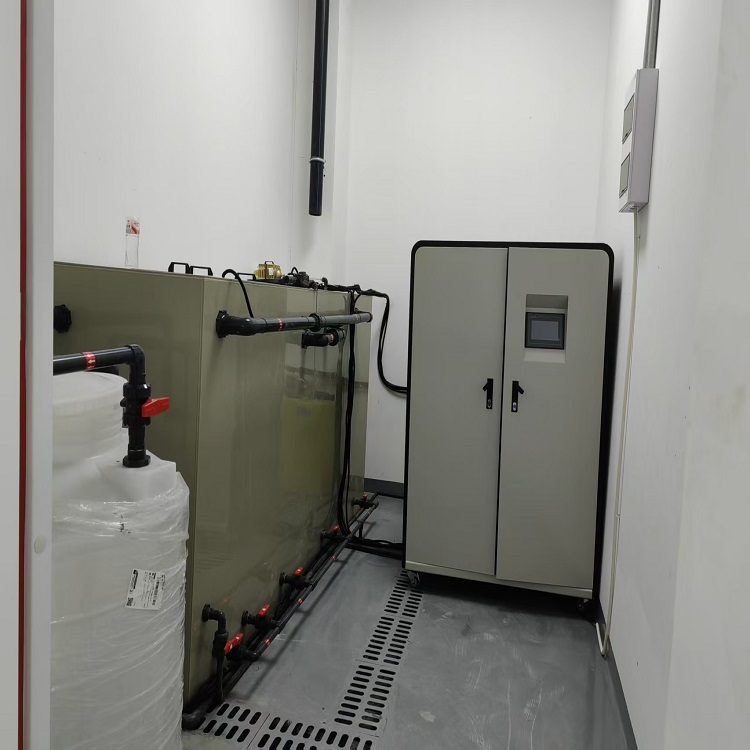
To ensure the proper and long-term stability of the high school laboratory wastewater treatment equipment, the following daily management and maintenance tasks should be carried out:
Regularly inspect equipment, including its appearance, operating parameters, and processing effects, to promptly identify and resolve issues.
2. Regularly clean, lubricate, and replace wear parts as required by the equipment manual to maintain the device in good condition.
Establish records of equipment operation and water quality monitoring, to analyze equipment performance and treatment effectiveness, providing a basis for subsequent optimization.
4. Provide training for laboratory operators in equipment operation and maintenance, enhancing their operational skills and environmental awareness.
5. Develop an emergency response plan for waste water treatment equipment failures to ensure prompt action can be taken in case of equipment malfunctions, preventing direct discharge of waste water and environmental pollution.
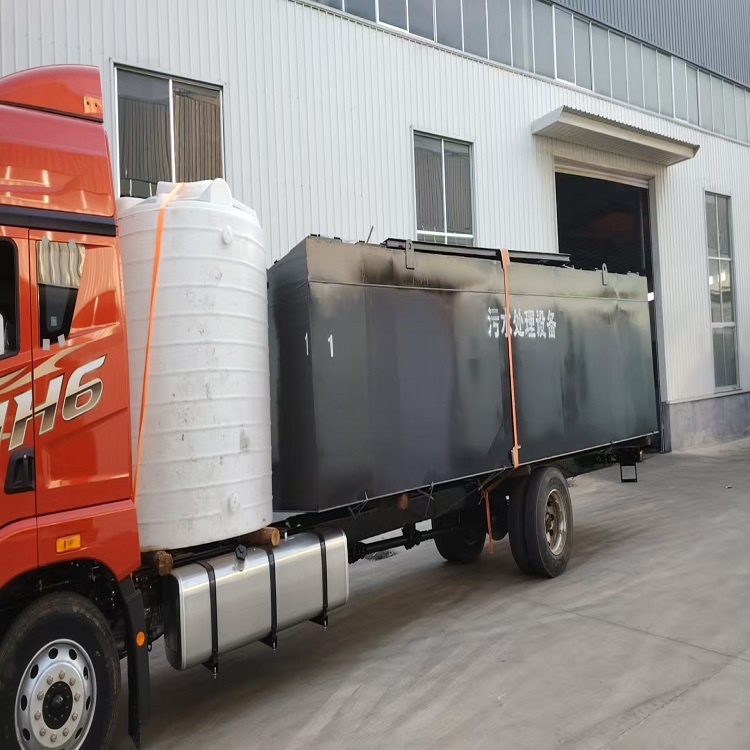
Laboratory Wastewater Treatment Equipment and Its Functions:
Activated Carbon Adsorption Equipment: Utilizes the adsorption capacity of activated carbon to remove organic pollutants from wastewater. Activated carbon has porosity, which can adsorb and immobilize harmful substances in wastewater, thereby purifying the water quality.
2. Membrane Separation Equipment: Utilizes membrane technology to separate solutes from wastewater through the selective permeability of the membrane. This equipment can effectively remove microorganisms, suspended solids, dissolved substances, and heavy metals from wastewater.
3. Ozone Oxidation Equipment: Utilizes the strong oxidizing properties of ozone to oxidize organic substances in wastewater. When ozone comes into contact with organic matter, it rapidly oxidizes and decomposes it, thereby purifying the wastewater. This equipment is suitable for removing harmful substances such as organic matter, odors, and colors from wastewater.
4. Sludge Dewatering Machine: Used for treating sludge produced during the wastewater treatment process. Extracts moisture from sludge through mechanical pressing or centrifugal methods, achieving dewatering and reduction in sludge volume.
5. Electric control system and wastewater treatment unit: including sedimentation tanks, internal electrolytic cells, and micro-electrolytic cells.

Operating Principle:
Wastewater Collection System: The equipment is equipped with dedicated wastewater collection containers capable of collecting various types of acidic and alkaline wastewater.
2. Wastewater Pretreatment System: This system is capable of removing large particles and some harmful microorganisms from wastewater.
3. Neutralization Reaction System: Equipped with a neutralization reactor internally, the system can neutralize acidic and alkaline substances, converting them into neutral matter.
4. Filtration System: The filter system further removes fine particles and various harmful substances from wastewater.
5. Emission System: Treated wastewater is discharged into the public drainage system after meeting the emission standards through the emission system.
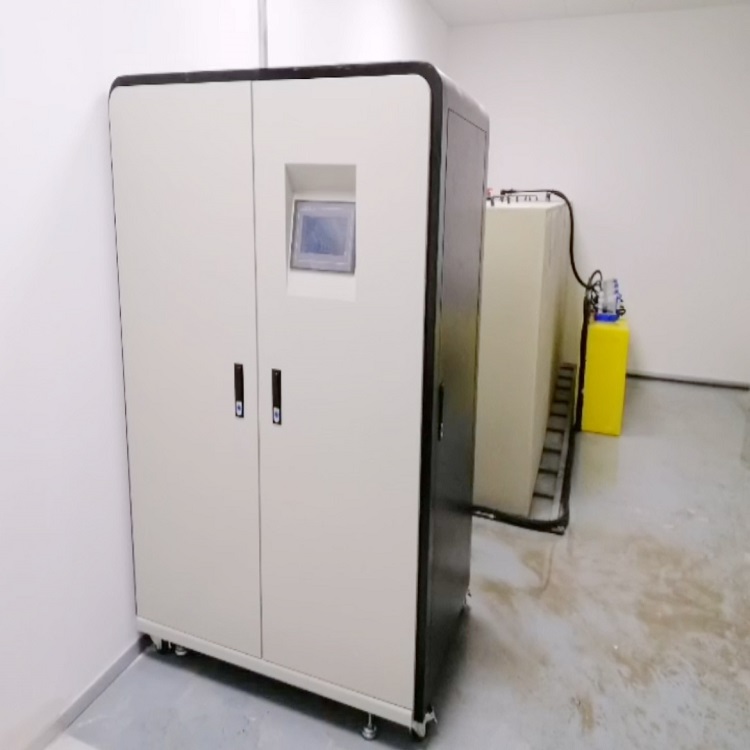
When designing waste treatment equipment for biological preparation laboratories, the following principles should be followed:
Efficiency: The equipment should possess high-efficiency waste liquid treatment capabilities, capable of rapidly removing pollutants from the waste liquid.
2. Environmental Protection: The equipment should use environmentally friendly processing techniques to prevent secondary pollution.
3. Safety: The equipment must ensure the safety of the operators and prevent accidents such as waste liquid leakage.
4. Practicality: The equipment should meet the actual needs of the laboratory, be easy to operate and maintain.
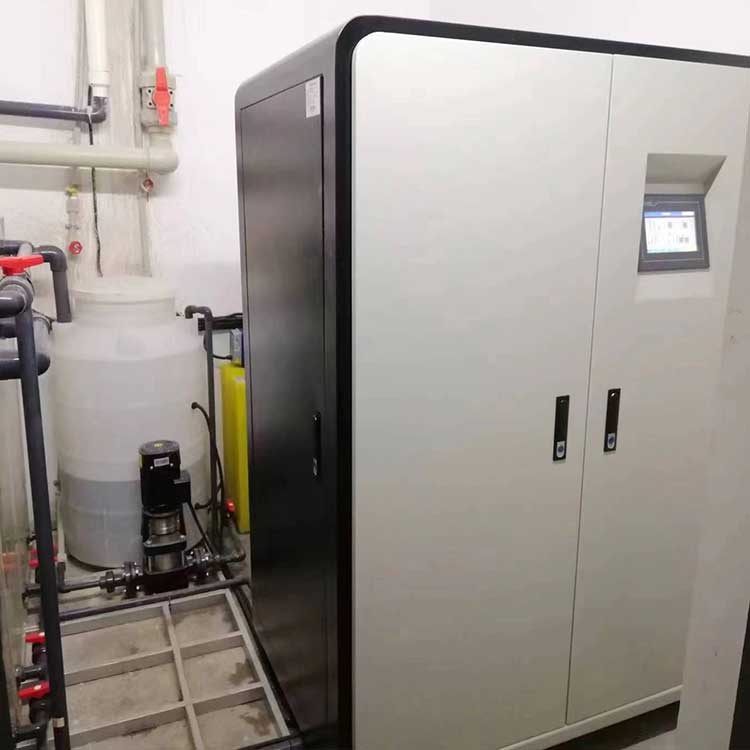
Hefei Small Sewage Treatment Equipment, Laboratory Wastewater Treatment Machine, Customizable to Your Needs, Quankun
Based on different treatment methods and application scenarios, wastewater treatment equipment in testing laboratories can be categorized into the following types:
Physical Treatment Equipment: Such as sedimentation tanks, filters, etc., which remove suspended solids and sediments from wastewater through physical means.
2. Chemical Treatment Equipment: Such as dosing systems and reactors, which remove dissolved harmful substances from wastewater through chemical reactions.
3. Biological Treatment Equipment: Including activated sludge tanks and biofilm reactors, which utilize the metabolic actions of microorganisms to degrade organic matter in wastewater.
4. Integrated Treatment Equipment: Combines various treatment methods such as physical, chemical, and biological to form an efficient and energy-saving wastewater treatment system.


