



- AllProduct Category
-
Lab Wastewater Treatment Equipment
Lab Wastewater Treatment Equipment
Ultra-Pure Water Equipment
Membrane Separation Equipment
Pure Water Equipment
Low-Temperature Evaporator
Ultra-Pure Water System
Integrated Wastewater Treatment Equipment
Reverse Osmosis Equipment
Pure Water Equipment
Ceramic Membrane Equipment



Recommended Products
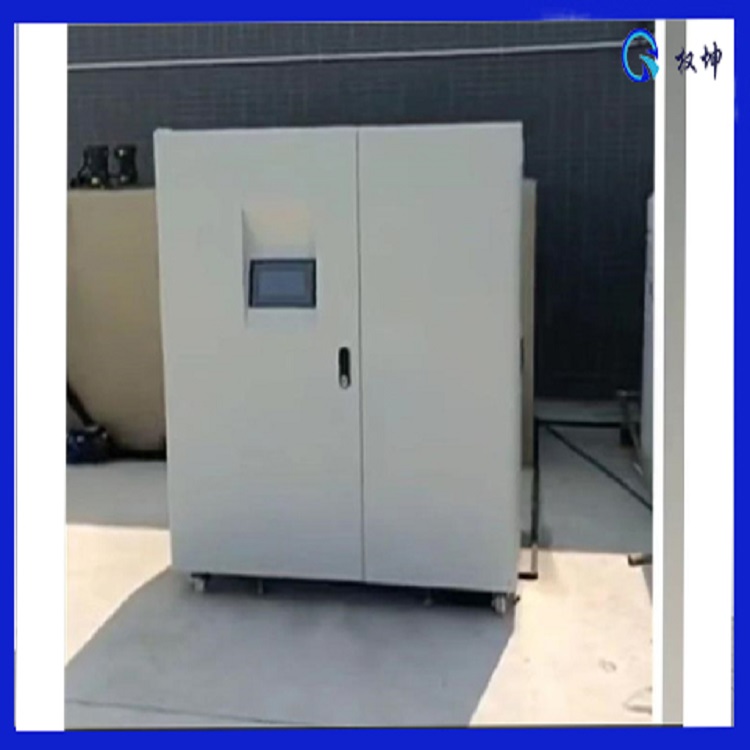
Quan Kun - Comprehensive Laboratory Waste Water Treatment Equipment - Remote Monitoring - Automated Control
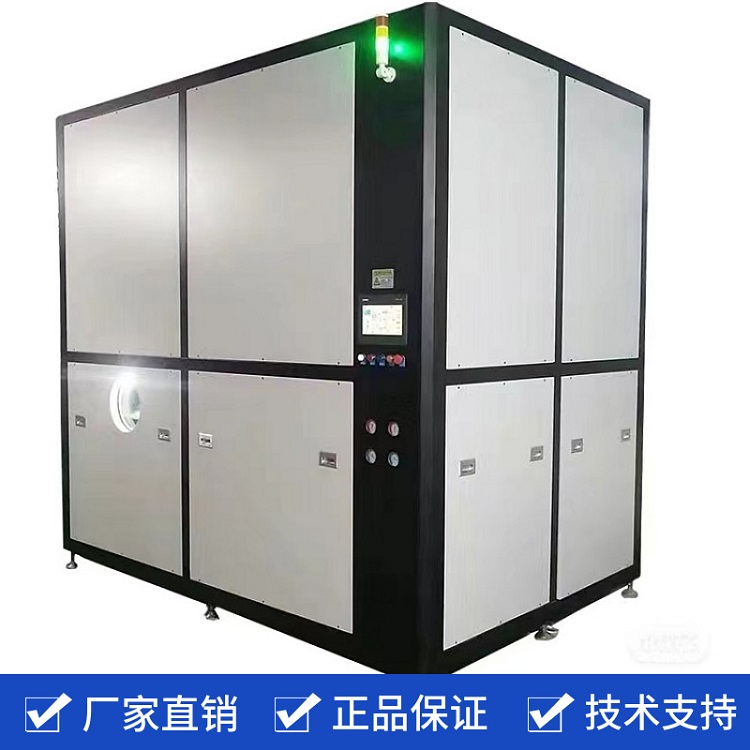
Sodium Chloride Wastewater Low-Temperature Evaporator - Intelligent Automatic - Quankun - Integrated Design
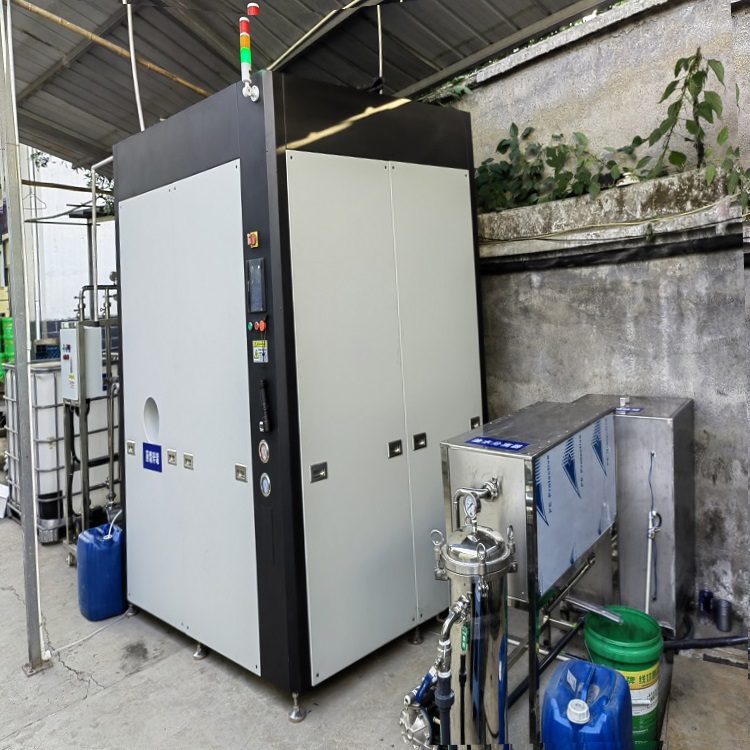
High-Concentration Oil Emulsion Waste Water Treatment Equipment - Quankun - Evaporator Unit - High Concentration Ratio
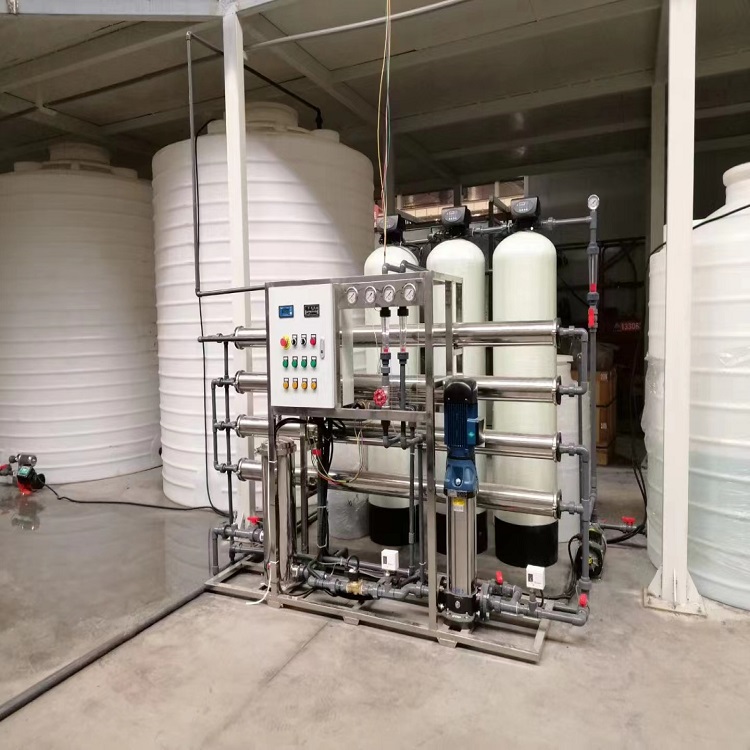
Industrial Pure Water Equipment EDI Ultra-Pure Water System Fully Automatic Control Quankun Environmental Protection
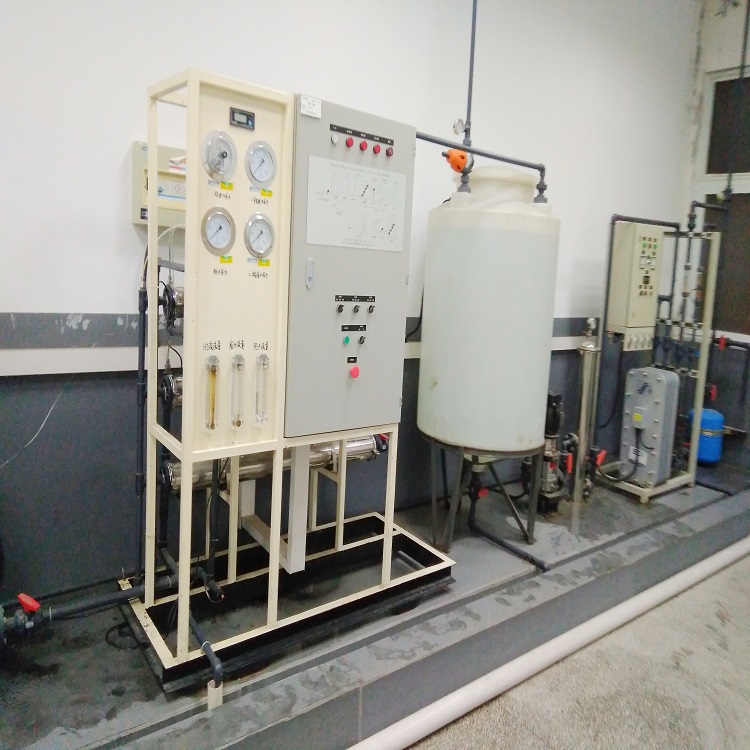
Shenzhen Industrial Ultra-Pure Water Equipment, equipped with EDI system, features low energy consumption and high degree of automation.
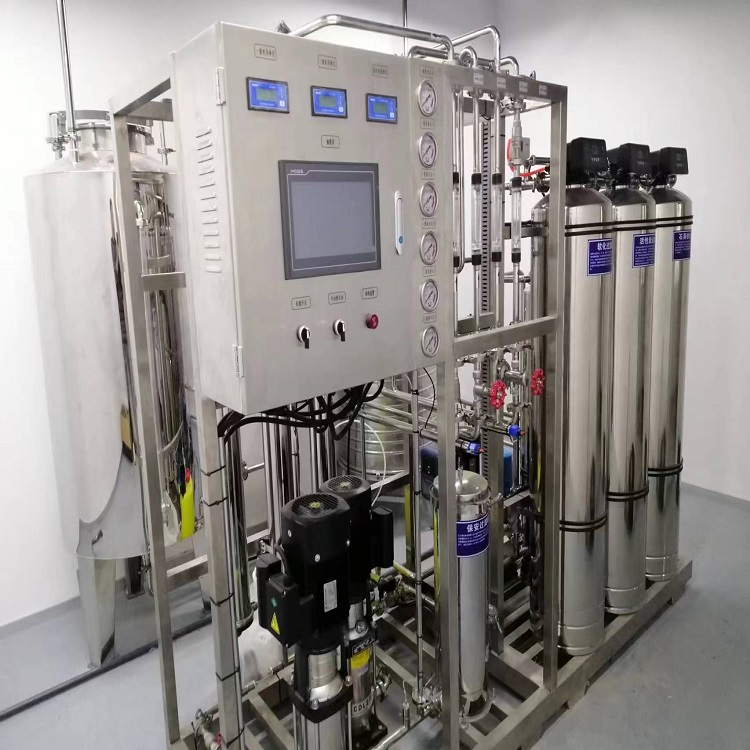
Shanghai industrial pure water production equipment reverse osmosis filtration system with high yield and customizable options, Quankun brand.
详情描述
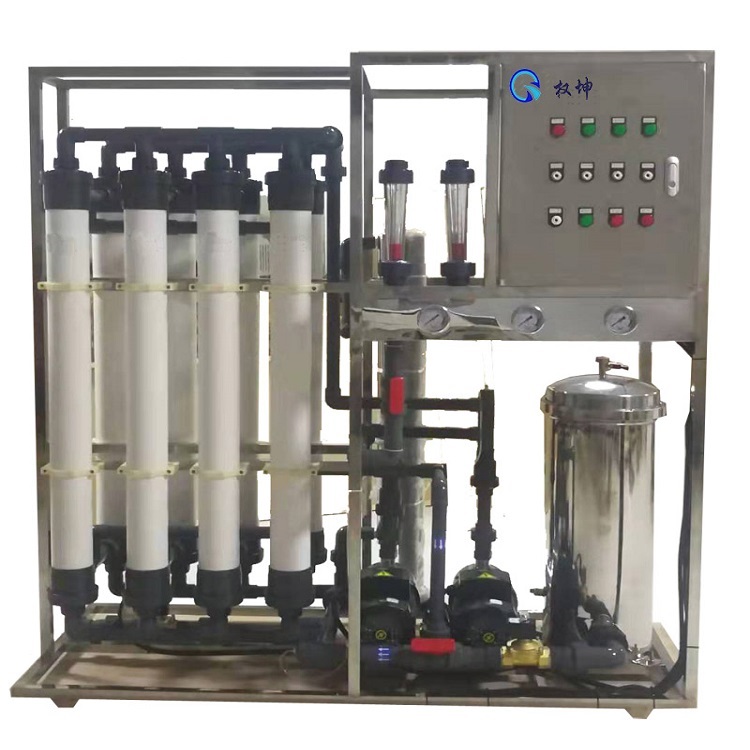
Ultrafiltration Equipment - Membrane Separation Equipment - Complete Specifications - Quankun Environmental Protection - Recycled Water Reuse Filtration Equipment
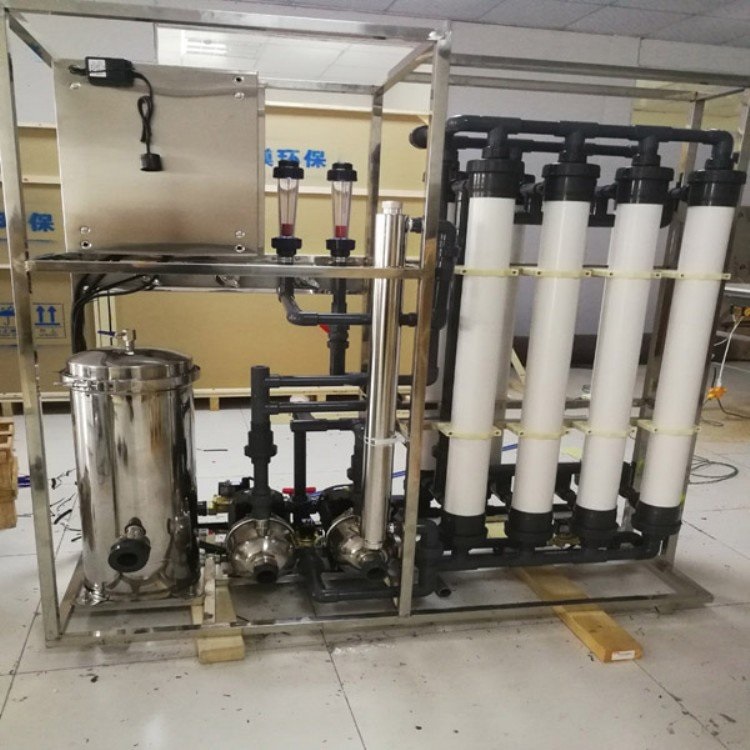
Ultrafiltration membranes are categorized by their structural types, including plate-and-frame (plate type), hollow fiber, nanofiltration ultrafiltration, tubular, and rolled configurations. Among them, hollow fiber ultrafiltration membranes are a relatively mature and advanced form of ultrafiltration technology. The outer diameter of hollow fibers ranges from 0.4 to 2.0 mm, while the inner diameter is from 0.3 to 1.4 mm. The walls of the hollow fiber tubes are lined with micropores, with pore sizes expressed in terms of the molecular weight of the substances they can retain, reaching up to several thousand or even tens of thousands. Raw water flows at high pressure on the outer side or inner cavity of the hollow fibers, forming either external pressure or internal pressure hollow ultrafiltration membranes. The ultrafiltration system is a dynamic filtration process, where retained substances can be flushed out with the concentrate, preventing clogging of the membrane surface and allowing for long-term continuous operation.
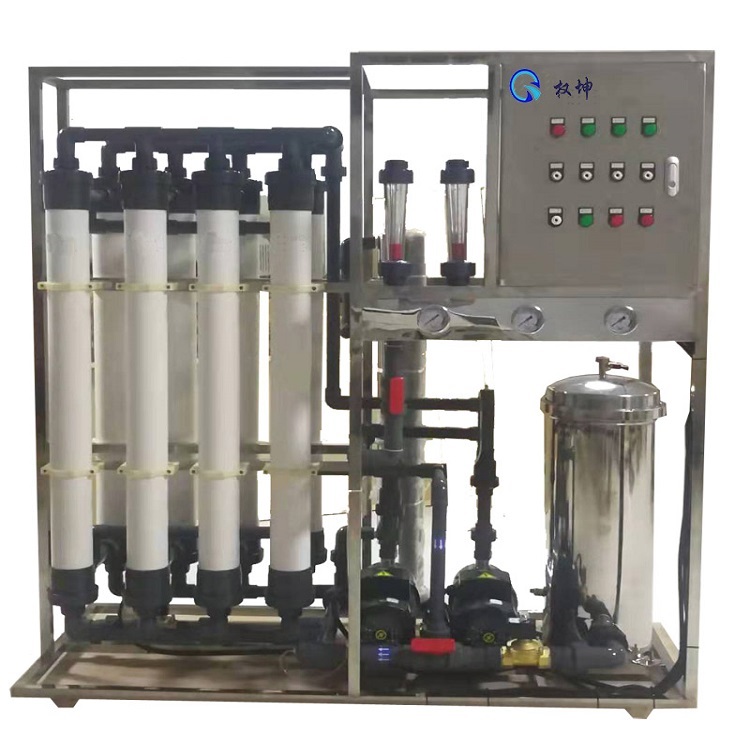
Ultrafiltration equipment, as an efficient water treatment technology, primarily functions through physical sieve separation to isolate different-sized molecules in liquids. This membrane separation technique employs high molecular material membranes with pore sizes ranging from 0.001 to 0.1 micrometers, capable of retaining colloids, bacteria, viruses, and large organic molecules in water, while allowing water molecules and dissolved salts to pass through, thereby achieving purification, concentration, or separation.
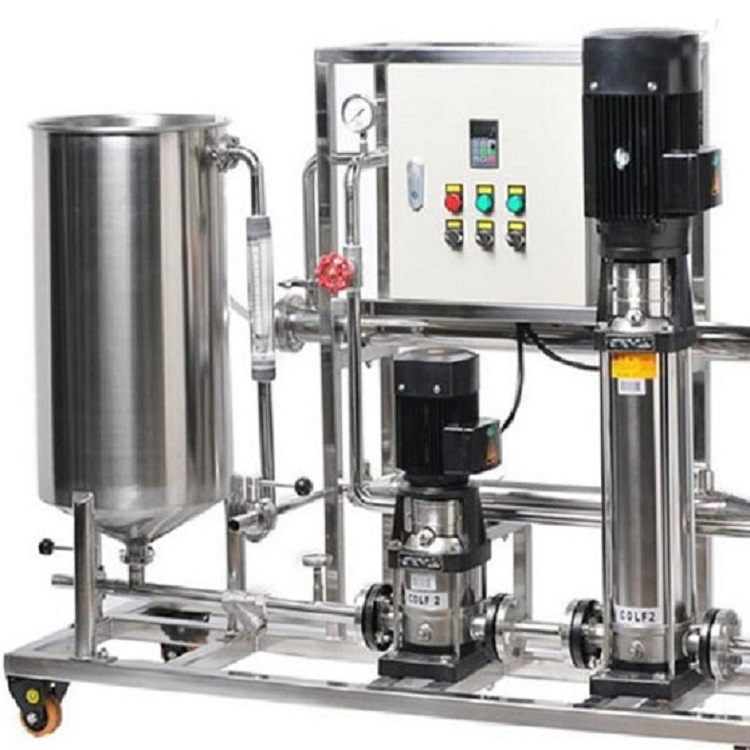
In the field of drinking water purification, ultrafiltration equipment demonstrates significant advantages. Traditional tap water treatment processes struggle to completely remove chlorine-tolerant pathogenic microorganisms, whereas ultrafiltration membranes can effectively retain 99.99% of bacteria (such as E. coli) and the vast majority of viruses (including hepatitis A virus, rotavirus, etc.). For areas in our country with high turbidity surface water or groundwater with excessive iron and manganese content, the ultrafiltration system, combined with pretreatment processes, can ensure the effluent turbidity remains consistently below 0.1 NTU and iron and manganese levels drop below 0.05 mg/L, fully complying with the "Sanitary Standards for Drinking Water" (GB5749-2022).
Industrial wastewater treatment is another significant application of ultrafiltration technology. In the electroplating industry, wastewater containing heavy metals like nickel and chromium can achieve a recovery rate of over 95% after being processed through ultrafiltration membranes. The permeate water can be reused in the production line, achieving zero wastewater discharge. Dyeing and finishing enterprises adopt a combination of ultrafiltration and reverse osmosis processes to treat desizing wastewater, which not only boosts the water reuse rate to 80% but also recovers valuable polyvinyl alcohol sizing material.
Ultrafiltration technology also benefits the concentration and purification process in the food industry. During dairy processing, using ultrafiltration membranes with a molecular weight cut-off of 10kDa selectively concentrates whey protein, retaining over 90% of active components like immunoglobulins and lactoferrin. Compared to traditional heat concentration methods, the protein denaturation rate is reduced to less than 5%, from 35%. In soy sauce clarification, replacing diatomite filtration with ultrafiltration increases the light transmission rate by 40 percentage points and completely avoids the risk of foreign matter introduced by filtration aids.
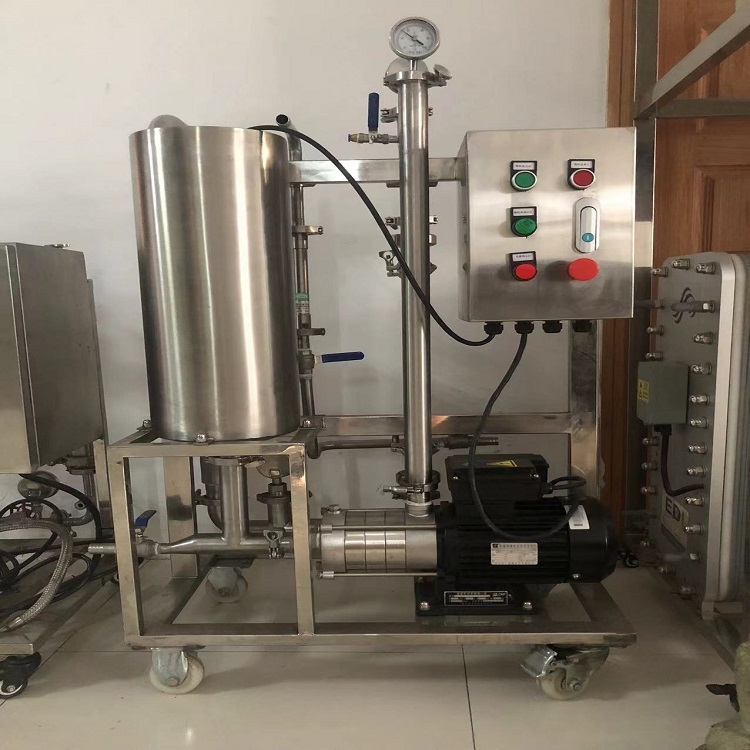
Ultrafiltration Equipment - Membrane Separation Equipment - Complete Specifications - Quankun Environmental Protection - Reclaimed Water Reuse Filtration Equipment
Advantages of Ultrafiltration Equipment:
1. Ultrafiltration membrane elements are sourced from a renowned domestic membrane company, ensuring customers receive high-quality organic membrane elements that guarantee excellent retention performance and flux.
2. The system boasts a high recovery rate, yielding high-quality products, and enables efficient separation, purification, and high-multiple concentration of materials.
3. The process is free of phase change, has no adverse effects on the composition of the material, and remains at room temperature throughout the separation, purification, and concentration stages. It is particularly suitable for the treatment of thermosensitive substances, completely avoiding the drawback of high temperature destroying bioactive substances. It effectively preserves the bioactive substances and nutritional components within the original material system.
4. The system has low energy consumption, a short production cycle, and lower operation costs compared to traditional processes and equipment. This effectively reduces production costs and improves the economic benefits of the enterprise.
5. The system features advanced process design, high integration, compact structure, minimal land occupation, easy operation and maintenance, and low labor intensity for workers.
6. The control system can be customized to meet specific user requirements, integrating advanced control software. It provides real-time, on-site centralized monitoring of critical process parameters, preventing manual errors and ensuring the system operates stably over the long term.


