



- AllProduct Category
-
Lab Wastewater Treatment Equipment
Lab Wastewater Treatment Equipment
Ultra-Pure Water Equipment
Membrane Separation Equipment
Pure Water Equipment
Low-Temperature Evaporator
Ultra-Pure Water System
Integrated Wastewater Treatment Equipment
Reverse Osmosis Equipment
Pure Water Equipment
Ceramic Membrane Equipment



Recommended Products
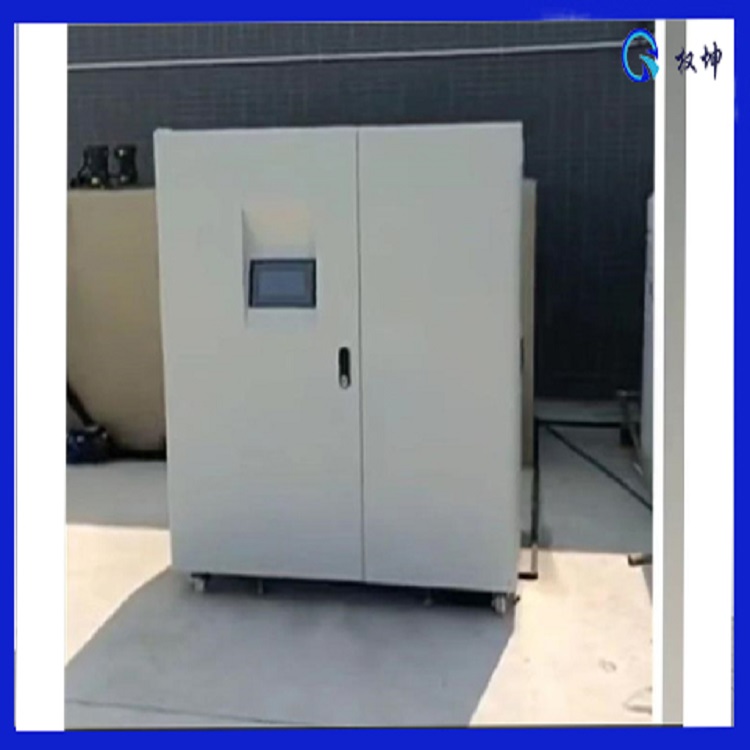
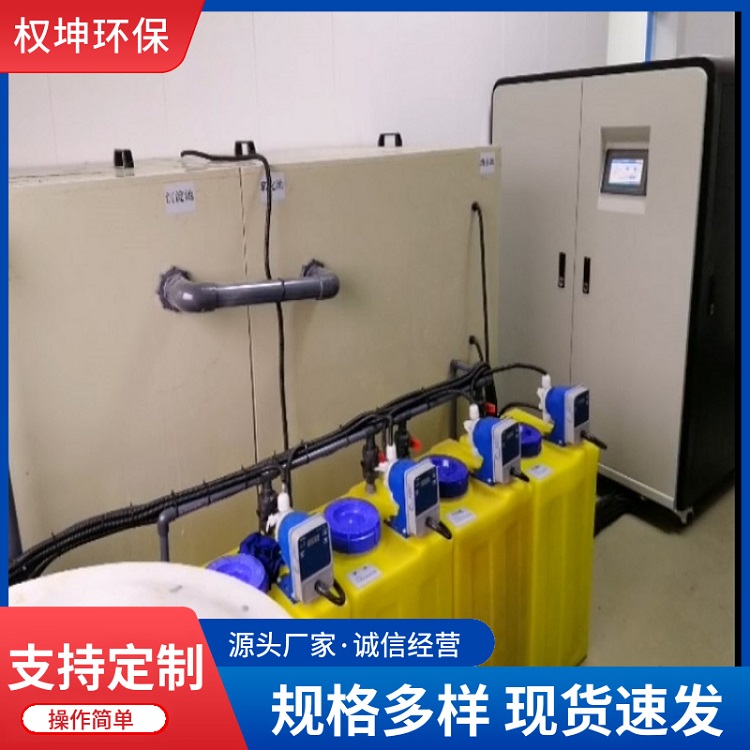
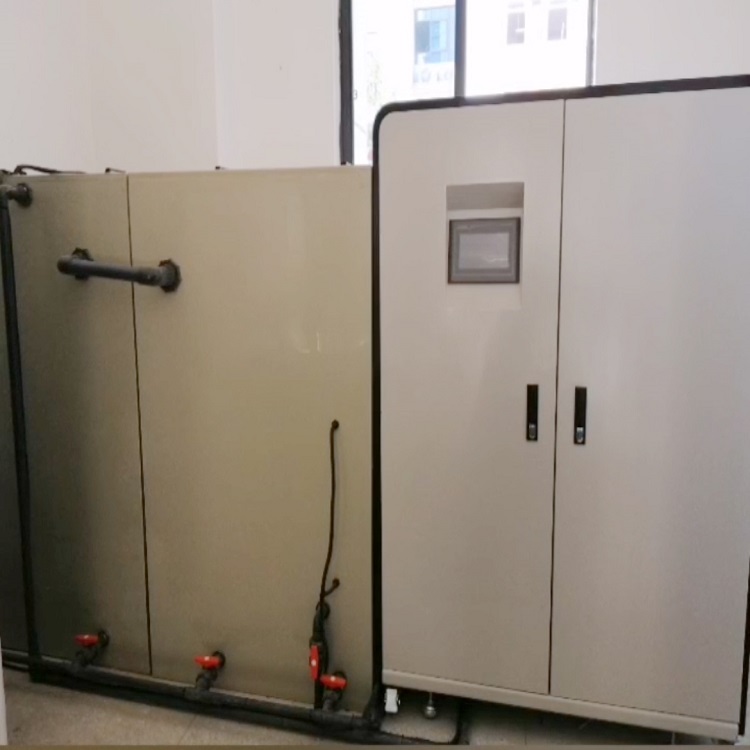
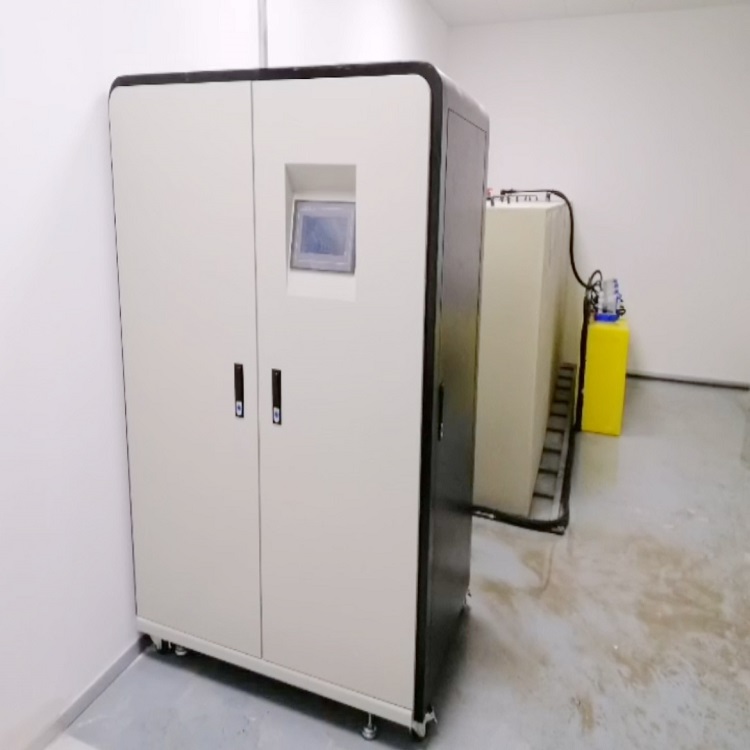
Quan Kun - Comprehensive Laboratory Waste Water Treatment Equipment - Remote Monitoring - Automated Control
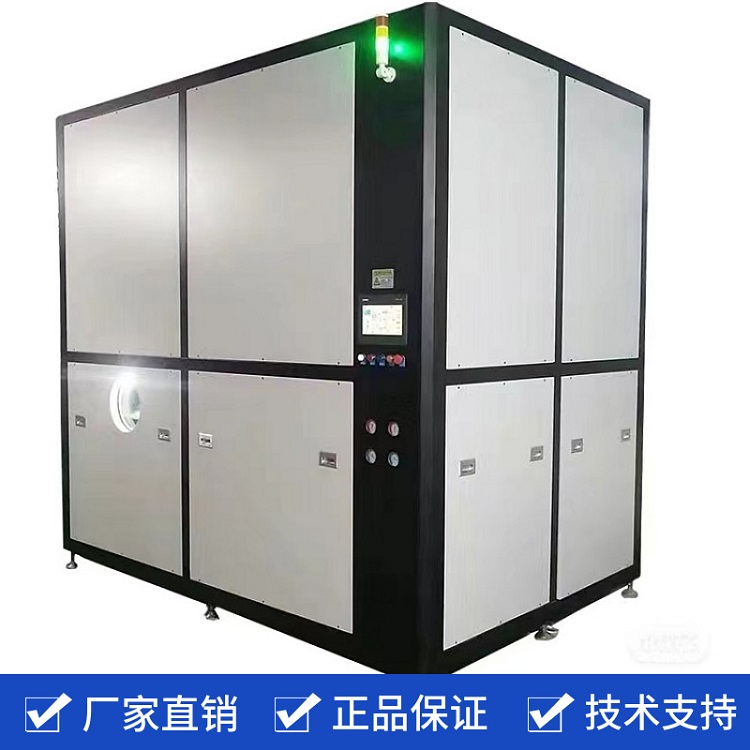
Sodium Chloride Wastewater Low-Temperature Evaporator - Intelligent Automatic - Quankun - Integrated Design
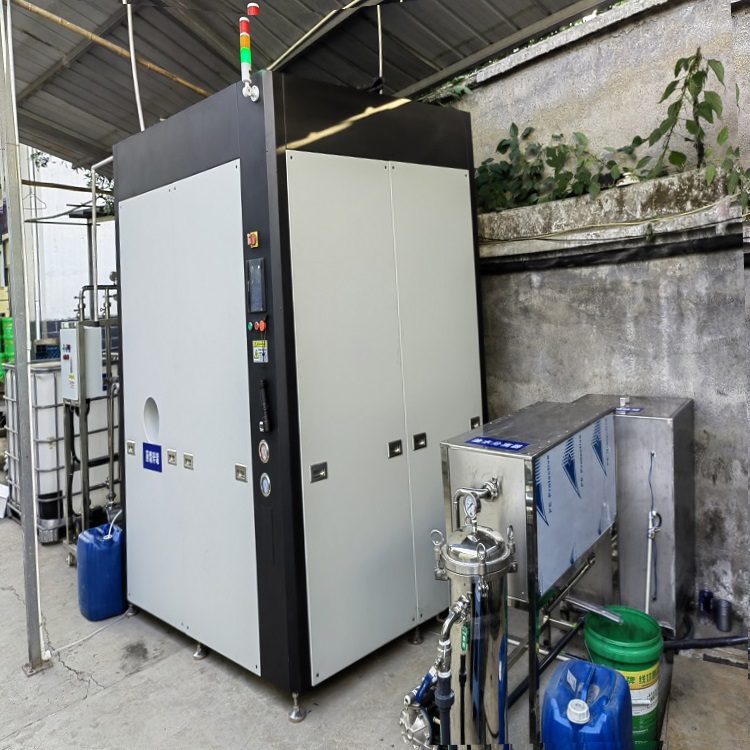
High-Concentration Oil Emulsion Waste Water Treatment Equipment - Quankun - Evaporator Unit - High Concentration Ratio
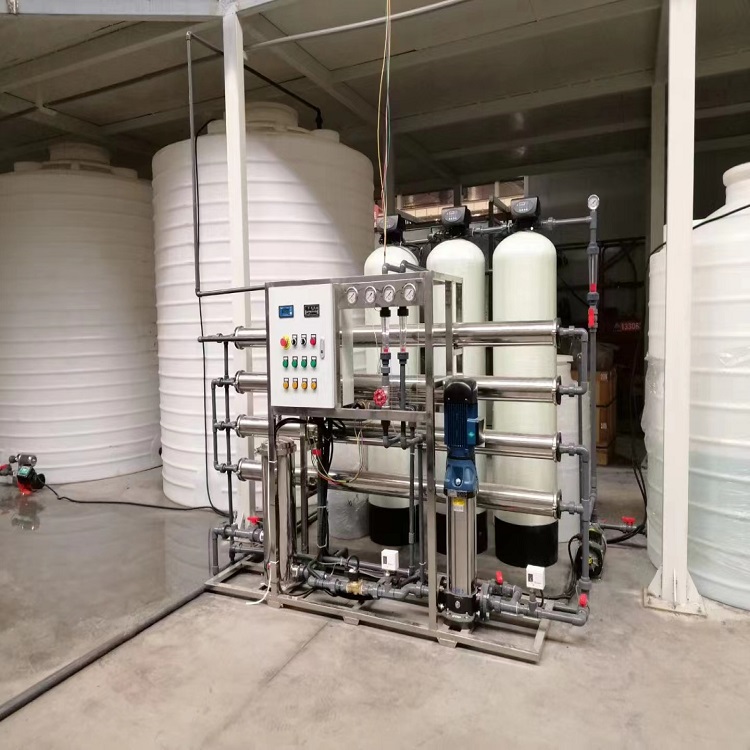
Industrial Pure Water Equipment EDI Ultra-Pure Water System Fully Automatic Control Quankun Environmental Protection
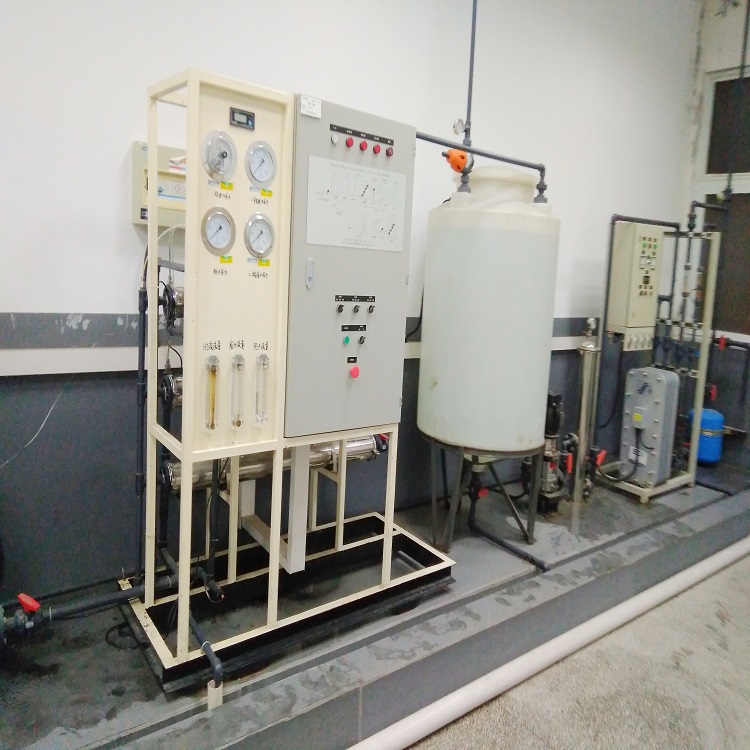
Shenzhen Industrial Ultra-Pure Water Equipment, equipped with EDI system, features low energy consumption and high degree of automation.
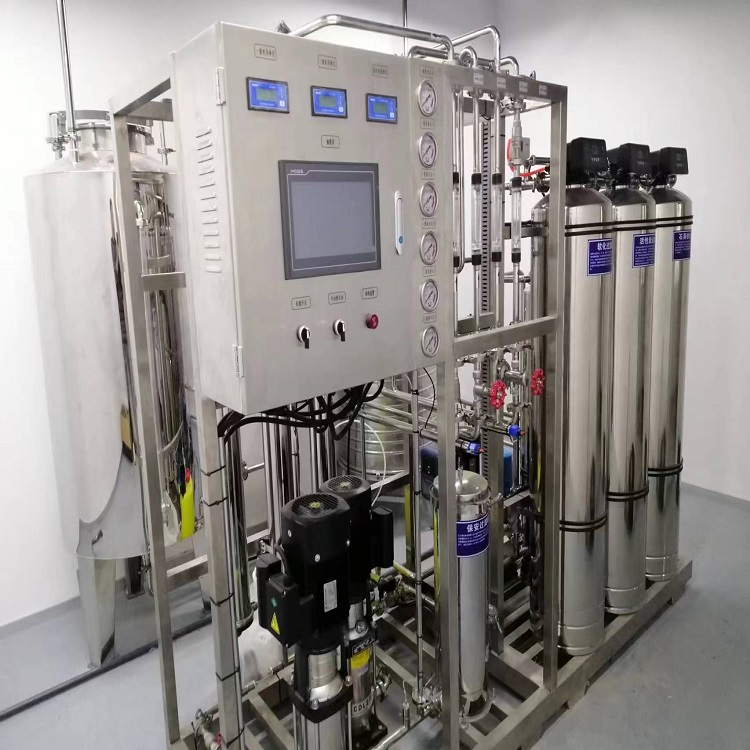
Shanghai industrial pure water production equipment reverse osmosis filtration system with high yield and customizable options, Quankun brand.
详情描述
Chemical laboratory wastewater treatment equipment; durable industrial wastewater treatment equipment; customizable to your needs.
Wastewater from chemical laboratories is complex, containing heavy metals, organic solvents, acidic and alkaline substances, and other pollutants. If not treated before discharge, it can severely harm the environment and human health. With increasingly stringent environmental regulations and heightened awareness of laboratory safety, wastewater treatment equipment for chemical laboratories has become an essential facility for research institutions, university laboratories, and testing centers. This type of equipment, through a combination of physical, chemical, and biological processes, can effectively remove harmful substances from the wastewater, making it meet national discharge standards.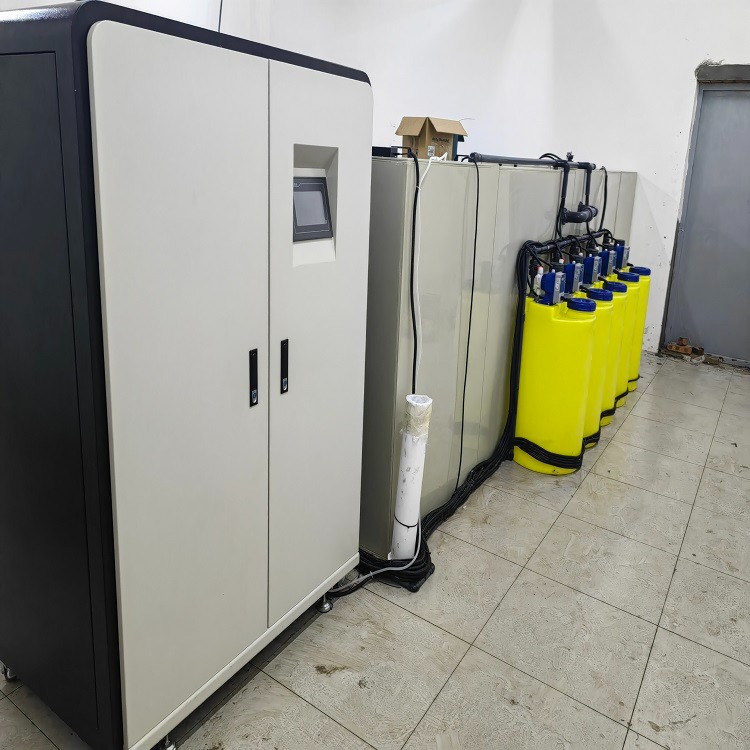 The core technologies of the chemical laboratory wastewater treatment equipment include neutralization reaction systems, sedimentation and filtration units, activated carbon adsorption units, and membrane separation modules. The neutralization reaction system is primarily used to adjust the pH of wastewater, adding acid or alkali via an automatic dosing device to achieve a neutral pH range. The sedimentation and filtration units add flocculants to form sediments of suspended particles and some heavy metals, which are then removed through multi-stage filtration. For hard-to-degrade organic pollutants, the activated carbon adsorption unit plays a crucial role, with its large specific surface area effectively adsorbing organic substances like benzene derivatives and halogenated hydrocarbons. Membrane separation technology, particularly reverse osmosis and ultrafiltration membranes, can retain smaller molecular weight dissolved pollutants, achieving deep purification.
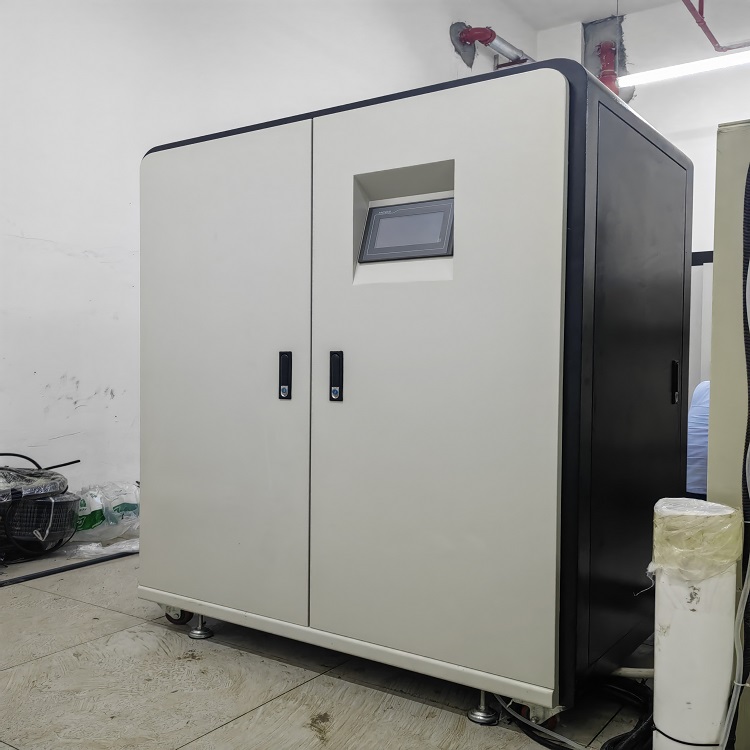
In industrial applications, chemical laboratory wastewater treatment equipment requires customized design based on the characteristics of water quality. For instance, wastewater dominated by heavy metals necessitates enhanced sedimentation and ion exchange processes; on the other hand, wastewater with high organic contaminant content requires the addition of activated carbon adsorption and advanced oxidation units. The mainstream equipment on the market commonly features modular design, which facilitates adjusting the process combinations in response to changes in water quality. Smart control systems are also standard in modern equipment, enabling real-time monitoring of key indicators such as pH, turbidity, and COD, automatically adjusting operating parameters to ensure stable and reliable treatment effects.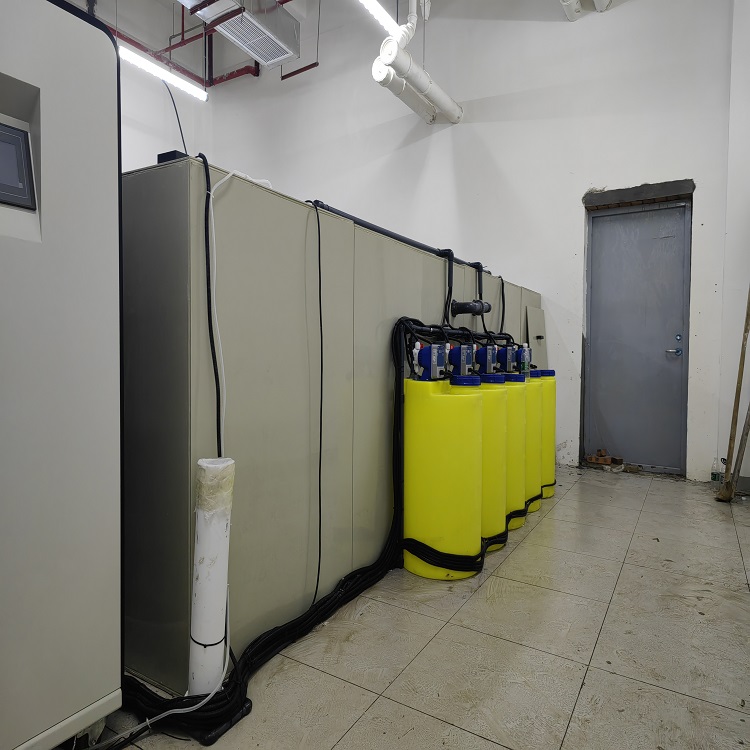
The operation and maintenance of wastewater treatment equipment in chemical laboratories is equally crucial. Regular replacement of filter media and activated carbon, cleaning membrane components, calibrating sensors, and other maintenance tasks directly impact treatment efficacy and equipment lifespan. Many advanced devices are equipped with remote monitoring capabilities, allowing operation personnel to view the operating status in real-time on their phones or computers, enabling timely problem identification and intervention. Moreover, the sludge and spent activated carbon after treatment are hazardous waste, which must be handled by qualified units for harmless disposal to avoid secondary pollution.
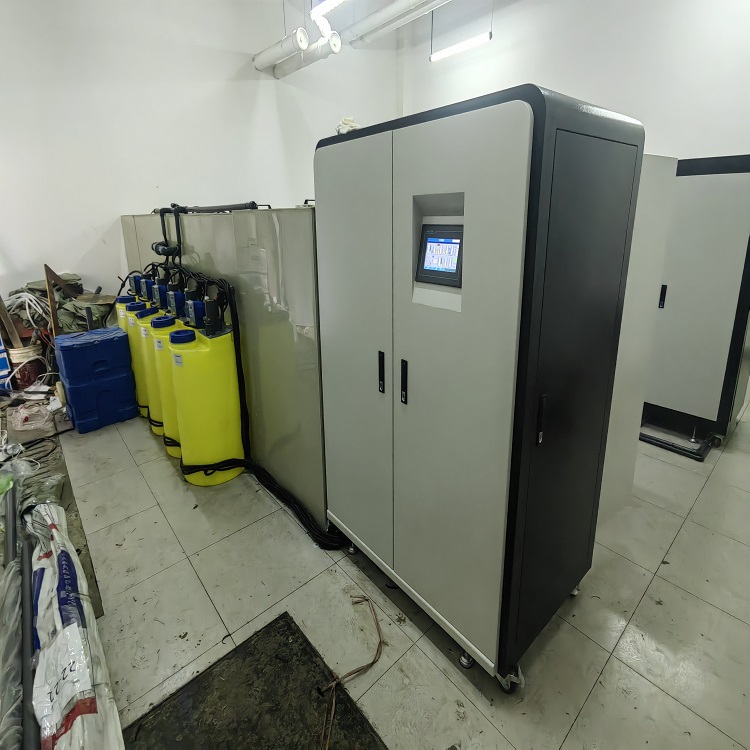
Post-commissioning, scientific operation and maintenance management is crucial:
Establish a classified collection system
Collect wastewater according to its nature in each laboratory, and strictly prohibit the mixing and storage of incompatible wastewater (such as strong acids with strong bases, oxidizers with reducers).
2. Standardized Operation Procedures
Establish detailed operational procedures, including startup checks, routine inspections, and chemical replacement. Pay special attention to the operation and protection of hazardous chemicals, such as ensuring pH > 10 when dealing with cyanide-containing wastewater to prevent gas generation.
3. Emergency Response Plan
Develop emergency response plans for unexpected events such as equipment failures and leaks. Recommend equipping with emergency ponds, neutralizing agents, and other supplies, and organizing drills regularly.
4. Data Monitoring and Recording
Regularly test water quality in accordance with environmental protection requirements, focusing on monitoring indicators such as pH, COD, and heavy metals.
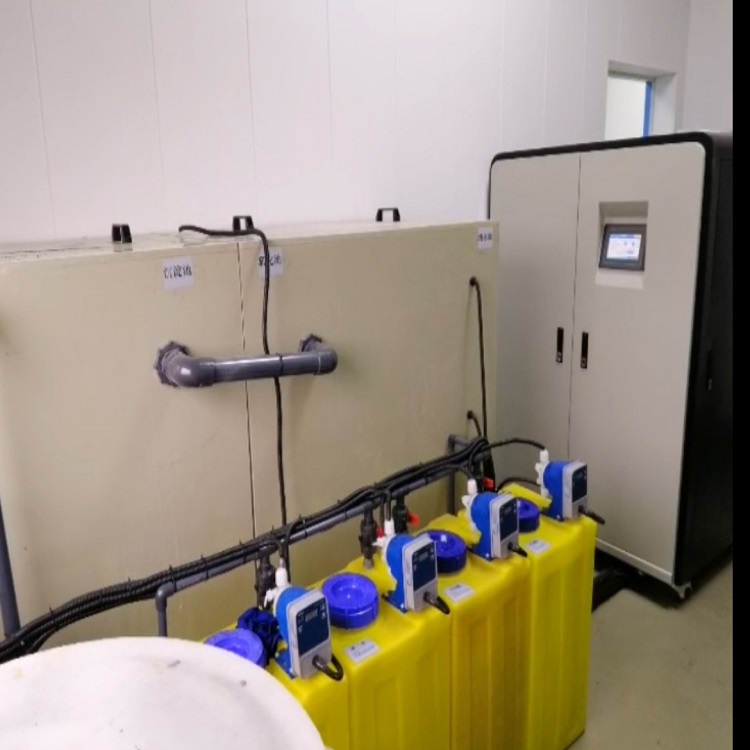
Chemical Laboratory Wastewater Treatment Equipment - Durable and Reliable, Customizable Industrial Wastewater Treatment Solutions
Laboratory wastewater primarily originates from waste liquids generated during experiments, instrument cleaning wastewater, cooling water, etc., and possesses the following characteristics:
Complex composition: Contains heavy metal ions (such as lead, mercury, cadmium, chromium, etc.), organic solvents, acidic and alkaline substances, cyanides, arsenic compounds, pathogenic microorganisms, and other pollutants.
High concentration: Some experimental waste liquid pollutants have extremely high concentrations. If not diluted before discharge, it will significantly exceed the emission standards.
3. High toxicity: Many pollutants are carcinogenic, teratogenic, and mutagenic, posing significant hazards to both ecological environments and human health.
4. Irregular Discharge: Laboratory wastewater discharge is affected by experimental arrangements, with varying discharge times and volumes.


