




- AllProduct Category
-
Lab Wastewater Treatment Equipment
Lab Wastewater Treatment Equipment
Ultra-Pure Water Equipment
Membrane Separation Equipment
Pure Water Equipment
Low-Temperature Evaporator
Ultra-Pure Water System
Integrated Wastewater Treatment Equipment
Reverse Osmosis Equipment
Pure Water Equipment
Ceramic Membrane Equipment



Recommended Products
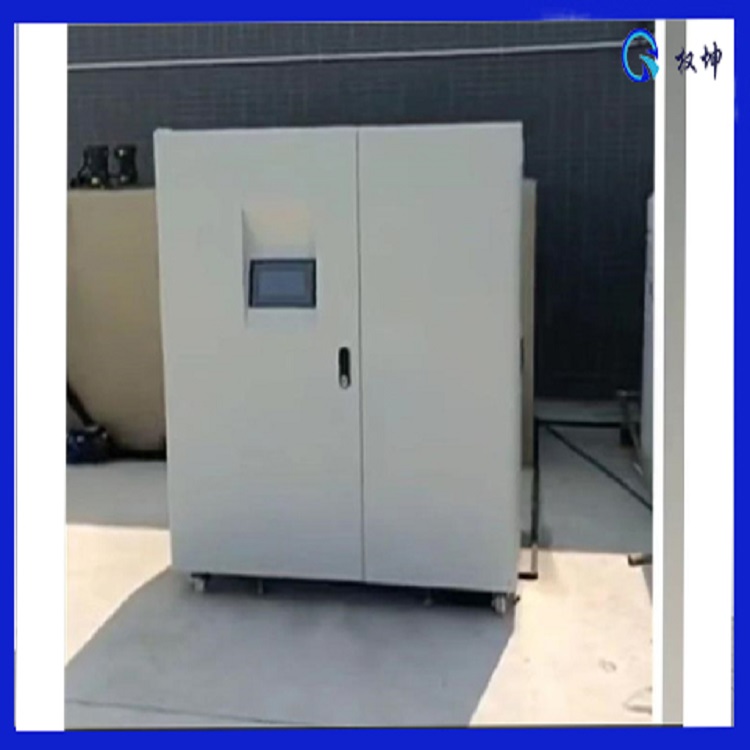
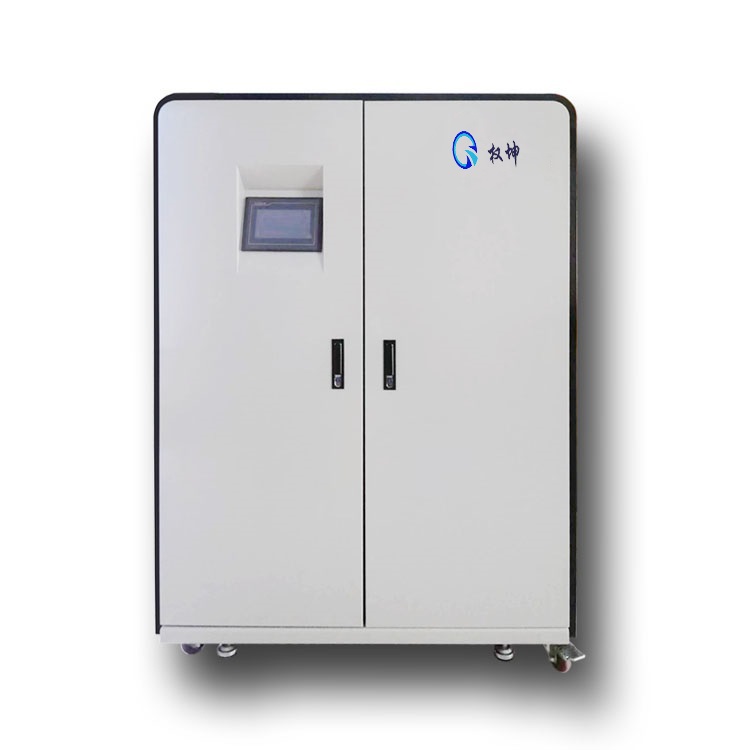
Quan Kun - Comprehensive Laboratory Waste Water Treatment Equipment - Remote Monitoring - Automated Control
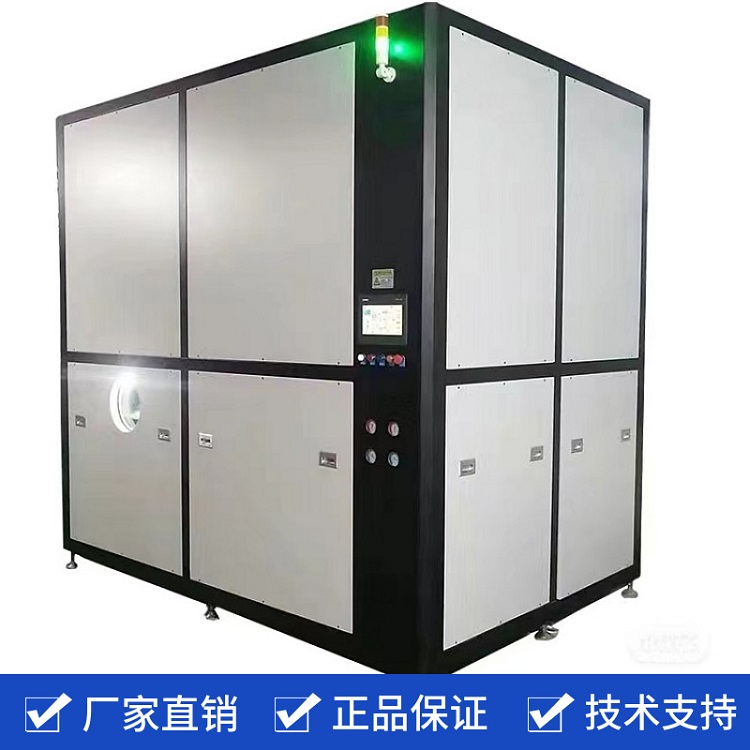
Sodium Chloride Wastewater Low-Temperature Evaporator - Intelligent Automatic - Quankun - Integrated Design
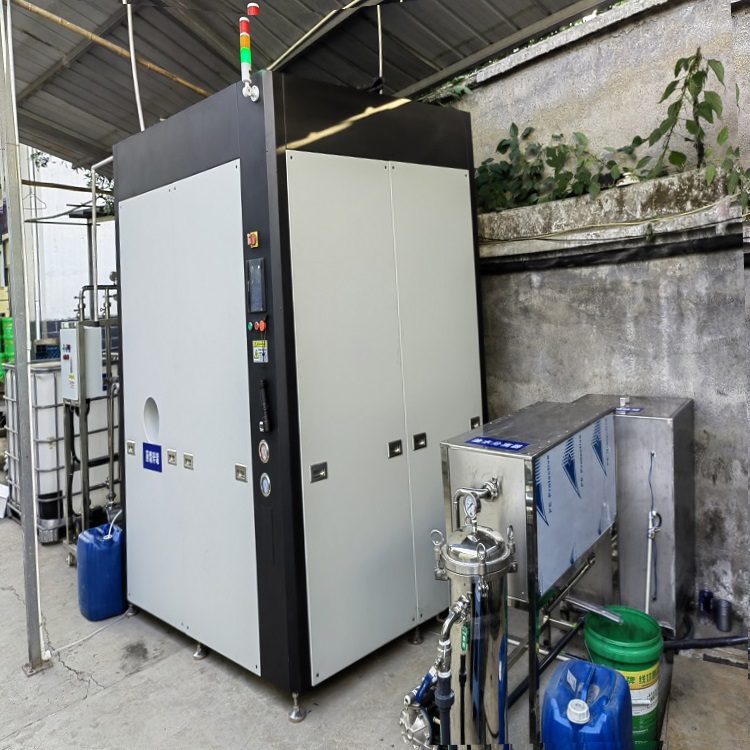
High-Concentration Oil Emulsion Waste Water Treatment Equipment - Quankun - Evaporator Unit - High Concentration Ratio
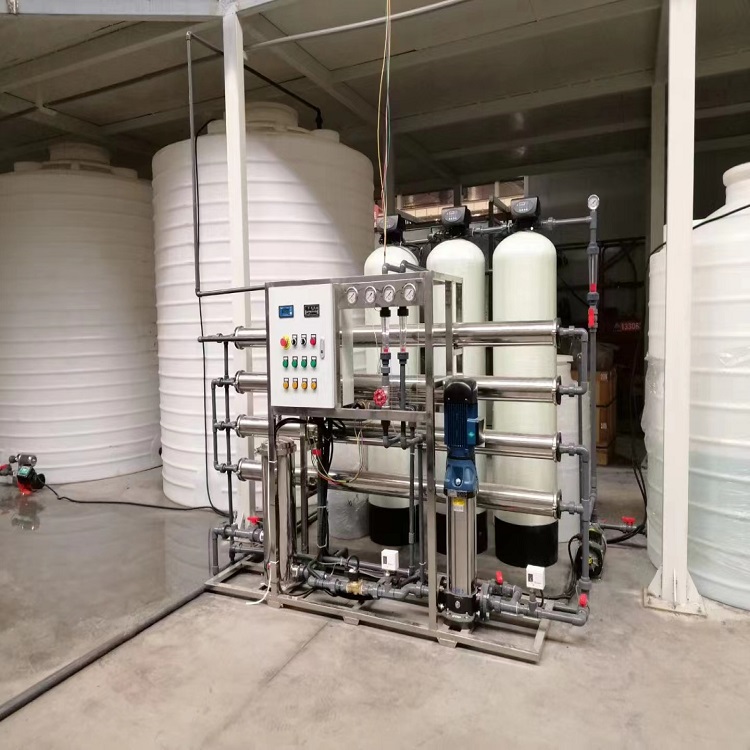
Industrial Pure Water Equipment EDI Ultra-Pure Water System Fully Automatic Control Quankun Environmental Protection
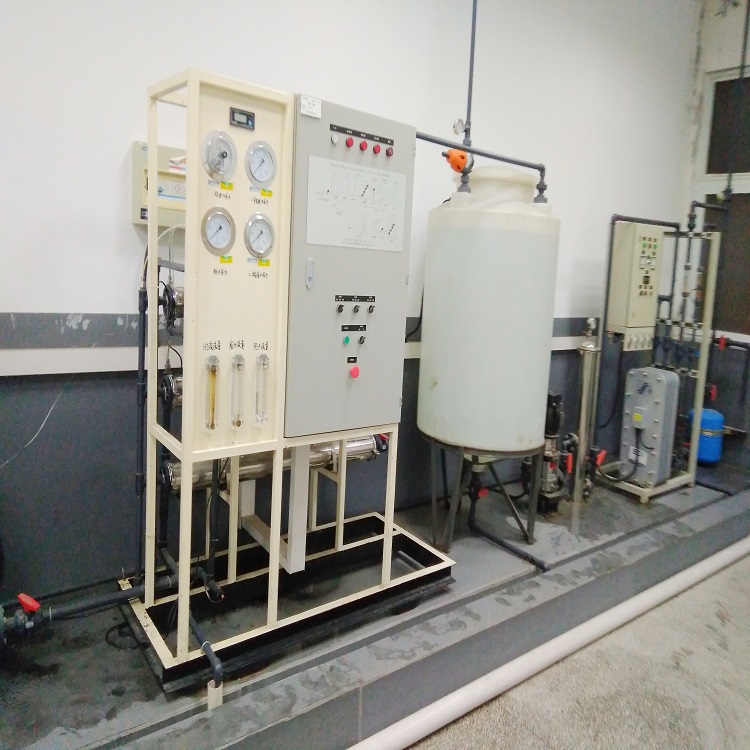
Shenzhen Industrial Ultra-Pure Water Equipment, equipped with EDI system, features low energy consumption and high degree of automation.
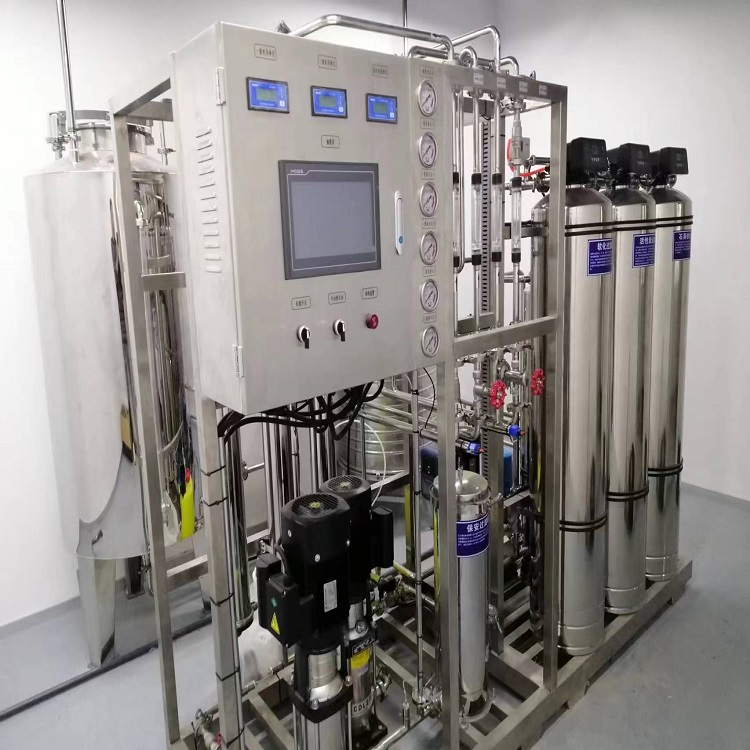
Shanghai industrial pure water production equipment reverse osmosis filtration system with high yield and customizable options, Quankun brand.
详情描述
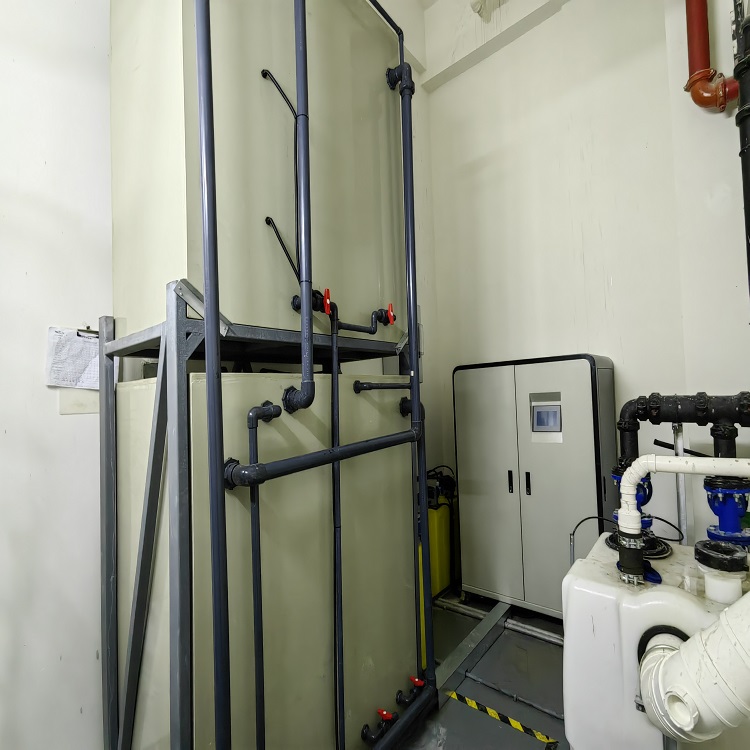
High School Chemistry Lab Wastewater Treatment Equipment - Easy Maintenance - Low Operation Costs
Laboratory wastewater primarily originates from research and teaching laboratories in chemistry, materials science, and life sciences. It mainly includes various waste acids and bases, toxic organic compounds, heavy metals, pathogenic microorganisms, and more. The composition of pollutants in different types of wastewater varies, as does the treatment methods and levels. Laboratory wastewater treatment should be categorized for collection, processed locally and promptly, with simple operations, and adhering to the principles of elimination and cost reduction.

Equipment Features:
1. Full automatic control
2. Compact structure, minimal land footprint
3. Low total cost, corrosion-resistant, and long service life
4. Low handling fees, consistent water quality upon exit
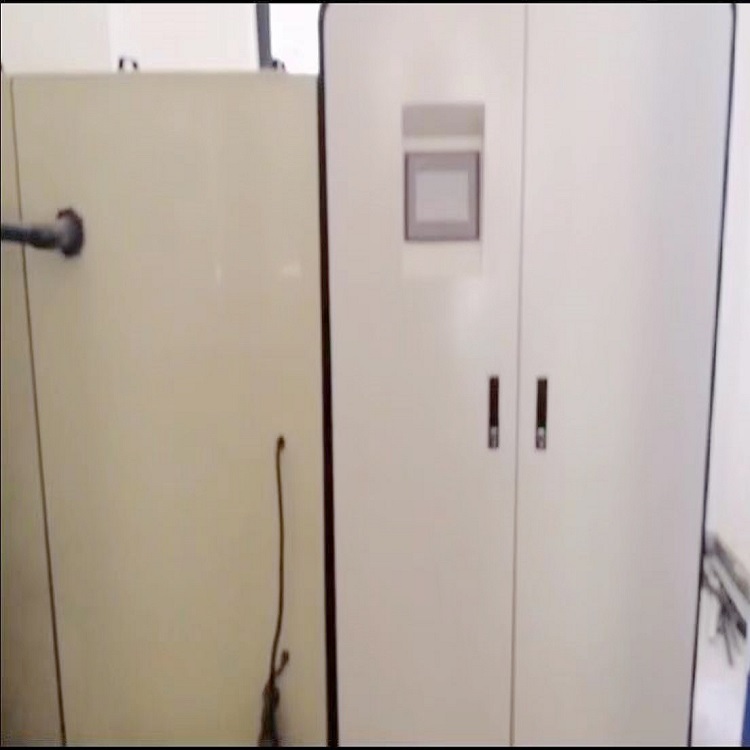
Process Features:
1. Treat various pollutants in wastewater with technologies such as neutralization precipitation, chemical oxidation, heavy metal capture, photocatalytic reaction, micro-electrolysis, ozone oxidation, and multi-media filtration; 2. Employ a microcomputer program for real-time monitoring and control of wastewater quality and treatment process, ensuring 24/7 automatic operation without the need for constant supervision; 3. Utilize pH meters and imported metering pumps for precise dosing control, with features like liquid level control, drug shortage alarms, and automatic sludge discharge; 4. Employ advanced aeration equipment for thorough gas-water contact and complete reaction; 5. Easy to operate, stable performance, long service life, with low operation and maintenance costs; 6. Takes up minimal space, can be installed indoors or outdoors as needed; 7. Tailor-made design and manufacturing to meet customer-specific requirements.
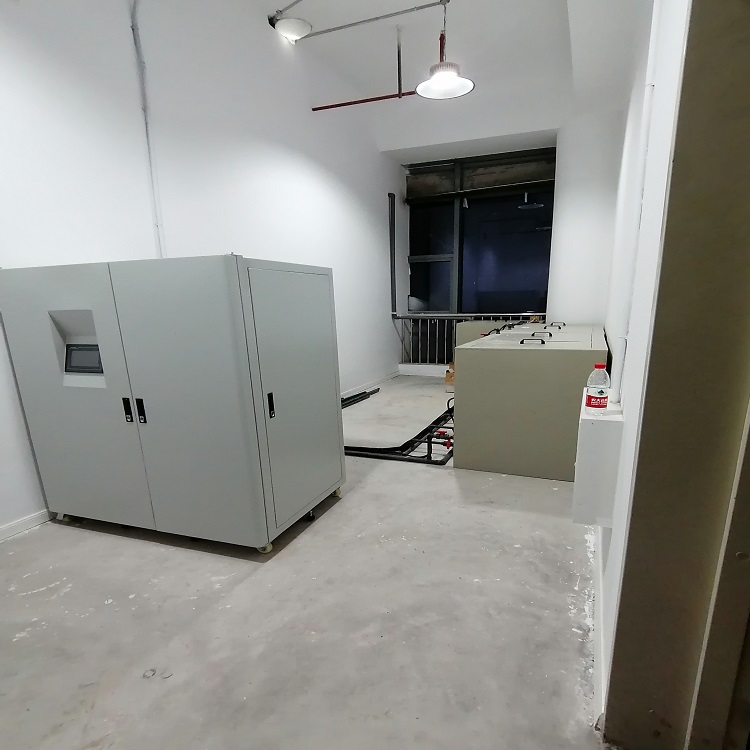
High School Chemistry Lab Wastewater Treatment Equipment - Easy Maintenance - Low Operation Costs
Application Fields:
Chinese and Higher Education Institutions: College of Life Sciences, College of Chemical Engineering, College of Materials, College of Environmental Science, College of Food Science, College of Medicine, College of Agriculture
Wastewater generated from hospital and laboratory facilities.
Institutes of scientific research: laboratory wastewater generated during the research process at research institutes, testing centers, inspection centers, and similar establishments.
CDC: Wastewater generated from laboratories conducting physical and chemical testing, microbiology, PCR, P2, P3, P4, etc.
Animal husbandry and veterinary: wastewater generated from laboratories producing animal disinfectants, pathogens, and microorganisms.
Central Blood Bank: wastewater generated from laboratories such as the testing lab, central lab, quality control room, etc.
Product Quality Inspection: Wastewater generated from laboratories such as food analytical rooms.
Environmental Monitoring: Wastewater generated from laboratories such as water analysis rooms and trace analysis rooms.
Agricultural Technology Center: wastewater generated from laboratories such as the Chemical Room and Drug Residue Room.
Outpatient Health Check Center: wastewater generated from laboratories such as the Chemical Laboratory and Inspection Room.
Inspection and Quarantine Bureau: Wastewater generated from health centers, technical centers, and other laboratories.
Biological pharmaceutical waste: wastewater generated from activities such as理化analysis, quality control rooms, and laboratories.
Oilfield and Petrochemical: Wastewater generated from central laboratories of oil refineries, oil plants, environmental monitoring stations, etc.
Wastewater generated from central laboratories, quality inspection rooms, chemical laboratories, and other similar laboratories.


