



- AllProduct Category
-
Lab Wastewater Treatment Equipment
Lab Wastewater Treatment Equipment
Ultra-Pure Water Equipment
Membrane Separation Equipment
Pure Water Equipment
Low-Temperature Evaporator
Ultra-Pure Water System
Integrated Wastewater Treatment Equipment
Reverse Osmosis Equipment
Pure Water Equipment
Ceramic Membrane Equipment



Recommended Products
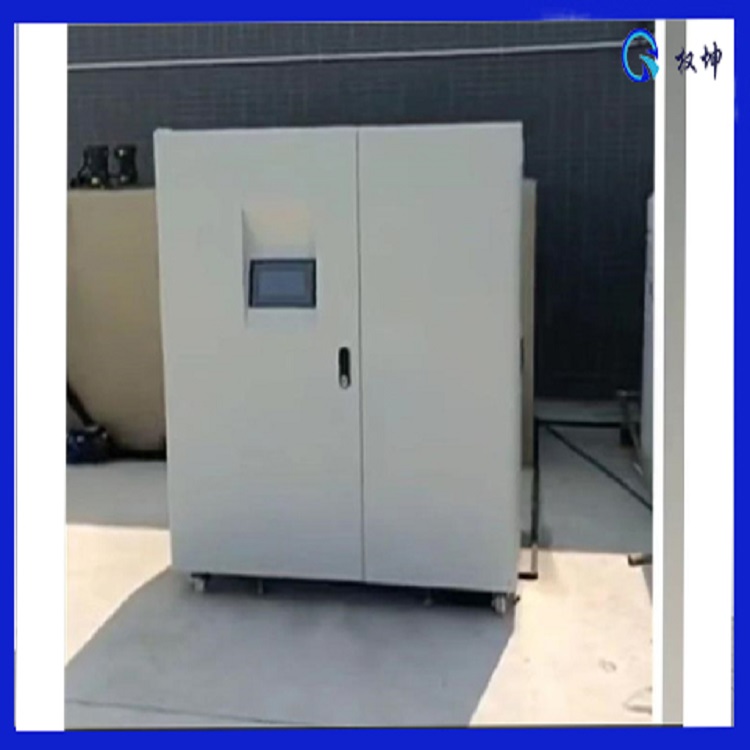
Quan Kun - Comprehensive Laboratory Waste Water Treatment Equipment - Remote Monitoring - Automated Control
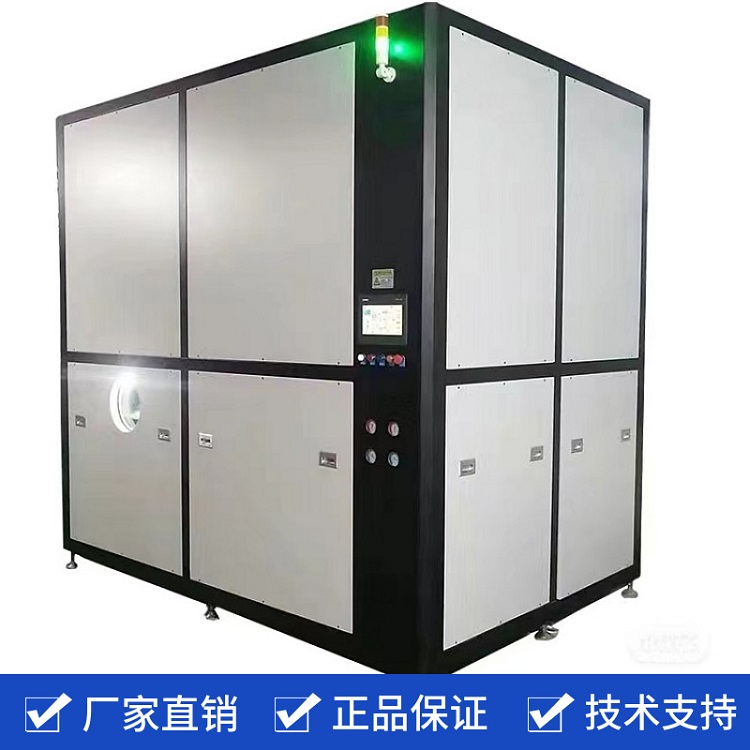
Sodium Chloride Wastewater Low-Temperature Evaporator - Intelligent Automatic - Quankun - Integrated Design
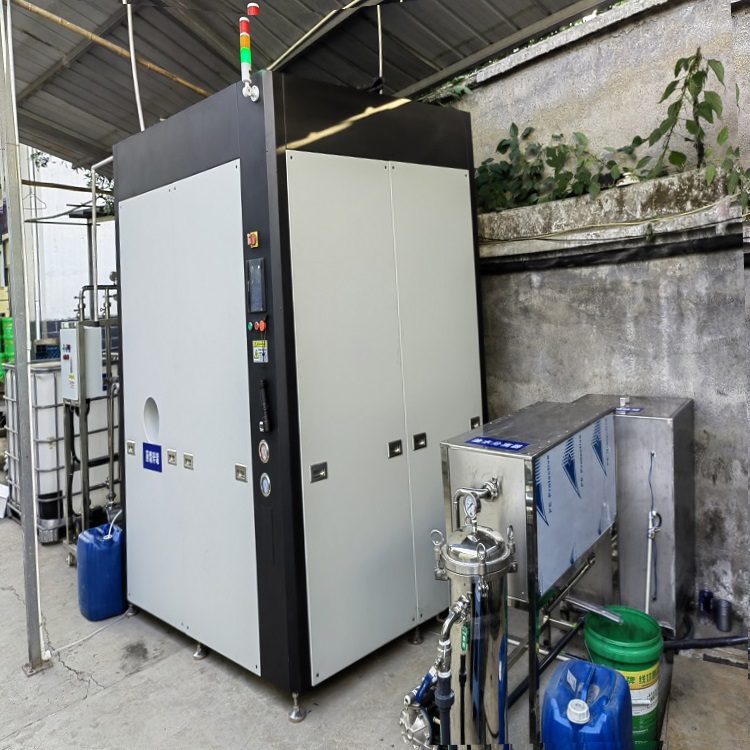
High-Concentration Oil Emulsion Waste Water Treatment Equipment - Quankun - Evaporator Unit - High Concentration Ratio
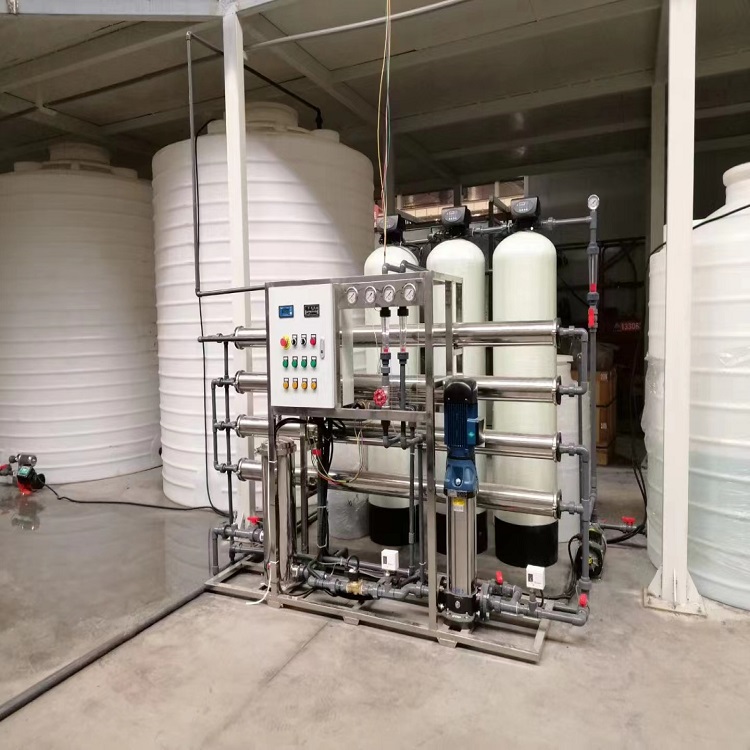
Industrial Pure Water Equipment EDI Ultra-Pure Water System Fully Automatic Control Quankun Environmental Protection
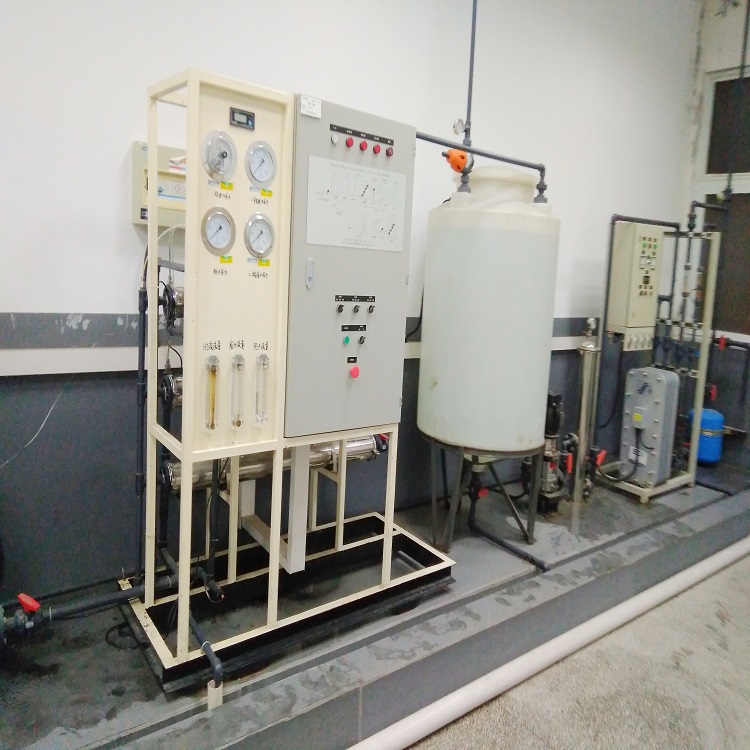
Shenzhen Industrial Ultra-Pure Water Equipment, equipped with EDI system, features low energy consumption and high degree of automation.
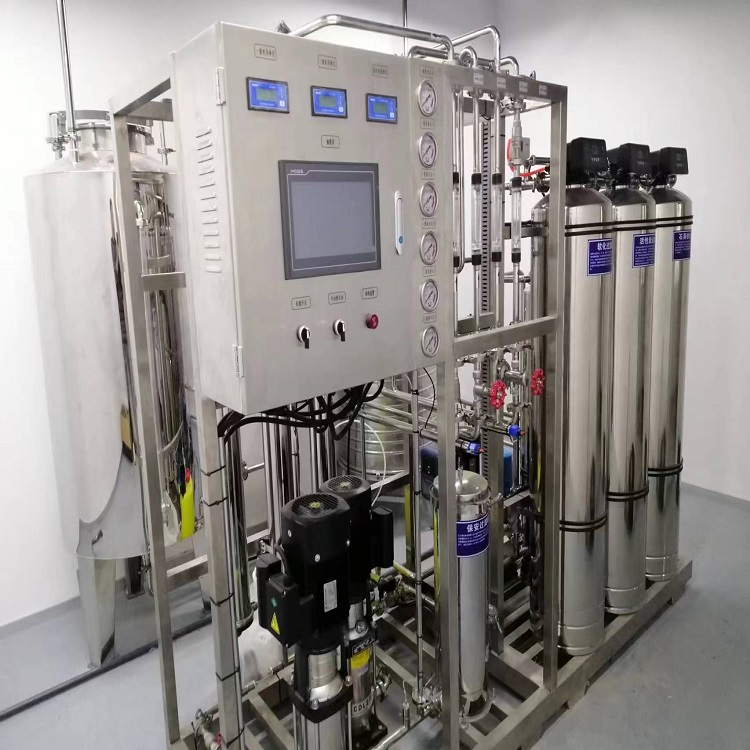
Shanghai industrial pure water production equipment reverse osmosis filtration system with high yield and customizable options, Quankun brand.
详情描述
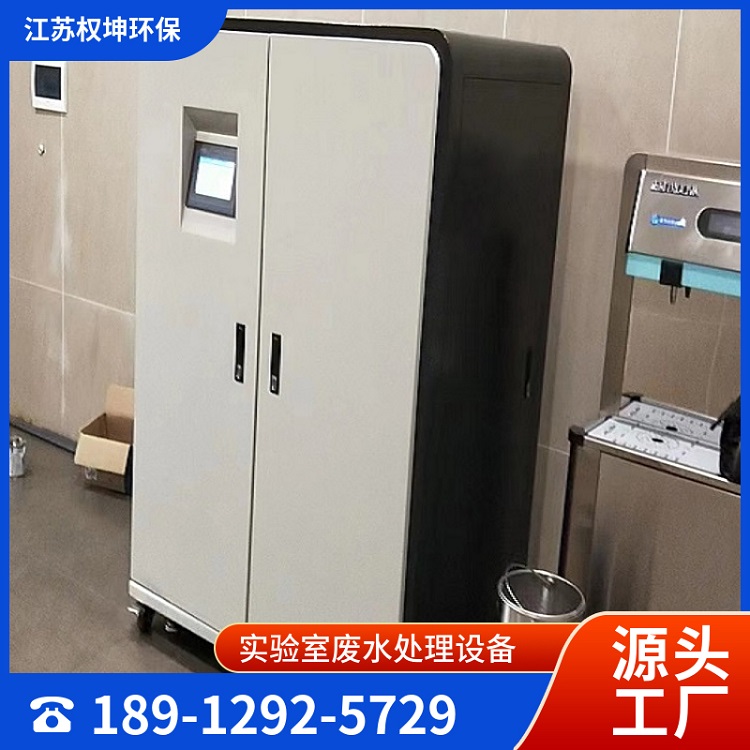
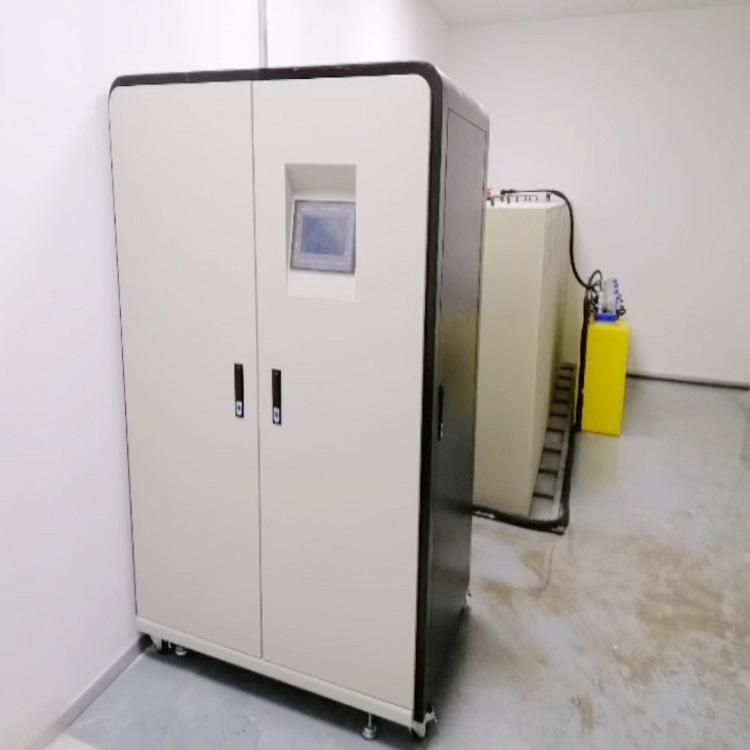
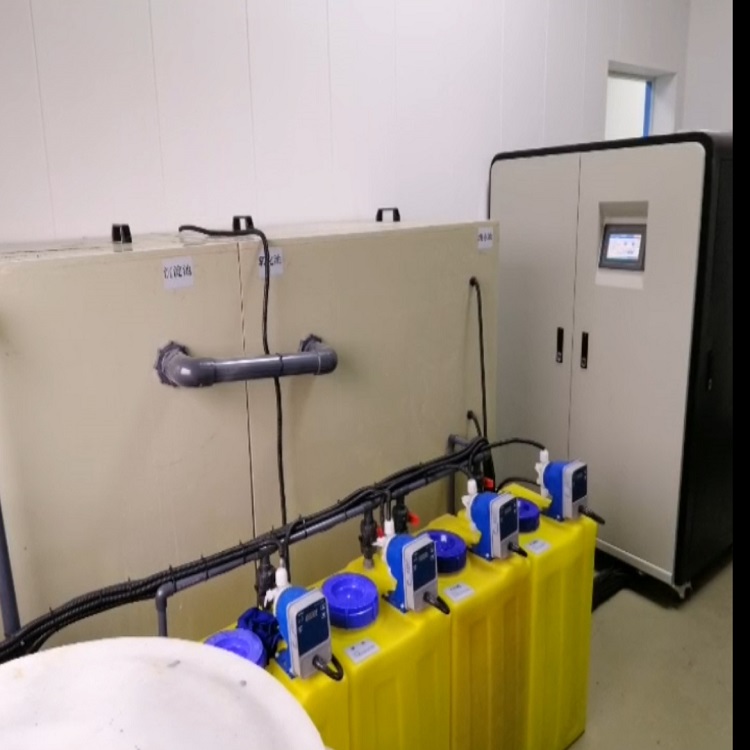
Middle School Laboratory Wastewater Treatment Equipment, Integrated Laboratory Sewage Treatment Equipment
Reagents and pharmaceuticals used in laboratories range from nearly a hundred to over a thousand types. Currently, experimental courses cover a variety of experiments, including verification of material properties, quantitative analysis, organic synthesis, and extraction of organic compounds. The chemical reagents used include common acids, bases, heavy metal salts, and phenols, along with other organic substances. Most of these can cause severe environmental pollution. Many reagents and their reaction by-products, such as various acids, bases, heavy metal salts, and organic compounds, are harmful to both the environment and human health. Some of these substances can persist in the environment for a long time and are difficult to degrade; others accumulate in the food chain and cause toxicity; and some even cause secondary pollution during the degradation process.
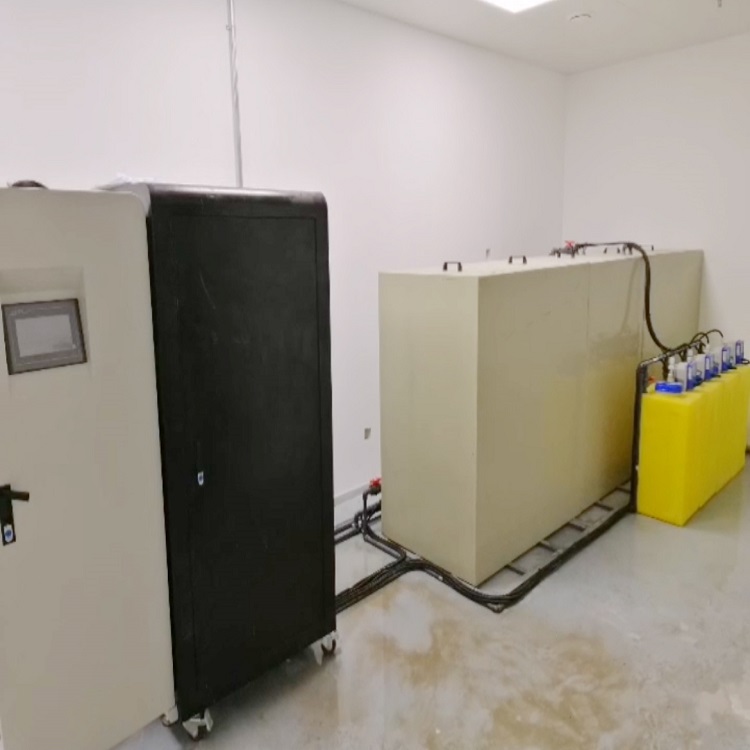
Laboratory wastewater primarily originates from research and teaching laboratories in various scientific research units and universities. Laboratory wastewater possesses its unique characteristics: small volume, strong intermittency, high hazard, and complex and variable composition.
Laboratory organic wastewater treatment methods can be借鉴 from other organic wastewater treatments. Generally, organic wastewater treatment techniques include biological and physical-chemical methods. For laboratory wastewater with high organic concentrations, strong toxicity, and unstable water quality and volume, the biological method is ineffective, while the physical-chemical method shows a distinct advantage in treating such wastewater. Recycling experimental drugs, classifying and treating laboratory waste, and recycling it for reuse not only reduces environmental pollution but also minimizes the waste of chemical substances. For high-concentration laboratory organic wastewater, organic solvents such as alcohols, esters, organic acids, ketones, and ethers should be recovered and recycled before being treated chemically. For high-concentration, highly toxic organic wastewater that cannot be recycled, centralized incineration treatment is required.
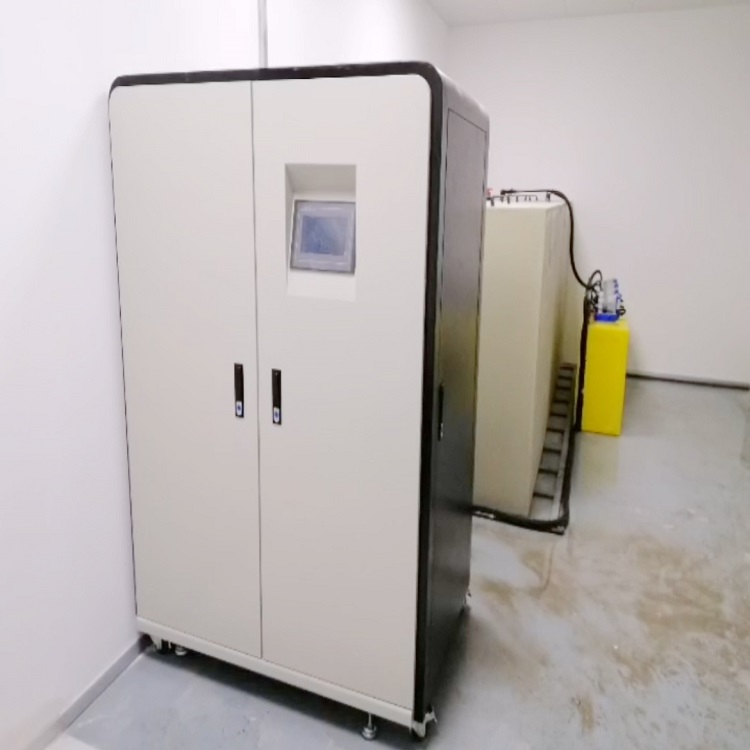
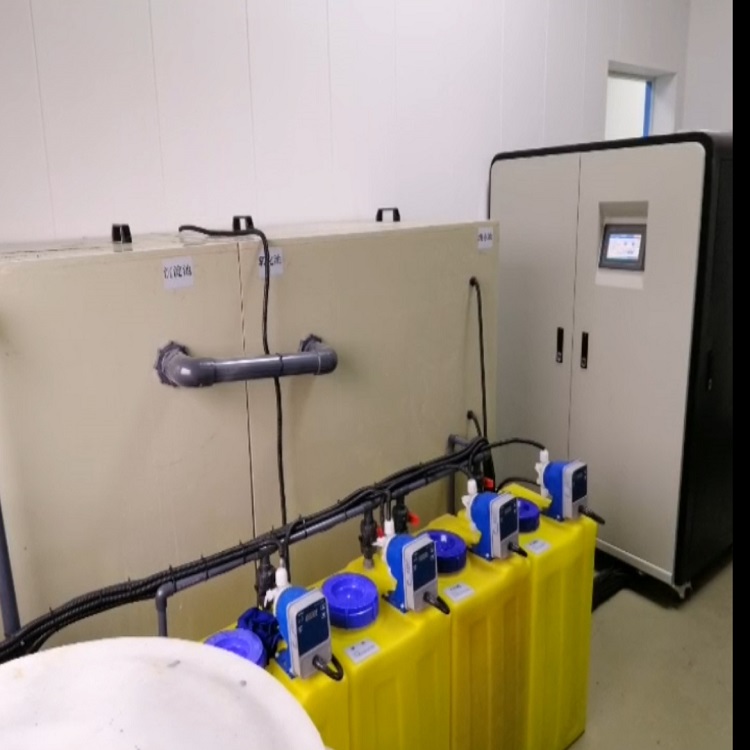
Features of Laboratory Wastewater Treatment Equipment:
Technologically advanced, fully automatic operation, minimal land footprint, easy and convenient operation, no need for human supervision.
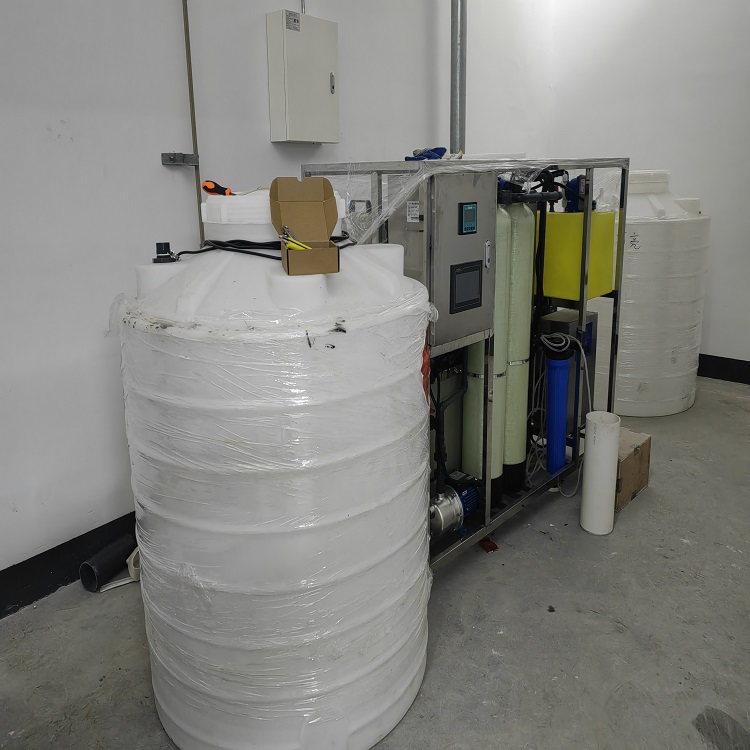
Middle School Laboratory Wastewater Treatment Equipment, Integrated Laboratory Sewage Treatment Equipment
Features of Laboratory Water Treatment Equipment:
1. Capable of denitrification and phosphorus removal, the equipment can be adjusted to meet the treatment requirements for industrial wastewater, domestic wastewater, and urban wastewater.
2. The equipment has strong impact load resistance, with an average residence time in the contact oxidation process exceeding 6 hours.
3. The equipment produces stable effluent quality with minimal sludge output and easy handling.
4. The oxidation pond is equipped with an aeration system for blowing air, which allows the fibers to continuously float and ensures even aeration. This promotes the growth and maturation of microorganisms within the tank, exhibiting characteristics of the activated sludge process.
5. Water treatment equipment can be placed above ground or buried underground. This reduces the land area required, conserving land usage. When buried, the top can be covered with greenery.
6. The equipment, in addition to utilizing conventional silencing measures like mufflers, also features a new type of sound-absorbing material installed on the interior walls of the blower room, enabling the operating noise to be below 50 decibels, thereby reducing its impact on the surrounding environment.
7. Submersible pumps can be installed within the equipment, saving costs.
8. Simple and convenient to operate, labor-saving, available for manual or automatic operation.


