



- AllProduct Category
-
Lab Wastewater Treatment Equipment
Lab Wastewater Treatment Equipment
Ultra-Pure Water Equipment
Membrane Separation Equipment
Pure Water Equipment
Low-Temperature Evaporator
Ultra-Pure Water System
Integrated Wastewater Treatment Equipment
Reverse Osmosis Equipment
Pure Water Equipment
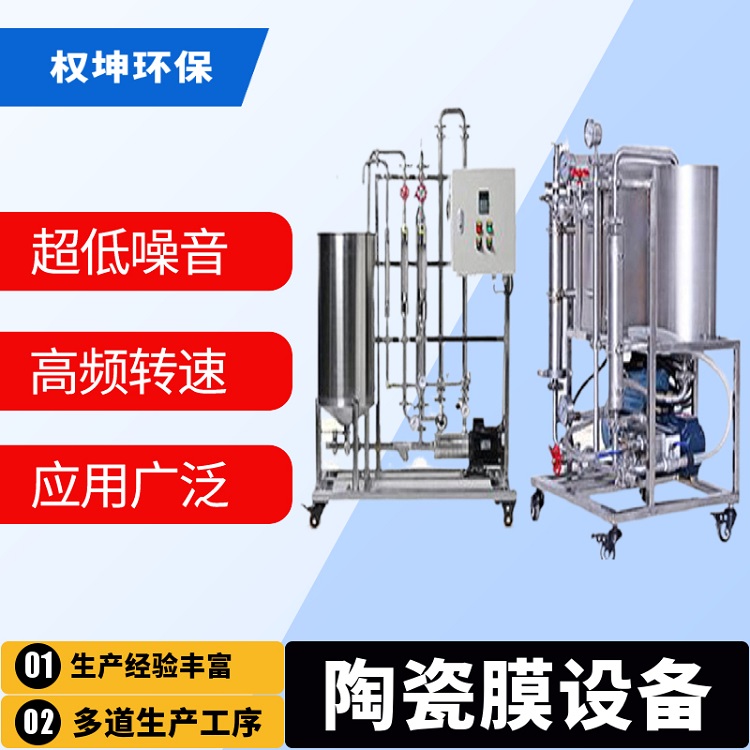
Ceramic Membrane Equipment



Recommended Products
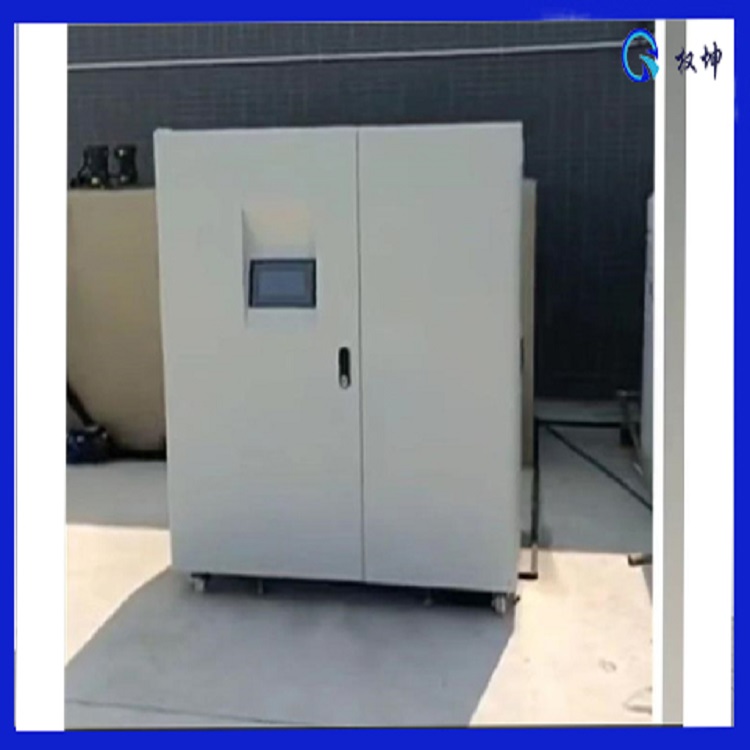
Quan Kun - Comprehensive Laboratory Waste Water Treatment Equipment - Remote Monitoring - Automated Control
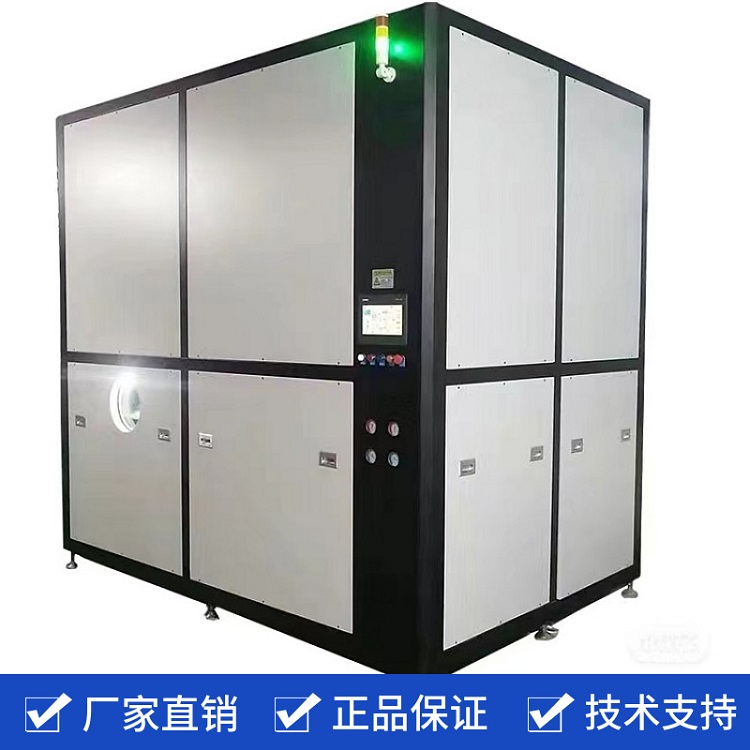
Sodium Chloride Wastewater Low-Temperature Evaporator - Intelligent Automatic - Quankun - Integrated Design
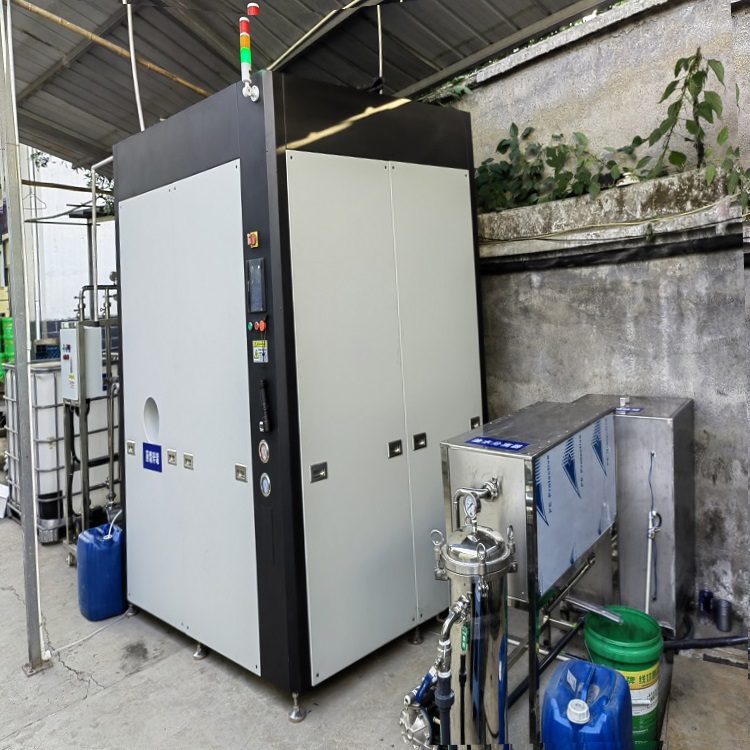
High-Concentration Oil Emulsion Waste Water Treatment Equipment - Quankun - Evaporator Unit - High Concentration Ratio
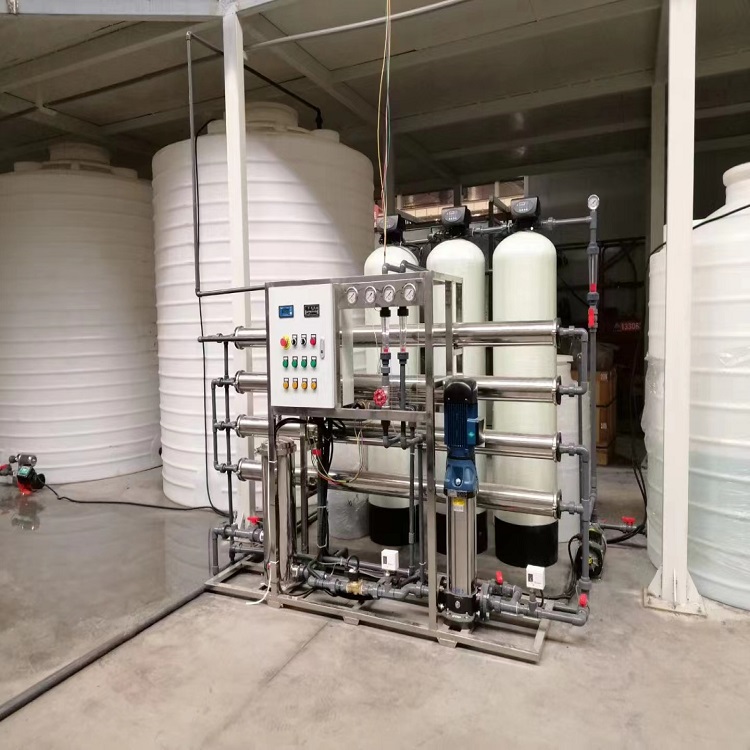
Industrial Pure Water Equipment EDI Ultra-Pure Water System Fully Automatic Control Quankun Environmental Protection
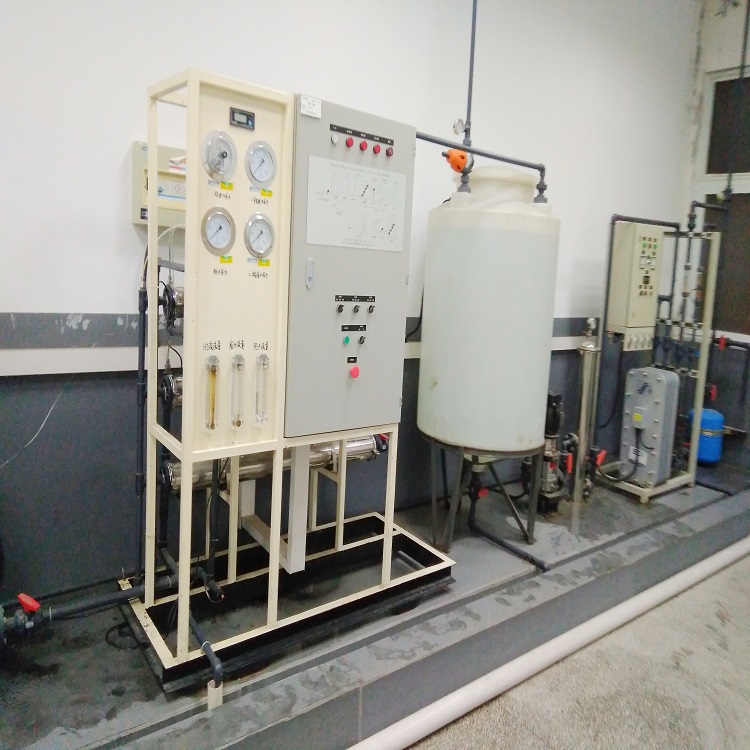
Shenzhen Industrial Ultra-Pure Water Equipment, equipped with EDI system, features low energy consumption and high degree of automation.
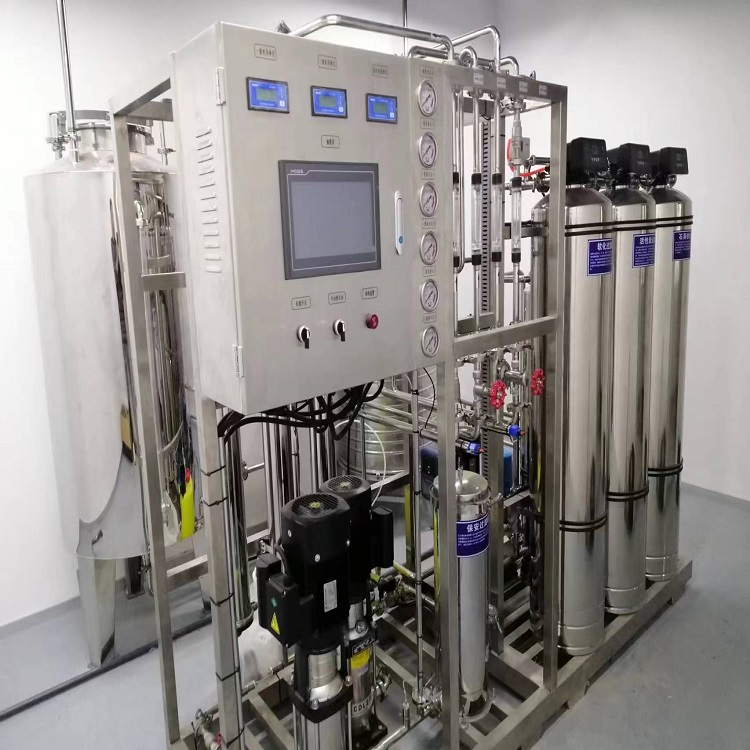
Shanghai industrial pure water production equipment reverse osmosis filtration system with high yield and customizable options, Quankun brand.
详情描述
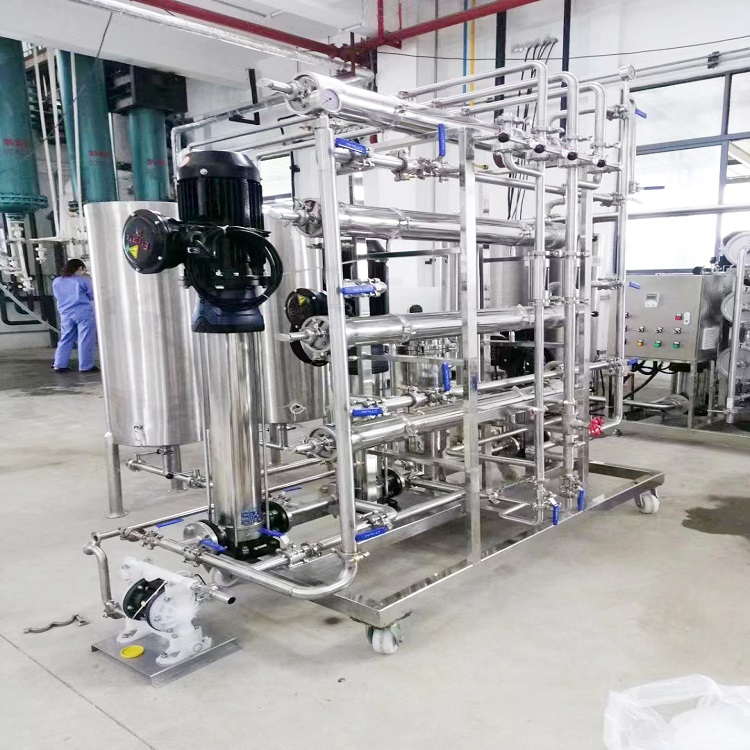
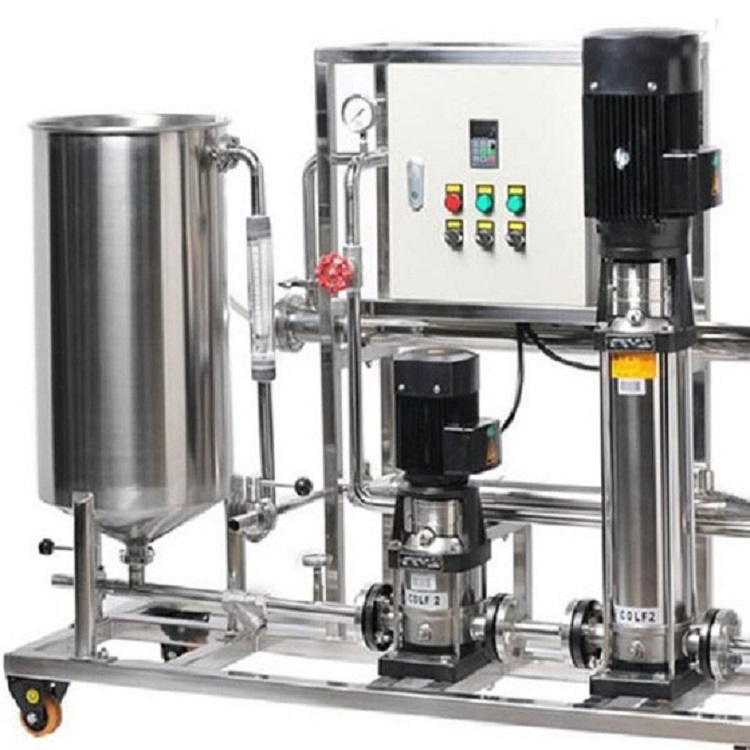
Quankun Nanofiltration Membrane Desalination Equipment - Laboratory Membrane Separation Equipment - Sanitary Grade Stainless Steel Material
Nanofiltration is a pressure-driven membrane separation process that falls between reverse osmosis and ultrafiltration, with the pore size of the nanofiltration membranes ranging around several nanometers. Compared to other pressure-driven membrane separation processes, it emerged later. Its origins can be traced back to the late 1970s with the research on the NS-300 membrane by J.E. Cadotte. Afterward, nanofiltration developed rapidly, and membrane modules were commercialized in the mid-1980s. Most nanofiltration membranes are derived from reverse osmosis membranes, such as CA, CTA membranes, aromatic polyamide composite membranes, and sulfonated polyether sulfone membranes, etc.
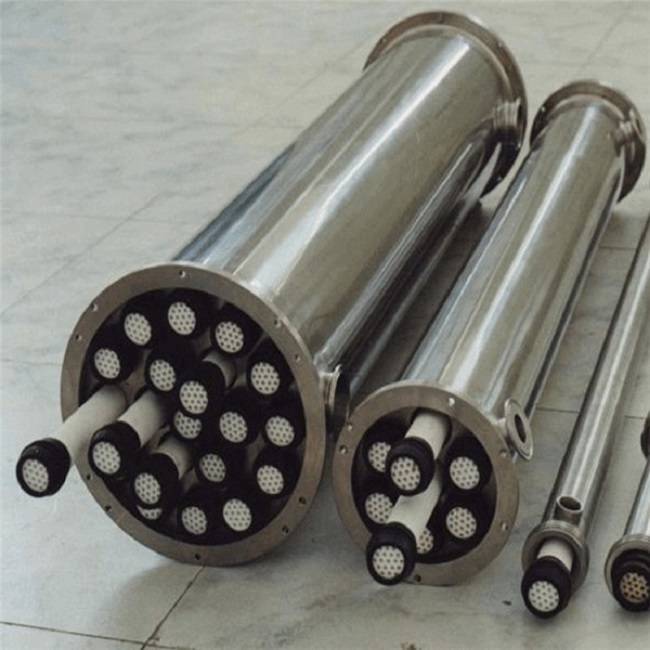
Nanofiltration (NF) is used to separate substances with a lower molecular weight from solvents, such as inorganic salts or small molecular organic compounds like tutao tang and sucrose. Also known as low-pressure reverse osmosis, NF is an emerging field in membrane separation technology, with separation performance between reverse osmosis and ultrafiltration. It allows certain inorganic salts and some solvents to pass through the membrane, achieving the separation effect.
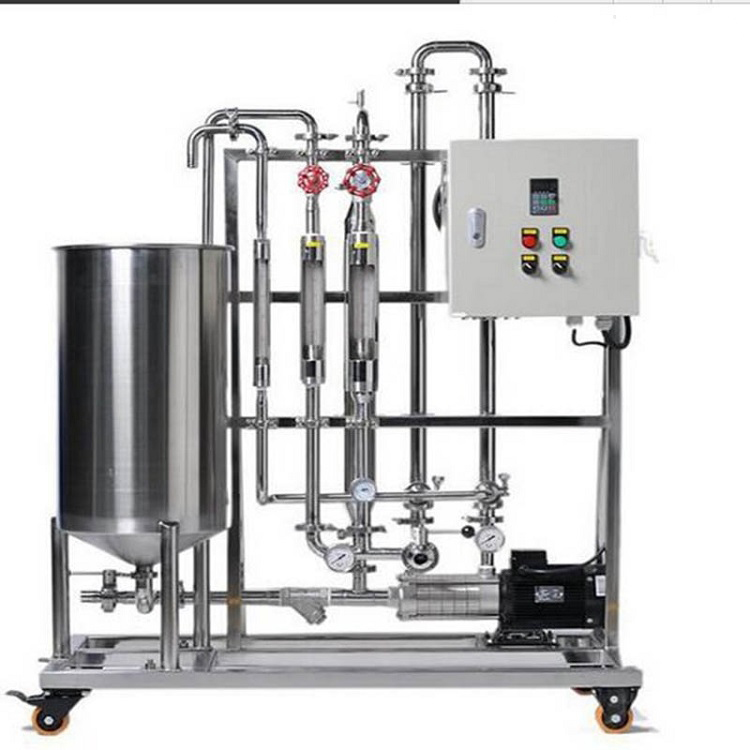
Reverse Osmosis Principle:
Nanofiltration membranes are charged, capable of electrostatic adsorption. When producing water under the same water quality and environmental conditions, the pressure required by nanofiltration membranes is less than that needed for reverse osmosis membranes. Therefore, from the perspective of separation principles, nanofiltration shares similarities with reverse osmosis yet has distinct differences. The pore size and surface characteristics of nanofiltration membranes determine their unique properties, exhibiting different Donnan potentials for ions of different charges and valences. The separation mechanism involves both sieving and dissolution diffusion, along with charge repulsion effects, effectively removing divalent and multivalent ions, substances with molecular weights over 200, and partially removing univalent ions and substances with molecular weights under 200. The separation performance of nanofiltration membranes is significantly superior to ultrafiltration and microfiltration, and compared to reverse osmosis membranes, it offers the advantages of partial removal of univalent ions, lower osmotic pressure, lower operating pressure, and energy savings.
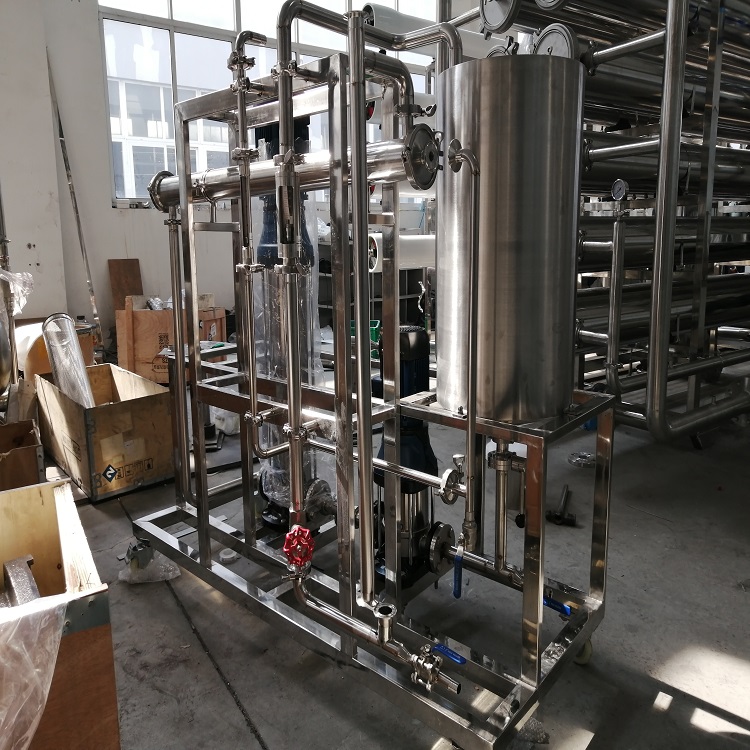
Nanofiltration membranes possess excellent properties such as thermal stability, resistance to acids and alkalis, and solvent resistance. They play an invaluable role in the recovery of valuable substances from wastewater and are widely used in the treatment and recovery of various organic wastewater. This includes the treatment of pesticide wastewater, desalination of whey and kangjusu, metal recovery from electroplating wastewater, and the treatment of various petrochemical wastewater. In water treatment, nanofiltration membranes are primarily used to produce softened water and pure drinking water, effectively removing color, hardness, and odor from the water.
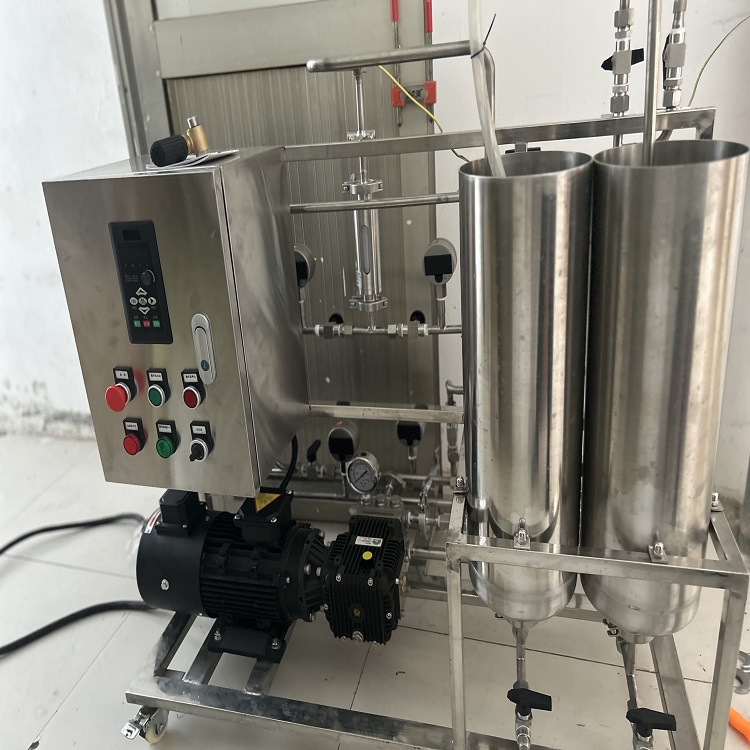
Quankun NF Membrane Desalination Equipment - Lab Membrane Separation Equipment - Sanitary Grade Stainless Steel Material
Advantages and Features:
1. Utilizes crossflow technology, less prone to clog, and has strong anti-pollution capabilities.
2. Uniform bore distribution, high separation accuracy, and stable filtration.
3. No auxiliary filter agent required; system operates stably.
4. Acid and alkali resistant, easy to operate, and excellent regeneration performance.
5. Long lifespan, comprehensive low equipment cost, and high cost-performance ratio.


