



- AllProduct Category
-
Lab Wastewater Treatment Equipment
Lab Wastewater Treatment Equipment
Ultra-Pure Water Equipment
Membrane Separation Equipment
Pure Water Equipment
Low-Temperature Evaporator
Ultra-Pure Water System
Integrated Wastewater Treatment Equipment
Reverse Osmosis Equipment
Pure Water Equipment
Ceramic Membrane Equipment



Recommended Products
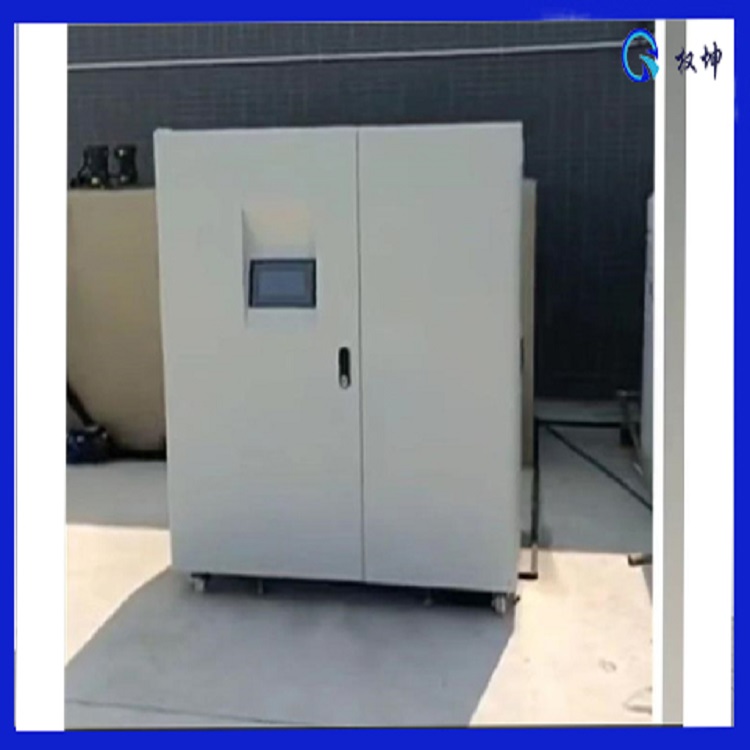
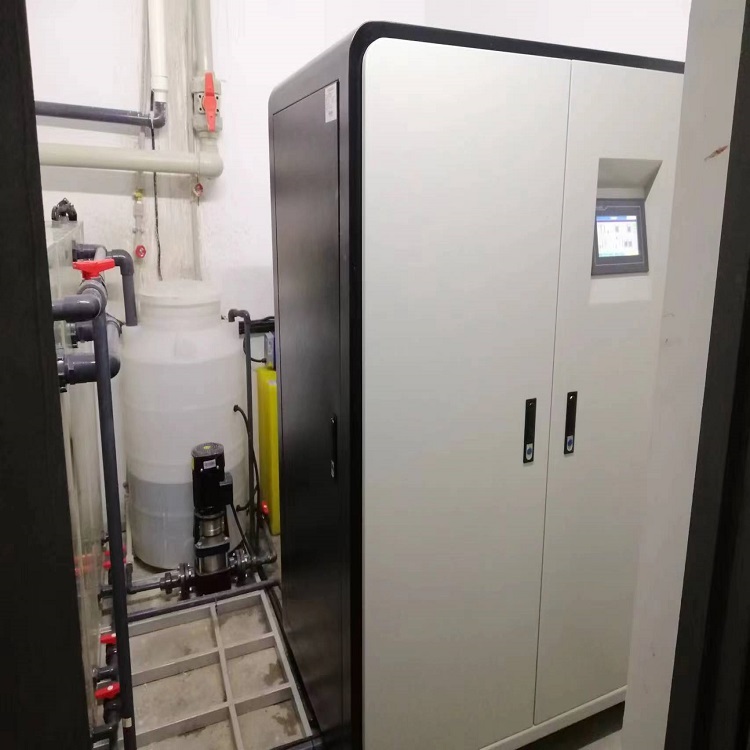
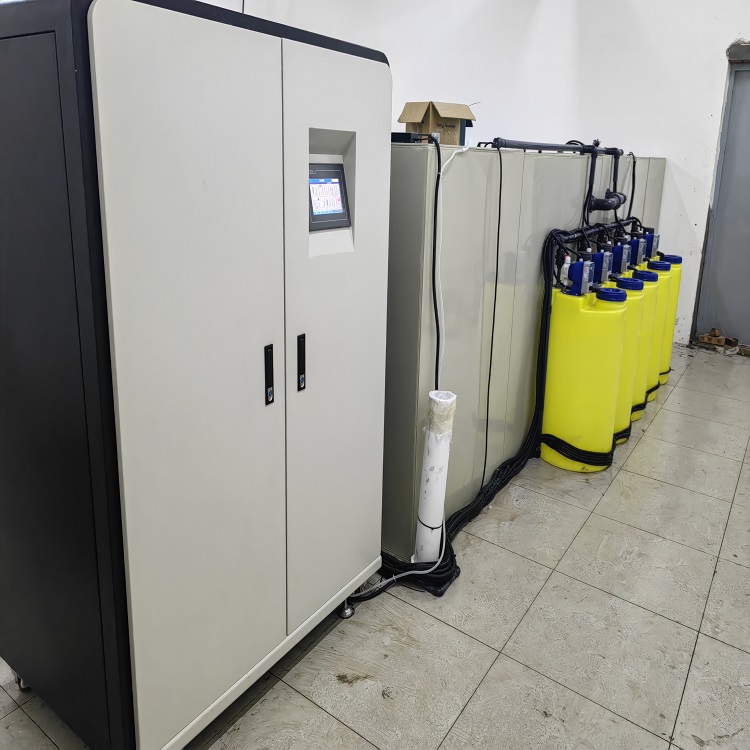
Quan Kun - Comprehensive Laboratory Waste Water Treatment Equipment - Remote Monitoring - Automated Control
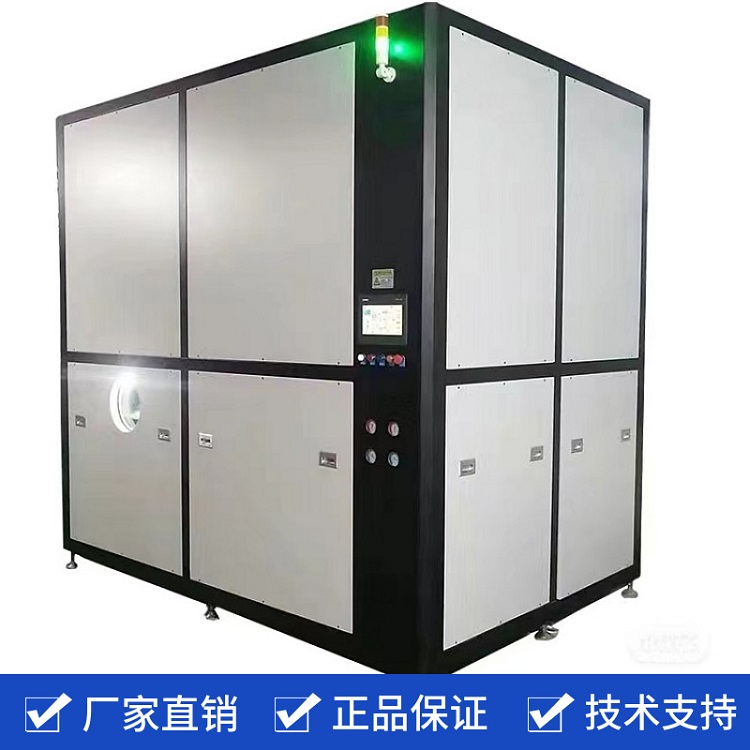
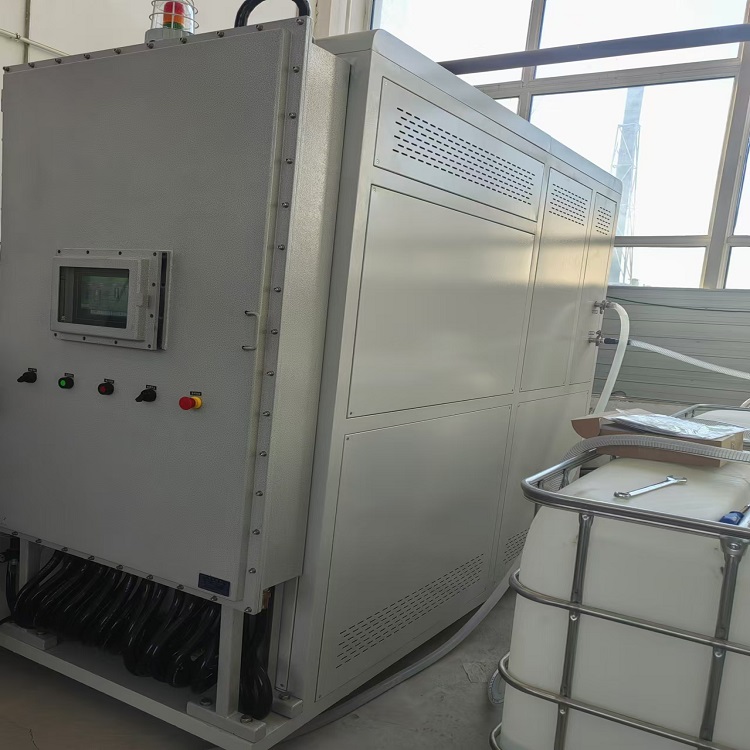
Sodium Chloride Wastewater Low-Temperature Evaporator - Intelligent Automatic - Quankun - Integrated Design
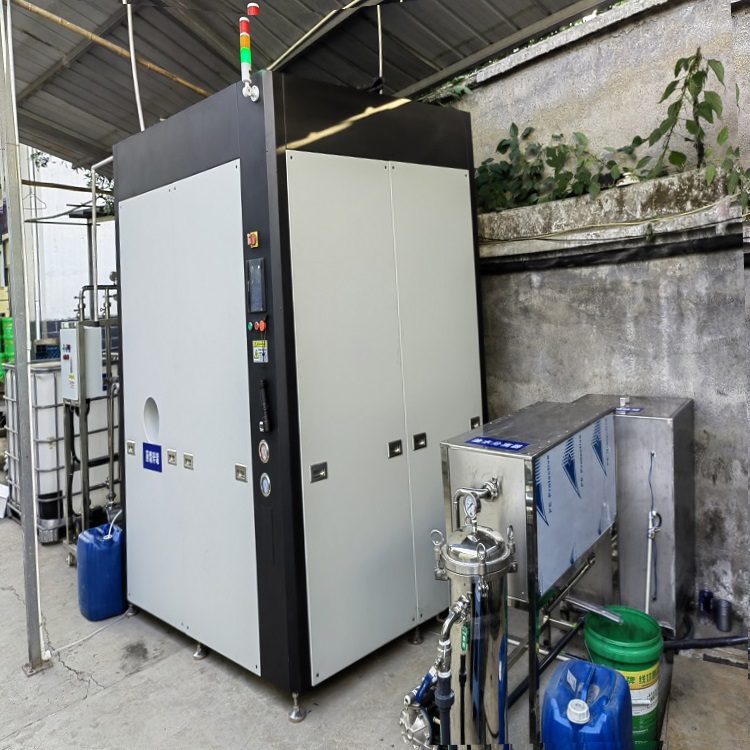
High-Concentration Oil Emulsion Waste Water Treatment Equipment - Quankun - Evaporator Unit - High Concentration Ratio
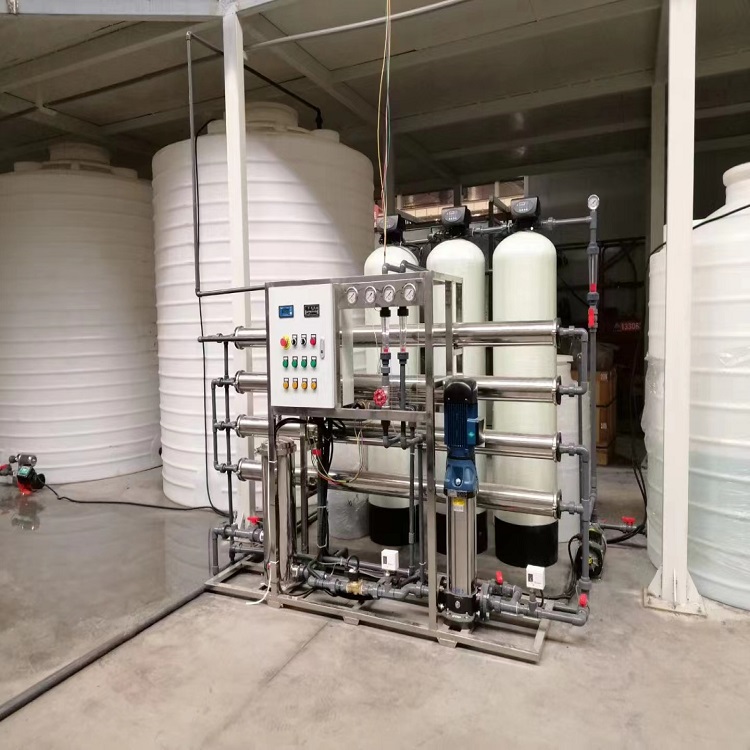
Industrial Pure Water Equipment EDI Ultra-Pure Water System Fully Automatic Control Quankun Environmental Protection
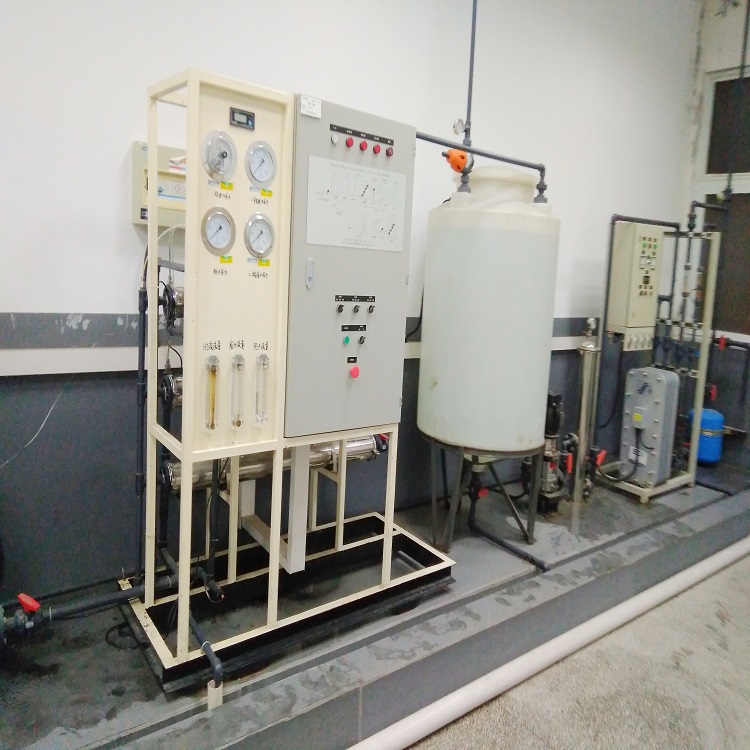
Shenzhen Industrial Ultra-Pure Water Equipment, equipped with EDI system, features low energy consumption and high degree of automation.
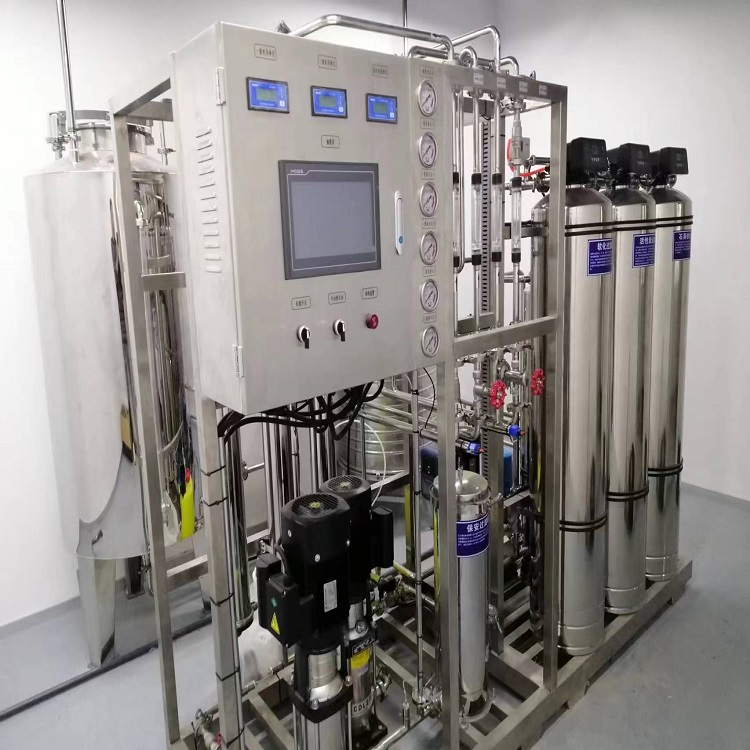
Shanghai industrial pure water production equipment reverse osmosis filtration system with high yield and customizable options, Quankun brand.
详情描述
Tianjin Research Institute Laboratory Sewage Treatment Equipment, Sewage Auxiliary Equipment, Quankun, Customization Supported
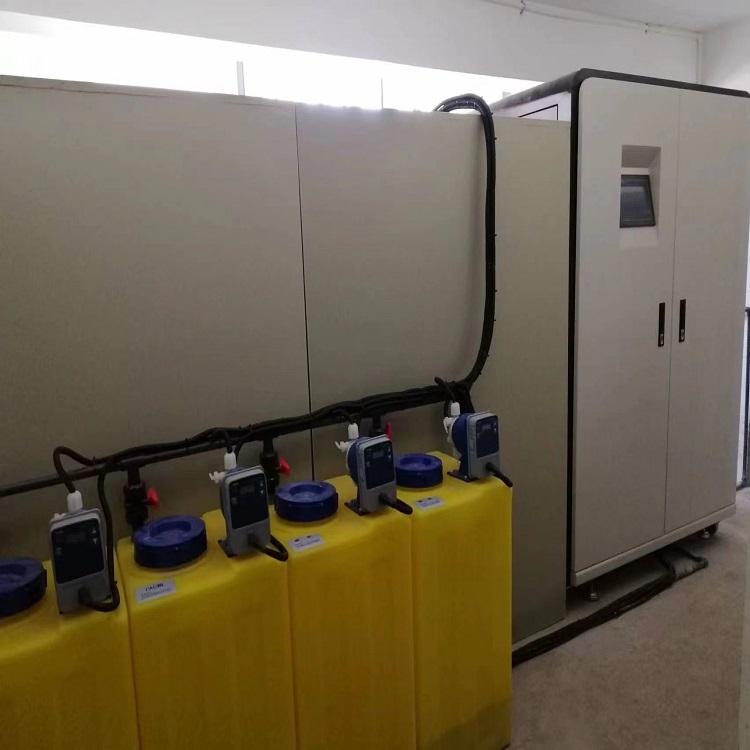
Laboratory wastewater treatment equipment is a state-of-the-art system featuring high automation, excellent treatment results, minimal land footprint, simple operation and management, and does not require constant supervision. It is specifically designed for comprehensive wastewater treatment in laboratories across various industries both domestically and internationally. Highly praised by users, it is widely used in research institutions, universities, environmental monitoring, product inspection, food and drug inspection, entry-exit quarantine inspection, disease control centers, geological and mining testing centers, analytical testing centers, water resource monitoring, and grain and oil quality inspection.
Based on the nature of the main pollutants in wastewater, it can be divided into two major categories: laboratory organic and inorganic wastewater. Inorganic wastewater primarily contains heavy metals, metal complexes, acids and bases, cyanides, sulfides, halide ions, and other inorganic ions. Organic wastewater includes common organic solvents, organic acids, ethers, organic phosphorus compounds, phenols, petroleum products, and fatty substances. Compared to inorganic wastewater, organic wastewater has a broader range of pollution and poses more severe hazards. Different types of wastewater have varying compositions of pollutants, and thus, their treatment methods and extents differ. The treatment of laboratory wastewater adheres to the principles of classified collection, on-site and timely in-situ treatment, simple operation, waste-to-waste management, and cost reduction.
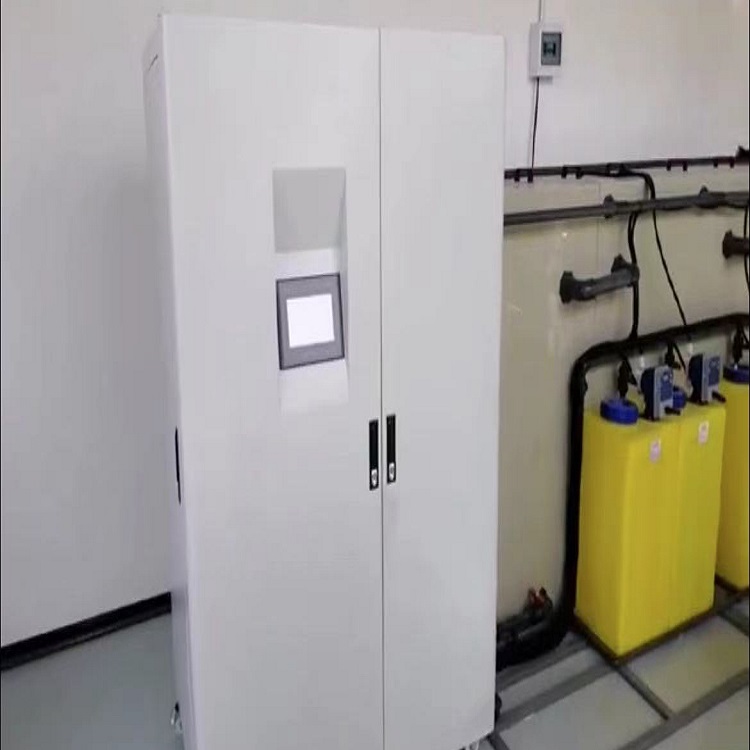
Wastewater Treatment Process for Laboratories:
The laboratory's waste water is first collected by the collection system and then enters the equalization pond to adjust water volume and homogenize water quality. Once the water level in the equalization pond reaches a certain height, it is quantitatively lifted by a booster pump to the integrated laboratory wastewater treatment equipment.
In an integrated wastewater treatment system, the wastewater first enters the acid-base neutralization adjustment system. Here, acid-base neutralization is achieved through a pH controller, using a metering pump to accurately add a certain amount of NaOH solution to adjust the pH value to between 8 and 9. Under alkaline conditions, the acid in the wastewater is neutralized. If the wastewater contains heavy metal ions such as iron, cadmium, copper, manganese, nickel, lead, and chromium, they can react with OH- to form hydroxide precipitates.
The effluent from the acid-base neutralization pond then flows into the flocculation and sedimentation pond. The sediment produced after the acid-base neutralization, as well as other suspended solids in the wastewater, are separated from the water through the differential flow between the sludge and water in the sedimentation pond.
Wastewater from the sedimentation basin flows into a multi-media filter. Fine suspended particles, trace amounts of metals, and minimal organic substances that were not removed in the previous stage are then eliminated. Some are removed through the physical and chemical actions of absorption and retention by the quartz sand in the school's laboratory wastewater treatment equipment and activated carbon with a vast pore structure and high surface area. Others are degraded and removed by anaerobic, aerobic, and facultative microorganisms in the biofilm attached to the activated carbon. The process of activated carbon adsorption and the subsequent microbial degradation and desorption alternate and recycle. After this, the wastewater meets the standard for discharge.
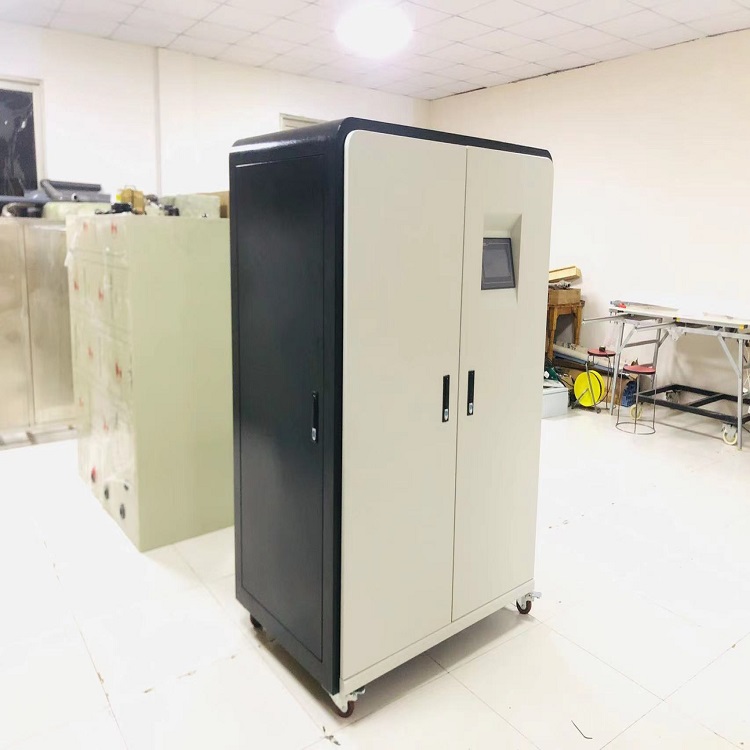
The process steps for laboratory wastewater treatment equipment typically include four stages: pretreatment, chemical treatment, biological treatment, and advanced treatment. The pretreatment stage mainly involves collection, homogenization, and screen filtration to remove large particles and suspended solids from the wastewater. The chemical treatment stage removes harmful substances from the wastewater through methods such as coagulation and sedimentation, and heavy metal capture. The biological treatment stage utilizes the metabolic action of microorganisms to degrade organic matter, further purifying the water quality. The advanced treatment stage removes fine suspended particles, bacteria, and viruses through multi-stage filtration and activated carbon adsorption, ensuring the effluent meets quality standards.
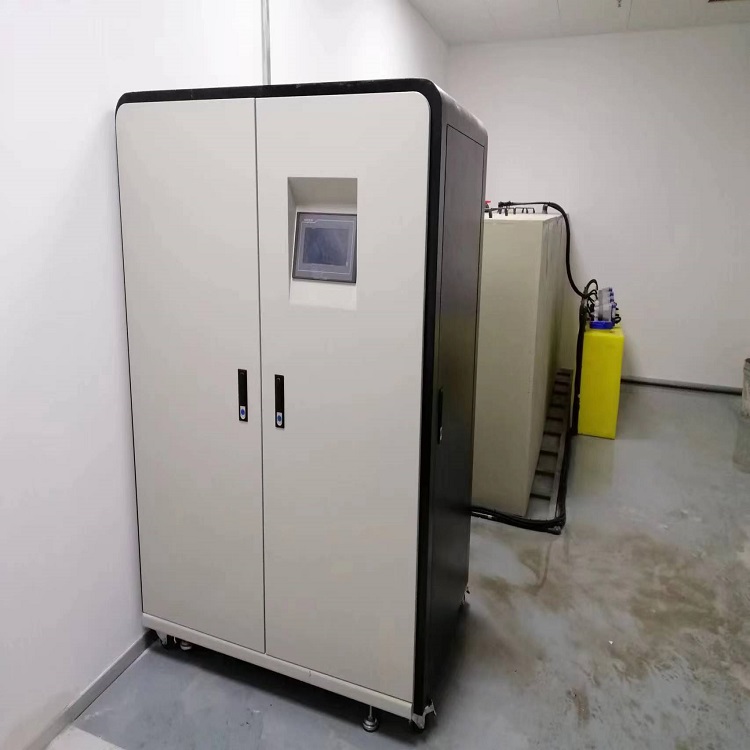
Tianjin Research Institute Laboratory Wastewater Treatment Equipment, Wastewater Auxiliary Equipment, Quankun, Customization Supported
Features of Laboratory Water Treatment Equipment:
1. Capable of denitrification and phosphorus removal, it can meet the requirements for treating industrial wastewater, domestic wastewater, and urban wastewater by adjusting the structure of the equipment.
2. The equipment has strong impact load resistance, with an average residence time of over 6 hours in the contact oxidation process.
3. The equipment ensures stable water quality output with minimal sludge production, which is easy to handle.
4. The contact oxidation tank is equipped with an aeration blower for aeration, which keeps the fibers continuously floating and evenly aerated, allowing the microorganisms inside the tank to grow and mature, exhibiting characteristics of the activated sludge process.
5. Water treatment equipment can be placed above ground or buried underground. Reduces land occupation and saves on land usage. When buried, the top can be covered with greenery.
6. The equipment not only employs conventional silencing measures with blowers but also incorporates new sound-absorbing materials on the interior walls of the blower room, ensuring that the operational noise is below 50 decibels, thereby minimizing the impact on the surrounding environment.
7. Submersible pumps can be installed within the equipment, saving costs.
8. Simple and convenient operation, saving labor, manual or automatic operation available.


