




- AllProduct Category
-
Lab Wastewater Treatment Equipment
Lab Wastewater Treatment Equipment
Ultra-Pure Water Equipment
Membrane Separation Equipment
Pure Water Equipment
Low-Temperature Evaporator
Ultra-Pure Water System
Integrated Wastewater Treatment Equipment
Reverse Osmosis Equipment
Pure Water Equipment
Ceramic Membrane Equipment



Recommended Products
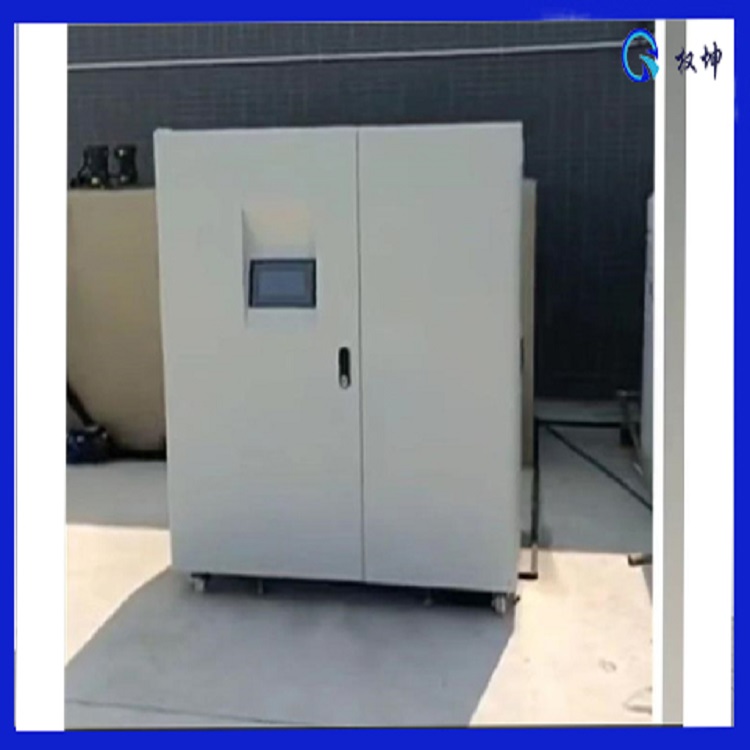
Quan Kun - Comprehensive Laboratory Waste Water Treatment Equipment - Remote Monitoring - Automated Control
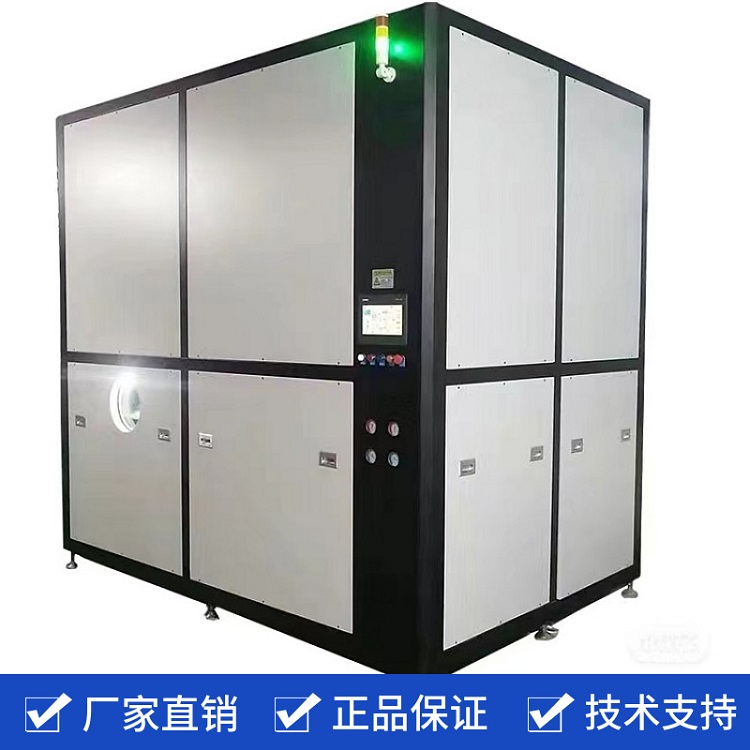
Sodium Chloride Wastewater Low-Temperature Evaporator - Intelligent Automatic - Quankun - Integrated Design
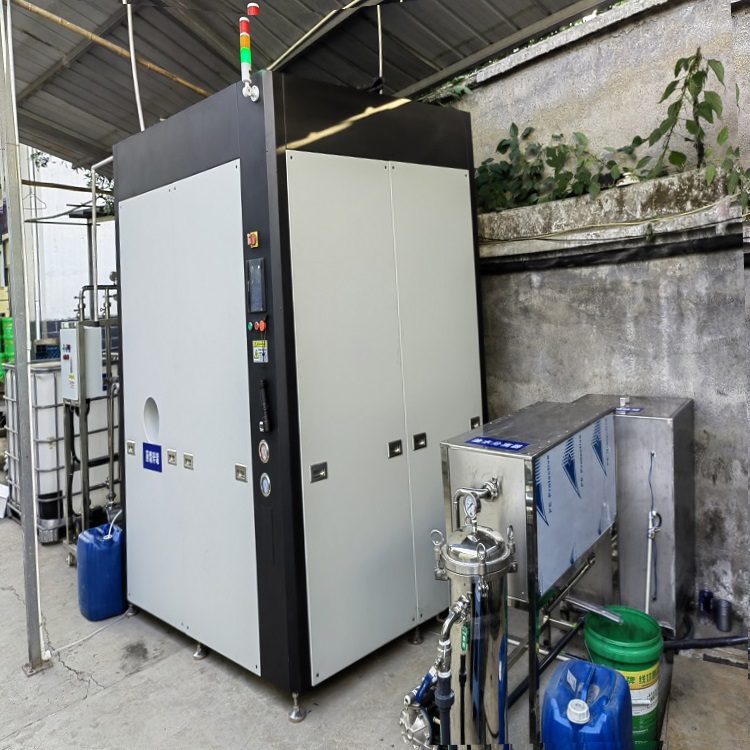
High-Concentration Oil Emulsion Waste Water Treatment Equipment - Quankun - Evaporator Unit - High Concentration Ratio
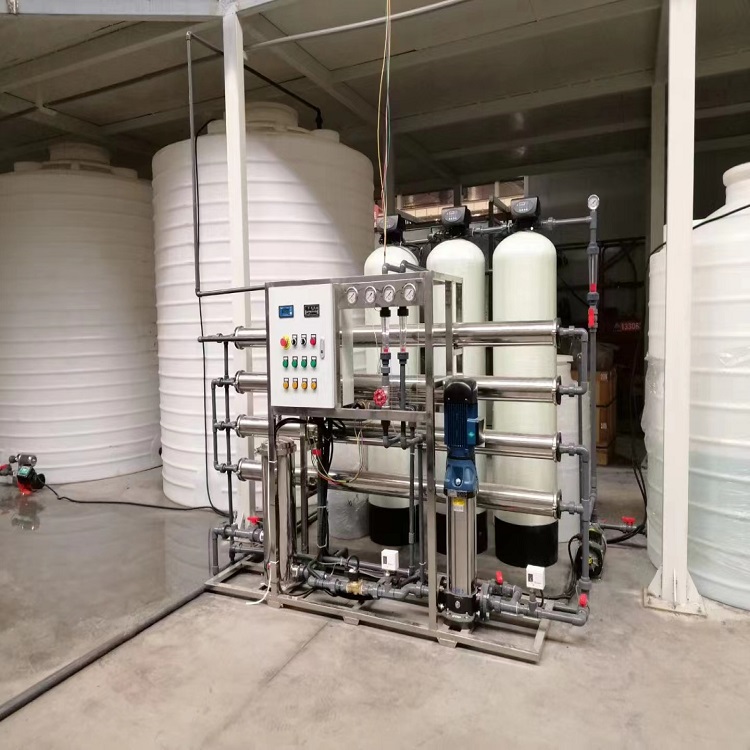
Industrial Pure Water Equipment EDI Ultra-Pure Water System Fully Automatic Control Quankun Environmental Protection
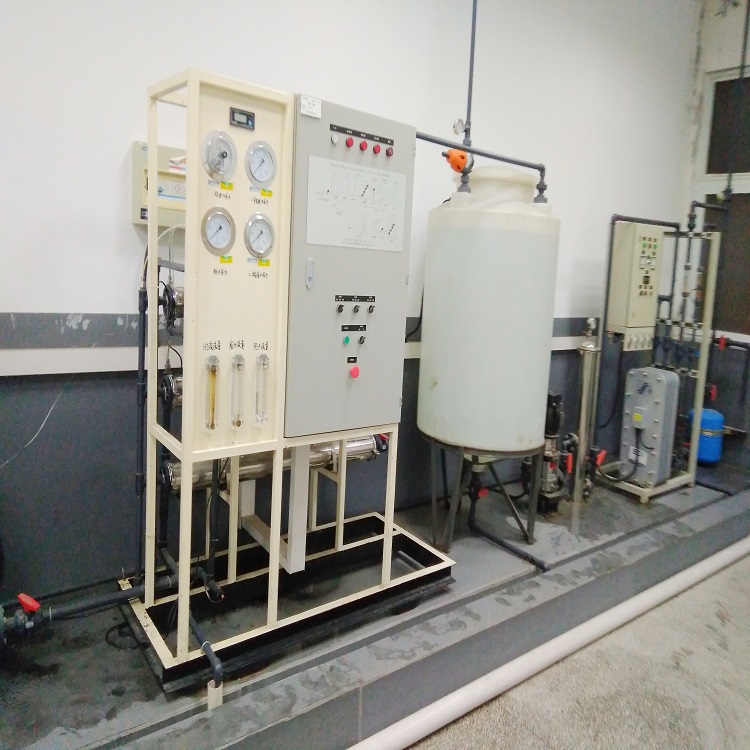
Shenzhen Industrial Ultra-Pure Water Equipment, equipped with EDI system, features low energy consumption and high degree of automation.
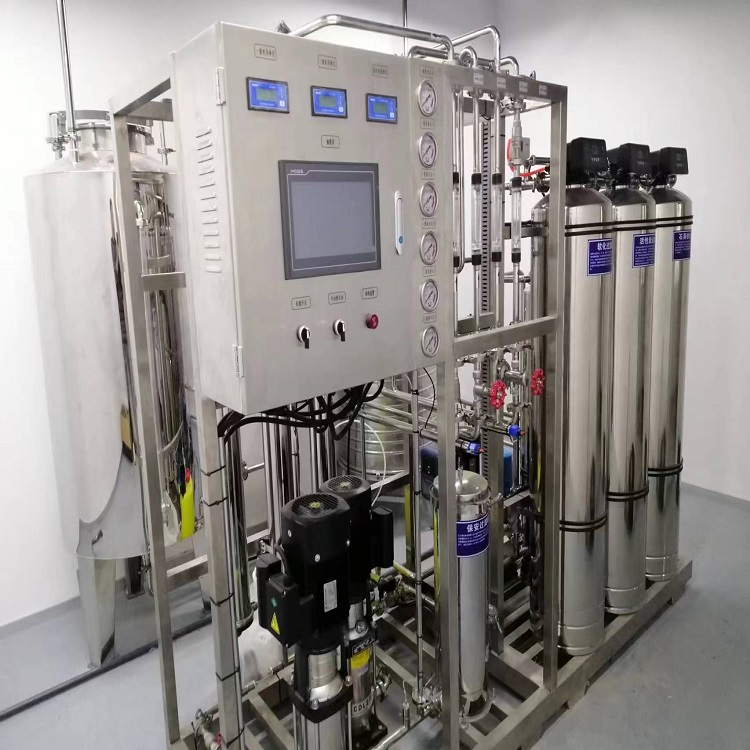
Shanghai industrial pure water production equipment reverse osmosis filtration system with high yield and customizable options, Quankun brand.
详情描述
Subsurface Sewage Treatment System, Waste Water Treatment Equipment for Biopharmaceutical Labs, High Level of Automation
The process steps of laboratory wastewater treatment equipment typically include four stages: pretreatment, chemical treatment, biological treatment, and advanced treatment. The pretreatment phase primarily focuses on collection, homogenization, and screen filtering to remove large particles and suspended solids from the wastewater. The chemical treatment phase eliminates harmful substances from the wastewater through methods such as coagulation and sedimentation, and heavy metal capture. The biological treatment phase utilizes the metabolic action of microorganisms to degrade organic matter, further purifying the water quality. The advanced treatment phase removes minute suspended solids, bacteria, and viruses through multi-stage filtration and activated carbon adsorption, ensuring that the effluent water quality meets standards.
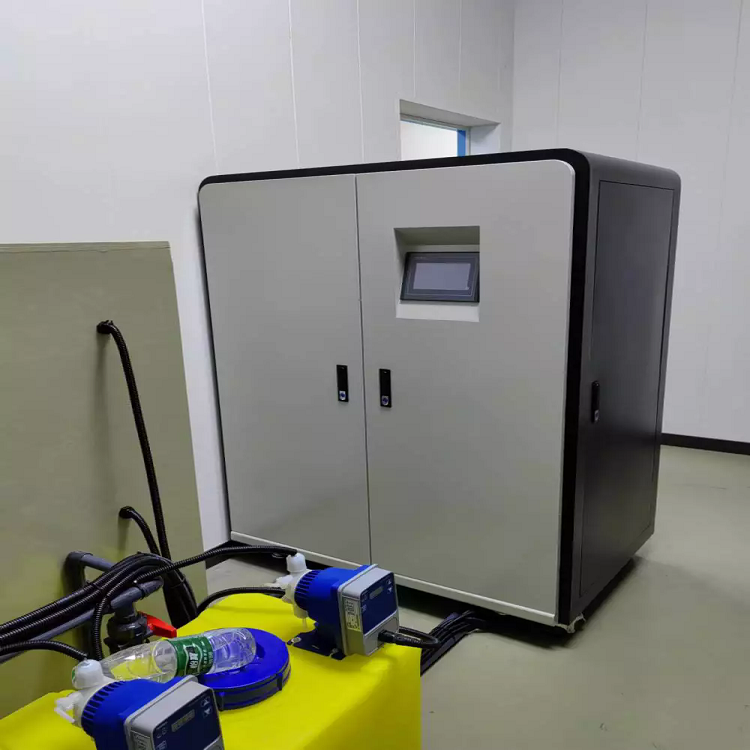
Based on the characteristics and treatment requirements of laboratory wastewater, small wastewater treatment units can be categorized into the following types:
Integrated Treatment Unit: Combines physical, chemical, and biological treatment modules, featuring a compact design suitable for treating small volumes of wastewater with complex compositions.
Membrane separation technology devices, such as ultrafiltration, nanofiltration, and reverse osmosis, effectively remove dissolved solids, bacteria, viruses, and more from wastewater, suitable for applications with stringent water quality requirements.
Electrochemical Treatment Unit: Utilizing electrolysis principles, it removes pollutants from wastewater through oxidation-reduction reactions, particularly suitable for treating wastewater containing heavy metal ions.
Aquatic Plant Purification System: Utilizes the absorption, adsorption, and degradation capabilities of aquatic plants to treat wastewater, suitable for low-concentration organic wastewater and serves the dual purpose of environmental beautification.
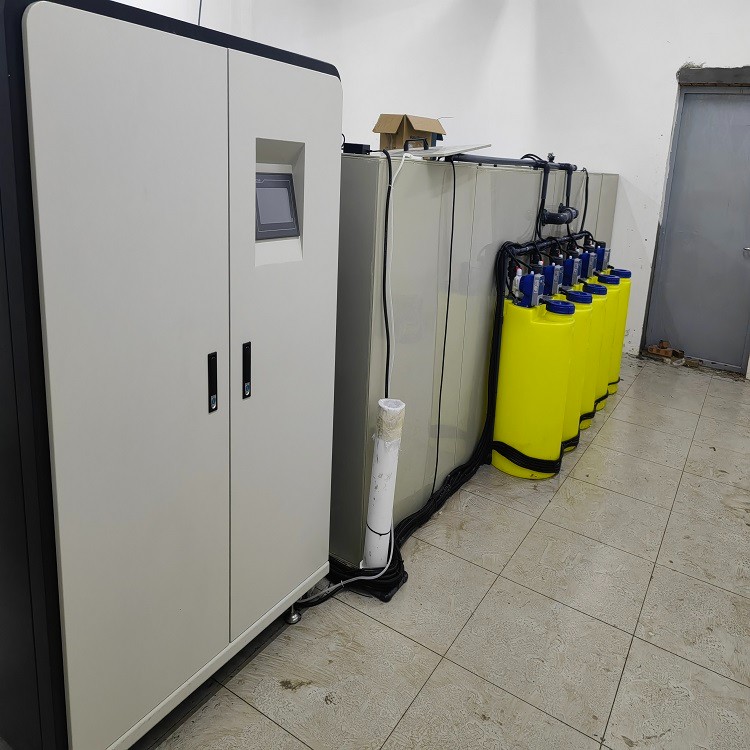
Laboratory Wastewater Treatment Equipment Features:
1. Broadly applicable, adaptable to comprehensive waste liquid treatment in various laboratories
2. Utilize multiple advanced technologies for multi-stage treatment and purification of wastewater, meeting discharge standards.
3. Centralized control at the midpoint, high level of automation, easy to operate, fully automatic operation, no need for dedicated personnel on duty.
4. Automatic leak and electric shock protection, high and low voltage automatic protection, no wastewater protection, and liquid level protection for storage tanks.
5. Modular integrated technology with excellent processing effect, no secondary pollution like waste residue or wastewater, and low operation costs.
6. Acid and alkali corrosion-resistant, low noise, low power, and multiple safety protection features.
7. With a "one-stop" integrated design, the equipment boasts an attractive appearance, minimal land use, rapid processing speed, cost-effective investment, easy installation and relocation, high processing capacity, excellent processing results, low energy consumption, noiseless operation, no leaks, and environmental friendliness, truly achieving engineering equipment standardization. No need for multiple treatment ponds, eliminating secondary pollution such as waste, exhaust, and wastewater.
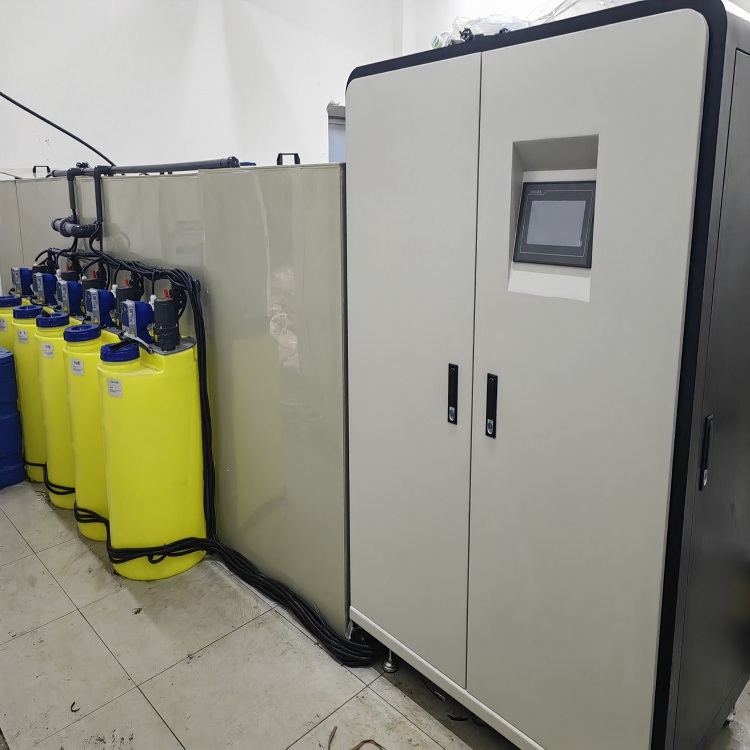
Operating Principle:
This equipment is a modular, high-efficiency biological wastewater treatment system, primarily utilizing a biofilm for purification. It maximizes the features of biofilm reactors such as anaerobic biological filters and contact oxidation beds, including high biomass density, strong tolerance to pollutants, low energy consumption, stable operation, and convenient maintenance. This makes the system highly applicable and valuable for promotion.
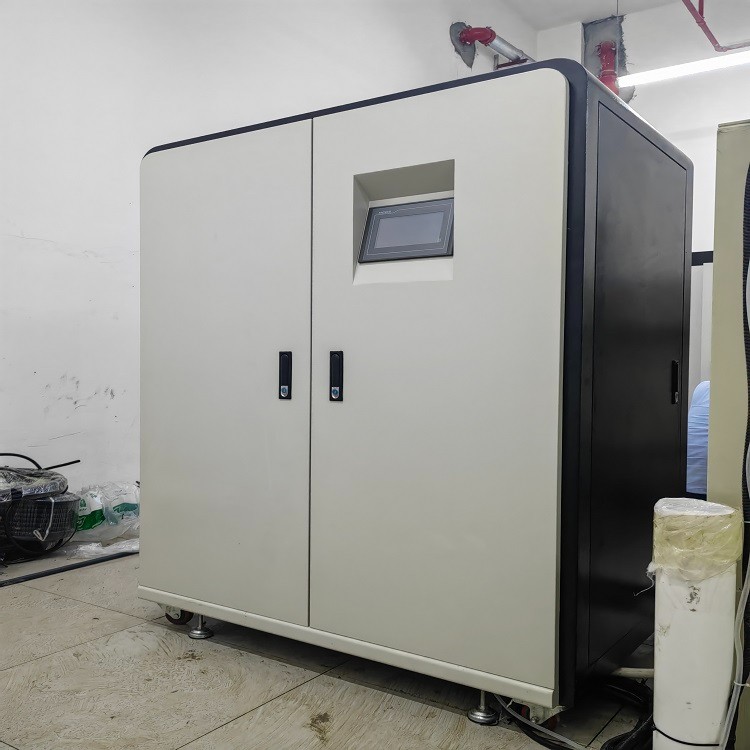
Process Features:
1. Treat various pollutants in wastewater with technologies such as neutralization and precipitation, chemical oxidation, heavy metal capture, photocatalytic reaction, micro-electrolysis, ozone oxidation, and multi-media filtration; 2. Monitor and control the water quality and treatment process of wastewater in real-time using a microcomputer program, ensuring 24/7 automatic operation without the need for constant supervision; 3. Accurately control the dosage of chemicals using a pH meter and imported metering pumps, with features like liquid level control, low-drug alarms, and automatic sludge removal; 4. Employ advanced aeration equipment for thorough gas-water contact and complete reaction; 5. Easy to operate, stable performance, long service life, and low operation and maintenance costs; 6. Takes up minimal space, can be installed indoors or outdoors as needed; 7. Tailor-made design and manufacturing to meet customers' specific requirements.
 Subsurface Sewage Treatment System, Waste Water Treatment Equipment for Biopharmaceutical Labs, High Automation Level
Key Points for Operation, Management, and Maintenance
Regular Inspections: Monitor water quality output weekly to ensure compliance with discharge standards; replace consumables like activated carbon, filter membranes, etc., on a regular basis.
2. Safe Operation: Operators must undergo training, be familiar with equipment operation procedures, and emergency response measures (such as leak handling).
3. Documentation and Reporting: Establish operational logs to record wastewater treatment volume, chemical consumption, equipment failures, etc., for traceability and improvement.
4. Emergency Response Plan: Establish rapid response measures for equipment malfunctions or exceeding emissions standards, such as activating backup equipment or temporarily storing wastewater.


