




- AllProduct Category
-
Lab Wastewater Treatment Equipment
Lab Wastewater Treatment Equipment
Ultra-Pure Water Equipment
Membrane Separation Equipment
Pure Water Equipment
Low-Temperature Evaporator
Ultra-Pure Water System
Integrated Wastewater Treatment Equipment
Reverse Osmosis Equipment
Pure Water Equipment
Ceramic Membrane Equipment



Recommended Products
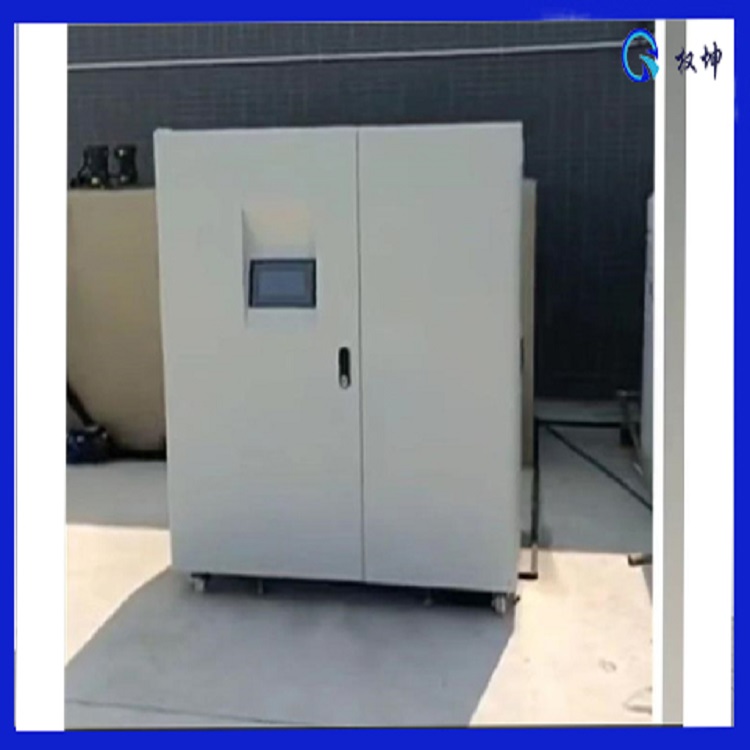
Quan Kun - Comprehensive Laboratory Waste Water Treatment Equipment - Remote Monitoring - Automated Control
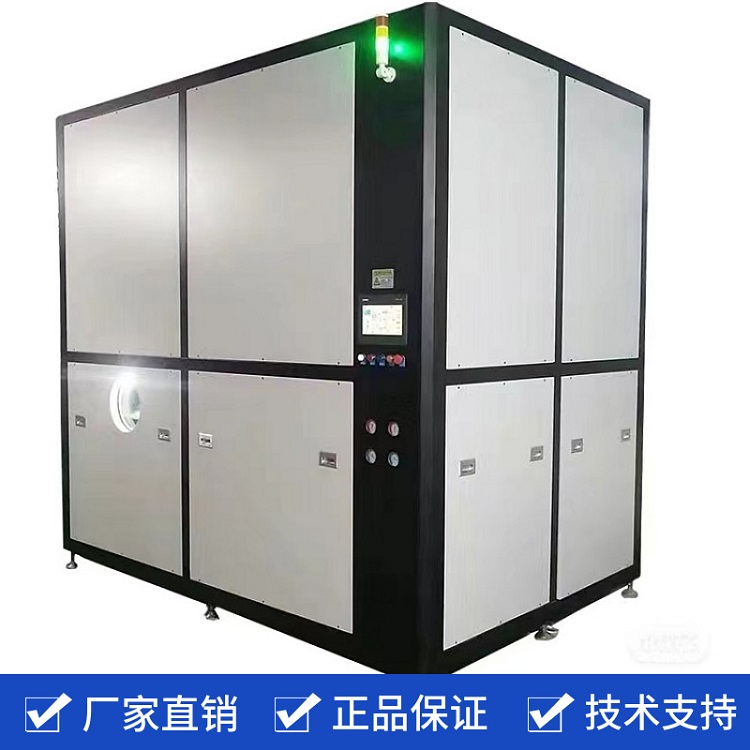
Sodium Chloride Wastewater Low-Temperature Evaporator - Intelligent Automatic - Quankun - Integrated Design
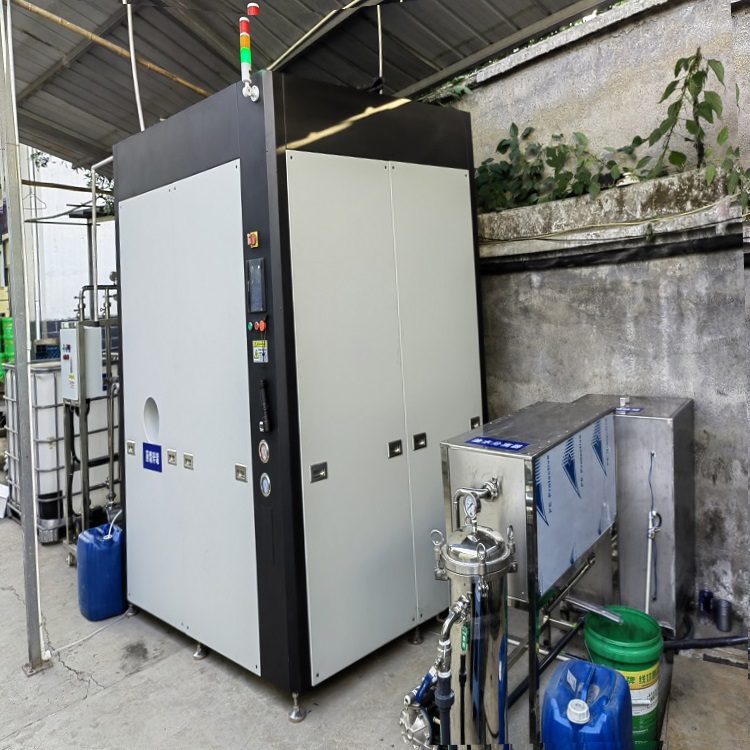
High-Concentration Oil Emulsion Waste Water Treatment Equipment - Quankun - Evaporator Unit - High Concentration Ratio
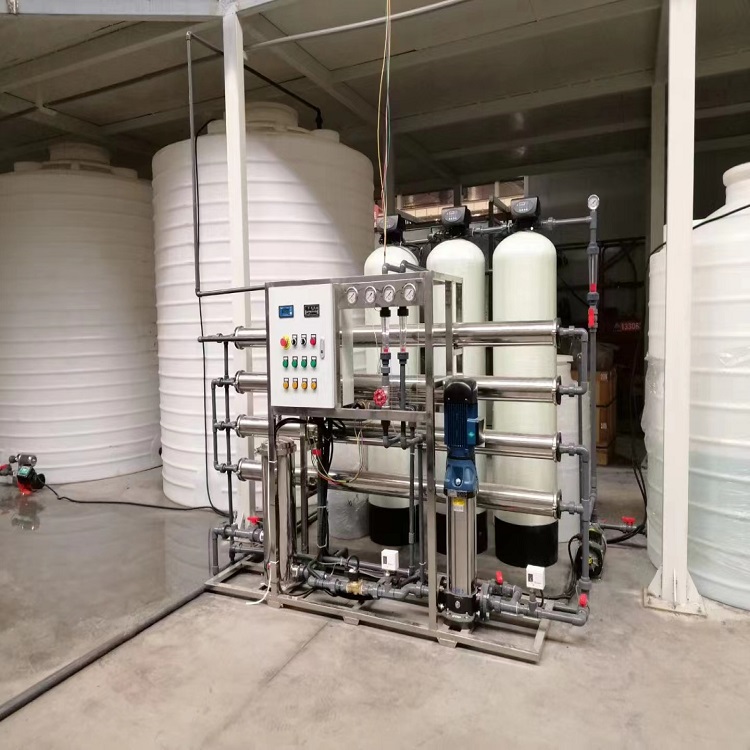
Industrial Pure Water Equipment EDI Ultra-Pure Water System Fully Automatic Control Quankun Environmental Protection
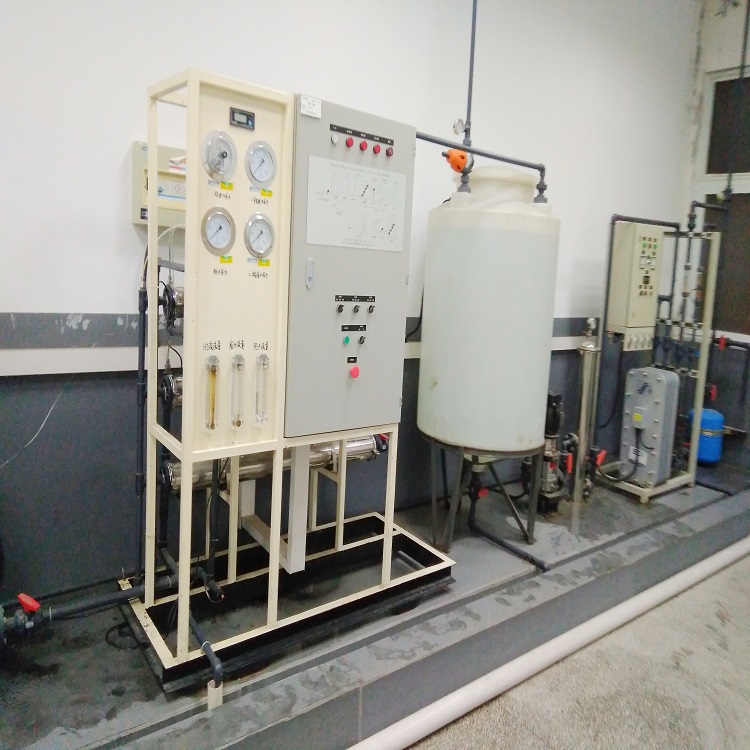
Shenzhen Industrial Ultra-Pure Water Equipment, equipped with EDI system, features low energy consumption and high degree of automation.
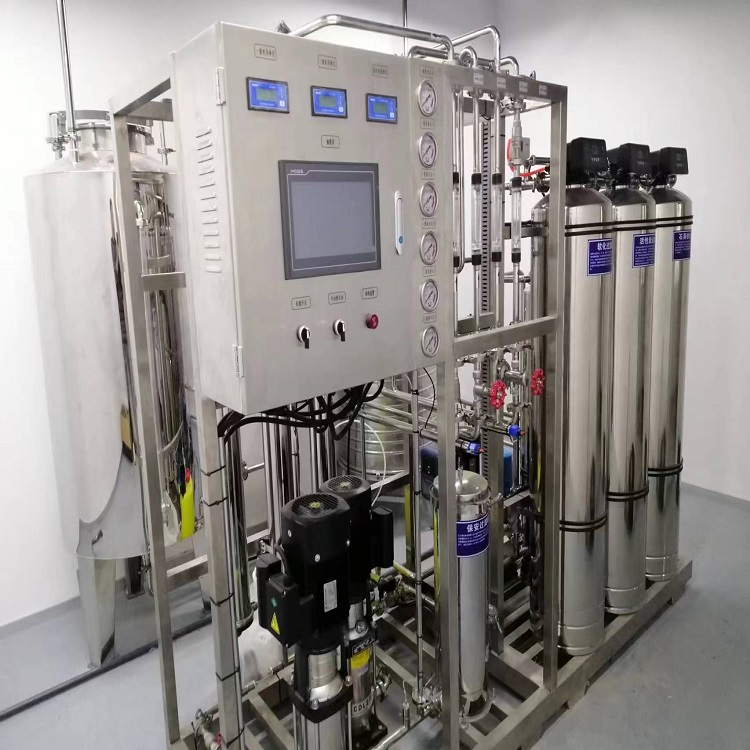
Shanghai industrial pure water production equipment reverse osmosis filtration system with high yield and customizable options, Quankun brand.
详情描述
Taiyuan Chemical Laboratory Wastewater Treatment Equipment - Experimental Classroom Sewage Processor - Low Operation Cost
The Laboratory Wastewater Treatment Integrator is a device that integrates various water treatment technologies, primarily used for treating laboratory wastewater to meet discharge standards or reuse requirements. Its core principle is to remove pollutants from wastewater, including organic matter, heavy metals, and microorganisms, through a combination of physical, chemical, and biological methods. The following will elaborate on the working principle, technical composition, application scenarios, and development trends.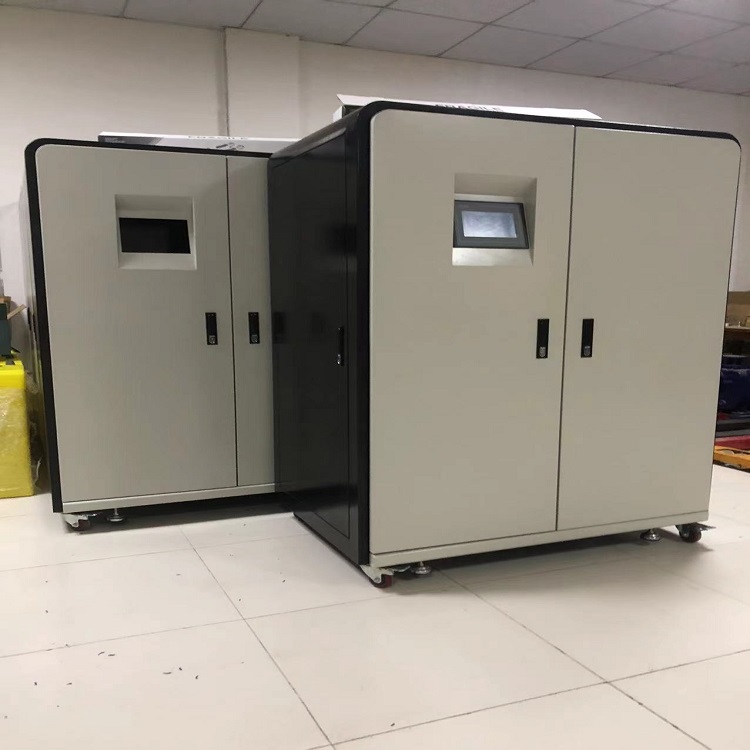
The laboratory wastewater composition is complex, typically containing the following types of pollutants:
Organic matter: Such as experimental residuals of solvents, dyes, proteins, etc., with high levels of Chemical Oxygen Demand (COD) and Biological Oxygen Demand (BOD).
2. Inorganic substances: Strong acids, strong bases, heavy metal ions (such as lead, mercury, and chromium), etc., may cause severe harm to the environment and human health.
3. Biological contaminants: Bacteria, viruses, etc., generated from microbiological experiments, must be strictly inactivated.
4. Radioactive Materials (for a few special laboratories): require special handling.
These pollutants, if discharged directly, can contaminate water bodies, disrupt ecological balance, and even harm human health through the food chain. Therefore, laboratory wastewater treatment integrated machines must possess efficient, flexible, and safe treatment capabilities.
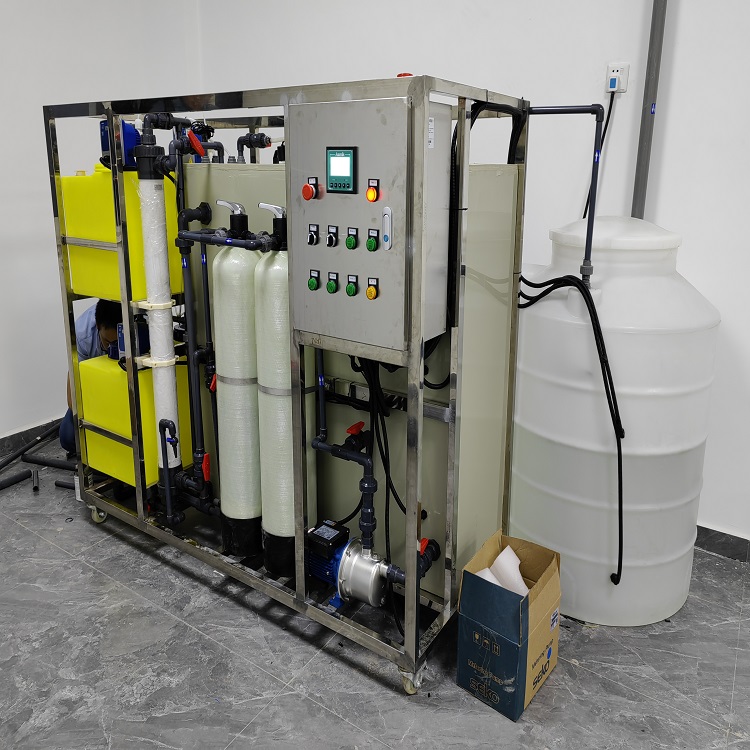
Laboratory wastewater primarily includes the following categories:
Pathogenic Microorganism Polluted Wastewater: Such as virus, bacterial culture solutions, and residual samples, posing a high risk of infectious transmission.
2. Chemical Agent Wastewater: Contains disinfectants, organic solvents (such as ethanol), heavy metals (such as guanidine salts in nucleic acid test kits), etc., which may cause long-term harm to the ecological environment.
3. High-concentration organic wastewater: Originating from equipment cleaning, culture medium residues, etc., with a high COD (Chemical Oxygen Demand) value.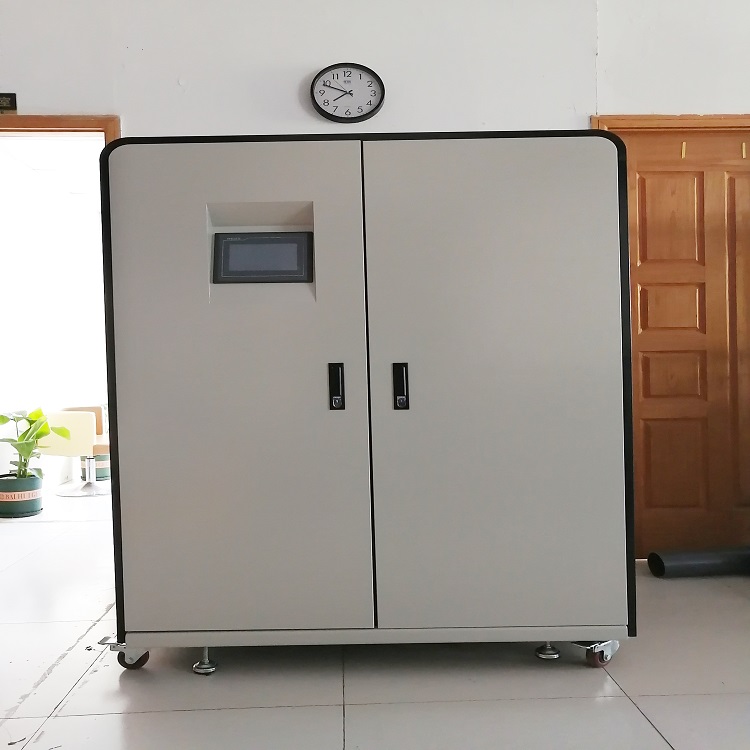
The challenges in treating this type of wastewater lie in:
High safety requirements: pathogens must be completely inactivated to avoid exposure risks during operation.
Complex composition: Requires a collaborative processing involving various physical, chemical, and biological technologies.
Emission standards are stringent: must comply with regulations such as "Emission Standards for Water Pollutants from Medical Institutions" (GB 18466-2005).
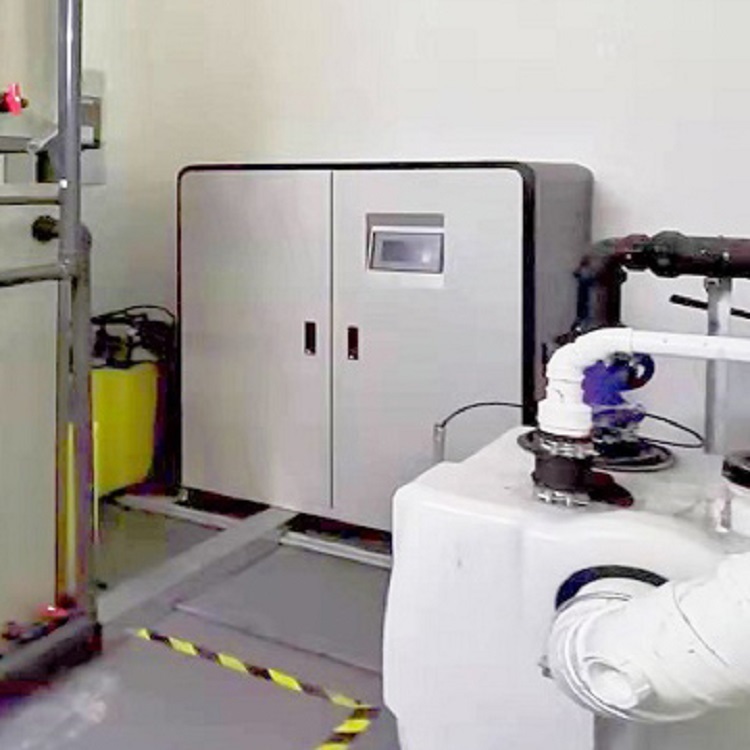
Based on the composition and concentration of organic, inorganic, and biological wastewater generated in different laboratories, the comprehensive laboratory wastewater treatment equipment employs various treatment technologies and processes, effectively removing COD, BOD, SS, color, viruses, organic solvents, and heavy metal ions from the comprehensive laboratory wastewater. The treated wastewater from the laboratory can meet the first, second, and third levels of the National Integrated Wastewater Discharge Standard [GB8978-1996], the National Standard for Wastewater Discharge into Urban Sewers [CJ343-2010], and the Beijing City Water Pollutant Emission Standard [DB11/307-2013], or the relevant standards of the 2005 National Standard for Water Pollutant Emission from Medical Institutions.
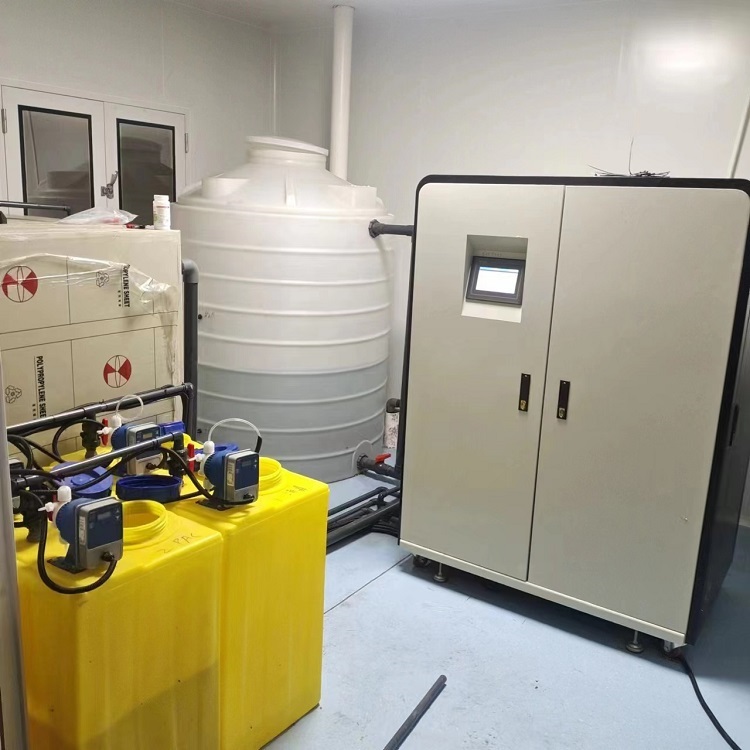
Taiyuan Chemical Laboratory Sewage Treatment Equipment - Lab Classroom Sewage Processor - Low Operating Costs
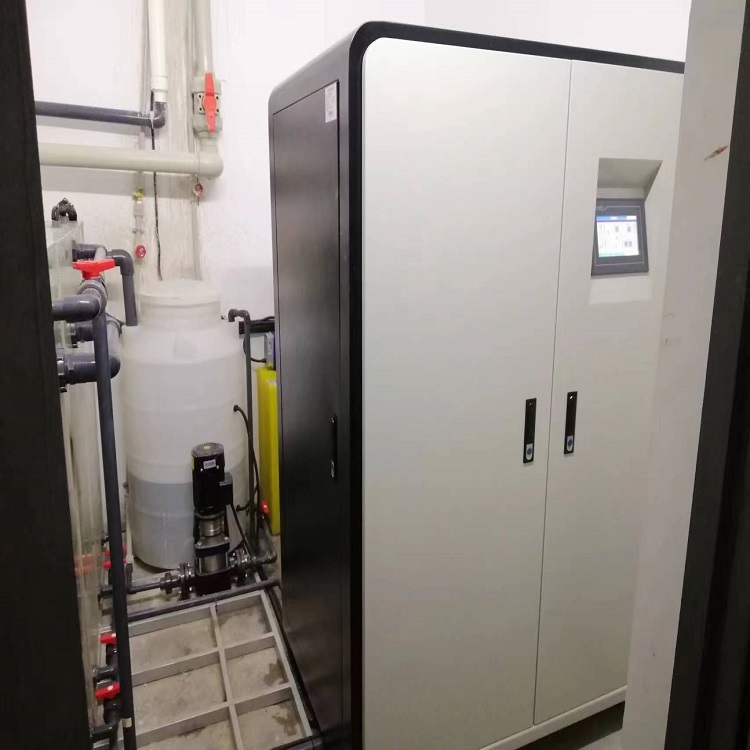
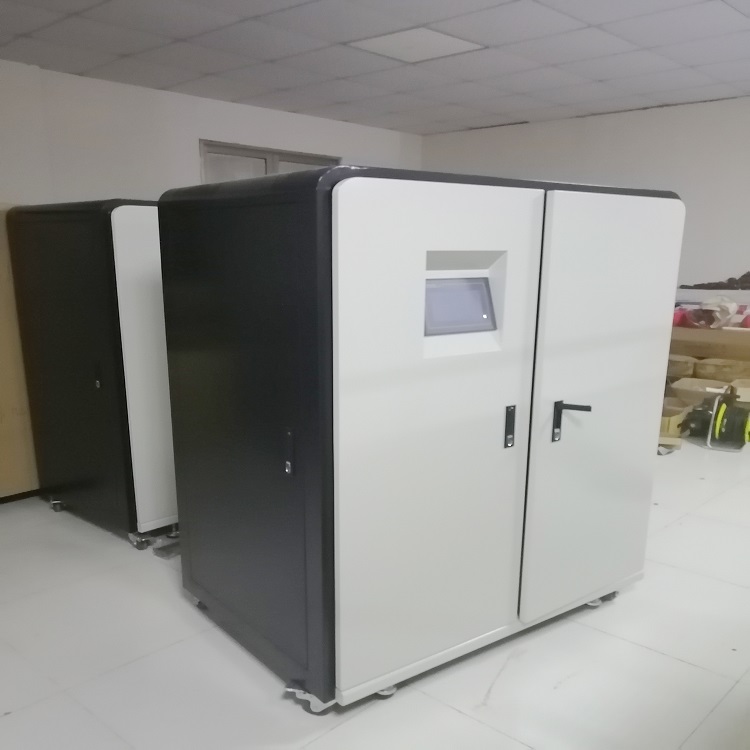
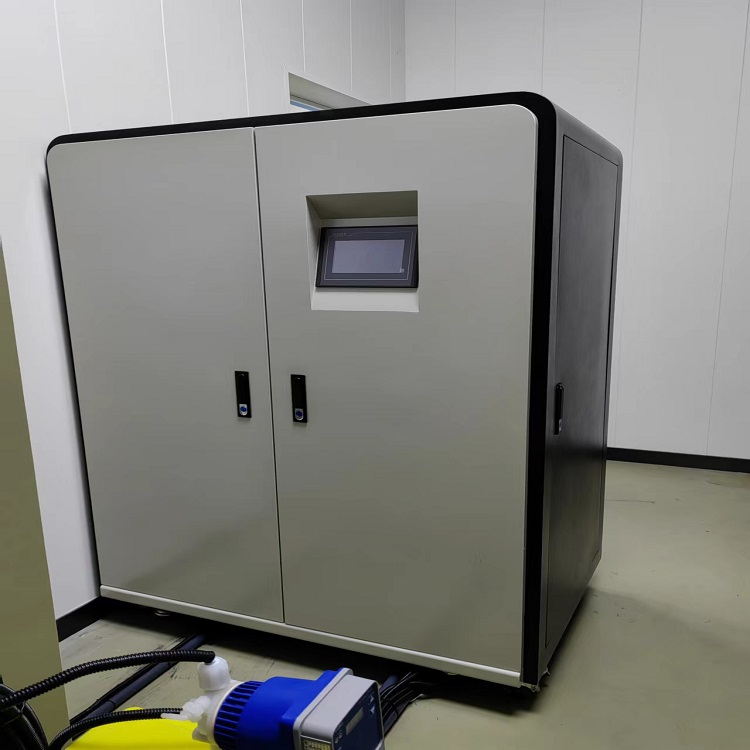
Laboratory wastewater treatment equipment is a technologically advanced, highly automated system with excellent treatment performance, minimal land use, simple operation and management, and does not require constant supervision. It is specifically designed for comprehensive wastewater treatment in laboratories across various industries both domestically and internationally. It has received high praise from users and is widely used in research institutions, universities, environmental monitoring, product inspection, food and drug inspection, entry and exit quarantine, disease control centers, geological and mining testing centers, analytical testing centers, water resource monitoring, and grain and oil quality inspection.


