



- AllProduct Category
-
Lab Wastewater Treatment Equipment
Lab Wastewater Treatment Equipment
Ultra-Pure Water Equipment
Membrane Separation Equipment
Pure Water Equipment
Low-Temperature Evaporator
Ultra-Pure Water System
Integrated Wastewater Treatment Equipment
Reverse Osmosis Equipment
Pure Water Equipment
Ceramic Membrane Equipment



Recommended Products
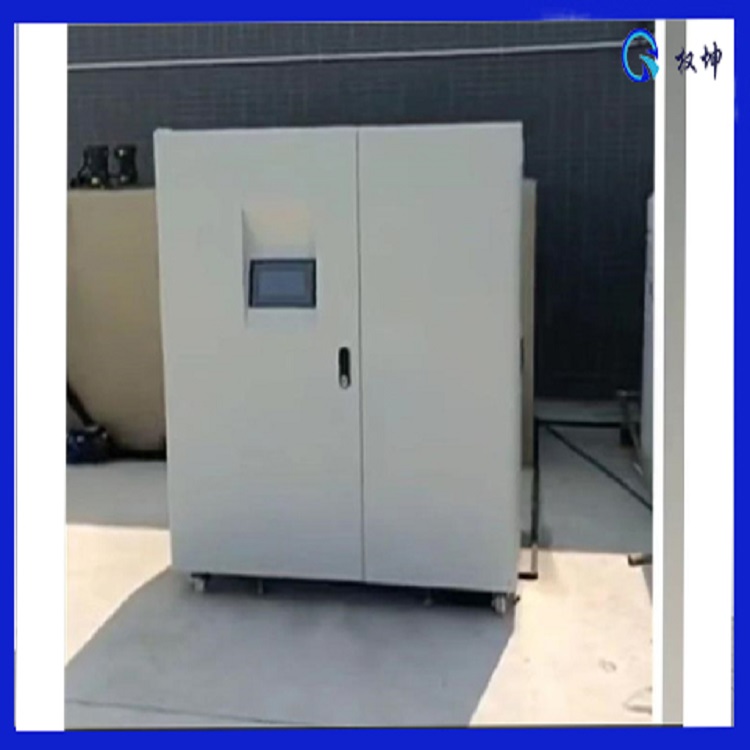
Quan Kun - Comprehensive Laboratory Waste Water Treatment Equipment - Remote Monitoring - Automated Control
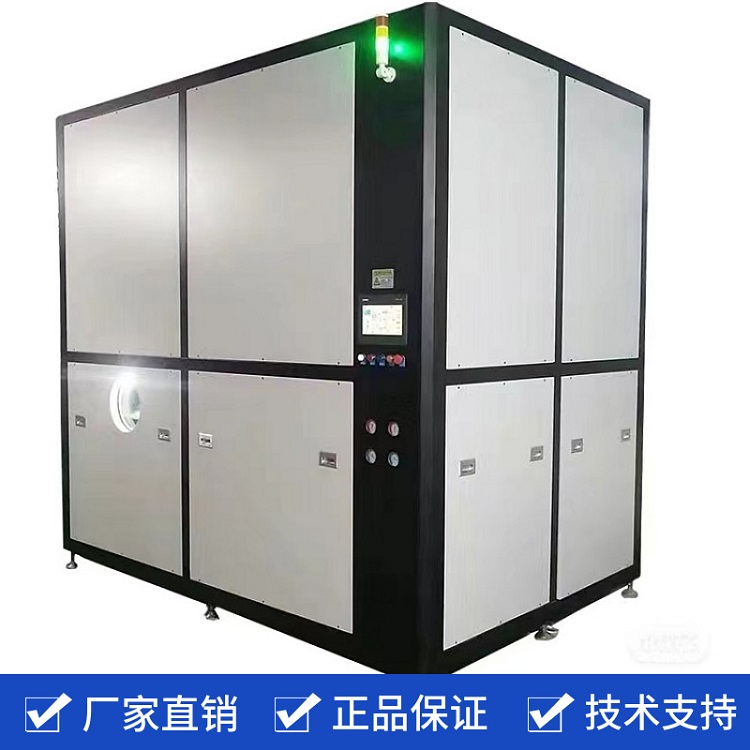
Sodium Chloride Wastewater Low-Temperature Evaporator - Intelligent Automatic - Quankun - Integrated Design
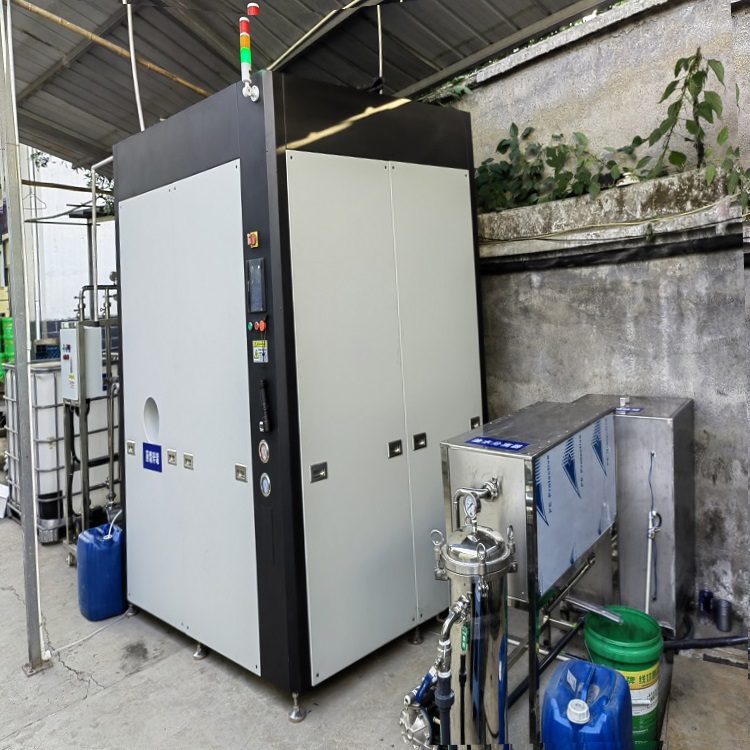
High-Concentration Oil Emulsion Waste Water Treatment Equipment - Quankun - Evaporator Unit - High Concentration Ratio
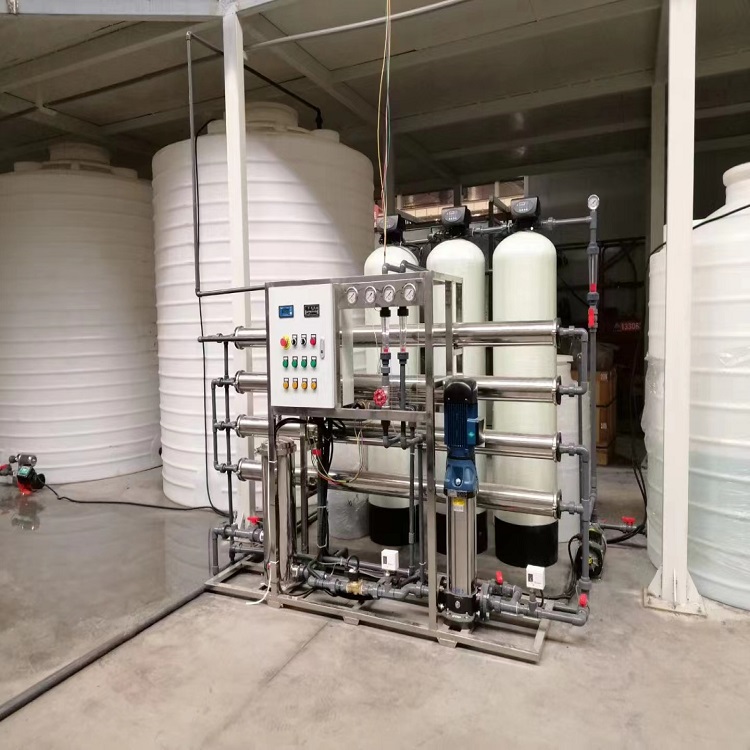
Industrial Pure Water Equipment EDI Ultra-Pure Water System Fully Automatic Control Quankun Environmental Protection
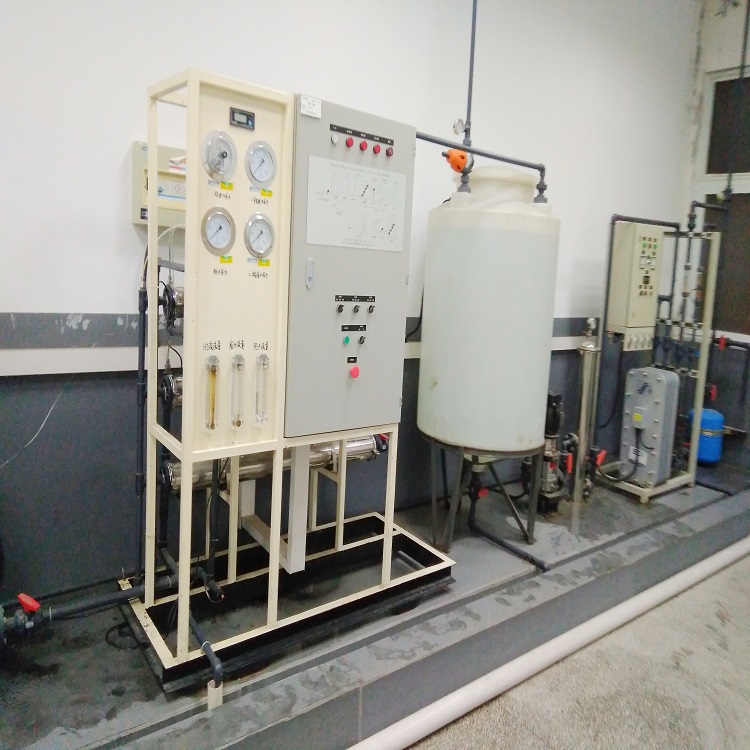
Shenzhen Industrial Ultra-Pure Water Equipment, equipped with EDI system, features low energy consumption and high degree of automation.
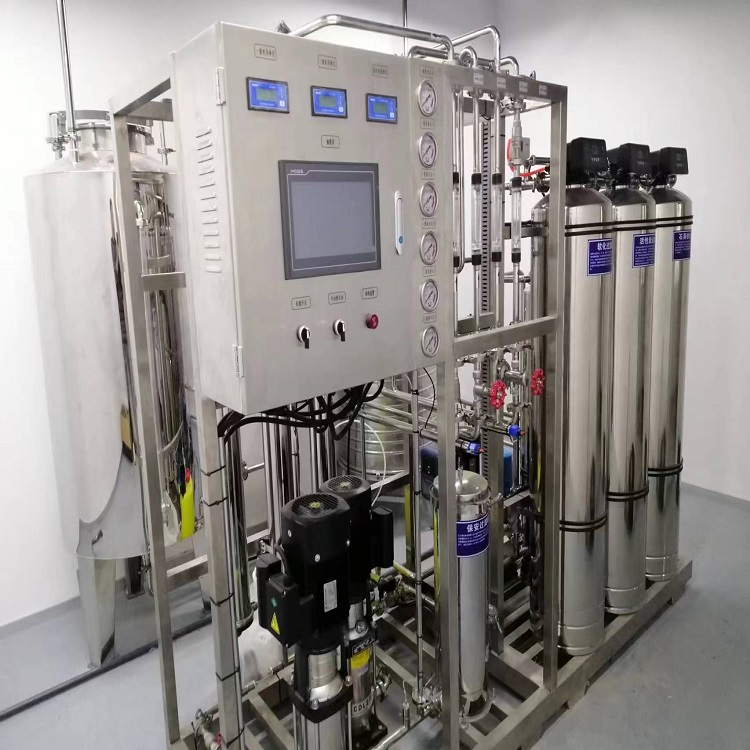
Shanghai industrial pure water production equipment reverse osmosis filtration system with high yield and customizable options, Quankun brand.
详情描述
Nanjing Laboratory Wastewater Treatment System: Simple, Convenient Maintenance with Wide Practicality - Quankun
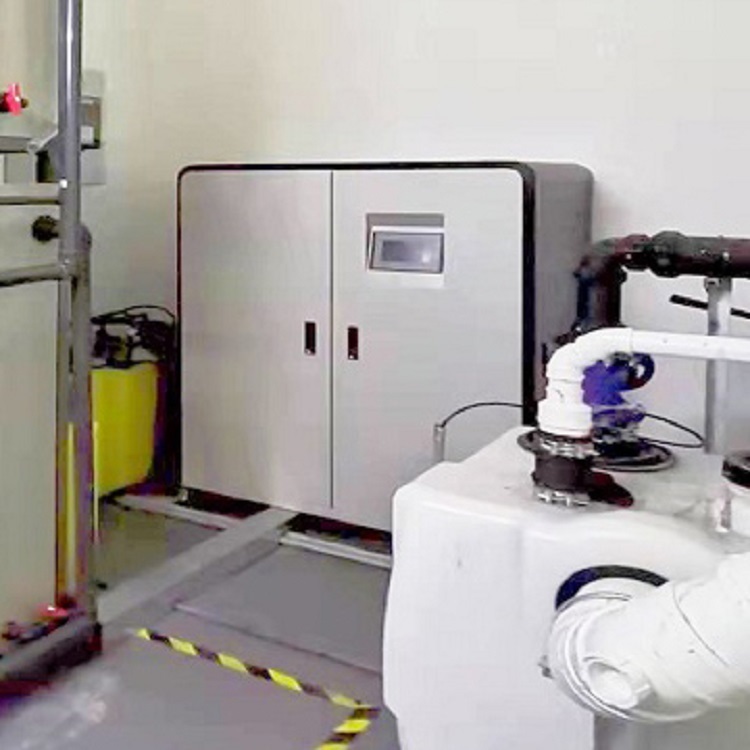
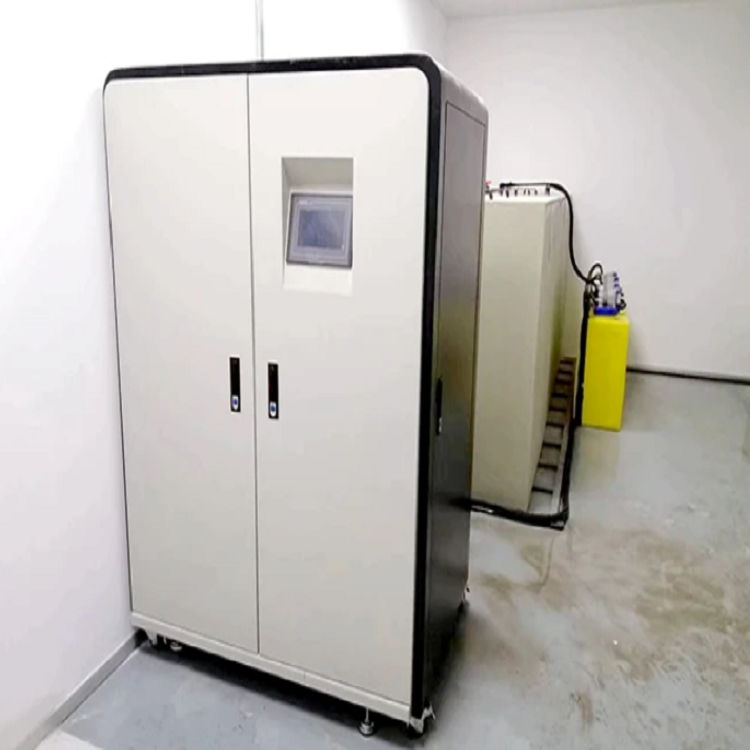
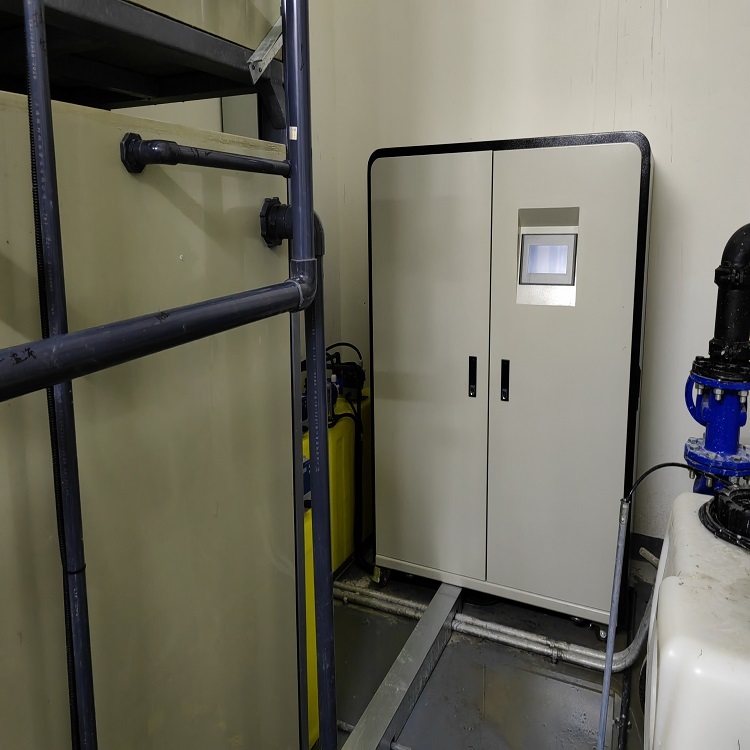
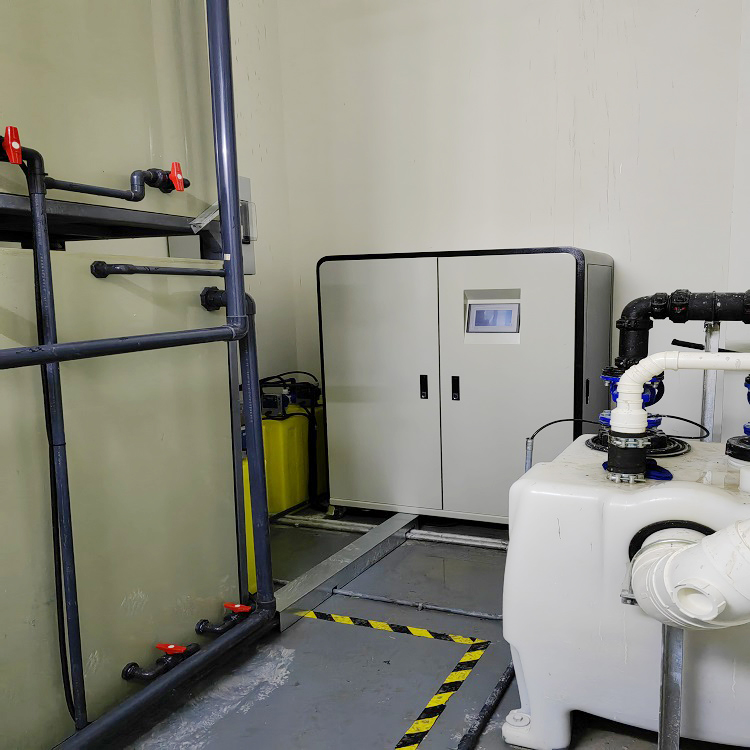
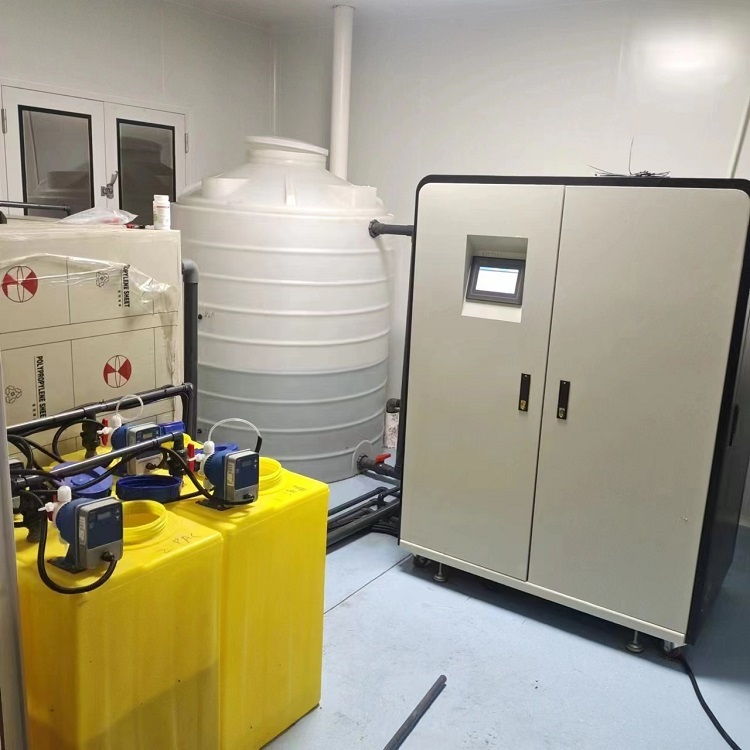
Laboratory wastewater treatment equipment is a specialized device for handling acidic and alkaline wastewater. It primarily consists of a wastewater collection system, pretreatment system, neutralization reaction system, filtration system, and discharge system. This equipment effectively removes harmful substances from the wastewater, ensuring it meets discharge standards.
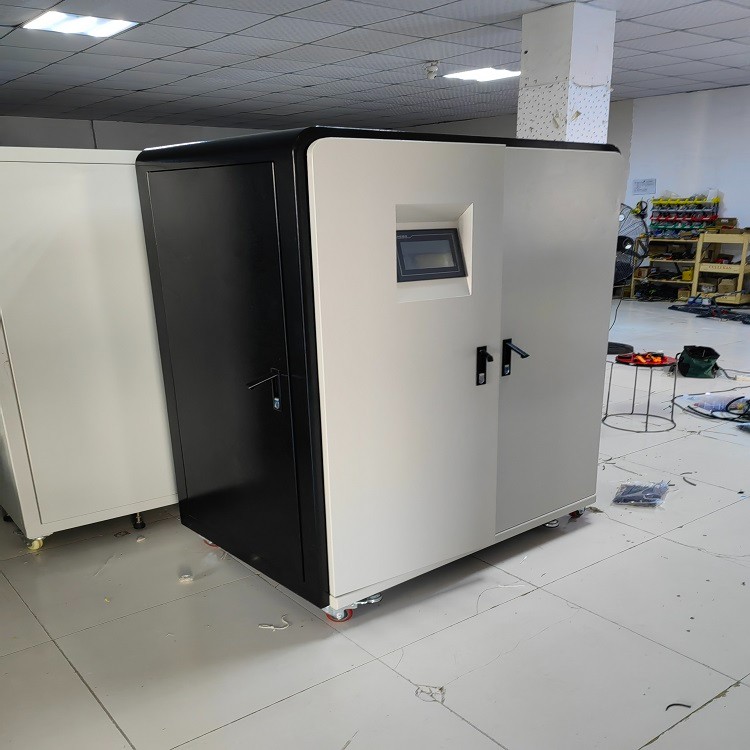
The comprehensive waste liquid treatment device for laboratories also has some drawbacks. Firstly, the cost of the equipment may be high, making it difficult for some small laboratories to afford. Secondly, due to the特殊性 of laboratory wastewater, the device may be affected by factors such as high concentration of pollutants in the wastewater, unstable water quality, fluctuating flow rates, and uneven operating loads of the equipment, leading to stability issues.
Biological reagent laboratory waste contains a large amount of organic matter, inorganic salts, heavy metals, and other pollutants. If not properly treated and discharged directly, it can cause serious environmental damage. Therefore, developing efficient and environmentally friendly biological reagent laboratory waste treatment equipment has become a hot topic in current research.
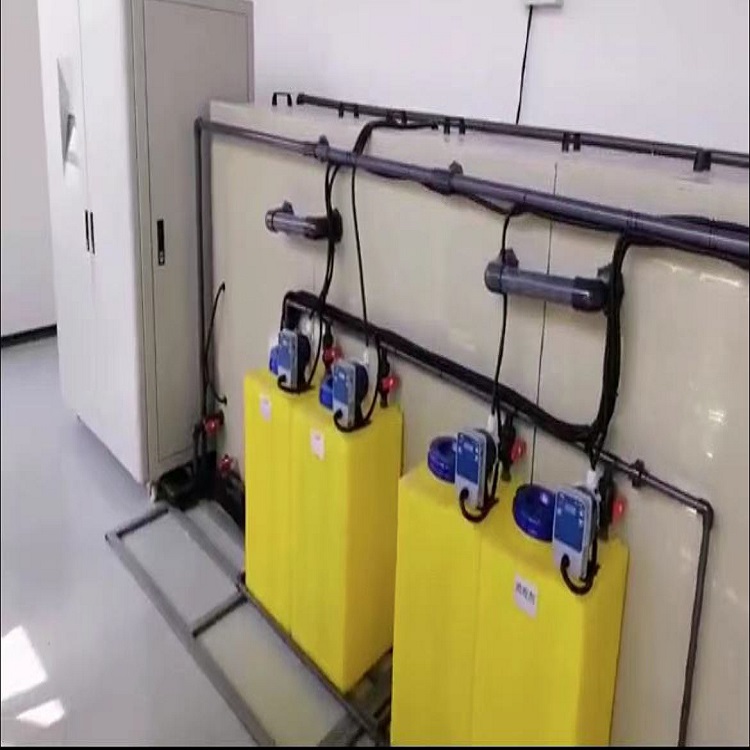
Feature Highlights:
1. Versatile in application, suitable for wastewater treatment in various types of laboratories.
2. Utilize advanced multi-stage treatment technology to purify wastewater, meeting discharge standards.
3. Centralized control with high level of automation, easy operation, fully automatic operation, no need for dedicated staff.
4. Automatic leak and electric shock protection, high and low voltage automatic protection, no wastewater protection, and liquid storage tank level protection.
5. Dynamic operation with a digital LCD display for water quality indicators.
6. "One-stop" integrated design, with attractive appearance, minimal land occupation, fast processing speed, low operation cost, easy installation and relocation, high processing capacity, excellent processing effect, low energy consumption, resistance to acid and alkali corrosion, low noise, multiple safety protections, zero leakage, and environmentally friendly, truly achieving engineering equipmentization. No need for multiple treatment ponds, no generation of secondary pollutants such as waste, exhaust, and wastewater.
Operating Principle:
Wastewater Collection System: Equipped with a dedicated container for collecting various types of acidic and alkaline wastewater.
2. Wastewater Pretreatment System: This system can remove large particles and certain harmful microorganisms from wastewater.
3. Neutralization Reaction System: The equipment is equipped with a neutralization reactor, capable of neutralizing acidic and alkaline substances to convert them into neutral matter.
4. Filtration System: The filter effectively removes fine particles and various harmful substances from the wastewater.
5. Emission System: Treated wastewater is discharged into the public drainage system after meeting the emission standards through the emission system.
When designing waste treatment equipment for biological preparations laboratories, the following principles should be adhered to:
Efficiency: The equipment should possess high efficiency in waste liquid treatment, capable of rapidly removing pollutants from the waste liquid.
2. Environmental Protection: The equipment should adopt environmentally friendly processing techniques to avoid secondary pollution.
3. Safety: The equipment must ensure the safety of the operators and prevent accidents such as the leakage of waste liquids.
4. Practicality: The equipment should meet the laboratory's actual needs and be easy to operate and maintain.
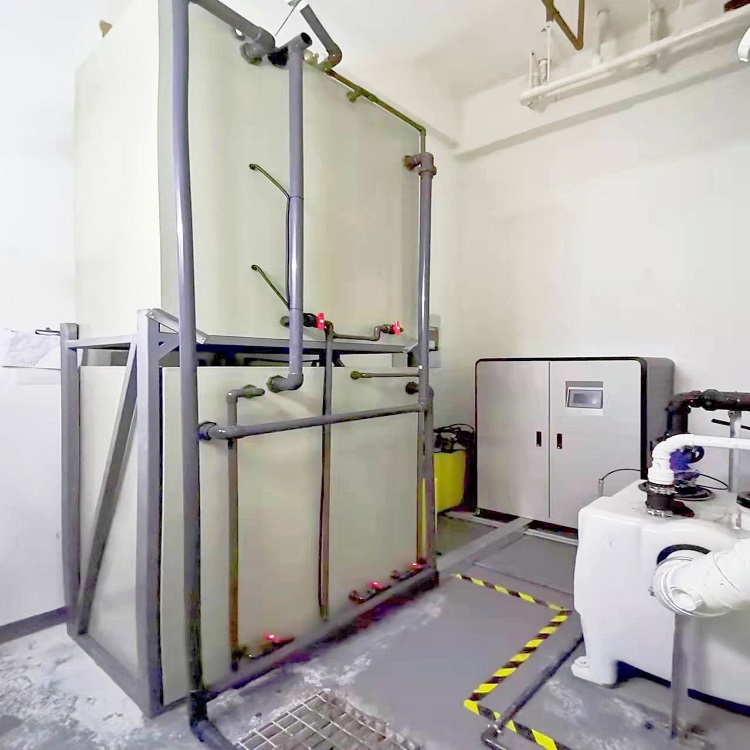 Nanjing Laboratory Wastewater Treatment System - Simple, Convenient Maintenance with Wide Practicality, Quankun
Cautionary Notes:
Read the equipment manual carefully before use and operate as instructed.
Ensure the equipment is installed in compliance with safety regulations to prevent accidents.
3. During the process, equipment operation status should be checked regularly to ensure proper functioning.
4. When dealing with wastewater containing special chemicals, it is essential to consult with professionals first to ensure safe disposal.
5. After processing, the wastewater collection containers should be thoroughly cleaned to prevent residual substances from causing secondary pollution to the environment.


