




- AllProduct Category
-
Lab Wastewater Treatment Equipment
Lab Wastewater Treatment Equipment
Ultra-Pure Water Equipment
Membrane Separation Equipment
Pure Water Equipment
Low-Temperature Evaporator
Ultra-Pure Water System
Integrated Wastewater Treatment Equipment
Reverse Osmosis Equipment
Pure Water Equipment
Ceramic Membrane Equipment



Recommended Products
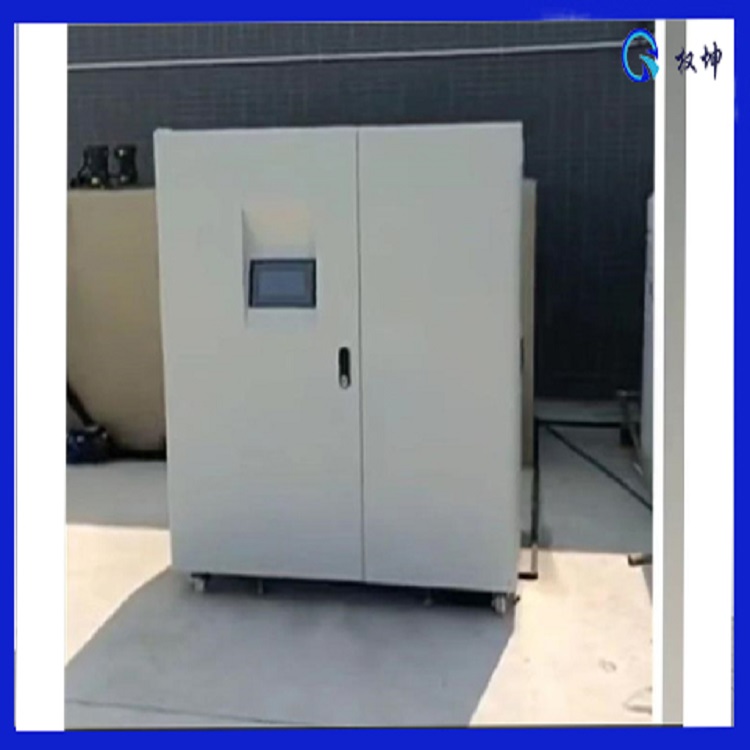
Quan Kun - Comprehensive Laboratory Waste Water Treatment Equipment - Remote Monitoring - Automated Control
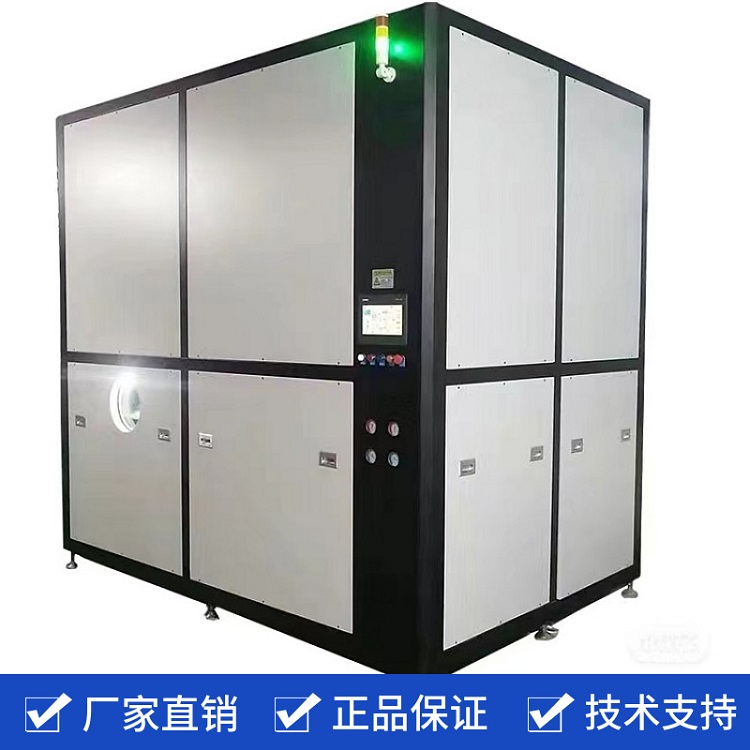
Sodium Chloride Wastewater Low-Temperature Evaporator - Intelligent Automatic - Quankun - Integrated Design
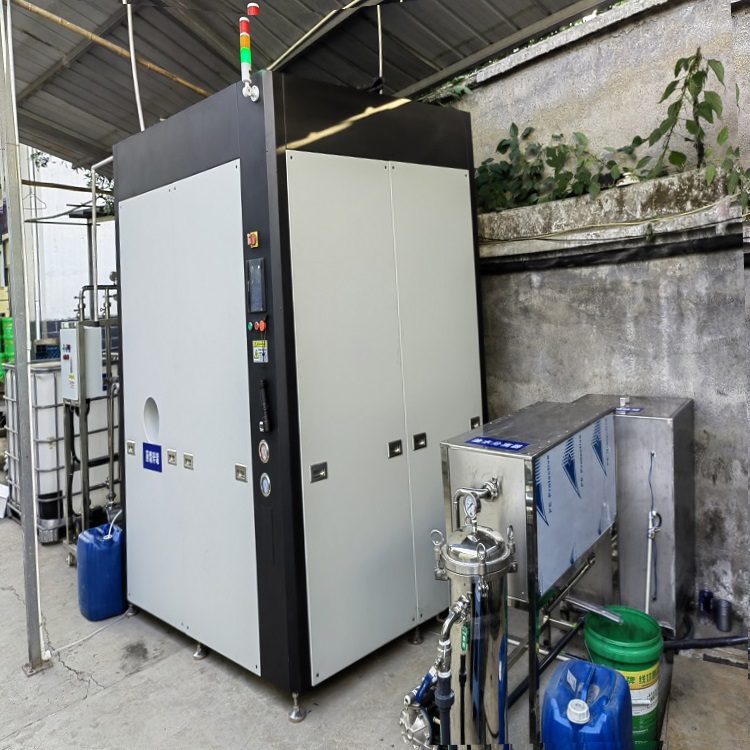
High-Concentration Oil Emulsion Waste Water Treatment Equipment - Quankun - Evaporator Unit - High Concentration Ratio
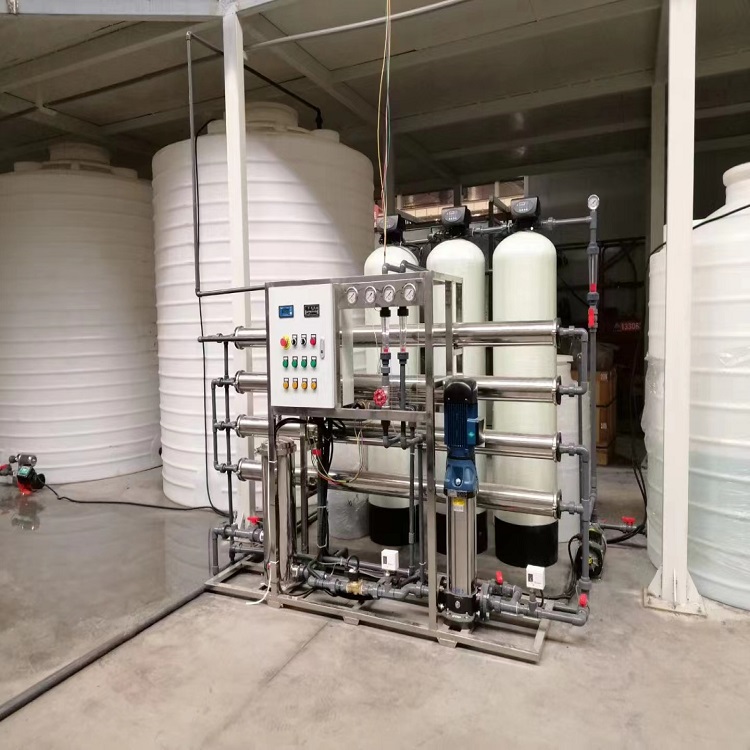
Industrial Pure Water Equipment EDI Ultra-Pure Water System Fully Automatic Control Quankun Environmental Protection
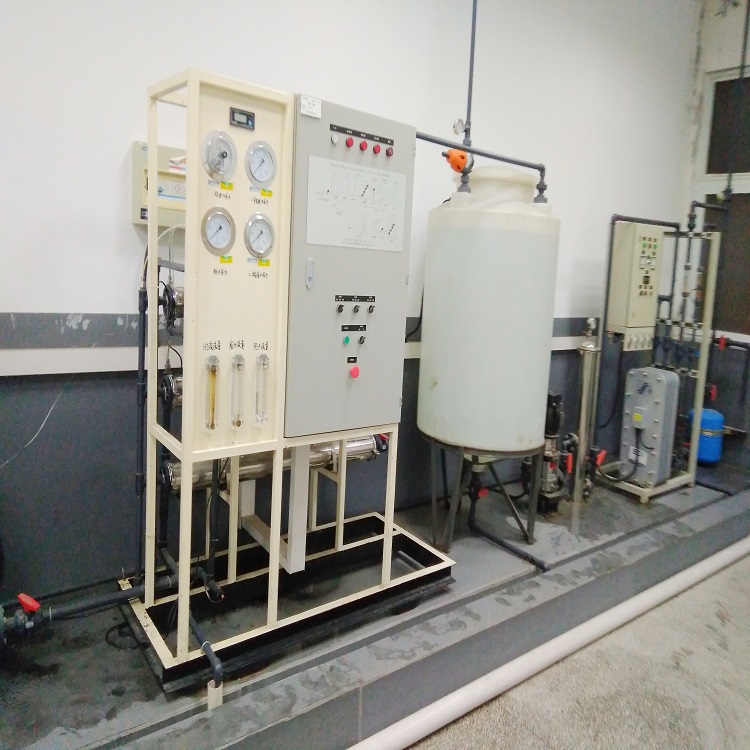
Shenzhen Industrial Ultra-Pure Water Equipment, equipped with EDI system, features low energy consumption and high degree of automation.
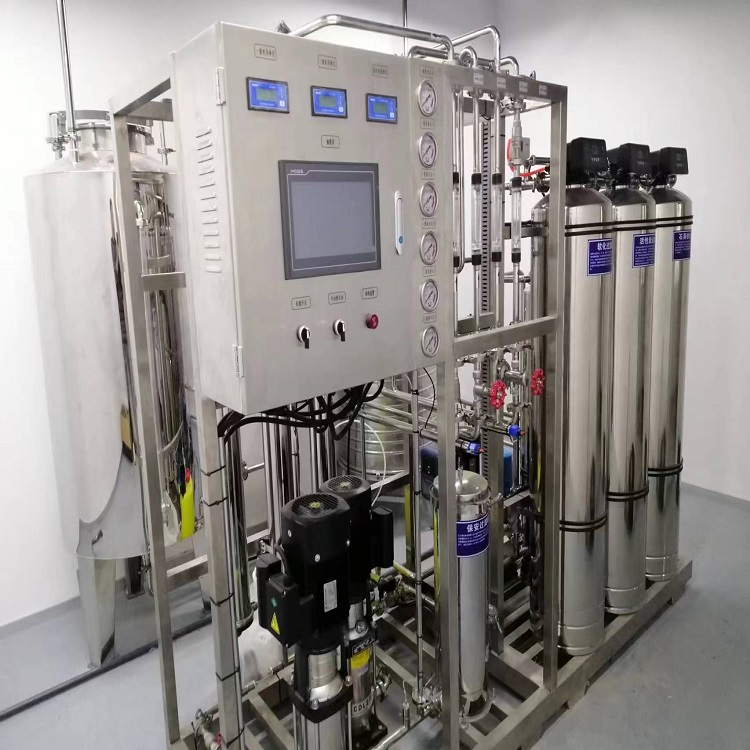
Shanghai industrial pure water production equipment reverse osmosis filtration system with high yield and customizable options, Quankun brand.
详情描述
Shanghai School Laboratory Wastewater Treatment Equipment - Durable and Robust, Low-Temperature Evaporator Manufacturer, Low Energy Consumption
The core function of the laboratory wastewater treatment unit is to remove or reduce harmful substances in wastewater to safe discharge standards through physical, chemical, and biological methods. Common treatment technologies include neutralization reactions, precipitation, filtration, adsorption, oxidation-reduction, and membrane separation. For example, for acidic or alkaline wastewater, neutralization is typically used, adjusting the pH value to between 6-9 by adding the appropriate alkaline or acidic reagents. For wastewater containing heavy metals, chemical precipitation can be employed, adding reagents like hydroxide to form insoluble precipitates of heavy metal ions, which are then removed by filtration or centrifugal separation.

When selecting a laboratory wastewater treatment facility, schools need to consider multiple factors. First is the characteristics of the wastewater, including the types, concentrations, volumes, and patterns of change in pollutants. For instance, wastewater from biological laboratories may contain pathogenic microorganisms, while that from chemical laboratories may be rich in heavy metals or organic solvents. Next is the treatment objective, which is the required discharge standards or reuse requirements. Different regions may have varying local standards, ensuring the equipment can meet these is crucial. Then there are economic factors, including the initial investment in equipment, operational costs, and maintenance fees. Lastly, the reliability and ease of operation of the equipment are key, especially for school laboratories lacking professional operators. Equipment with high automation and simple operation is more advantageous.

Application Fields
Laboratory wastewater treatment equipment is widely used in universities, colleges, research institutions, medical facilities, biopharmaceuticals, disease control centers, environmental supervision, product quality inspection, inspection and quarantine, drug inspection, blood stations, animal husbandry, hospitals, petrochemicals, and various laboratories and chemical analysis rooms. After treatment, the wastewater meets the first, second, and third standards of the Comprehensive Wastewater Discharge Standard [GB8978-1996]. The treated wastewater can be discharged into the municipal sewage network or reused through further treatment processes.

Laboratory wastewater treatment unit features
1. Wide applicability, suitable for wastewater treatment in various laboratories.
2. Utilize advanced multi-stage treatment technology to purify wastewater, achieving discharge standards.
3. Centralized control, high level of automation, easy to operate, fully automatic operation, no need for dedicated staff.
4. Automatic water and electric leakage protection, automatic high and low voltage protection, no wastewater protection, liquid storage tank level protection.
5. Dynamic operation with a digital LCD display for water quality indicators.
6. "One-stop" integrated design with attractive appearance, small footprint, rapid processing speed, low operating costs, easy installation and mobility, high processing capacity, excellent processing quality, low energy consumption, resistance to acid and alkali corrosion, low noise, multiple safety protections, no leakage, and environmentally friendly, truly achieving engineering equipmentization. No need for multiple treatment ponds, and does not produce secondary pollution such as waste sludge, waste gas, and waste water.

Laboratory wastewater contains acids, bases, organic pollutants, heavy metal ions, pathogenic microorganisms, with a wide range of pH fluctuations and high COD concentration. It is primarily divided into three major categories:
1. Organic Wastewater: Primarily sourced from laboratory reagents and solvents.
2. Inorganic Wastewater: Main sources include acidic and alkaline reagents, heavy metal reagents.
3. Pathogenic Biological Wastewater: Primarily originates from microbial culture, blood biochemical experiments, blood stations, disease control centers, etc.

Shanghai School Laboratory Wastewater Treatment Equipment - Durable and Robust, Low-Temperature Evaporator Manufacturer, Low Energy Consumption
Mature methods and equipment for laboratory wastewater treatment:
1. Heavy metal co-precipitation process: Removes heavy metals, suspended solids, and color.
2. pH Automatic Adjustment Process: Automatically adjusts pH value of acidic and alkaline wastewater.
3. Ozone Oxidation Disinfection Process: Organic Wastewater Degradation, COD Removal, and Eradication of E. coli.
4. Medical wastewater must be dosed with chlorine dioxide as required.
5. Laboratory Waste Water Treatment and Purification System: Integrated process with full automatic operation


